Chinese imperialism
|
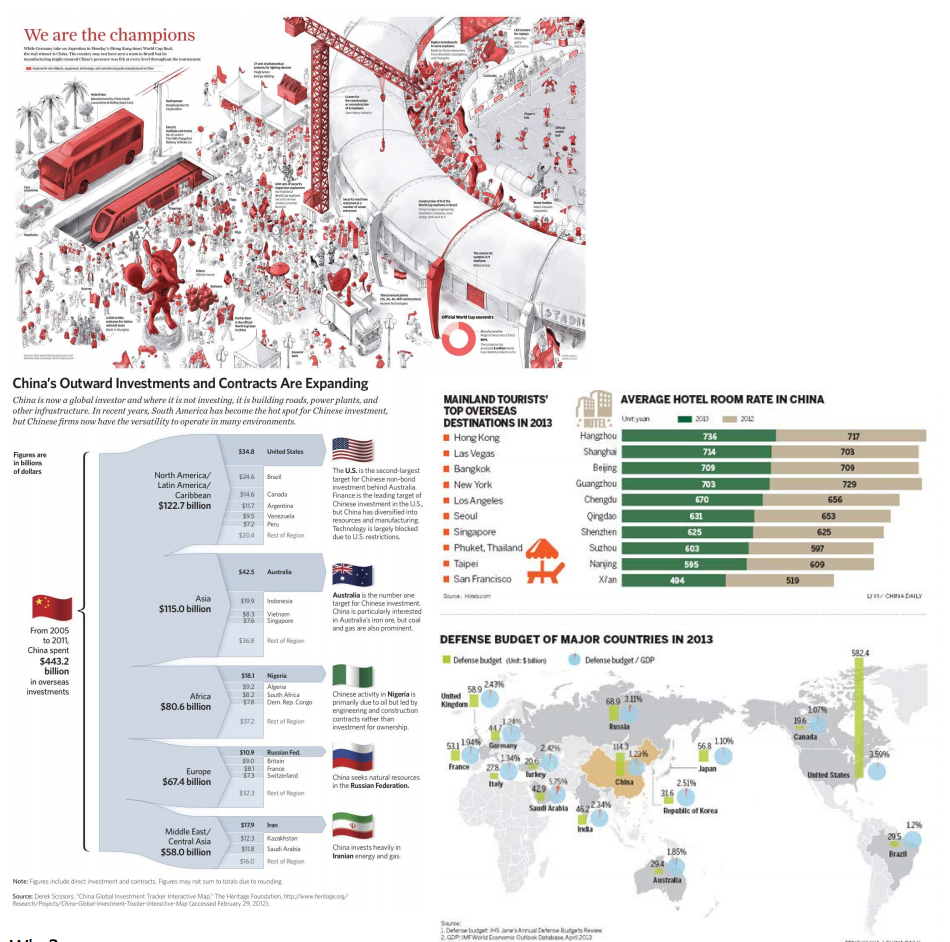
What? China emerges as a new form of imperialism. China is renowned for its powers of production not its appetite for consumption. Thanks to the remarkable growth of its output, it surpassed Japan to become the world’s second largest consumer since 2010. We have seen an uptick in China’s growing middle class increases demand for foreign products. Last year, mainland and Hong Kong investors made 220 overseasdeals worth US$68.9 billion, representing a 17 per cent increase in value from 2012. Purchases of mainland firms surge this year, particularly active in the United States, Europe, Canada and Hong Kong. Chinese companies are increasingly pursuing opportunities in properties, agriculture and high value- added industries, such as technology. Urban- space economy is thus a product of uneven development of capitalism or of a rent gap, resulting in a changed lifestyle preference or devalorization of capital invested in the urban built environment. This process of centralization and gentrification pools resources into a certain sector, resulting in surge in property price in the CBD. It is the movement of capital into the construction of suburban landscape and creation of rent gap that create opportunity for restructuring of central and inner city space. It occurs at different level, from national scale to a single property scale.
Why? 1. With the emergence of capitalism, the centralization of capital becomes a social necessity under the control of a small group of people. Nowadays, however, agglomeration of capital leads to clear spatial consequences. Property price increases and social inequality occurs, such as causing anxiety and antipathy in the society. It reflects in Hong Kong’s housing market and consumer prices. 2. China acts as a new form of imperialism and matures into a monopoly capitalism. Instead of territorial expansion, China’s unfettered drive to maximize profit without consideration of local community, such as purchasing wineries and vineyards, often purchased as status symbols. wineries and vineyards, often purchased as status symbols. 3. The project directing the buyers with new target places to purchase, making investment into local industries that combines traditional, vernacular and indigenous culture with luxury and superior.
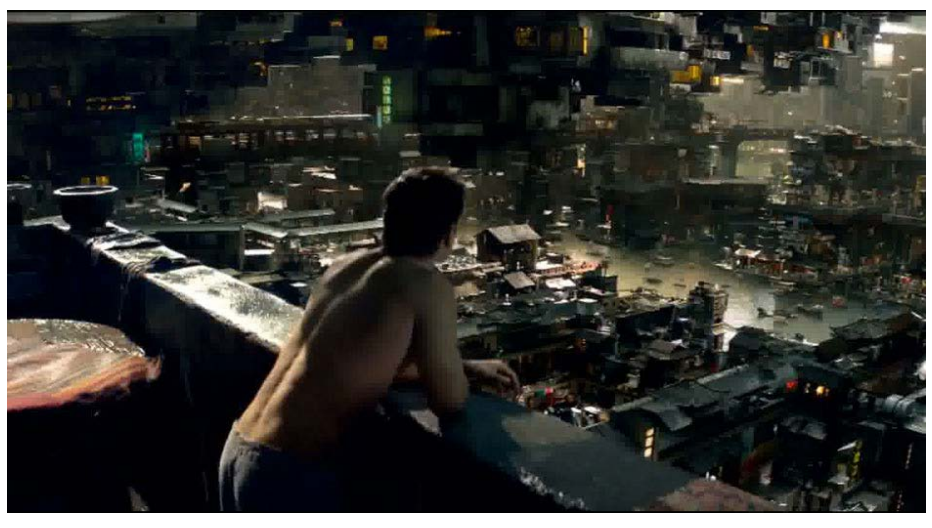
How? 1. Integration of Chinese hot money investment to see how Chinese culture can fit into local culture through luxury housing and hotel complex, making Chinese investment not a destroyer to other culture but a nice integration to them. 2. I suggest hotel complex as a new typology. It can be a place that rich and poor people can get a chance to enjoy the space. People go to hotels for attending meetings, exhibitions, enjoy food and beverage, carnivals and of course enjoying their holiday. 3. I am discovering the type of public spaces that wasn’t designated and government- planned public spaces before. 4. The movie “Divergent” is the opposite to “Total Recall”. It demonstrates the effect of superior power in two different scenarios. A fair system was proposed in “Divergent” while a superior system is adopted in “Total Recall”. Both movies show the undesirable dystopia when both systems went extreme. The idea of the project is praising the singular generating the collective, bringing in local culture and opposing to internationalism. References: Neil Smith, Gentrification, the Frontier, and the Restructuring of Urban Space Gregory D. Squires, Partnership and the Pursuit of the Private City |