INVISIBLE COMMUNICATION
| ARTIFACT |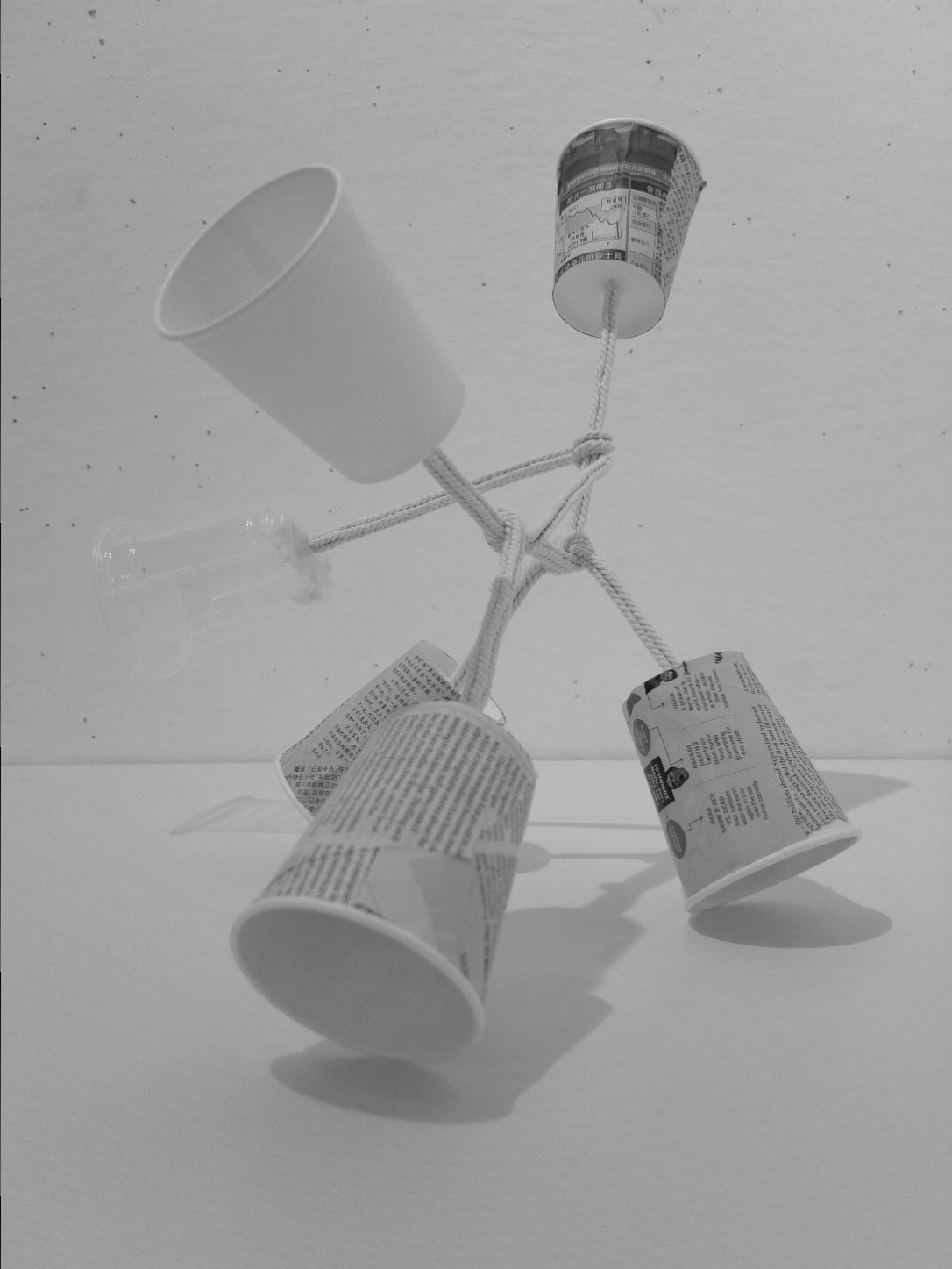 The Voice Communicator The main components for making this artifact are cups and ropes, which cups act as both emitter and receiver for sound, and the ropes act as the media for sound energy transferring. Cups then be paired up with a rope connects them. Then the three pairs of system are put into a coiled situation, pairs are now intersecting with each other. Voice can then be transmitted from one cups to all the others. Some of the cups are covered by different news from various backgrounds. The concept for making this artifact is that sound is a very straightly forwards energy that when one speaks, others should then hear. This model is criticizing the situation that whoever are from different backgrounds, with various point of views, both voices should be treated fairly that no one can be omitted from expressing his own idea. The ropes are representing the bridges connecting different voices, they try to act like a table for voices to be exchanged which everyone needs to listen and be respected, and try to find ways out from a conflict situation. May the concept of the artifact be translated to an architectural idea which using sound as a media for exchanging point of views? | WHAT |![[CHAT]TIVITY ARCHITECTURE](/arch/thesis/wp-content/uploads/2014/12/WHAT5-e1419233512273.jpg) [CHAT]TIVITY ARCHITECTURE Transparency of a city is always shaped by the government. ‘in political thinking transparency is linked to open and accessible government, while in sociology it connotes a pluralistic society.’ Suggested by Deborah Ascher Barnstone in The Transparent State. How transparency can be understand through architectural language? This thesis research project is trying to investigate the role as well as the rising importance of the government institution under the situation of different voices are trying to communicate with each other. Government headquarters will be used as main focus in the government institution category. Taking the protest happening in Hong Kong as an example, which named Umbrella Revolution, the event broke out with the disconnecting communication between citizens and government, government acted like not able to listen the voices from citizens, so they went on the street, try seeking a way to communicate with the government directly. However, government was not acting quick enough to make such a conversation with them, and with different visual communication such as videos and posters, those factors cause the event even turned to an ice point as misunderstanding happened in between those visual media. To change such condition, would sound, in such case would be conversation, be a better media for transferring message in between two or few parties? In an architectural point of view, could the building itself help to balance the conflicts or even act as a place for direct communication between different parties without any restrictions on the people who can get involved? | WHY |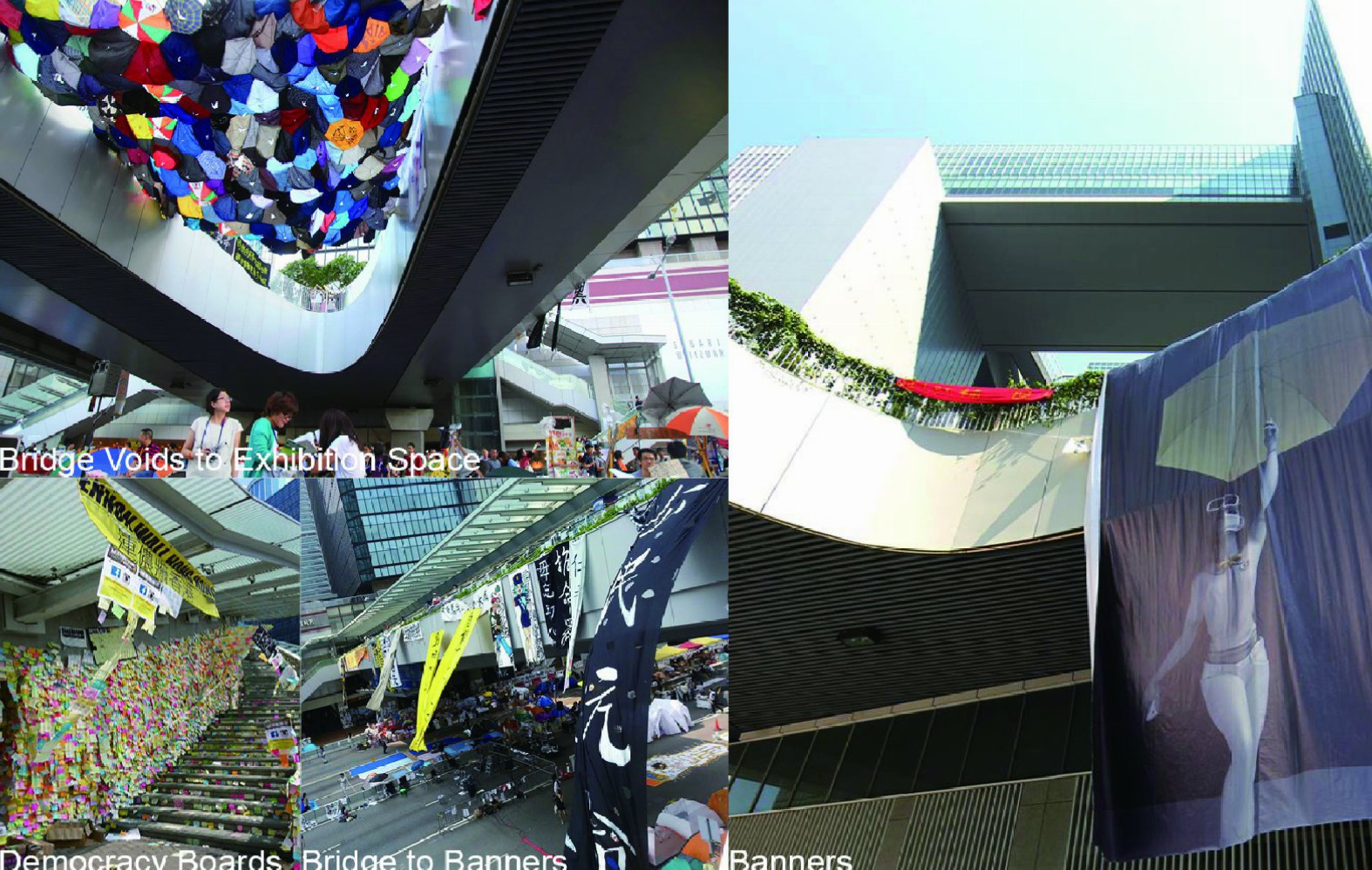 GOVERNMENT HEADQUARTER – BRIDGE OF COMMUNICATION To understand how the government headquarter can represent the transparency of a city, this thesis project will begin with analysis on how government institution play a role in a city in terms of architecture and examples from different countries to reveal the possible outcomes when the government is developed acting as the bridges for connecting different voices. Government headquarter with legislative council and the public plazas are always built in a form with separated buildings which disconnecting the transparency of voices transferring and also separated the involvement of the public with only video transferring but not the immediate sonic transferring. This is not opened and accessible for public to the government. The government should represent a pluralistic society. In this thesis research project, Government Headquarter will be used as an example to start testing and using as a vessel that collects and redistributes the sounds of its surroundings, providing a linkage connecting different parties which can help contributing in communication. The thesis would question if the spatial relationships can be reconfigured which gets no visual relationships but sonic one. Also, if there is any possibility on introducing new programmatic relationships to sharp the role played by the government institution in the city which can help in stabilizing the conflicts between different parties. In addition, this project will try researching the application on material and construction technology that can help in contributing the communication with the idea of sonic transferring method in terms of architecture. These studies, researches and analysis would help developing and refining the idea of this thesis project and hence give a clear direction on the later stage of the government institution design. | HOW |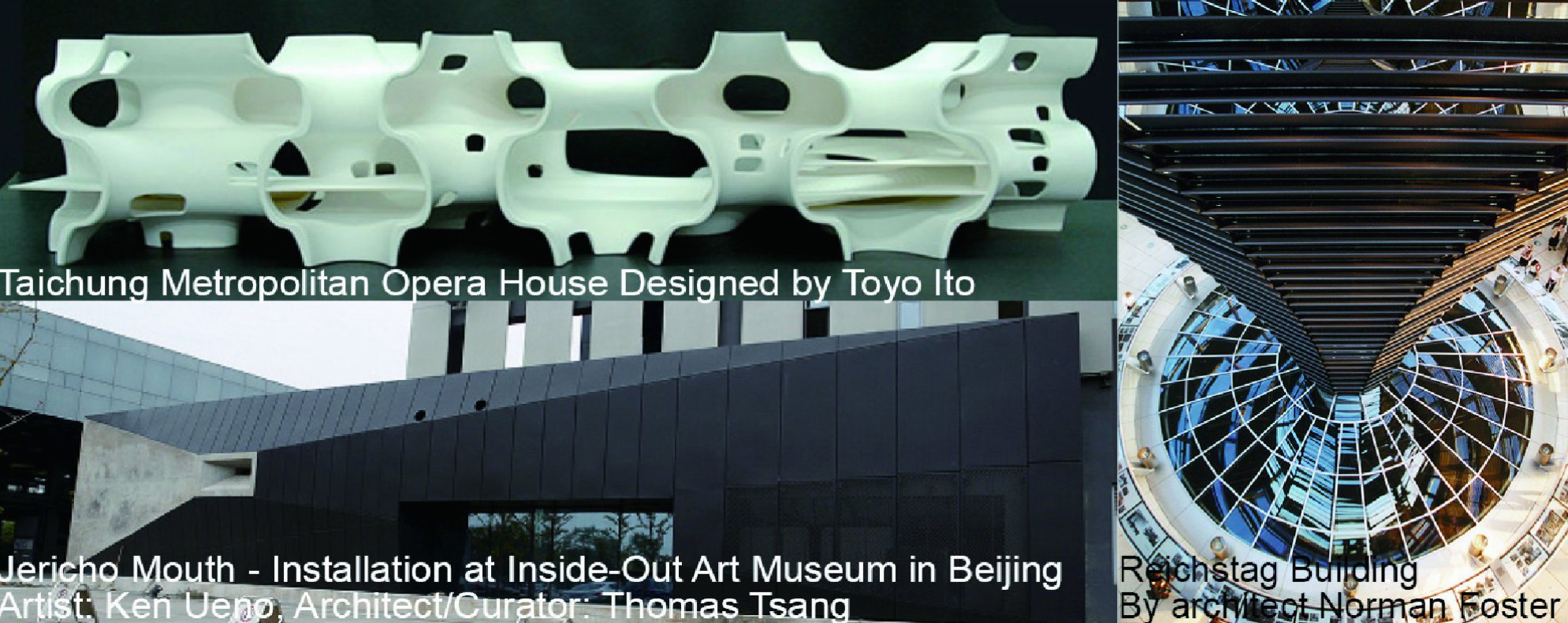 CASE STUDIES METHODOLOGY
The sequential moment one could get experiencing in a government complex can be read in different spatial progression, for example, one of the sequence of a person that enters the complex may go to the legislative council to seat for the meeting as a public individual while there is other group of people is giving another talk to the public which is related to the focus of the meeting, could this person can get the messages from both sides through hearing only? At the same time, the study should include various types of experience according to types of users in the complex.
Define and identify the merits or demerits for the design examples regarding to the principle of transparency and sound energy transferring. | BIBLIOGRAPHY |
|