|
WHAT
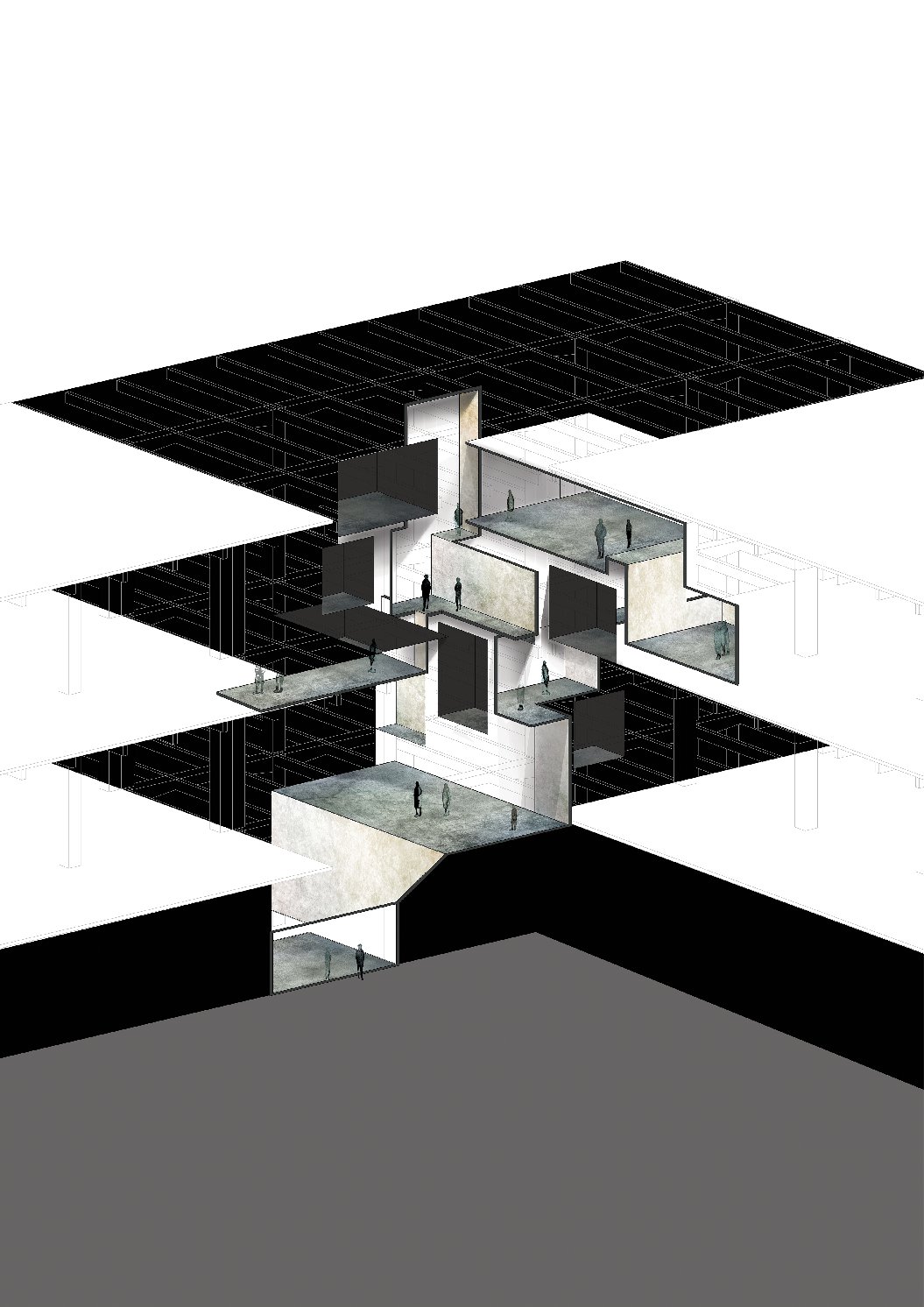
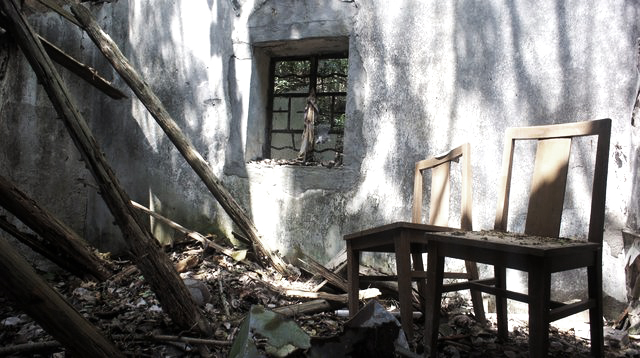
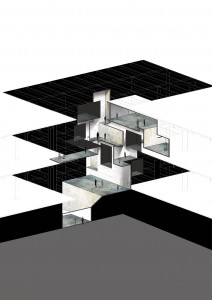
Permeable crack is intended to use the concept which is extracted from Peter Zumthor’s projects and tested with light, space, and material aspects to regenerate the abandoned district in the northeast of HongKong. The abandoned TV studio in HoChung is choosen to realize this thesis proposal.
Abandoned District in HongKong
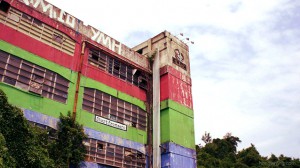 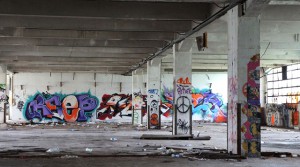 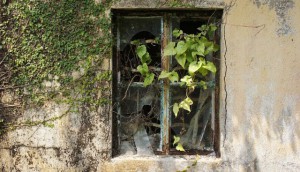 
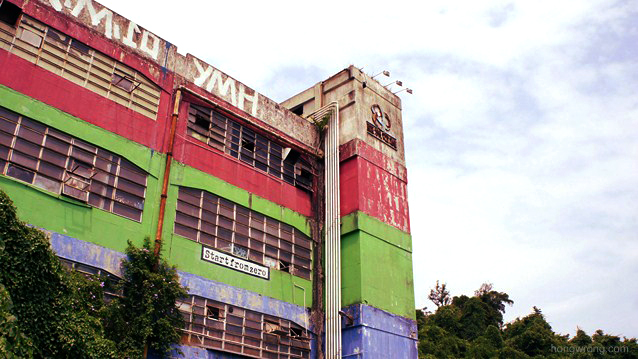
Before ‘Made in China’, there was ‘Made in Taiwan’ and before that, cheap toys, electronics and textiles poured out of Hong Kong. Because of the changes in industrial structure, abandoned factories are now scattered around the New Territories and suburban areas of Kowloon and HK Island.
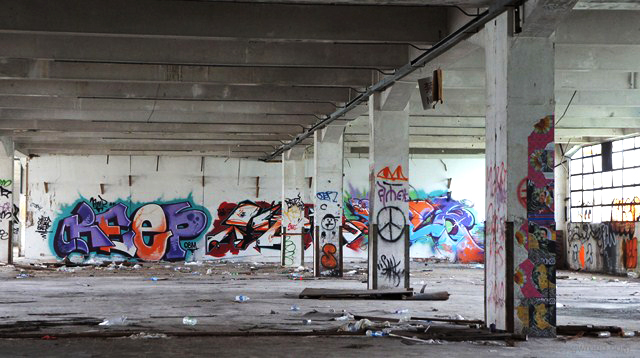
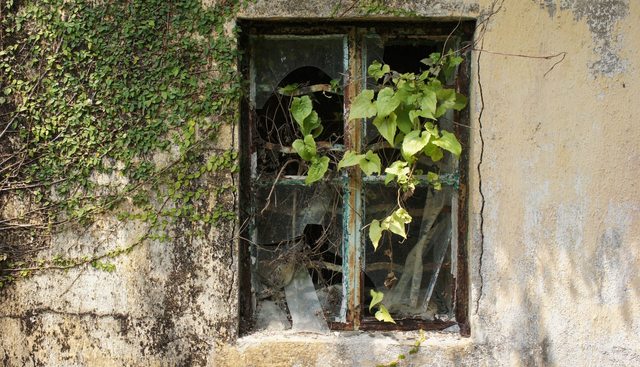
In Ho Chung, near Sai Kung Town, a multi-storey dying factory was converted into TV studios for local broadcaster ATV. Vacated in the 2000s, this huge urban space is now being reclaimed by nature (and graffiti artists).
Regenerated the Abandoned ‘Haunted’ TV Studios in Ho Chung
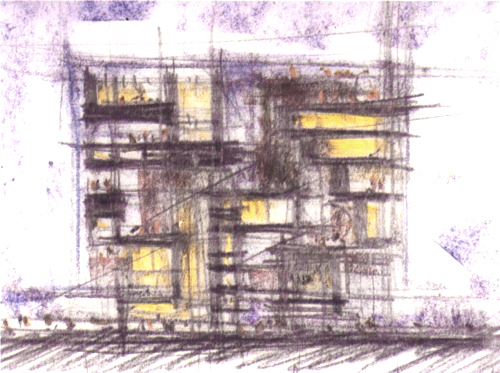
To exploring the forgotten corners of HK where nature is winning, the first thing to do is re-attracting the users. From urban level, reorganizing the road network to let the abandoned district easily accessible. For the individual building, permeable space with human activity interference to regenerate the abandoned building.
WHY?
Phenomenon
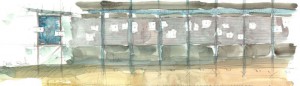
When faced with Peter Zumthor’s architecture, these words come into mind: phenomenon, atmosphere, feeling, light, coherence. These emotional words seem to be everything around, or on the contrary nothing specific. It is the magic of mystery that evoke my passion to get in touch with, discover and practise the field of phenomenon architecture.
Space Tension
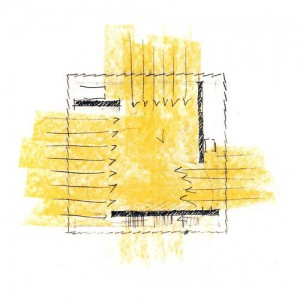
After getting into the Peter Zumthor’s architecture world further, the conceptual drawings of three projects catch my eyes: the tension between architecture boundaries. In the designs of Kunsthaus Bregenz, Thermal Bath Vals, and Home for Senior Citizens, architecture becomes a media to interact with the objects around. Features like light, water, sound etc. could permeate into or wandering around the architecture.
Permeable Crack
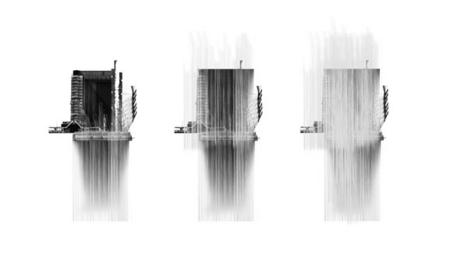
Small cracks in the newly constructed building could let the sunlight, wind get into it; larger cracks is a opening to the surroundings will get people or animals in. These permeable space becomes a media for users to contact with the nature, communicate with surroundings; and time passed, people could even hardly recall the designer or the appearence of the architecture, but he or she will remember which couryard they basked in the sunlight, which corner they drenched in the rain or which path they chat with the old friends. At this moment, permeable space becomes a media of time and memory. The difficulty of controlling the permeable crack is to balance the relationship between nature and human activities. Because excessive use will cause building overload, and excessive uncontrolled nature interference will lead to the abandoned.
HOW
Permeable Light
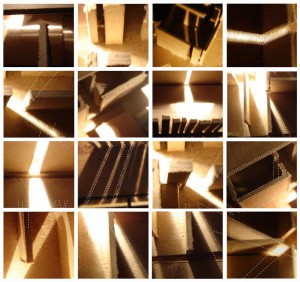
To plan the building as a pure mass of shadow then, afterwards, to put in light as if you were hollowing out the darkness, as if the light were a new mass seeping in.
—— Peter Zumthor, Atmosphere
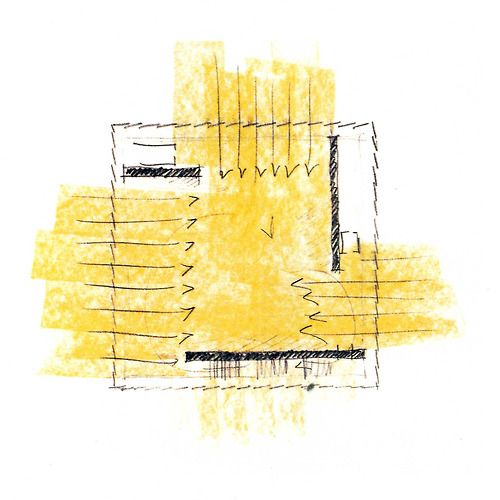
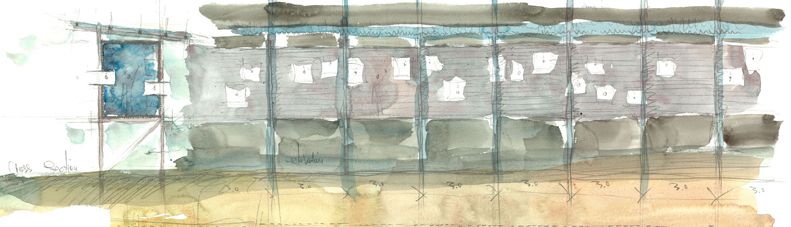
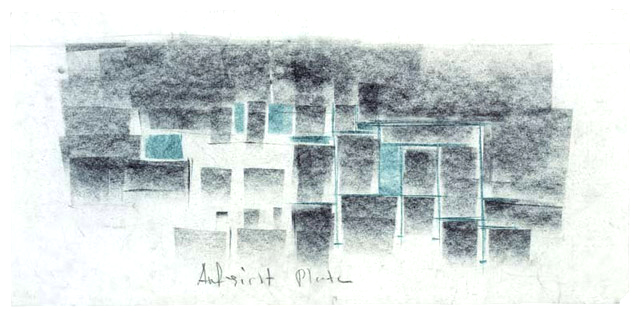
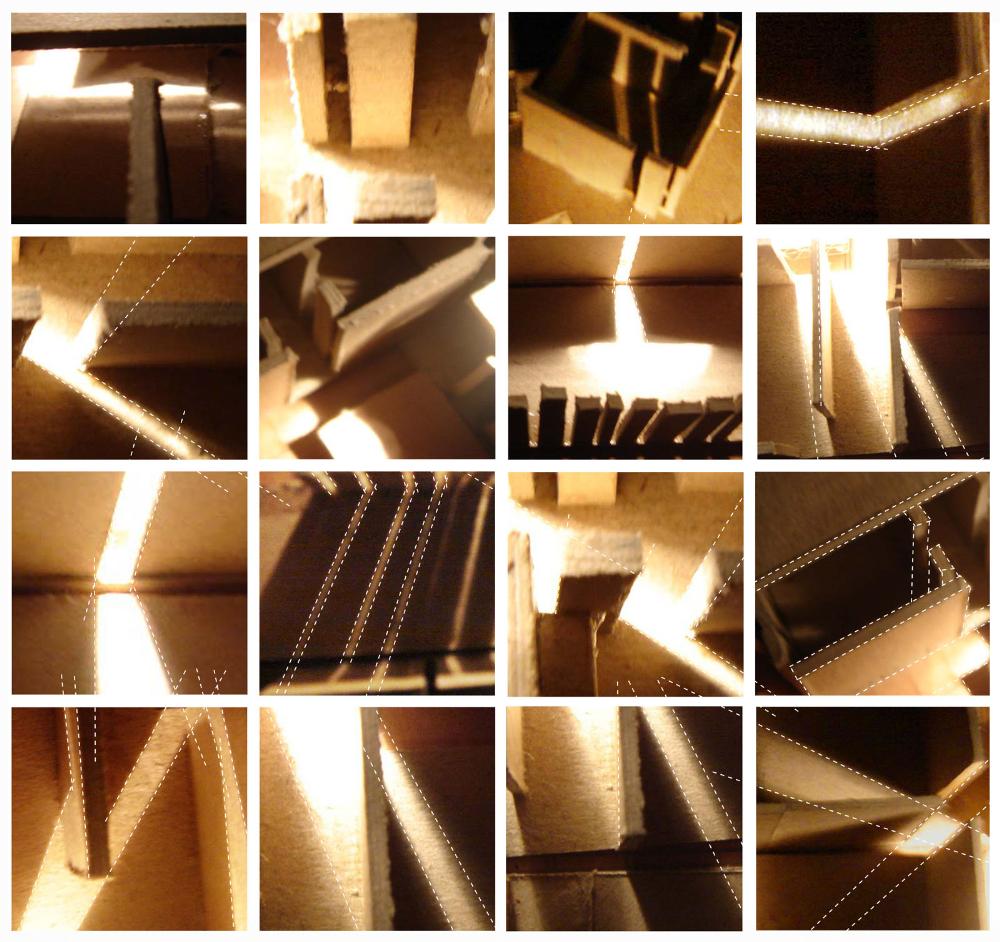
Firstly, using light as a media to test the smaller cracks on the building mass. Conclude several methods designing with walls, slabs to capture nature elements.

Permeable Space
Permeable space also means more dynamic space with mobility and activity. Learn from the projects which have these characteristics, such as Laban Centre for Movementand Dance designed by Zumthor, organize the permeably vertical and horizontal circulation and create permeable network to contain human and nature interference.
Permeable Material
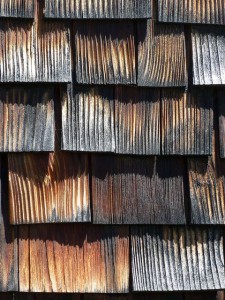
To choose the materials in the knonwledge of the way they reflect and to fit everything together on the basis of that knowledge.
—— Peter Zumthor, Atmosphere
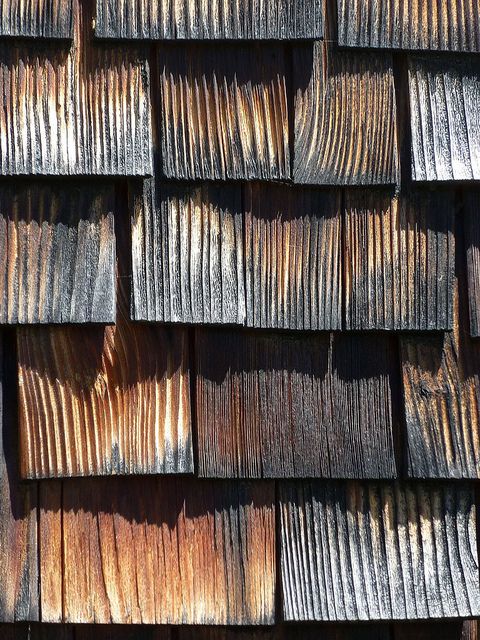
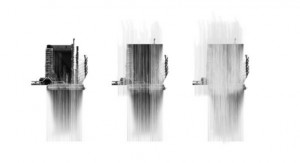
Learn the material qualities of transparent or semi-transparent glass, wood, and rock and try to combine material with gaps to create a new permeable skin type.
BIBLIOGRAPHY
1. Christian Norberg-Schulz, 1965, Intentions in architecture, The M.I.T. Press
2. Christian Norberg-Schulz, 1971, Existence,space and architecture, Praeger
3. John Lobell, 1979, Between Silence and Light, Shambhala Publication
4. Peter Zumthor,1998, Peter Zumthor Works, Lars Müller Publishers
5. Peter Zumthor, 1999, Thinking Architecture, Birkhäuser
6. Peter Zumthor, 2006, Atmosphere, Birkhäuser
7. Juhani Pallasmaa, 2012, The eyes of the skin,Chichester
8. Muḥammad Riz̤ā Šīrāzī, 2014, Towards an articulated phenomenological interpretation of architecture : phenomenal phenomenology, Abingdon, Oxon.
|