RESPONSIVE ACTION to Human Coexistence
 ARTIFACTS
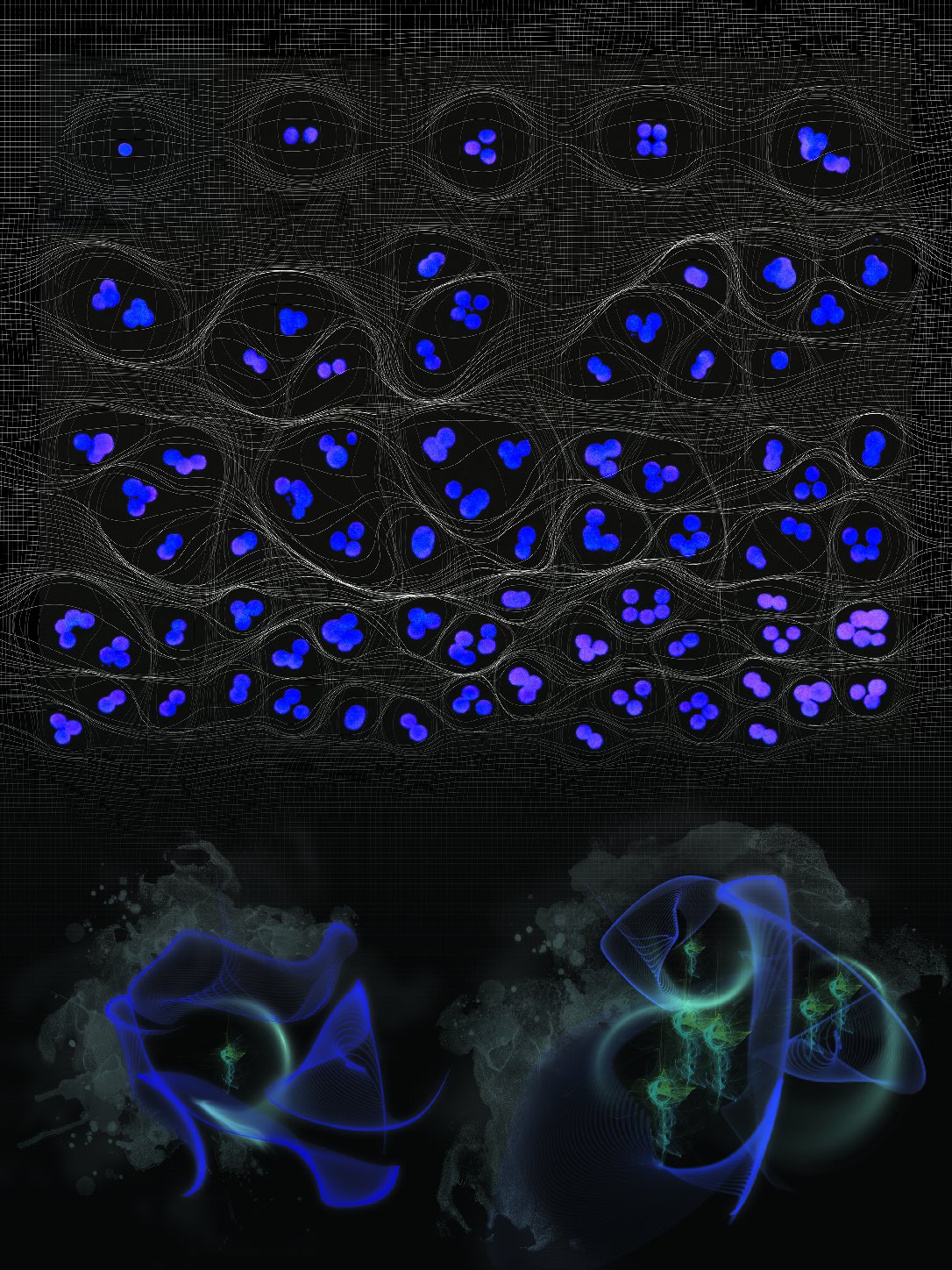
What? An unplanned pavilion is not presumed for number of people and activities. This is a big empty space with indoor and outdoor quality in a densely populated city. The human distance measurement and duration of motion will be various in related to local culture and model of living. To best suit the fluctuant change of human context, the reconfiguration action would not be restricted to certain grid or certain shape or certain architectural elements such as wall, floor, ceiling. The boundary could be flexibly reconfigure to facilitate various number of occupants in various grouping. It is a temporary medium to take an immediate action to create a space. The medium will act as a separation to potentially reduce the actual space for isolation between groups of people or activities. Traditionally, the movable partition or chair will be applied at the multi-function area. But this insertion shall be more illimitable than Why? ‘How many people are too many?’, the social life of small urban spaces by William H.Whyte. Most of the architecture spaces are practically made an assumption for certain number of occupants. Besides, the multi-function space is fade specified by limited flexibility. From the social life of small urban spaces by William H.Whyte, the people in public space How? 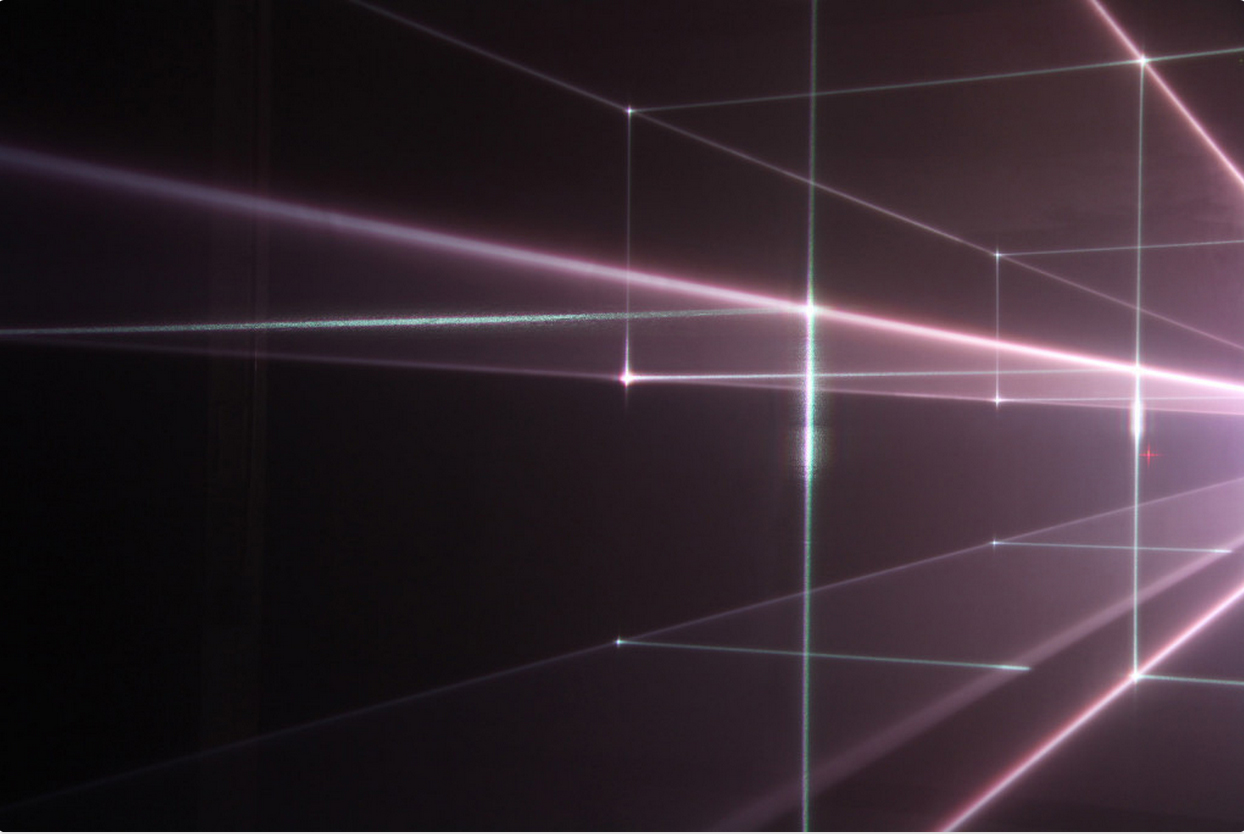 Drawing In Space, Jeongmoon Choi, 2011  BMV Kinetic Sculpture, Joachim, 2008
The research will be in two parts. The first part will focus on the passive issues. Firstly, the pattern of people in current unplanned spaces will be observed and documented. Then, it will define the perimeter of local habituate space in term of distance or habit for certain activities. The second part will focus on active issues. The research on the experimental medium for the separation of space will be execute at the designed pavilion as a prototype. The Human response to the medium by presumed conditions will be tested Bibliography 1. William H.Whyte, 1980, The Social Life Of Small Urban Spaces, |