Revolutionary Windowscape Era
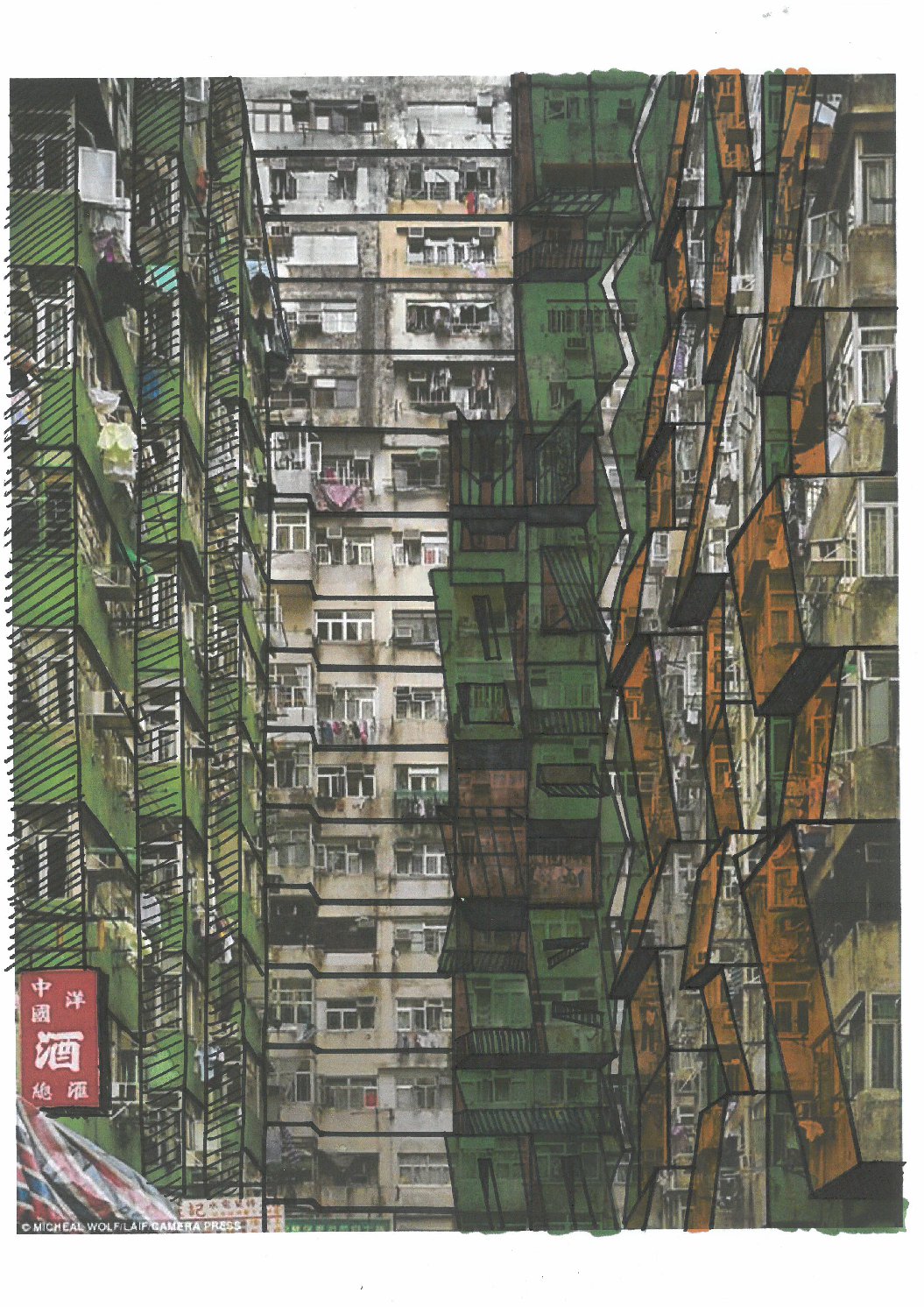 New Windowscape – Who is reacting to whom? Does the window influence the person or the person influence the window? “What concerns me is that the individual person becomes less and less important in building or in the city. We hand over the whole responsibility to companies or architects. We walk around through our cities feeling that we have not made them or had a say in how they are made. We are reduced to mere bystanders, mere ‘users’…” WHAT 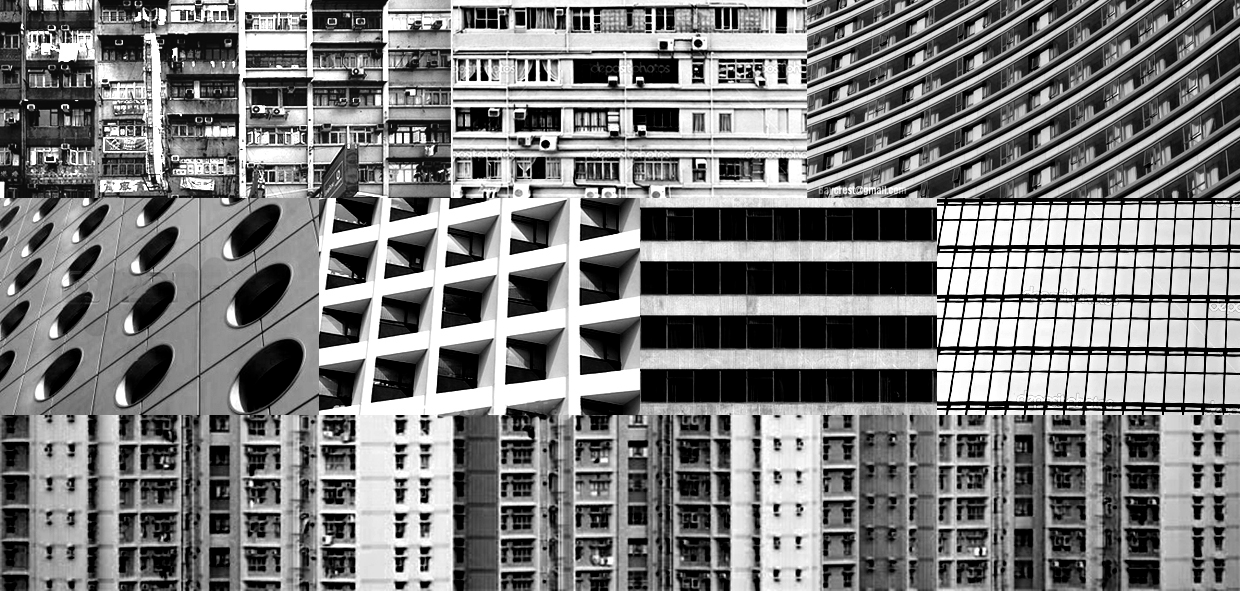 Windowscape in Hong Kong Trace back to the history of windows were just holes in a wall in its earliest time, which is an essential component of architecture that offer light, view and ventilation. Yet such aperture constructed in a wall or roof to an enclosure underlying a very important role: a mechanism for engagement that provide communication and a controlled connection between the interior and exterior. Take a walking tour from any part of Hong Kong can always bring you a glimpse at the cross-section of its uniquely local life – overdosed repetitive and standardized windowscape, where window is regarded as an object that being framed and spanned with glass mounted. Looking at the evolution of windows after the presence of The Crystal Palace, from the influence of Le Corbusier’s free design of facade to the invention of curtain wall system; the necessity for operable facades has diminished as the environment is generated from within with the advent of technology nowadays. Over time, we have been neglected the potential of windows can bring us, my thesis intends to rediscover and examine the value and rich experience that they offer to both individually and socially – identify the significant of windows, and reveal their appeal as a way to contribute to the betterment of architecture, cities, and society which has been underrated for centuries in modern architecture theory through the development of windows. “Architecture itself had begun ‘when the walls parted and the columns became,’ admitting light and creating a system of support at the same time.” WHY
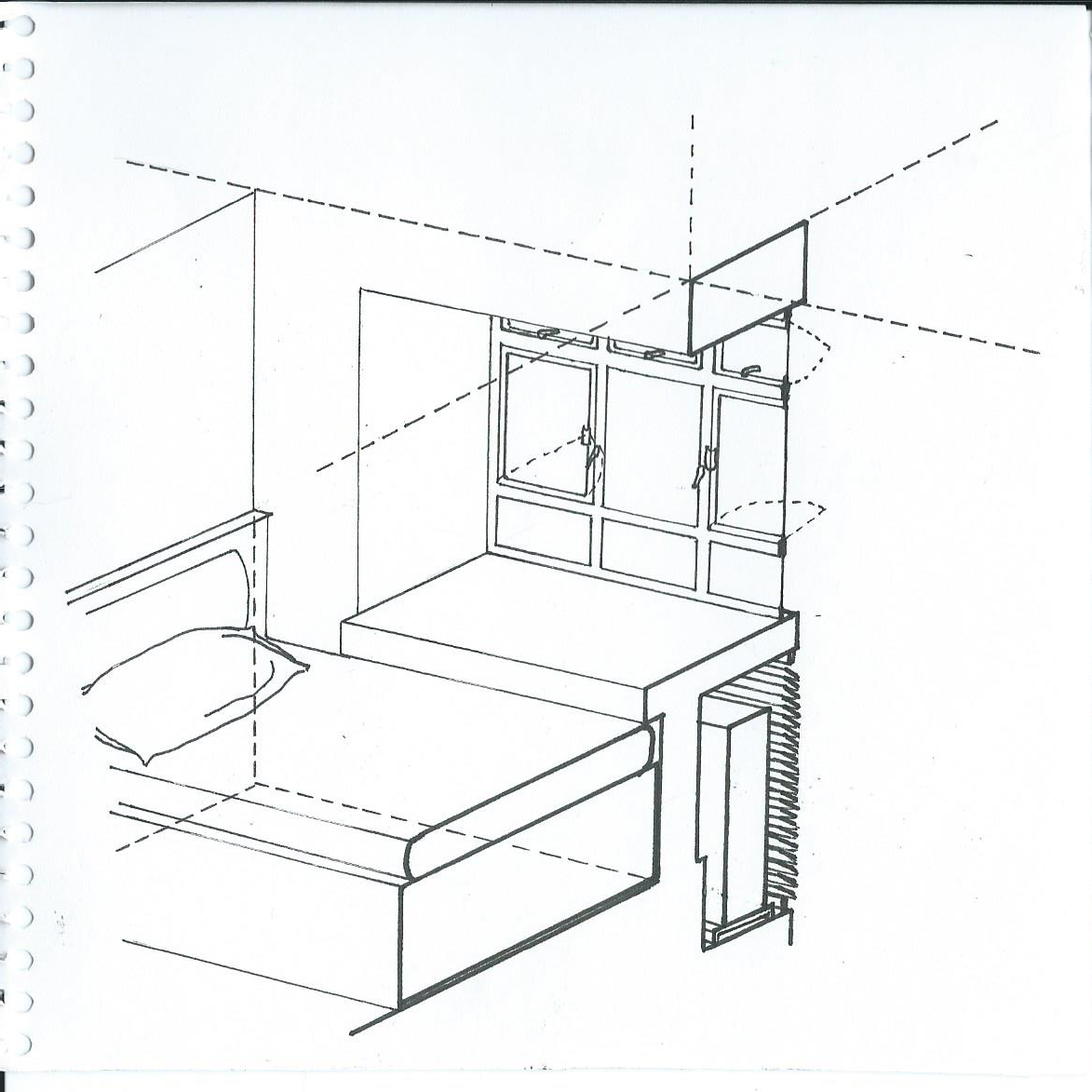
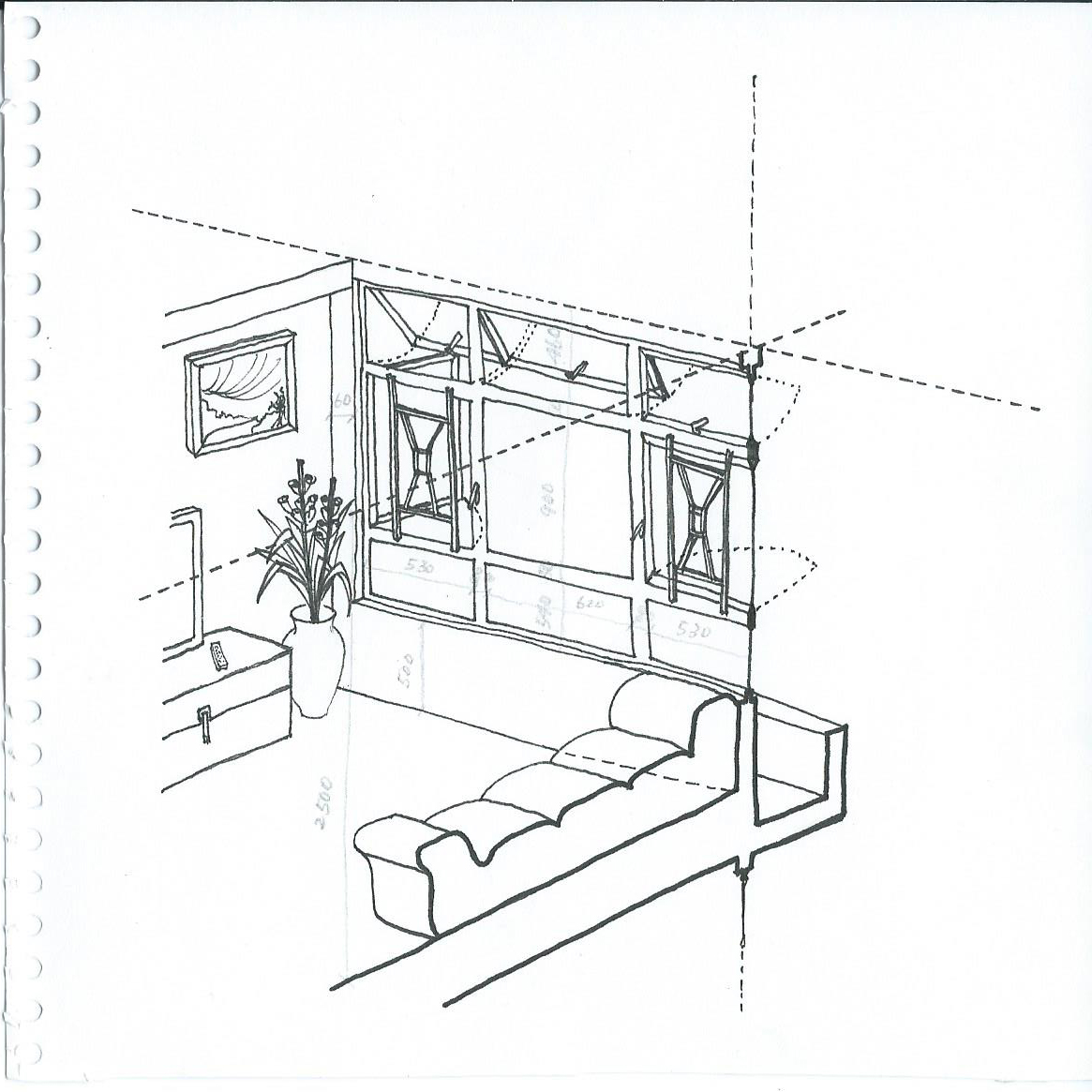
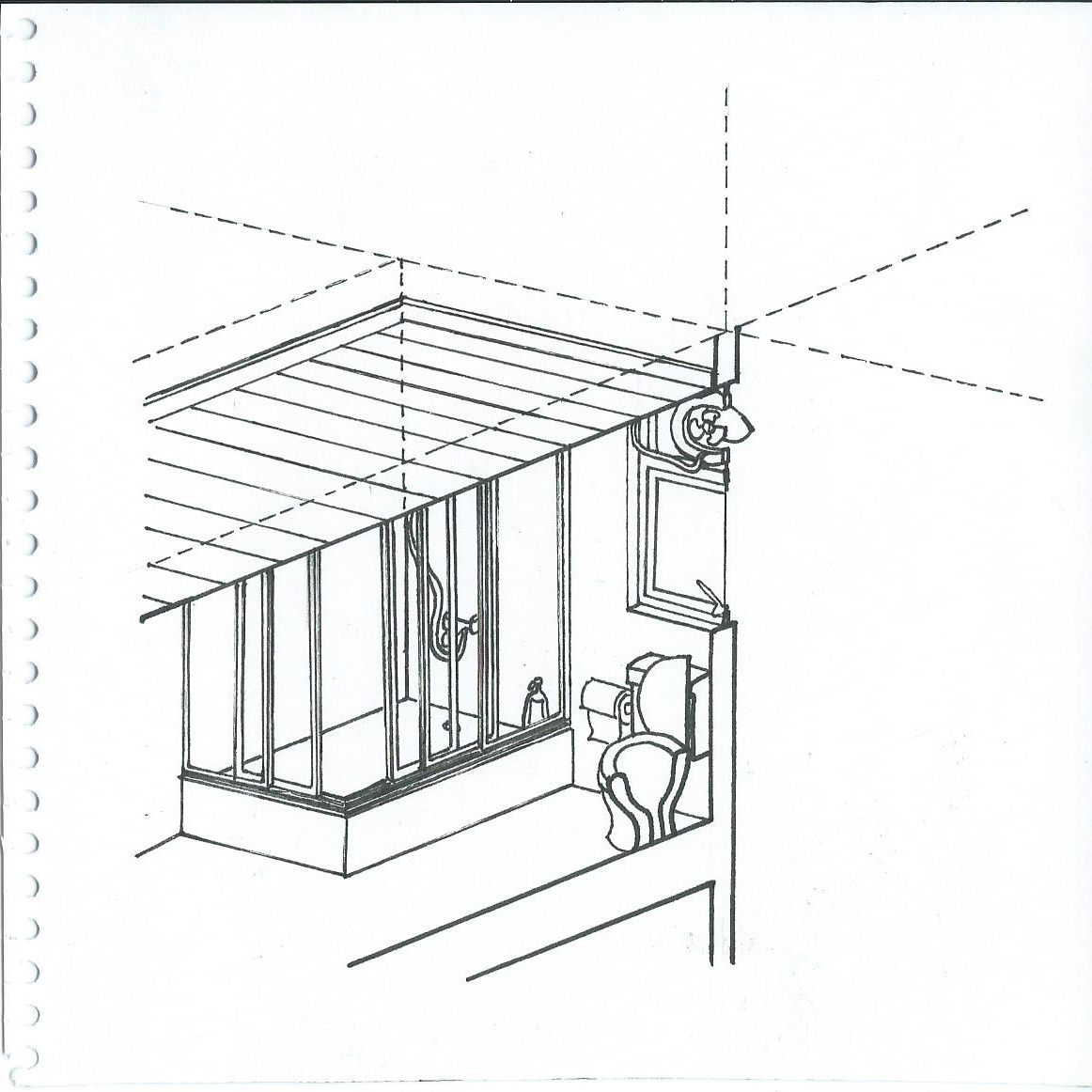
 Hans Peter Worndl, Gucklhupf 1993, Mondsee, Austria. Designing a sensitive and operable pilot modules for the 3 types of habitation space (living, resting, washing) to experience the integration between human behaviour, nature and community. Redesign the windowscape and tectonic changes beyond the envelope in accordance with the test out new formations of pilot modules in Mei Foo Sun Chuen. The implication of the research could expand both horizontally and vertically to develop new kinds of windowscape within the city: window is a perceiving subject that not only reacts to its surroundings, but also engages in dialogue with it; as it breathes, pulsates, and answers to the presence of the habitats. “My work has no object, no image and no focus. With no object, no image and no focus, what are you looking at? You are looking at you looking. What is important to me is to create an experience of wordless thought.” HOW 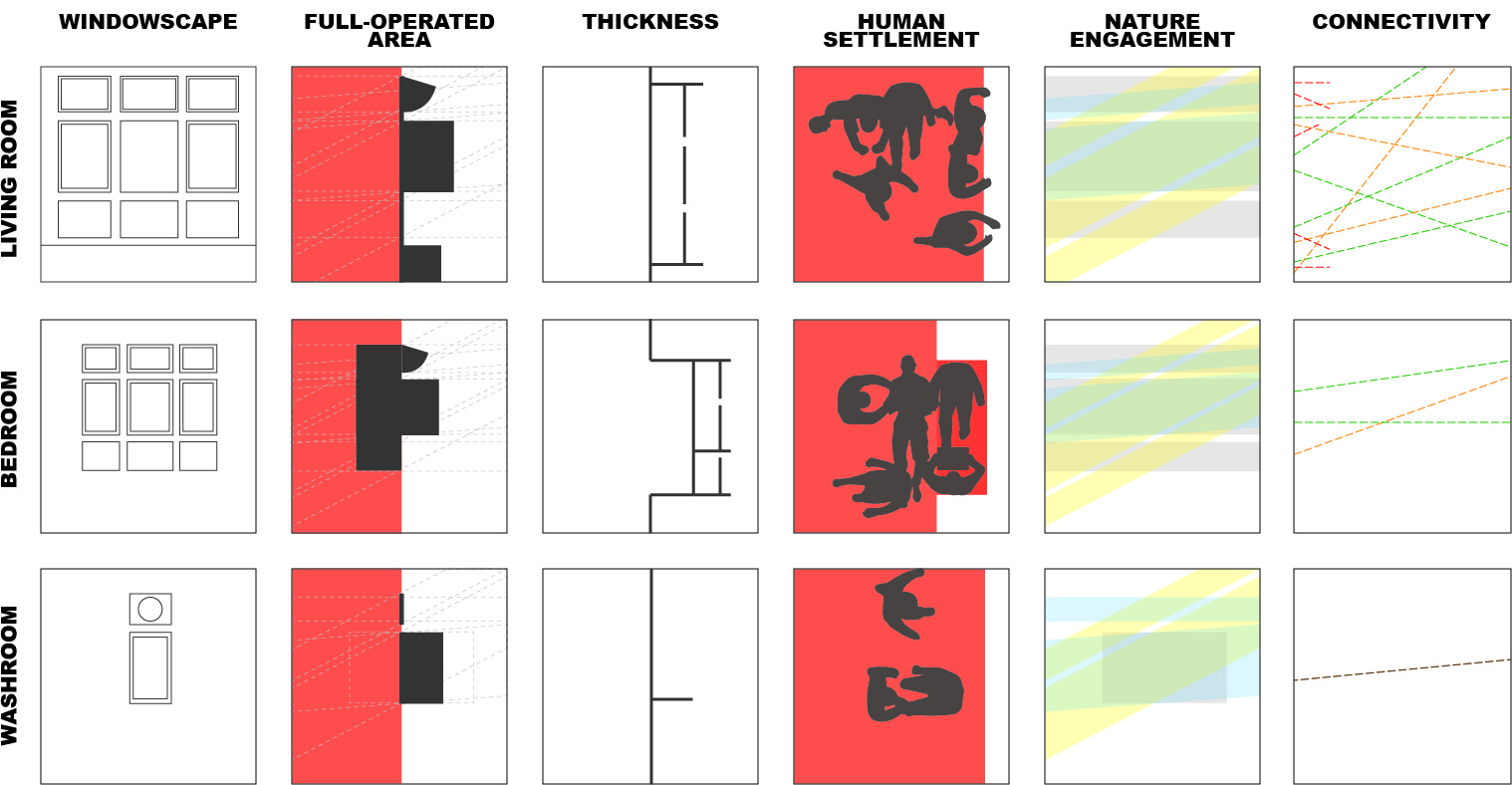 Human behavior and connection along windows Starting with case studies in analysising 8 specific works by arhcitects and artists in representing 8 definitions of window with a series of wall sections, elevations, photographies, and/ or material studies. “Frame”, “Volume”, “Passage”, “Oculus”, “Chasm”, “Gap”, “Valve” and “Veil”[1]. Then study the 3 key “revolutions of window” in history: The Crystal Palace starting the new page in widely use of glass as building material in 1851, Le Corbusier’s Five Point of Architecture of the free design of facade and ribbon windows in 1926, and The Lever House featured the first curtain wall skyscrapper system in 1952. Compare the evolution with a series of plans, wall sections and technology involved. A series of sections and elevations of 5 different types of housing estates in Hong Kong in different period: Nga Tsin Wai Tsuen ,1352 (walled village in Wong Tai Sin); Shek Kip Mei Estate, 1953; Mei Foo Sun Chuen, 1965; Yau Oi Estate, 1979; and Festival City in Tai Wai, 2010. Produce a series of photo montage documentaing the top and side elevations of the 3 scenarios of how window acts as a communication media: living room, bedroom and washroom. And lastly design the 3 pilot shcemes and yield a collective of models expressing the communication network of window engagement within Mei Foo Sun Chuen. BIBLIOGRAPHY NOTES |