The Contested Corner
 The Contested Corner: Scaless Corner Models THE CONTESTED CORNER 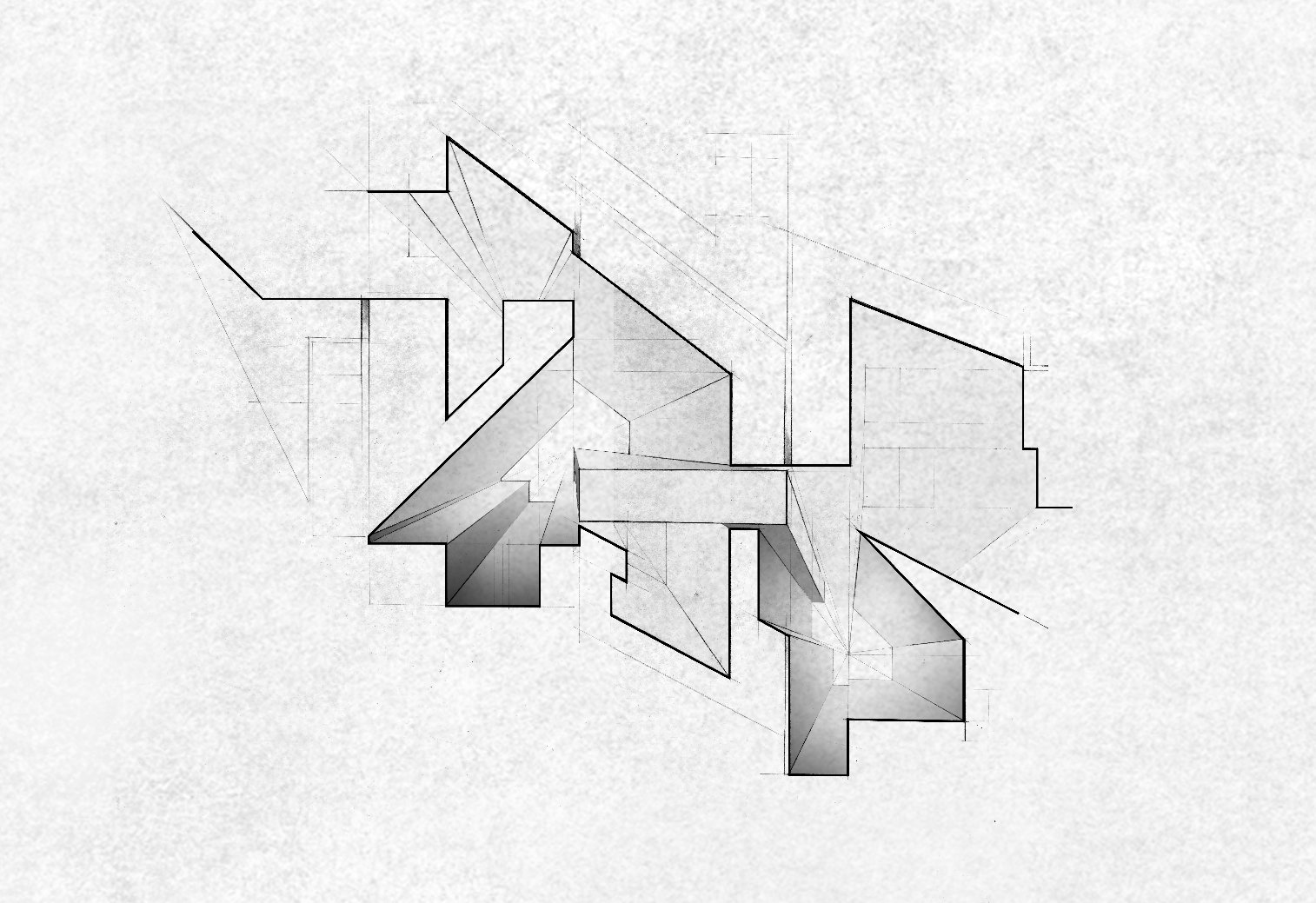 The Contested Corner: Open Corner Concept WHAT The Winnipeg Canadian Pacific Rail Yard is a site rich in history, shroud in social dynamics and is in need of re-development. My thesis will attempt to use this site as the testing grounds to provoke form within the context of corners. The site provides the framework for internal programming: an artist’s hub, small display galleries, and learning laboratory, which are lacking within the selected areas the larger site. The intervention of built form will serve as a prototype to explore the conditions of the predetermined corner and allow for the investigation of perspectival sculpted forms. The building form will be dictated architecturally by rotational perspective and its main focus will be the mediation between the pedestrian and their relation to the corner. Similar, to Gordon Matta Clark’s Conical project, the thesis aims to bring our understanding of the corner condition into new light. Visually, the materials used will be a combination of corten steel, concrete, and wood, elements already present on the existing site. The concept of the new space will act as a catalyst for social programming and provide an additional medium to explore the space of a corner as an open system. 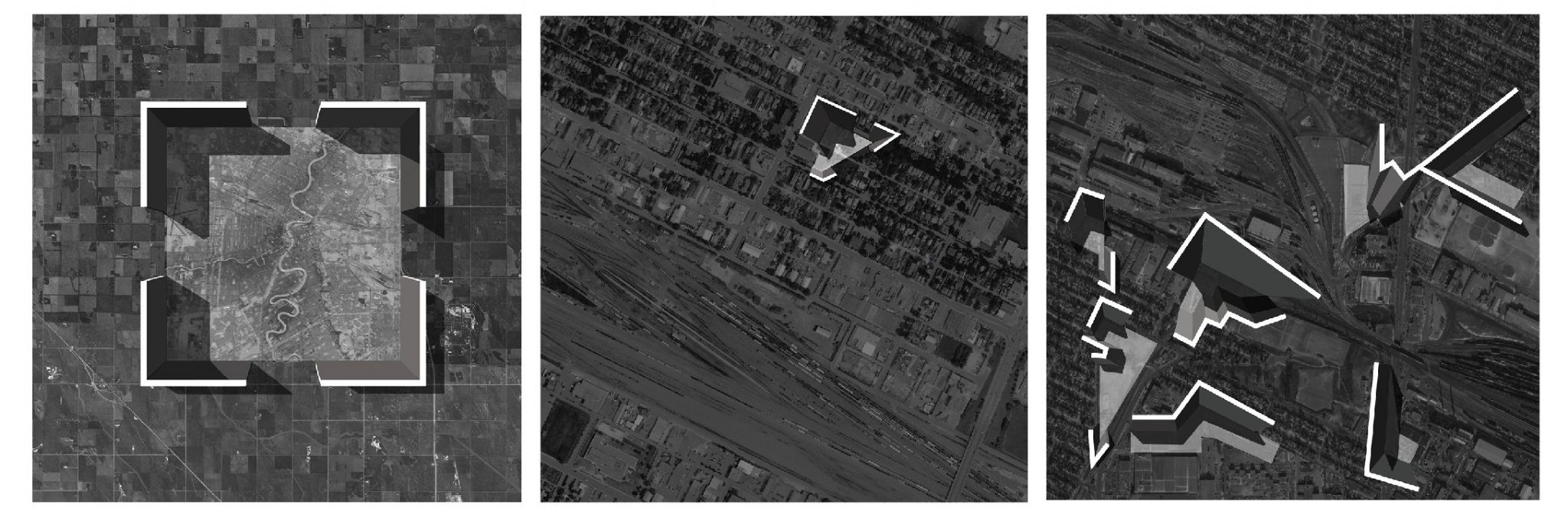 Contested Corner: Identification of Corner Conditions WHY The thesis sets out to investigate the spatial diversity of the Contested Corner. It attempts to shed a new perspective on the corner condition, not as a junction of planes but also an assemblage of spatial qualities and characteristics. The thesis identifies the spatial qualities of the corner in a non- scaler manner, one of a metaperspective, urban perspective, building scale, furniture scale and detail scale. By problematizing the instance of the corner, the thesis encourages a shift in perspective of boundaries, what is interior and what is exterior, as well as investigates, studies, and questions the form of the contemporary corner. The thesis aims to depict an alternative understanding to the relatively simple element of the corner. It attempts to challenge the understanding and perspective of the corner condition not as a given 90 degree by 90 degree by 90 degree instance, but one that has the opportunity to provoke the understanding of space and form. 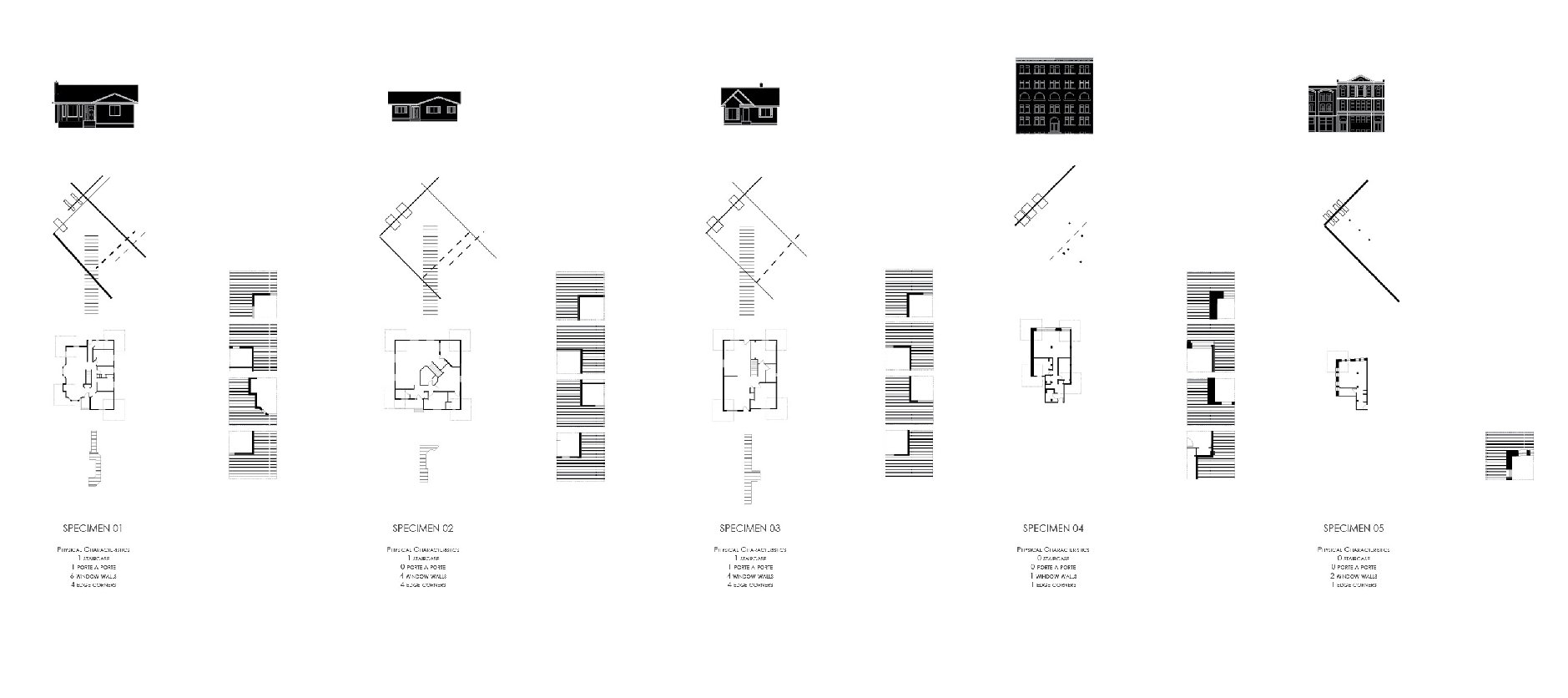 Contested Corner: Housing Typology Investigation HOW This thesis will explore the characteristics of the contested corner, not as a point in which planes intersect but as a condition of space. The intention of this investigation is to develop an alternative means to experience the corner not as a an environment bordered by several planes but one of an open condition with the attributes of enclosed space. 1. Explore and map out Urban corners in the context of the city 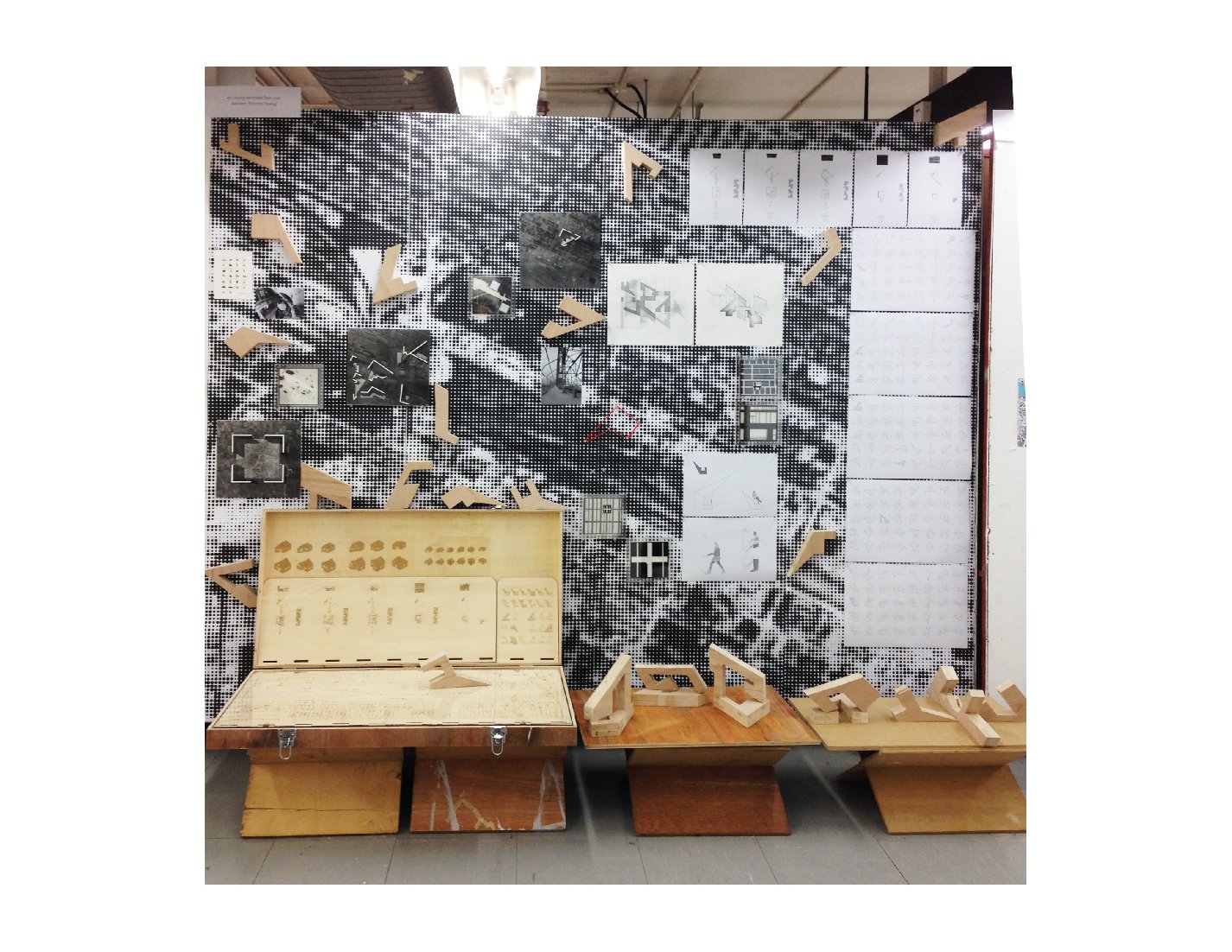 Review 2.0 BIBLIOGRAPHY Architecture and Disjunction, by Bernard Tschumi, The MIT Press Pamphlet Architecture #5: The Alphabetical City, Princeton. Architectural Press, 1995. Albertini, Bianca, and Sandro Bagnoli. Carlo Scarpa Architecture in Details. Cambridge, Massachusetts: MIT Press, 1988. Diserens, Corinne. Gordon Matta Clark. London: Phaidon, 2004. |