|
CCHU 9023
SHAPING
THE LANDSCAPE A Quest for Harmony between
Nature and the City |



|
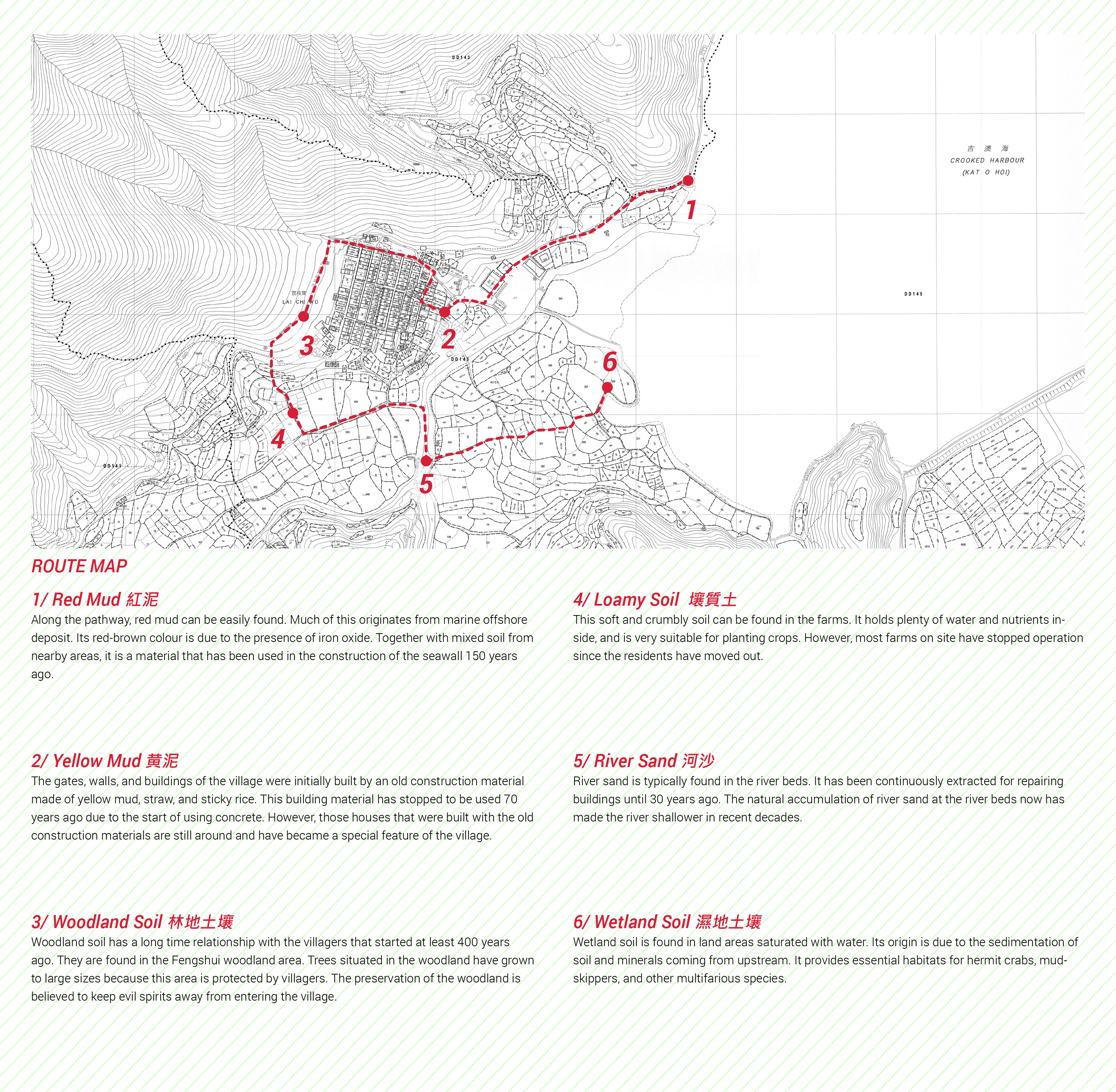
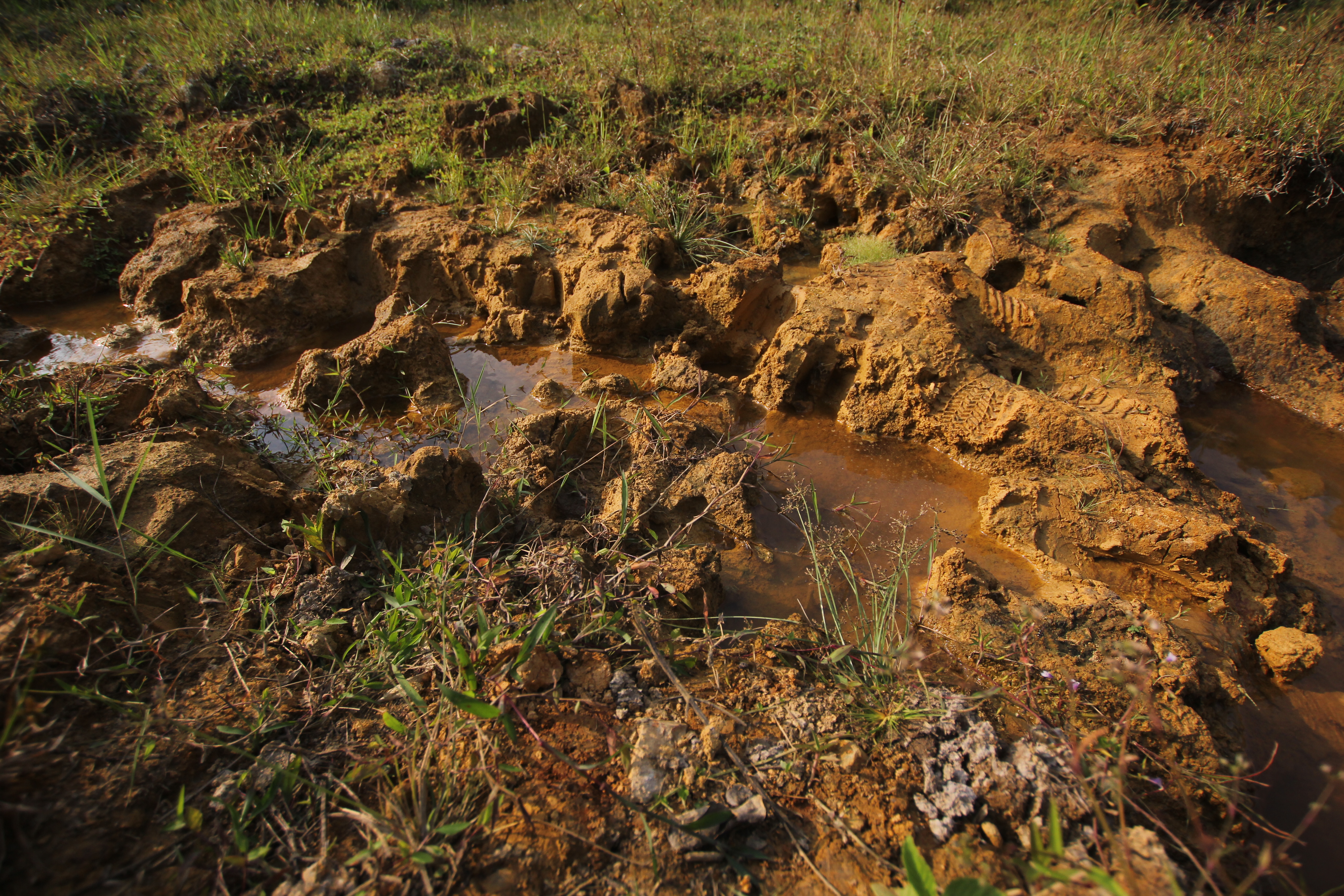
Soil is one of the basic elements on Earth. It takes hundreds of years for the rock to create about one centimeter of soil, which varies both horizontally and vertically, showing a diversity of power and history that creates each piece of land. Soil endures and absorbs all natural and manmade impacts. They are far beyond just the yellow or brown dirt that we thought of! This topic aims to reveal the story under the surface of this land, and how this basic element relates to the culture and heritage of people.
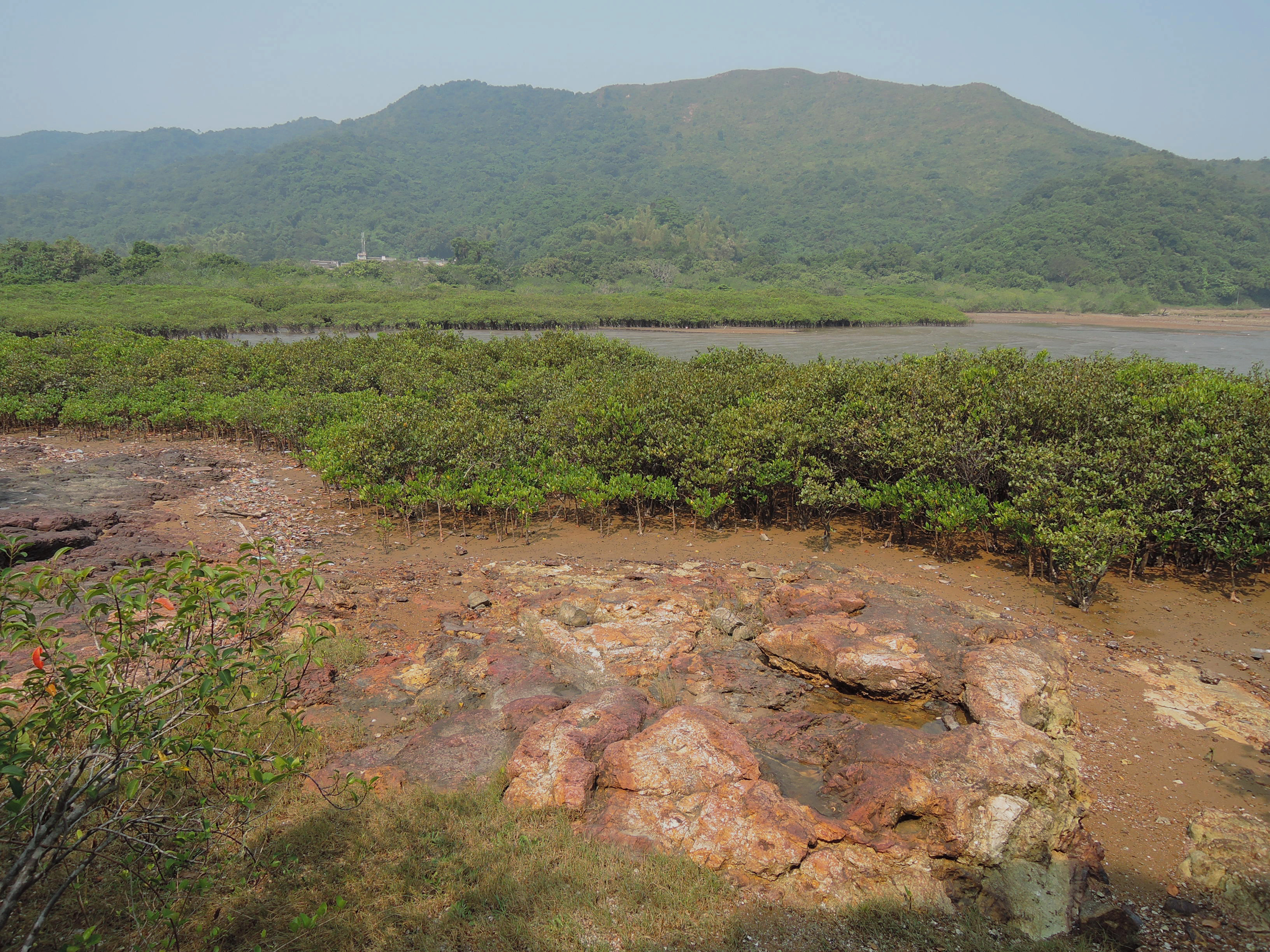
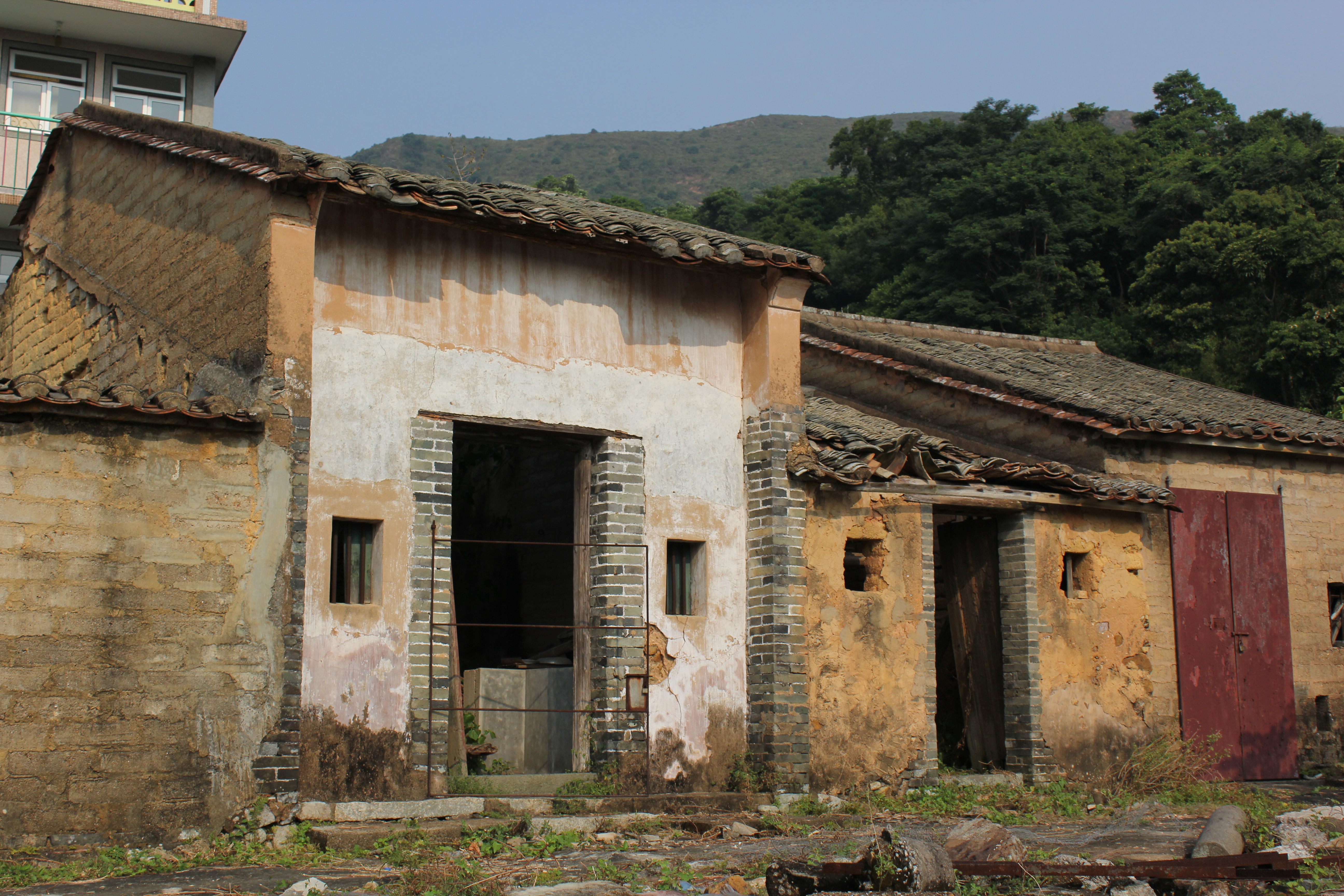
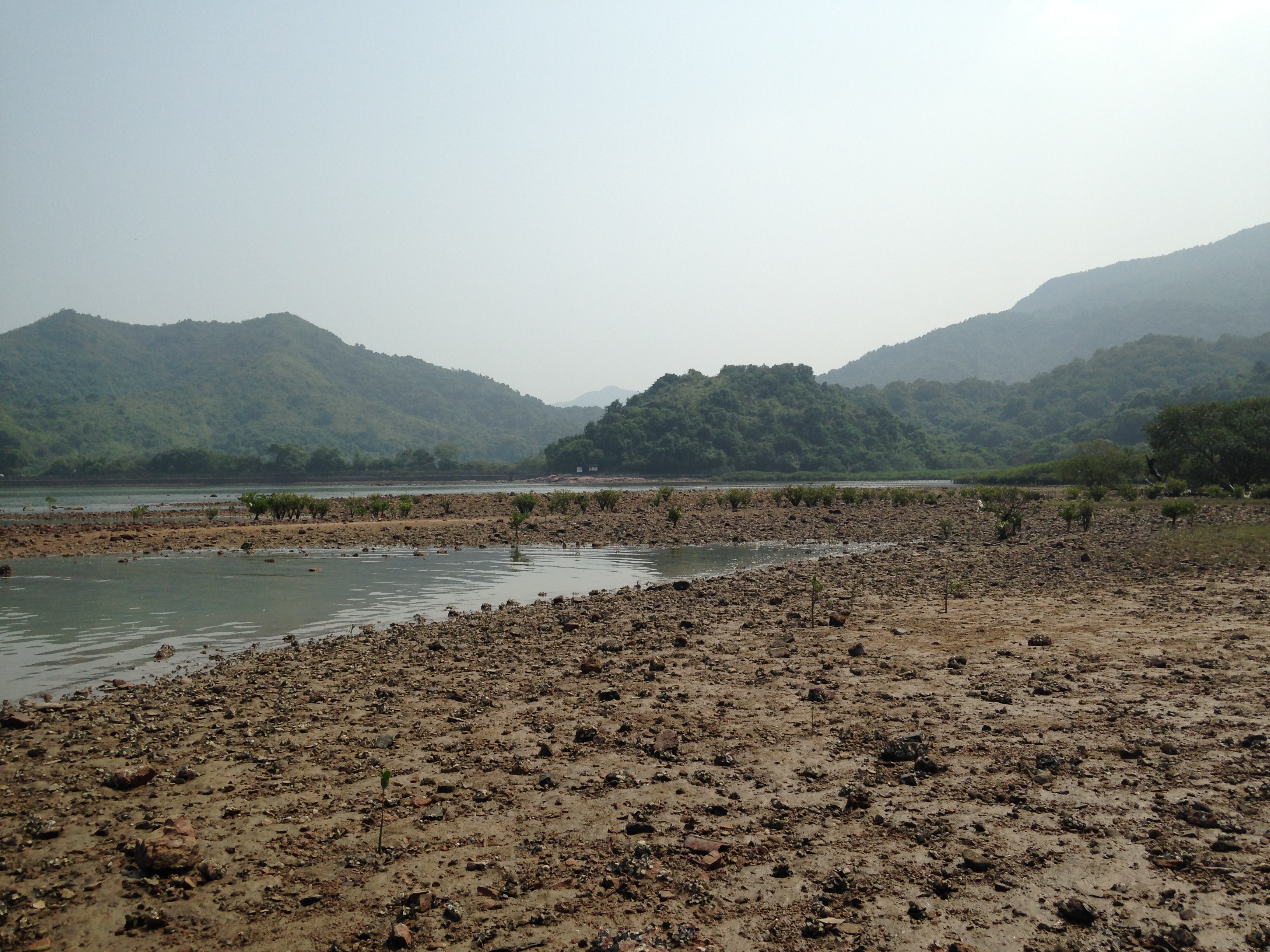
Lai Chi Wo was once the largest and most prosperous Hakka villages in the Northeastern part of Hong Kong’s New Territories. The surrounding landscape and the natural environment had provided the villagers a comfortable shelter for many years. In addition, the ecosystem also enabled the villagers to farm in a self-sufficient manner. With this important historical and cultural background, we are investigating the bond between the people of Lai Chi Wo and one of the most essential natural elements that hugely contributed to Lai Chi Wo’s past prosperity, the soil.
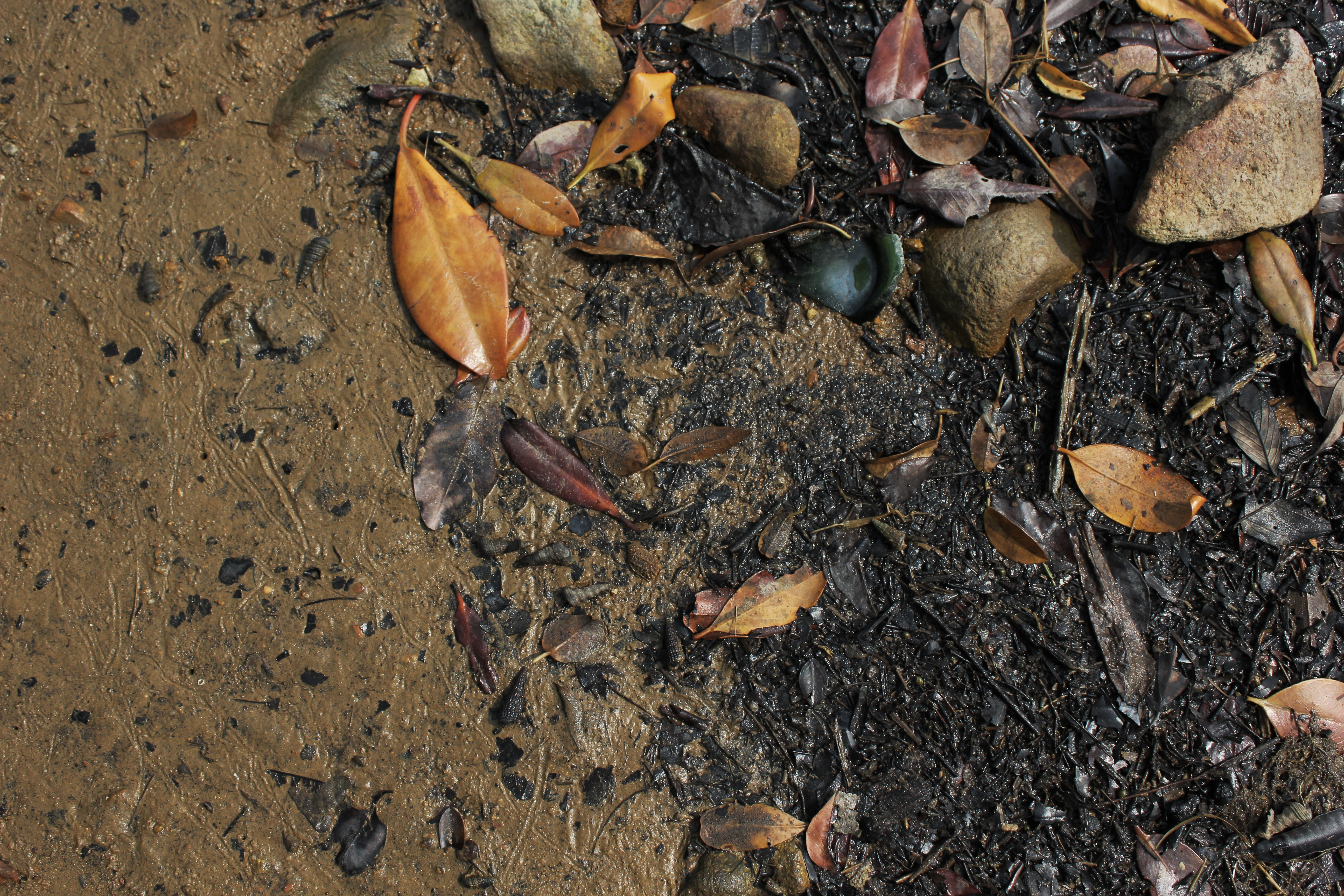
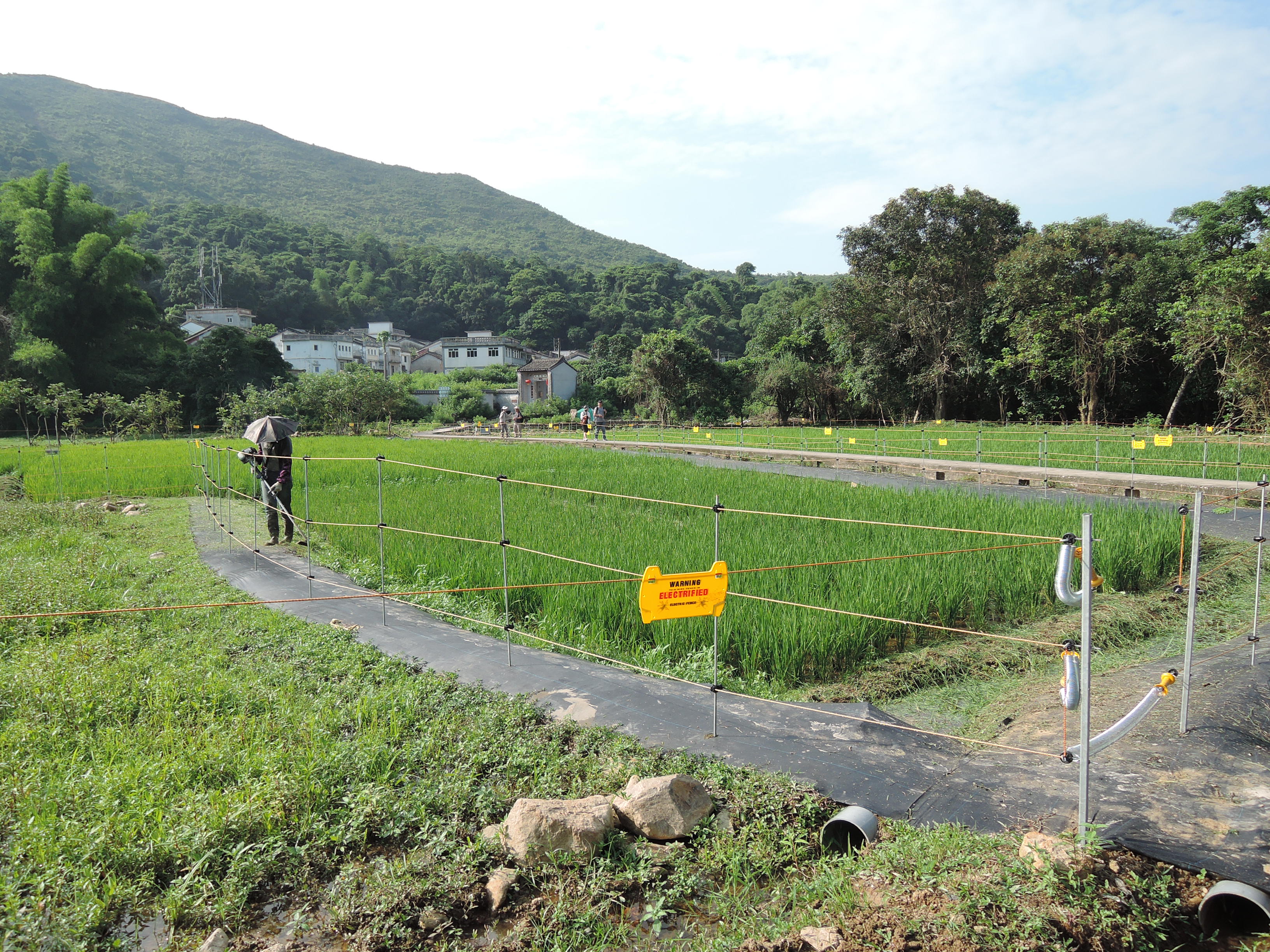
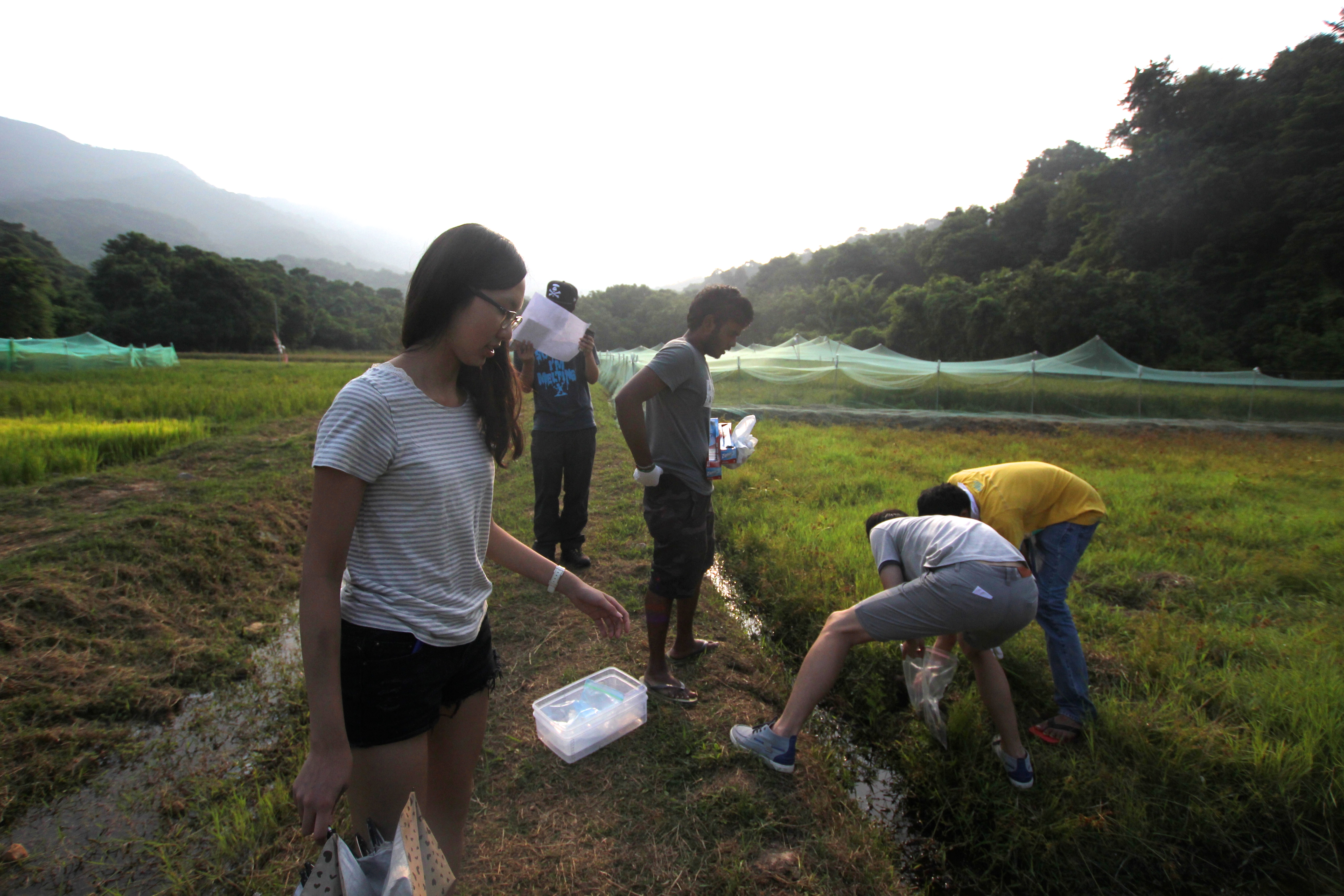
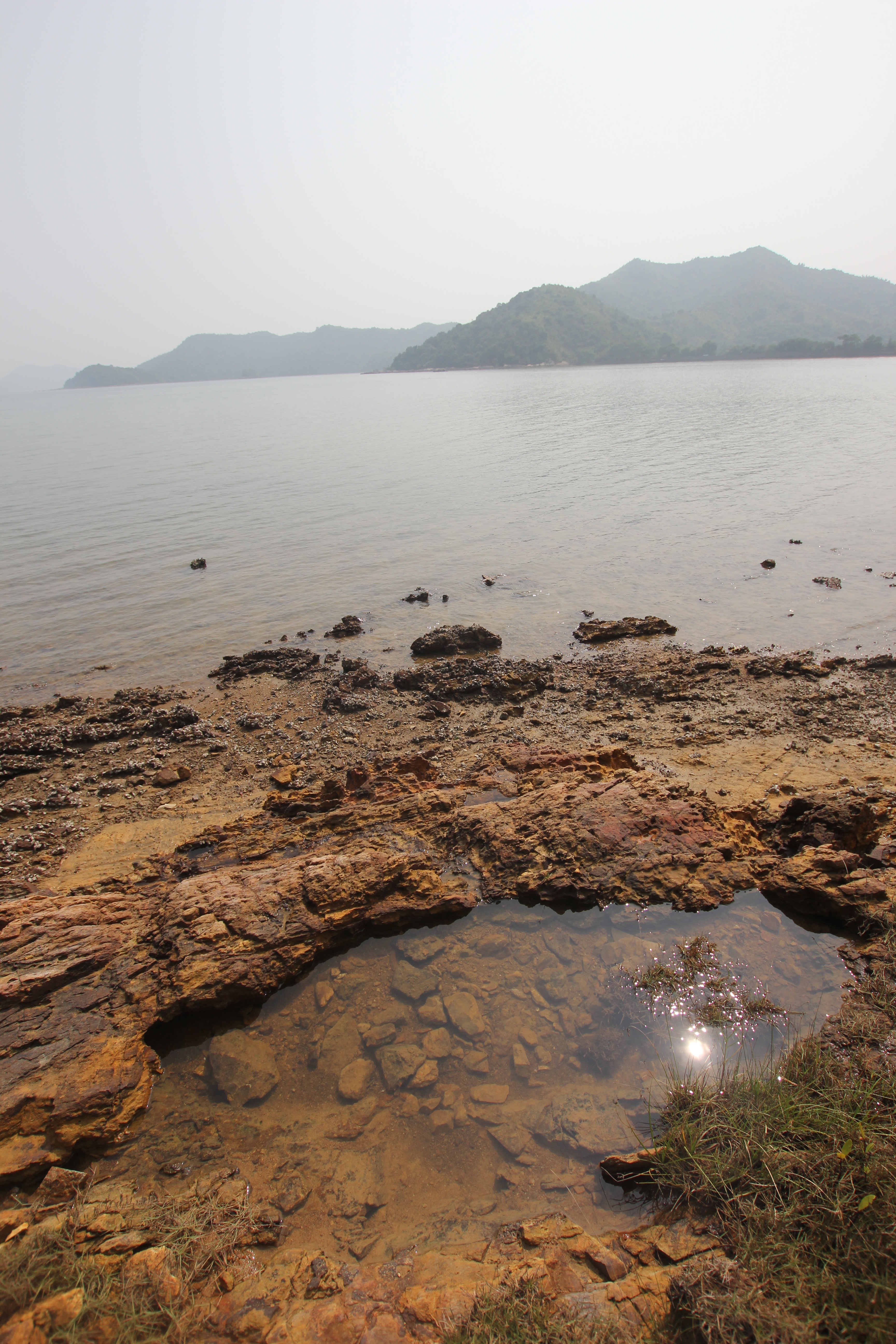
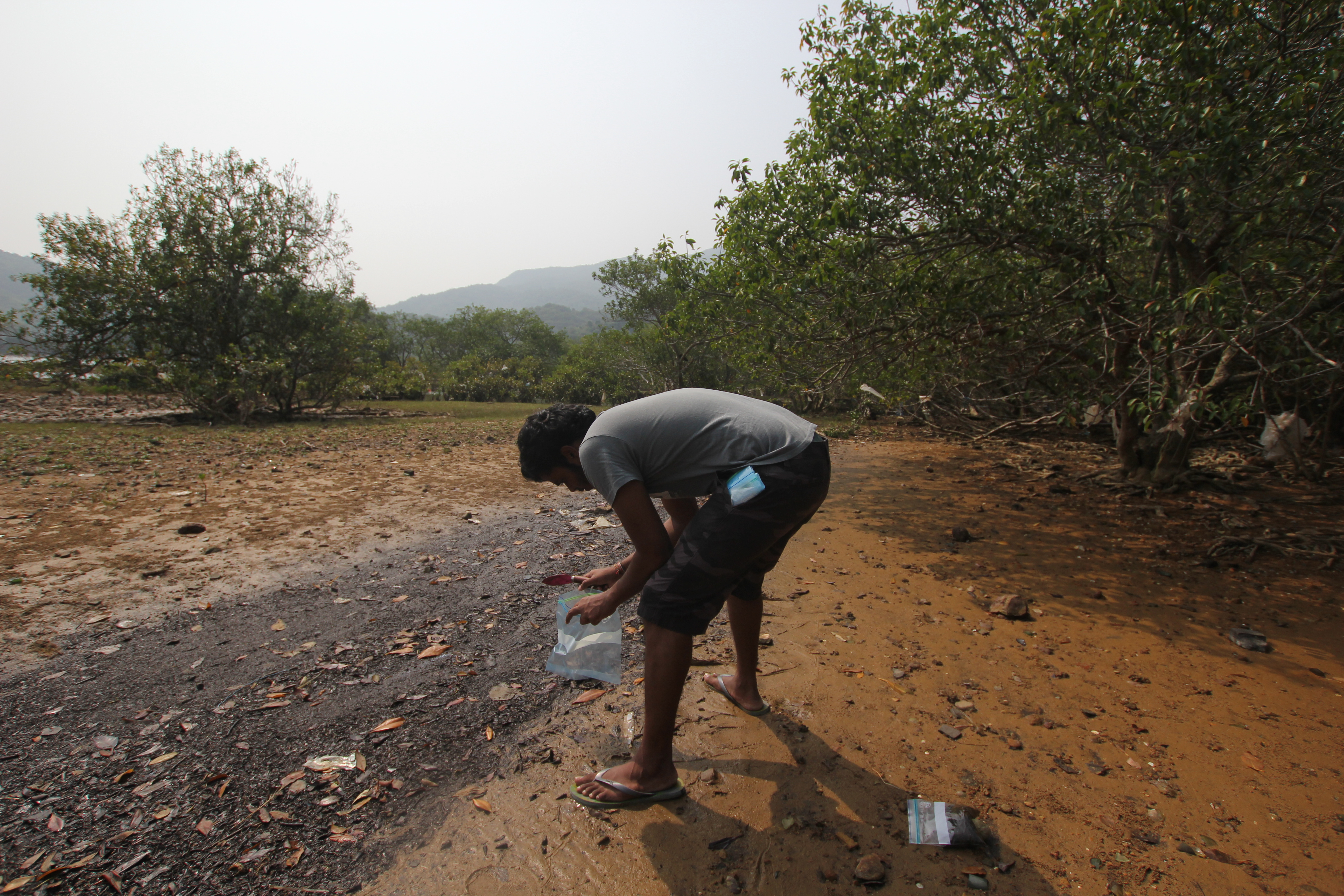
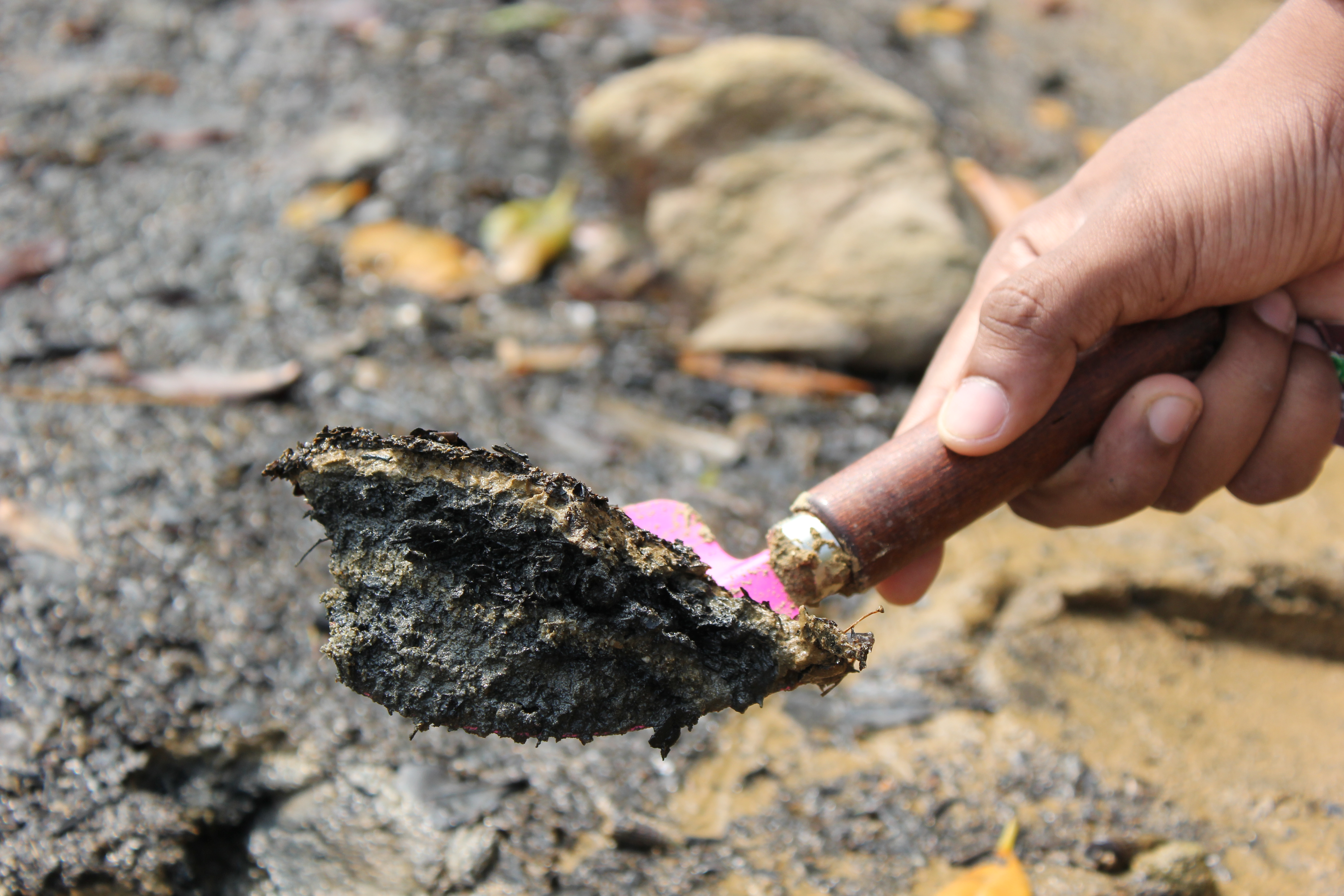
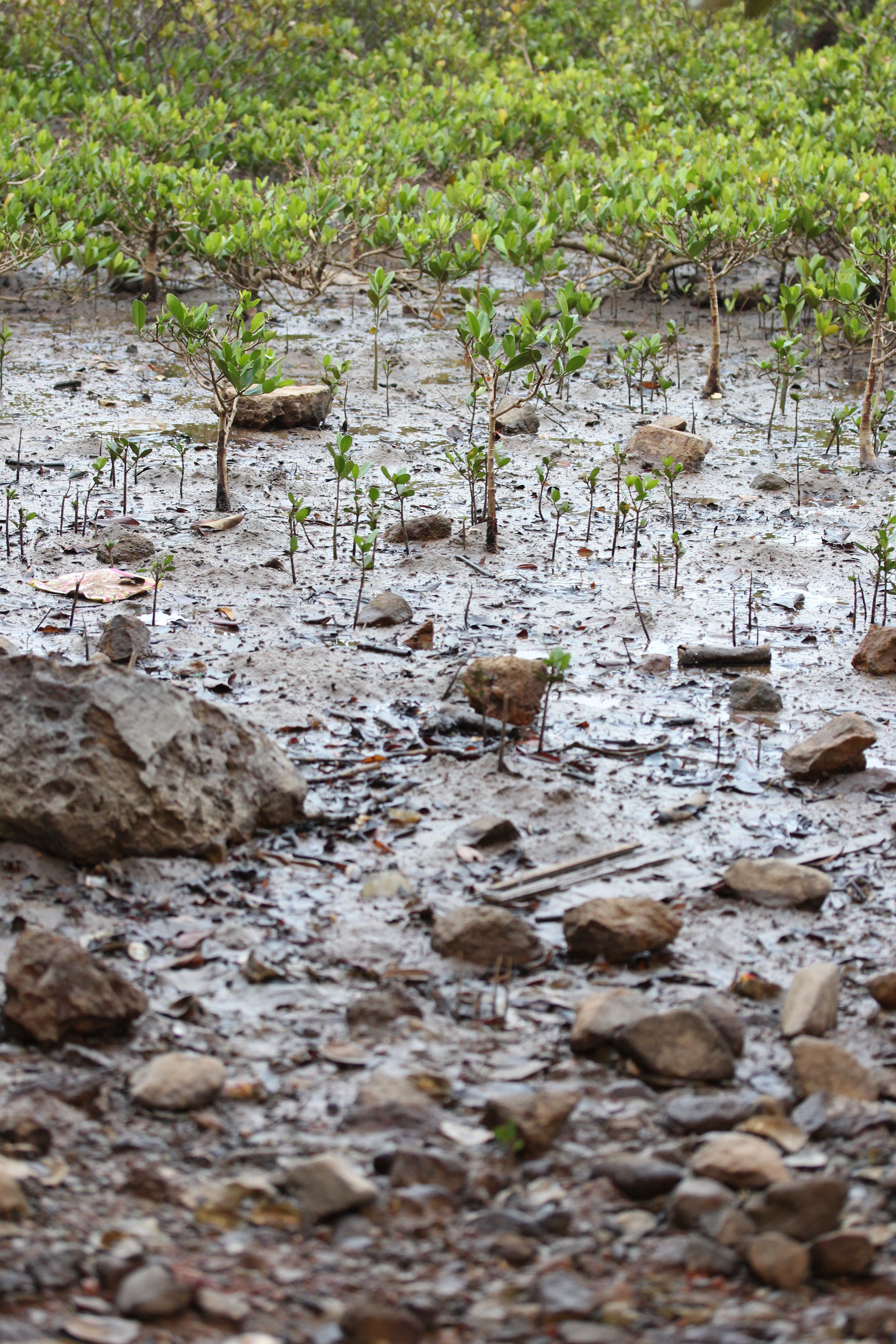
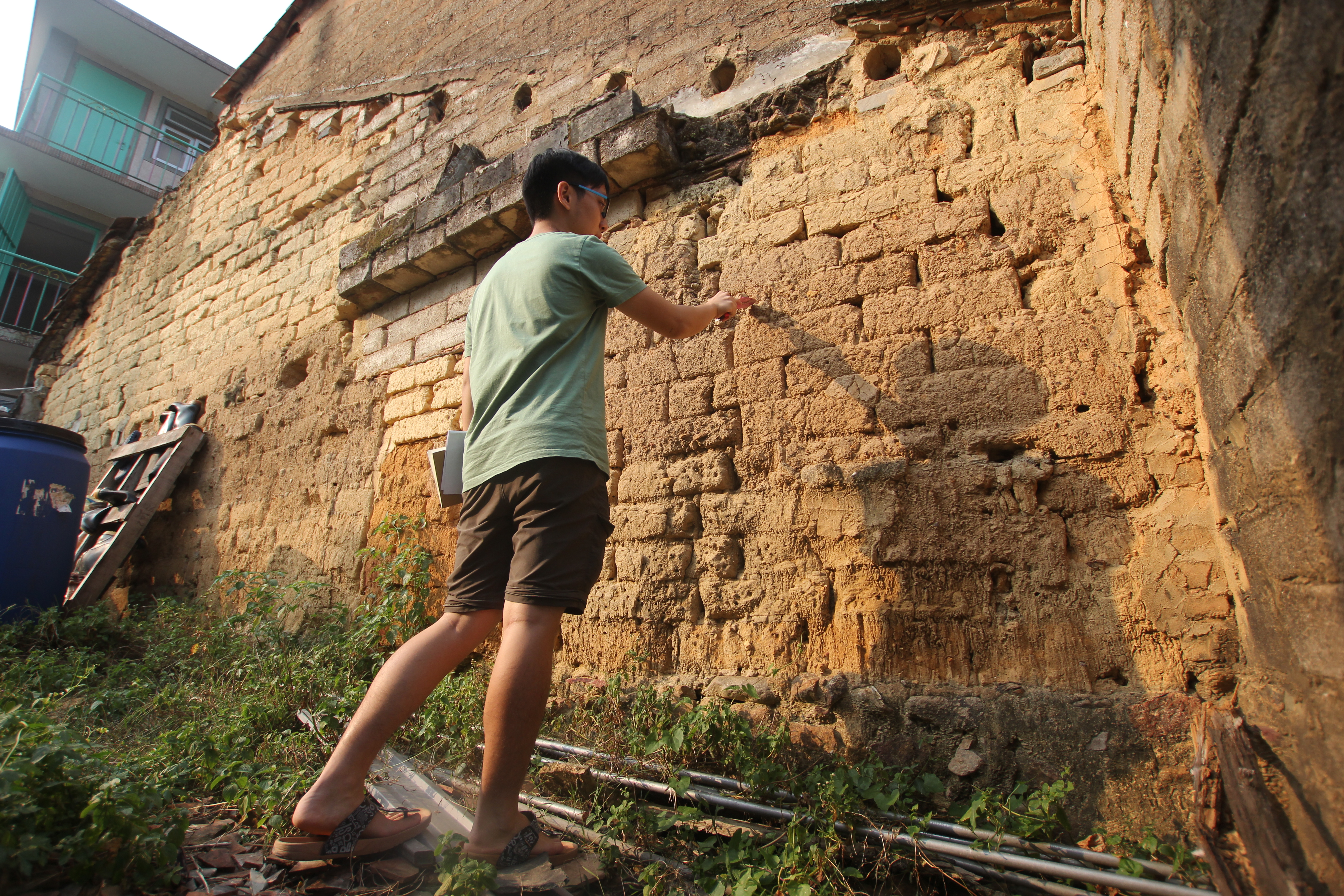
We recognized the diversity of soil types as we walked through farmland, wetland, river, woodland and the village itself to collect soil. Different soils can be found in different locations, varying in color, texture, and humidity. Apart from collecting soil sample, we also visited the villagers to find out about the history and hear stories of the village. Consequently, we found out that soil has had a close relationship with the villagers’ daily life. For example, the soil in farmland enables villagers to grow rice, tomatoes, and fruit in the past.
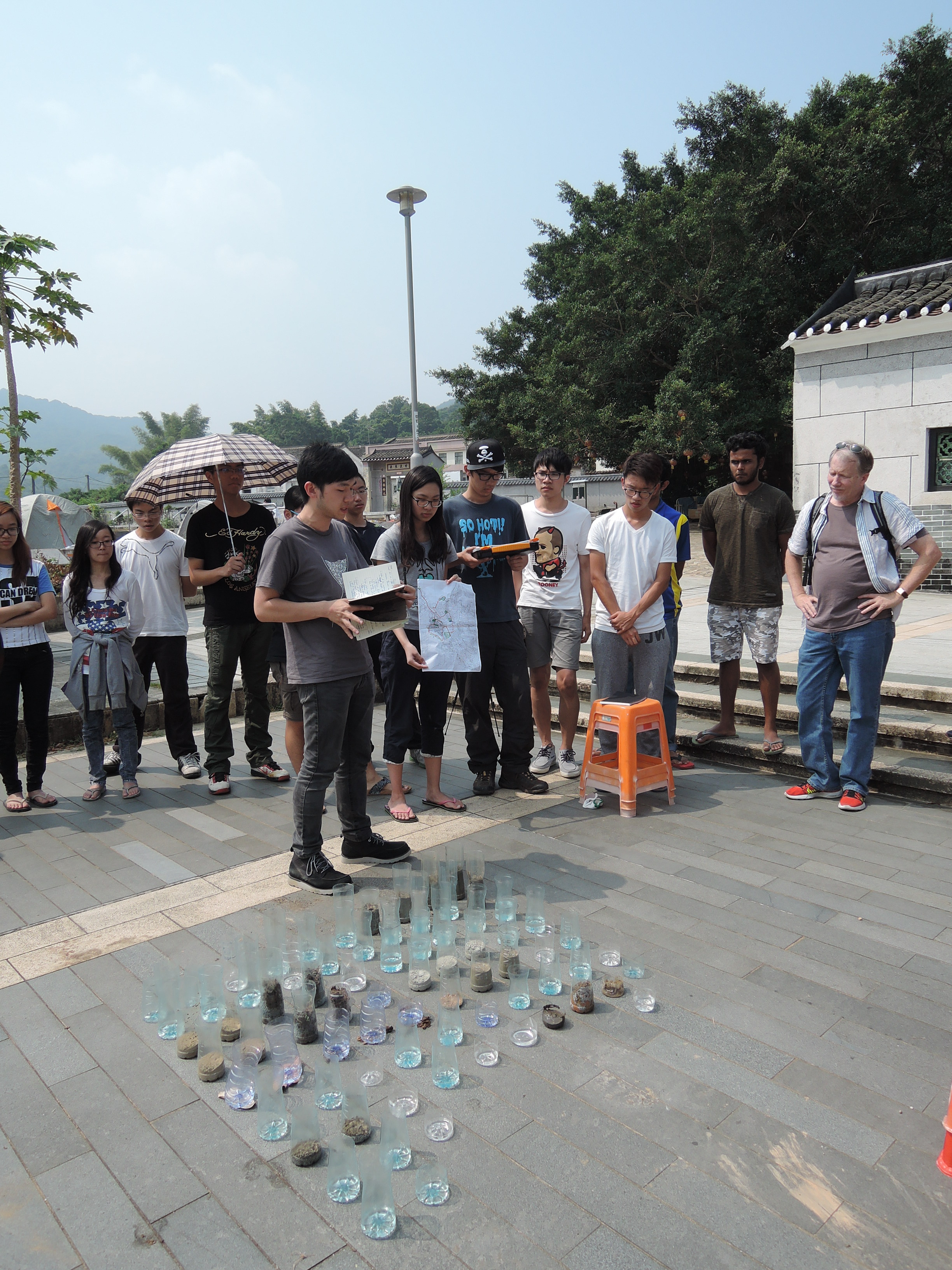
Our art installation acts as a four-dimensional model to show the locations of different soil, the diversity of soil types, the elevations of the soil locations, and the relationship between the soil and the villagers.
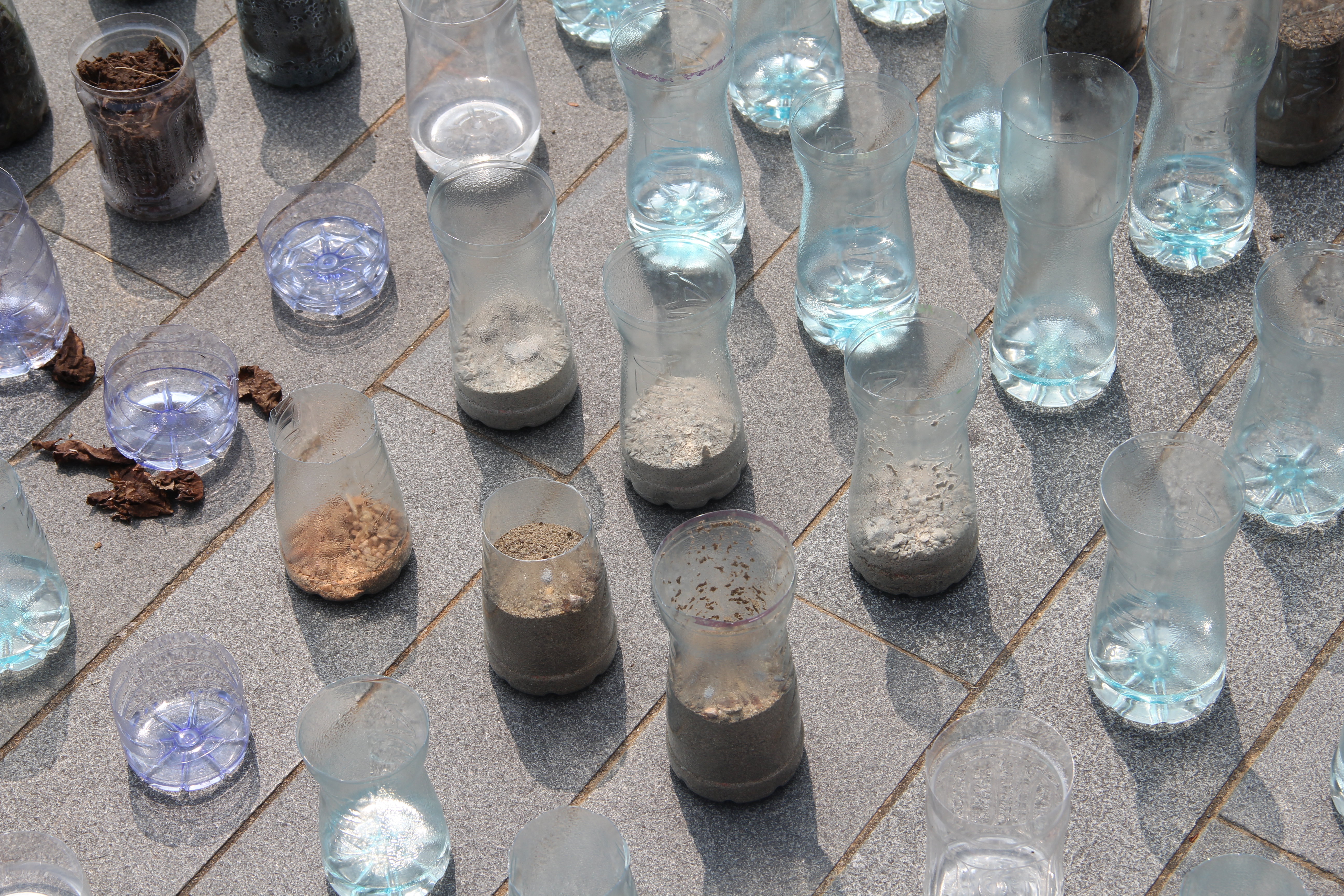
First, we collected different types of soil and placed them into acrylic cylinders. These cylinders are placed at relative positions that simulate their corresponding locations in Lai Chi Wo. The diversity of soil types can be easily recognized by comparing the colors and textures of different soil types.
The cylinders containing the soil are different in heights, which symbolize the landscape of Lai Chi Wo. By such a dynamic way, the installation allows visitors to gain a deeper impression of Lai Chi Wo.
Finally, we also show the relationship of soil to the villagers. By adding different volumes of soil in the cylinders, the time of interaction between that particular soil and the villagers can be shown. The more soil added to the cylinder, the longer the period of relationship between that soil type and the villagers.

