Build On Absence
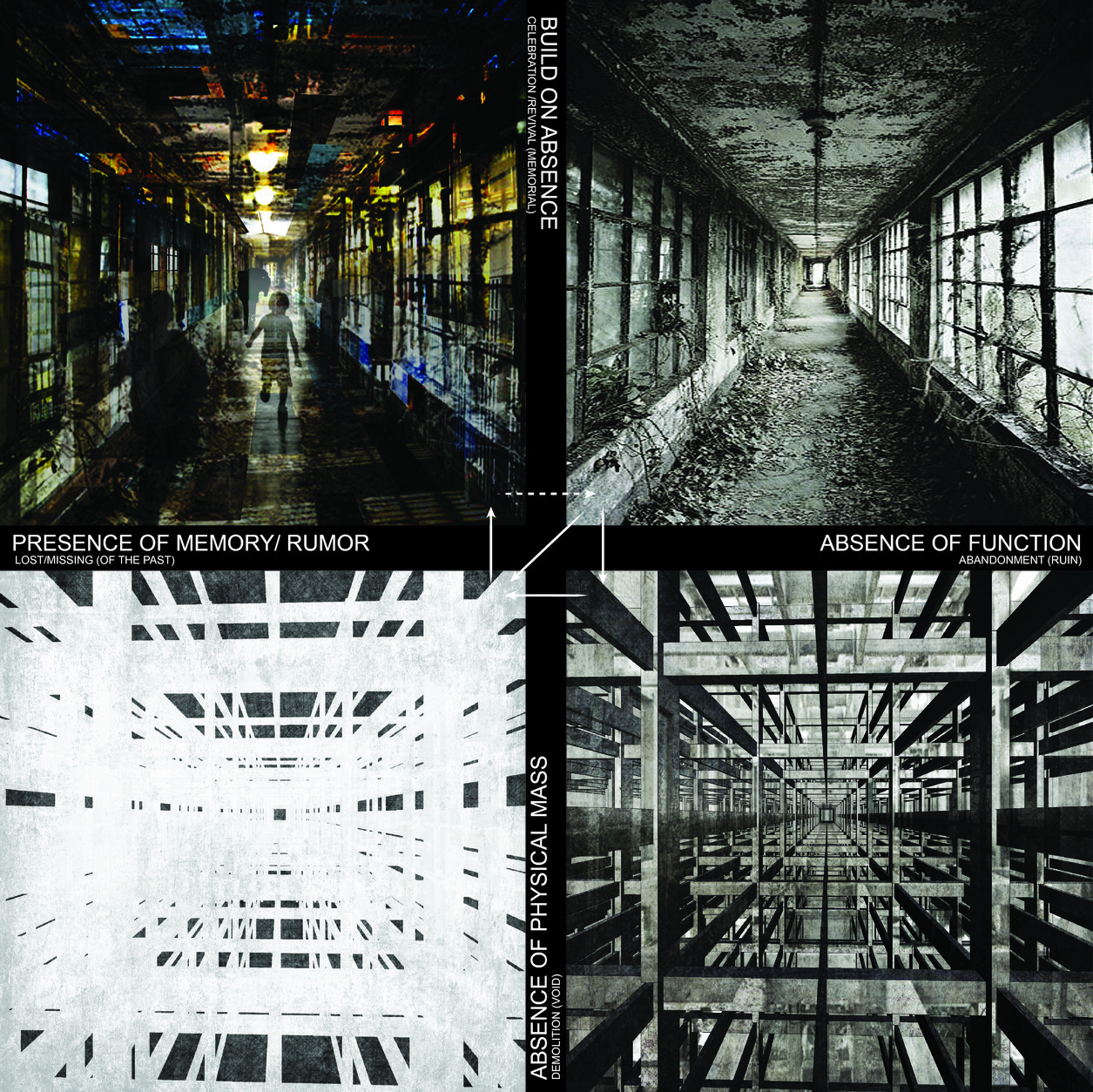 A cycle/ dynamic between presence and absence
WHAT?
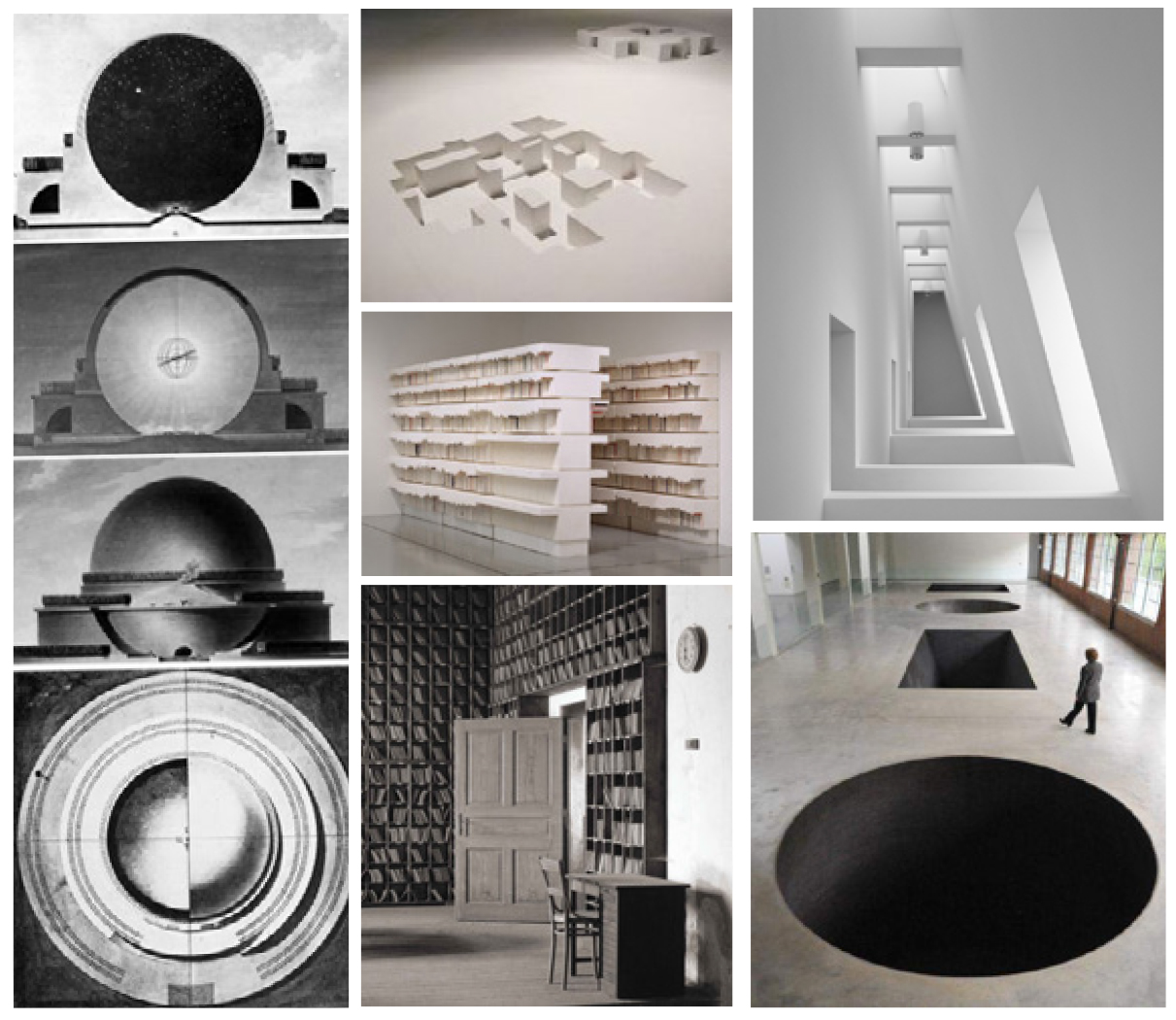
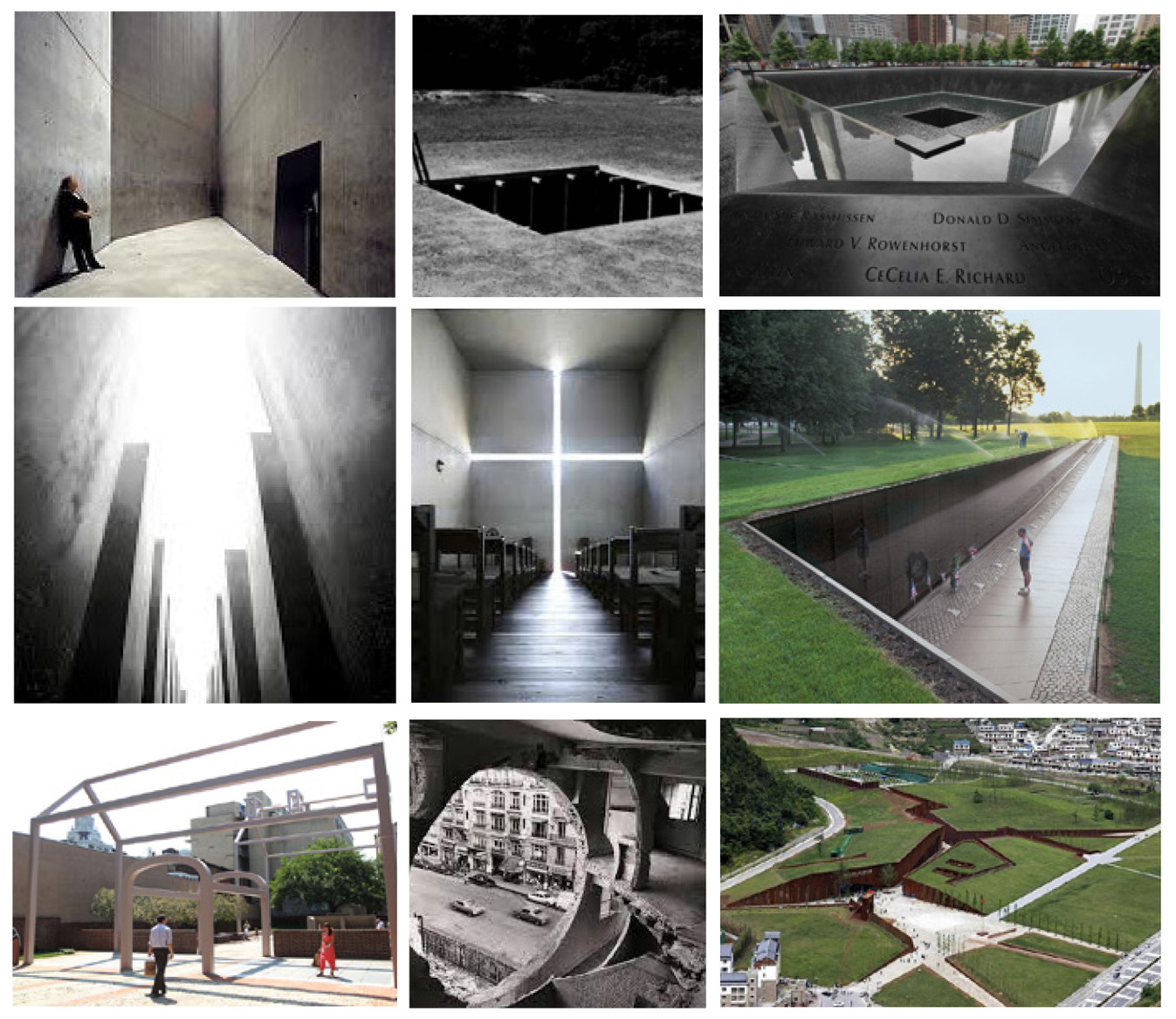
Presence and Absence Dynamics Opposing to what we constructed, this thesis would emphasize on what we lost. The loss may be caused from conscious abandonment or renewal, to human conflicts or warfare, accidents or natural catastrophes. To response is about how to present and celebrate the absence that constitutes our memory, history and identity. A sense of absence could be recognized by cognition and knowledge, amplified by visual and spatial perception. Missing of solid mass evokes the sense of absence as well as presence of void, striking mind and memory. To acknowledge what we lost rather than to erase the trace of existent, per- ception has to be re-examined and space has to be re-defined. Sometimes, former infrastructure or programmed structure is transformed into public space of commemoration like the ground zero project at World Trade Center after 911 attacks. While sometimes a completely new built form is designed to signify the history like Holocaust Memorial in Berlin. Memorial, which captures the loss and absence, acts in directly opposite with the monuments, which captures the gain and presence, and marks the collective memory and identity of a city and human being.
WHY?
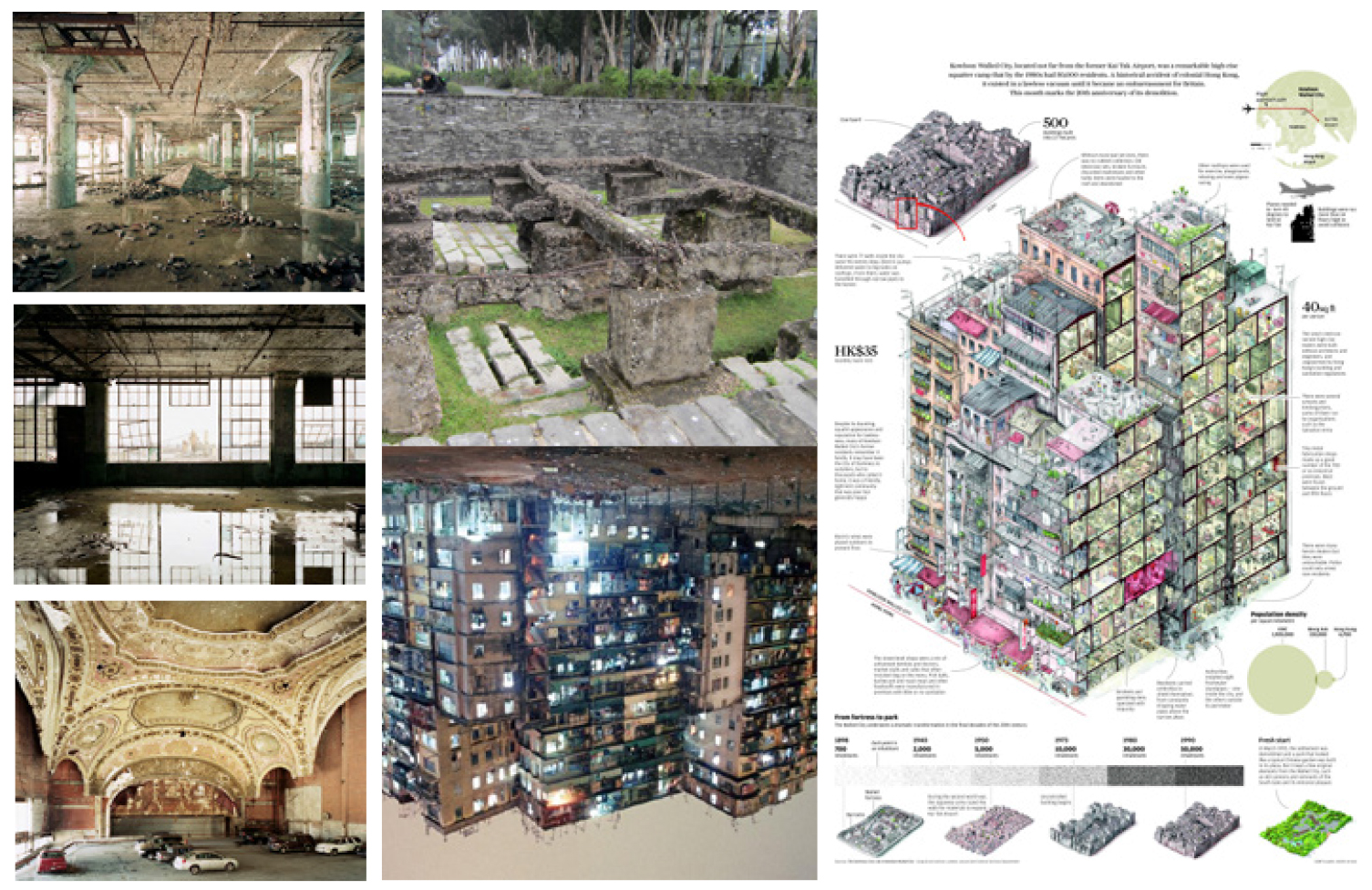
Lost and Memory among Time Memory and history remind us who we are and what today is. It is not nostal- gia but continuity with the past, as well as endurance and hope for a brighter future. Built form is so powerful in commemorating history and retaining memory physically among change of time. It is a study of sensibility of passage of time and human awareness of identity. Hong Kong, of being a fast-pace society, changes dramatically focusing very often on what we gained and reached without deep concerning about what we lost and sacrificed. Tradition fades with fast development without treasure. People are feeling lost in the metropolitan without a tight connection to the culture and history. So, there have to be something more which traces back to our root and sentiment to the place we live.
HOW?
Memorial for the City of Anarchy, Kowloon City First, analyze and examine the precedent works about presenting the absence through manipulating solid and void and interplaying between perception and memory.Second, design and test the techniques to celebrate the sense of absence in spatial experience.Third, investigate the lost tradition and memory in Hong KongTo move on, re-examine the design and capacity in memory liberation using the Kowloon City Memorial Park at the site of former Kowloon Walled City as a ground.
BIBLIOGRAPHY 1. Rosenau, Helen, 1953, Boullée’s Treatise on Architecture. London: Alec Tiranti Ltd.
|