Negative Architecture
|
As human create, we see building as objects against the rest of the world. What if an object, an incident, a space or even a city is lost? Absence inspires perception and re-examination while disappearance raises ques- tions of duration and destination. “By knowing things that exist, you can know that which does not exist – that is the void…where there is noth- ing…” stated by Musashi. ‘Negative’ is defined as ‘Consisting in or characterized by the absence’ by Oxford Dictionary. An interrogation of the concept of negative architec- ture is not possible without an equal engagement with the concept of positive architecture. Positive Architecture is a built structure that exists to serve its purpose, like shelter. Conversely Negative Architecture ceases to exist by itself but as a part of the fabric of the environment to celebrate the absence. Negative space has been advocated by Mark that “Space does not flow merely inside and outside; space does not flow around the building, and separately within the building. Space is not broken at the threshold or at the façade.” So perhaps architecture can also be designed and seen as negation and disappearance.
Proposal Solid and void denote space. Negative architecture seeks to embrace the connection between the two. But the focus is not on the object architec- ture itself, but on the whole, the scene and the surrounding. To achieve this, the first is to de-objectify the architecture as substance against envi- ronment. The Second is to emphasize its programmatic space and elements in the space above the architecture itself. The ultimate aim is to ‘erase architecture’. Like Paul Virilio or Kengo Kuma, new digital and information technologies could lead us to aesthetics of disappearance, rather than image or form. Disappearance therefor could be a composite action of being concealed by stealth.
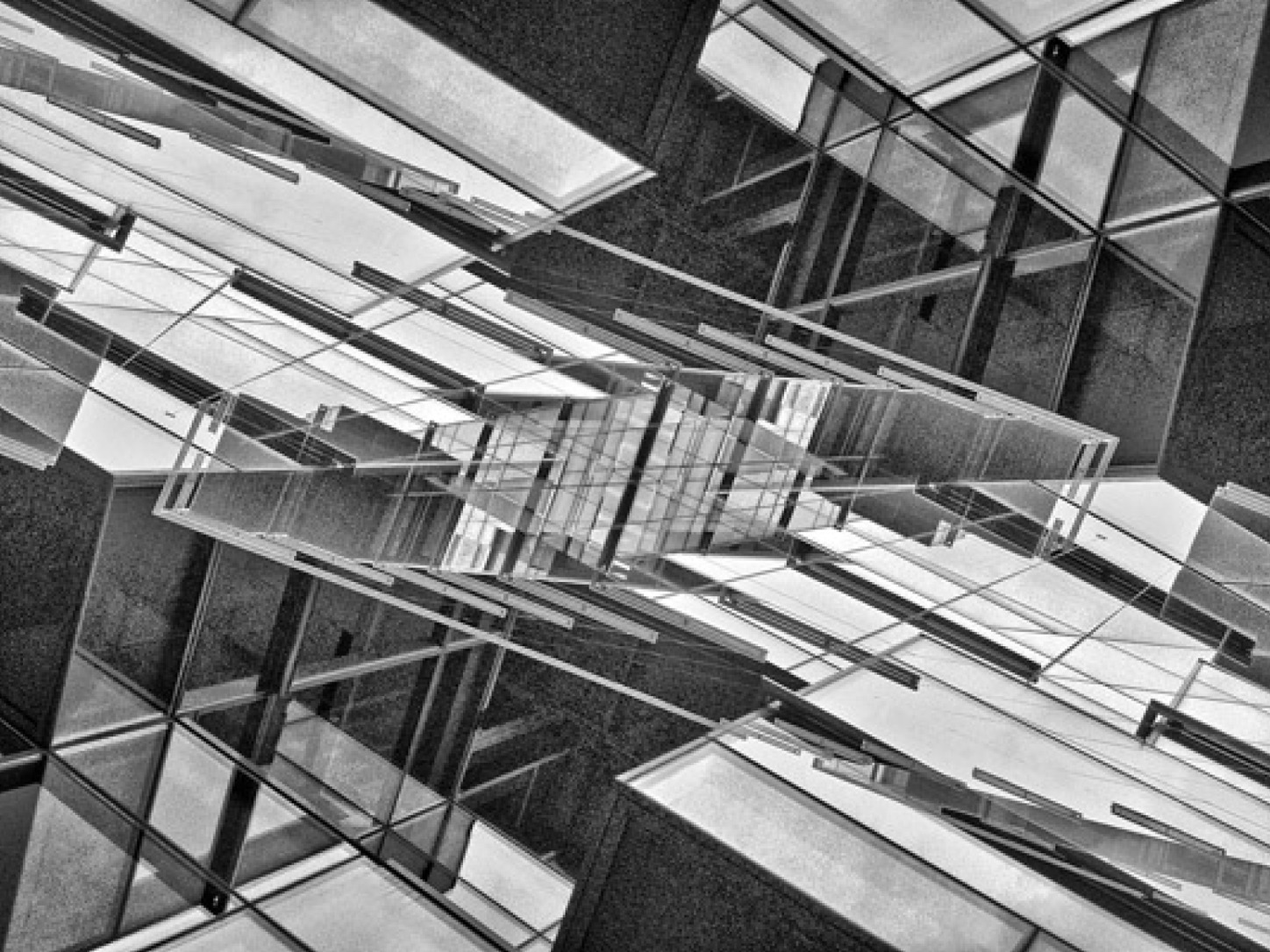
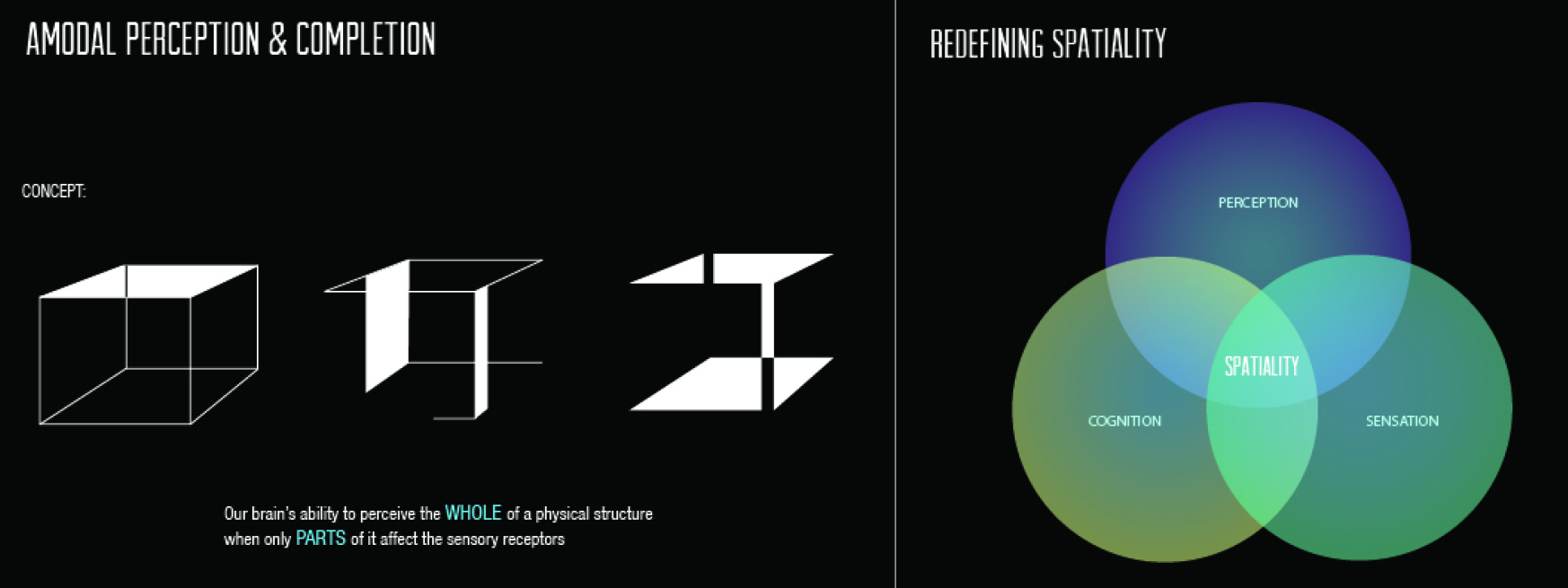
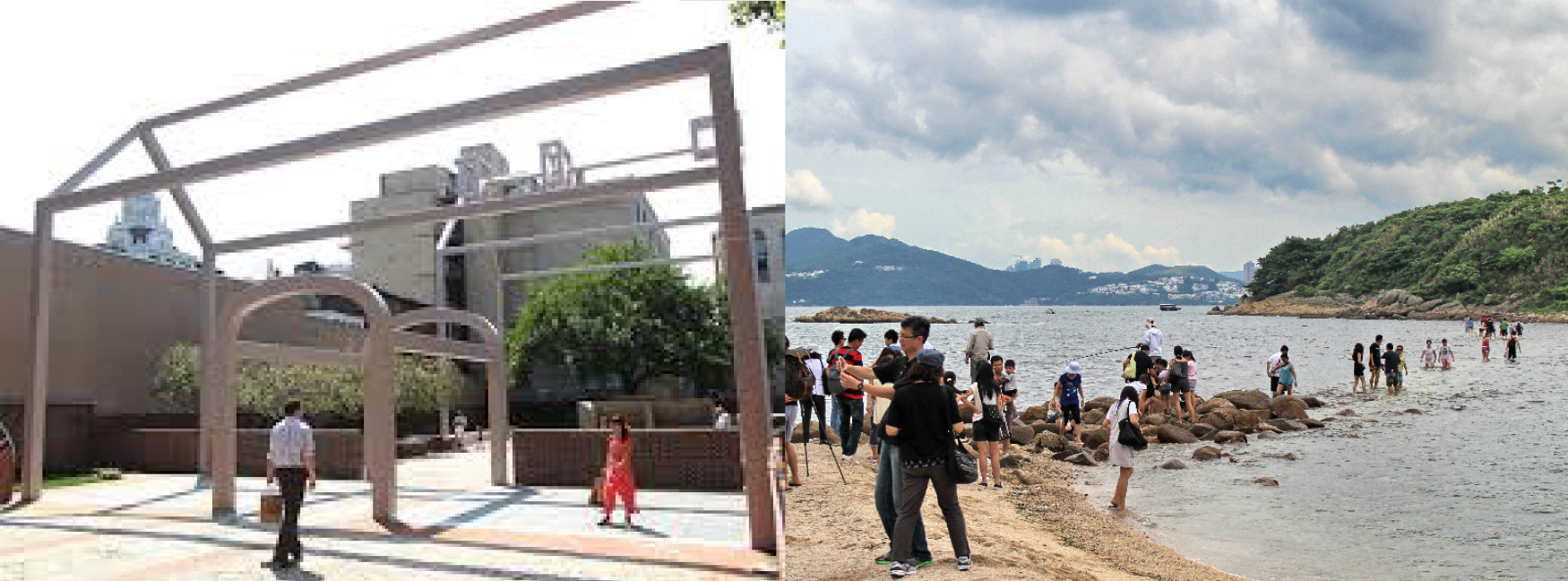
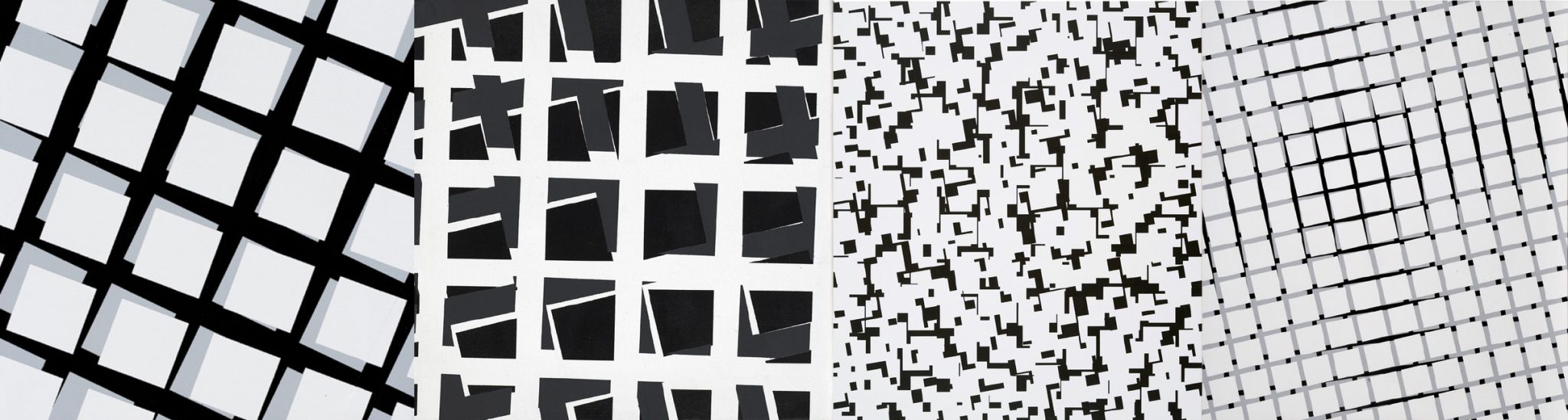
Methodology The disappearance of architecture can be experimented through transfor- mation, burring the boundary of within the territory, between physicality and immateriality, between presence and absence. With special emphasis on the representation of the lost, absent and forbidden, there can be an active effort to capture imaginative gestures and record the ‘non-existent’ through event and experience. It could be a device functioning by disappearance, or a building melted and vanishing in the environment. For instance, music being as “that little bit between each note – silences which give the form” described by Isaac Stern as a metaphor. Or a drowning bridge for ship passage functions by disappearance. It could also be explored through systems of projection of city interrelating between optics and occlusions like film theory. Which may involve study of distortion and deception, movement and trajectory in different extent. One possible technique is dictated by Musashi is that “ in strategy it is important to see distant things as if they were close, and to take a distanced view of close things…” Amodal perception of the whole of a physical structure when only parts of it affect the sensory receptors would also be explored. Esther Stocker stated, “What fascinating is the continuous redefinition of space through perception.”
Bibliography 1 Kengo Kuma: Defeated Architecture 負建築 , 山東人民出版社, 2008 |