The Parasitic Market
|
“ Shopping is the medium by which the market has solidified its grip on our spaces, buildings, cities, activities, and lives.”–SZE Tsung Leong
WHAT?
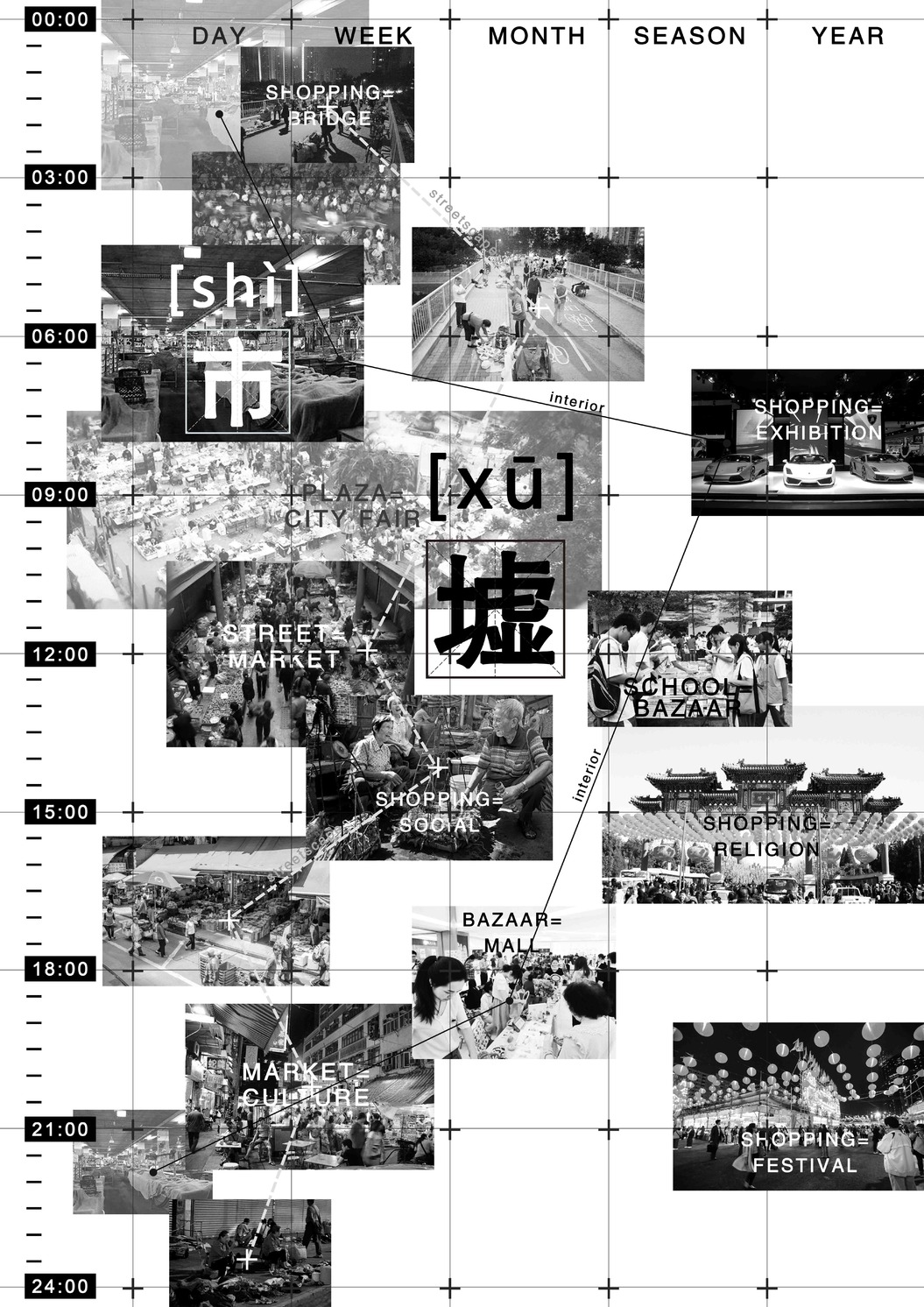
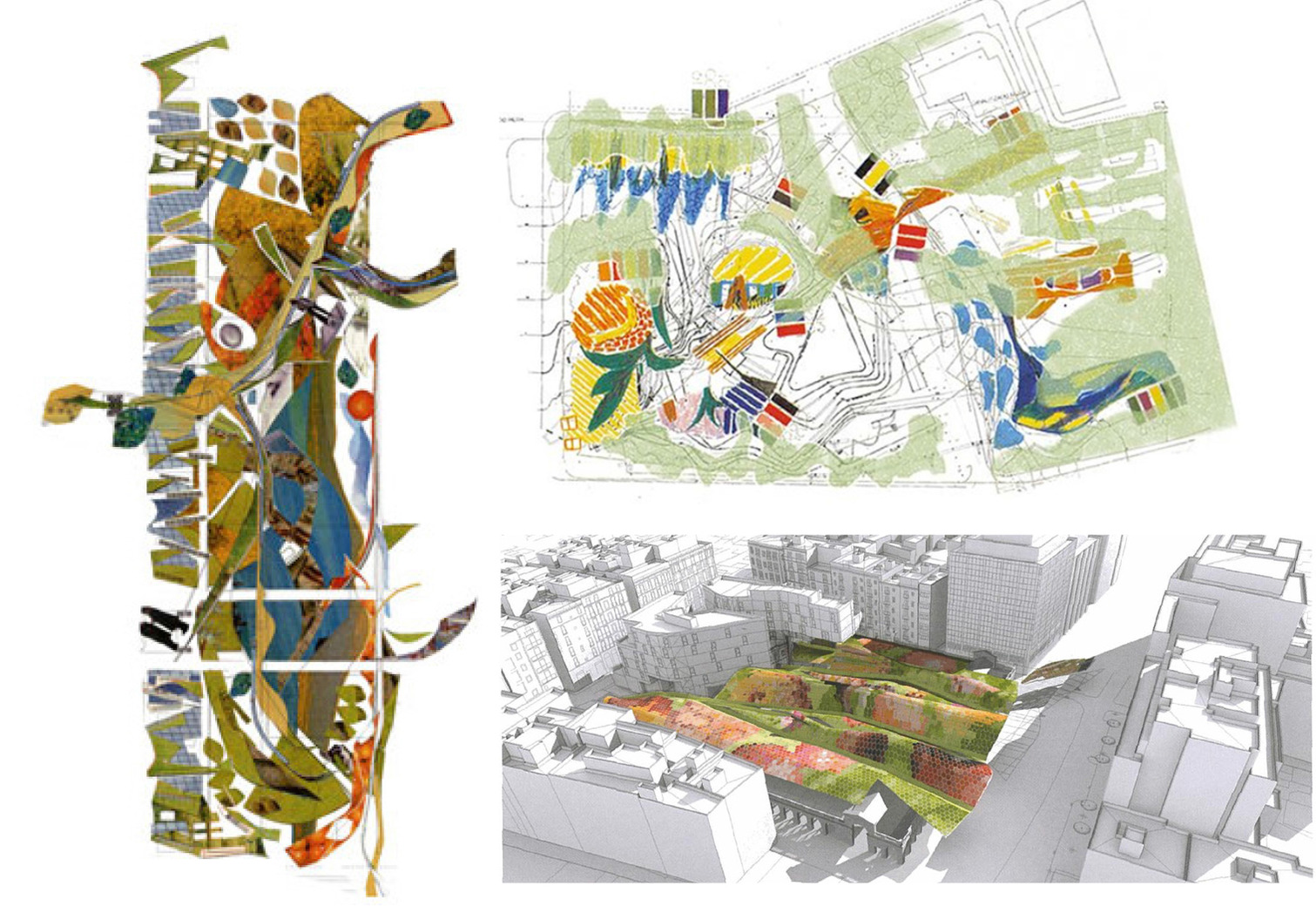
In the south of China, the market named “市” is of fixed stores and address no., while “墟”, without consecutive time slot and space, serves as terminal city fair. With shifts of both time and place, city trade fair tells a great deal of stories of its locality. This thesis will explore how to make a responsive and interferential system for the city fair. The wholesale market, occupying the place in morning hours, will serve as the site. The project is going to seek ways to reinvigorate long spanning shed structures, the heterogeneity of programs experiences and economies of program that transpire within the urban fair by placing an emphasis on the structural formation and recombination of the design proposal.
WHY?
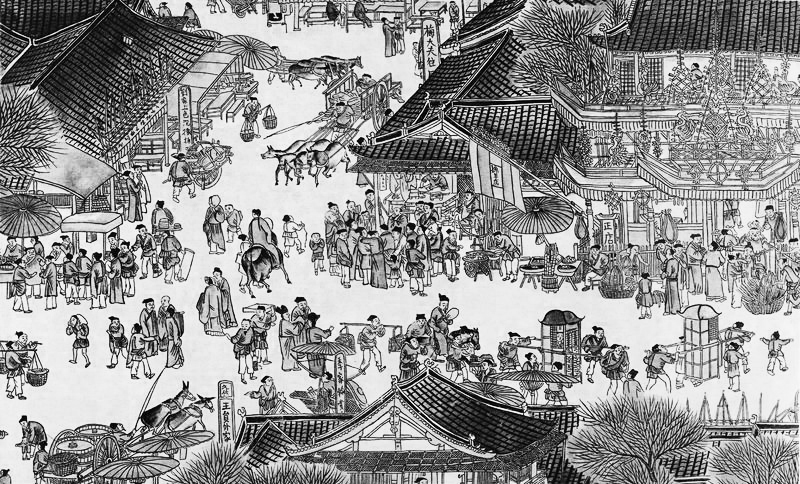
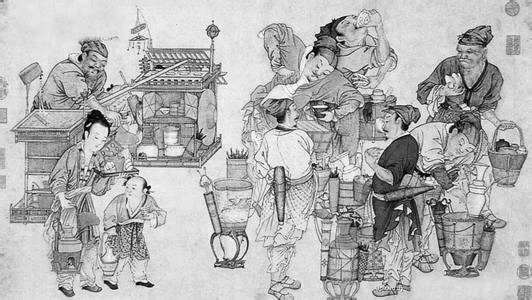
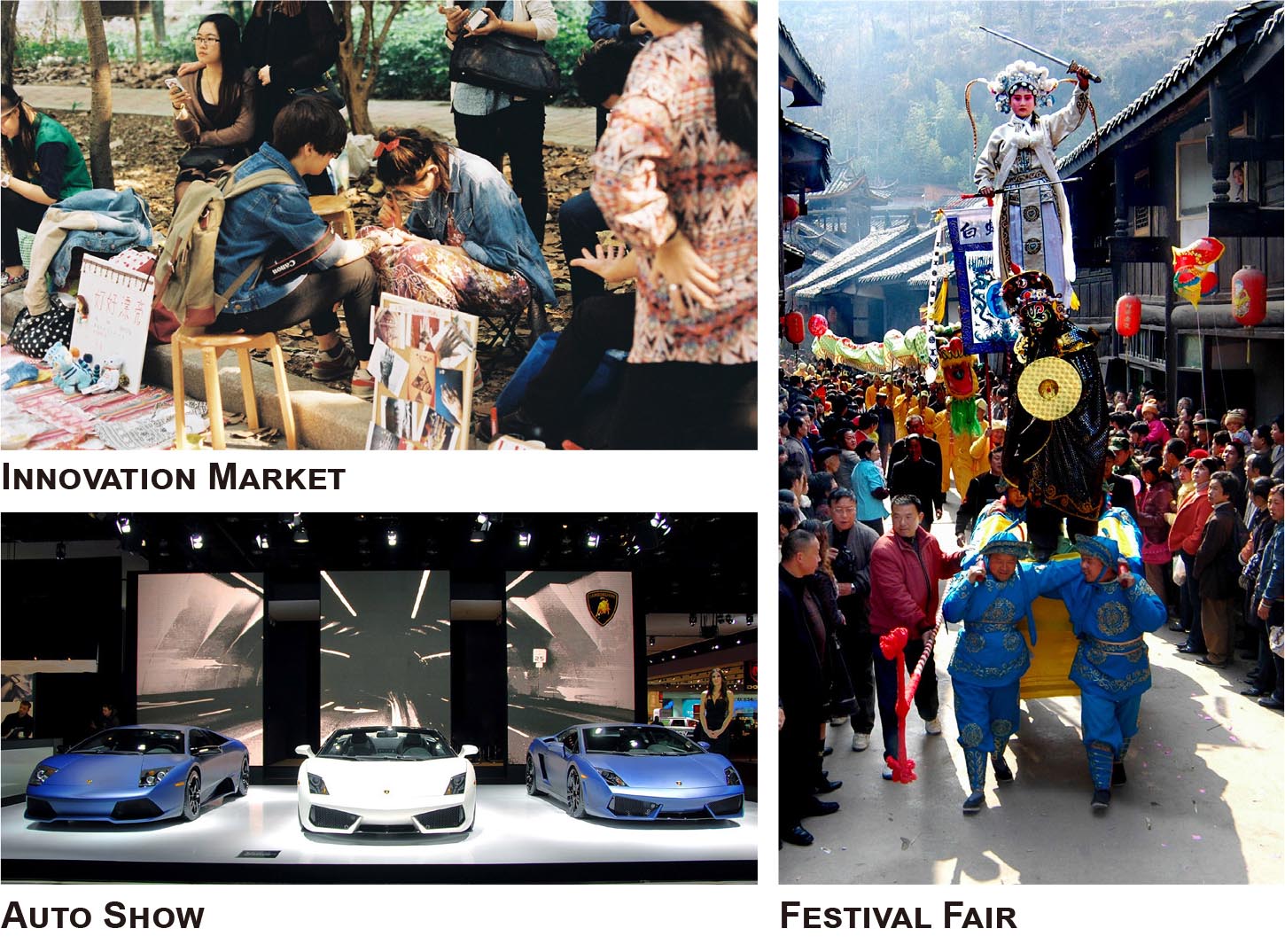
Market, as the commercial center of a community, largely reflects the commercial activities of specific groups. During the urban development, the differences of construction materials, driving force behind and morphologies of urban fair suggest the modify of civic life style. Recently, with crucial impact of modernization, the typology of city fair expands in a considerable extent. Take holiday fair as an example, attracts thousands of market stalls and visitors, which forms the image of city. Moreover, the local designers or artists, especially among the new generation, tend to involve in the “Innovation Fair” as “farmers” by selling what they have grown. From a broader perspective, the international exhibition fairs , dwell in giant exhibition center, are outcome of evolution of city fair. City fairs or mobile markets are fantastical ground up creations emblematic southeast Asian cities, like Guangzhou. They are not designed by architects but have an intense capacity to build community and catalyze nodes of urbanity. Meanwhile, urban public spaces are occupied by city fairs in a great deal of towns in Guangzhou because of no place is design for the mobile markets. However, to adapt this situation, they become dynamic and rhythmic, collapsing and expanding from deployable structures at different times of day.
HOW?
For the urban scale, through data collection and observation, I am going to figure out the variation of transportation, operation process, and marketplace locations. Look into the specific site context and uncover the physical and emotional layer of traditional fair. For the building scale, I will emphasis on building materials, objective behaviors and dynamic structure of market. In addition, after summarizing the morphology of city fair, it will be criticized by how to make urban event architectural, will it be indoor or outdoor, permanent or temporary, vernacular or international. In conclusion, the following thesis proposal looks to design a wet market for mix commercial behaviors as a means to convert the relation of parasitic to symbiosis.
1. Lee, Hoyin and Lynne DiStenfano. 2003, “Significance of Markets as Research Topic for the Understanding of Cultural Heritage”, unpublished manuscript, HKU
|