Conscious Hybrids: Rail City 2.0
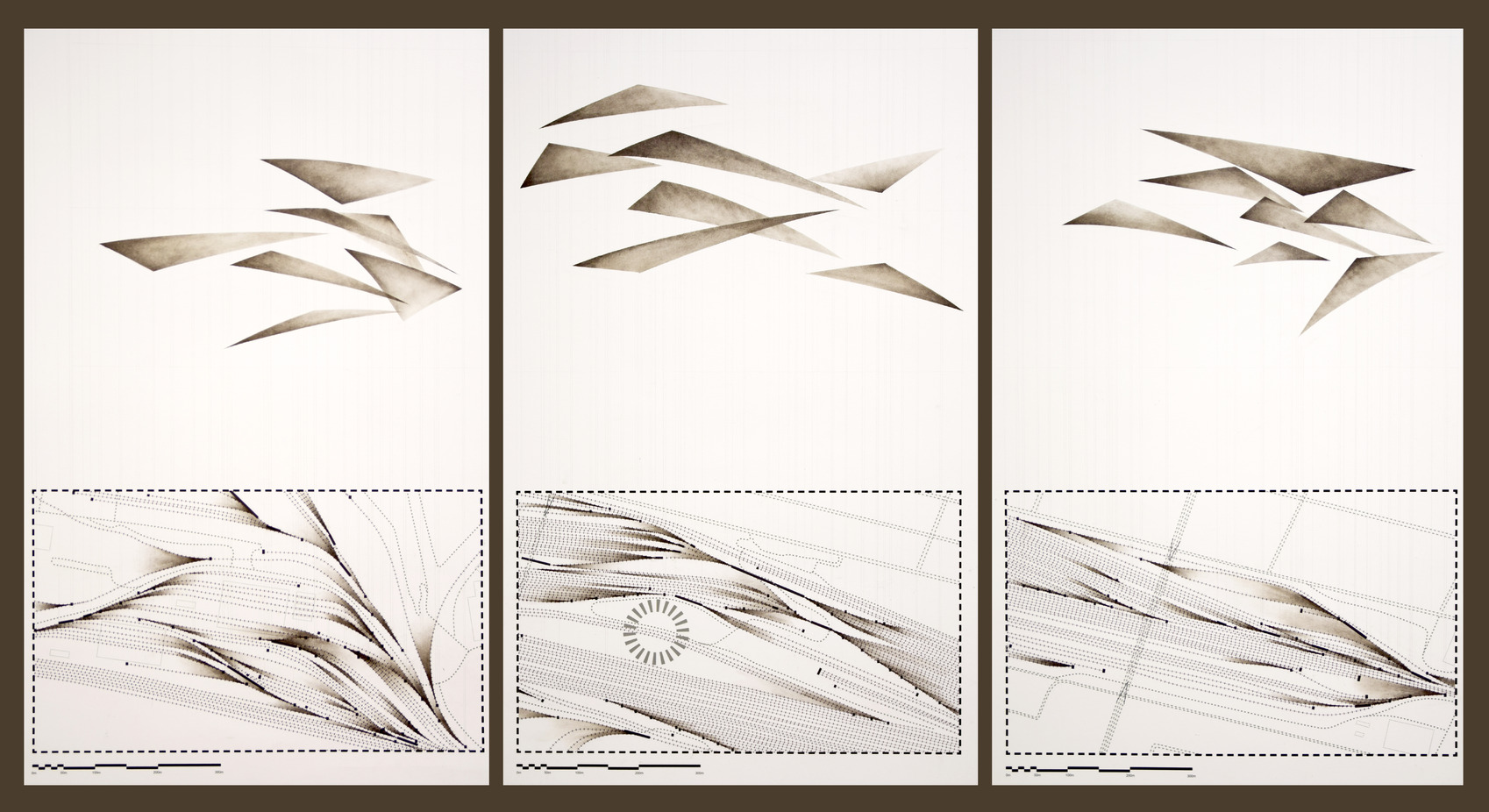 Landscapes informed by the Rails Mixed Media: Print/Ink/Pencil/Pastel ‘Hybrid landscapes are either “conscious” or “unconscious”… Designing with existing rail infrastructure while addressing conservation WHAT 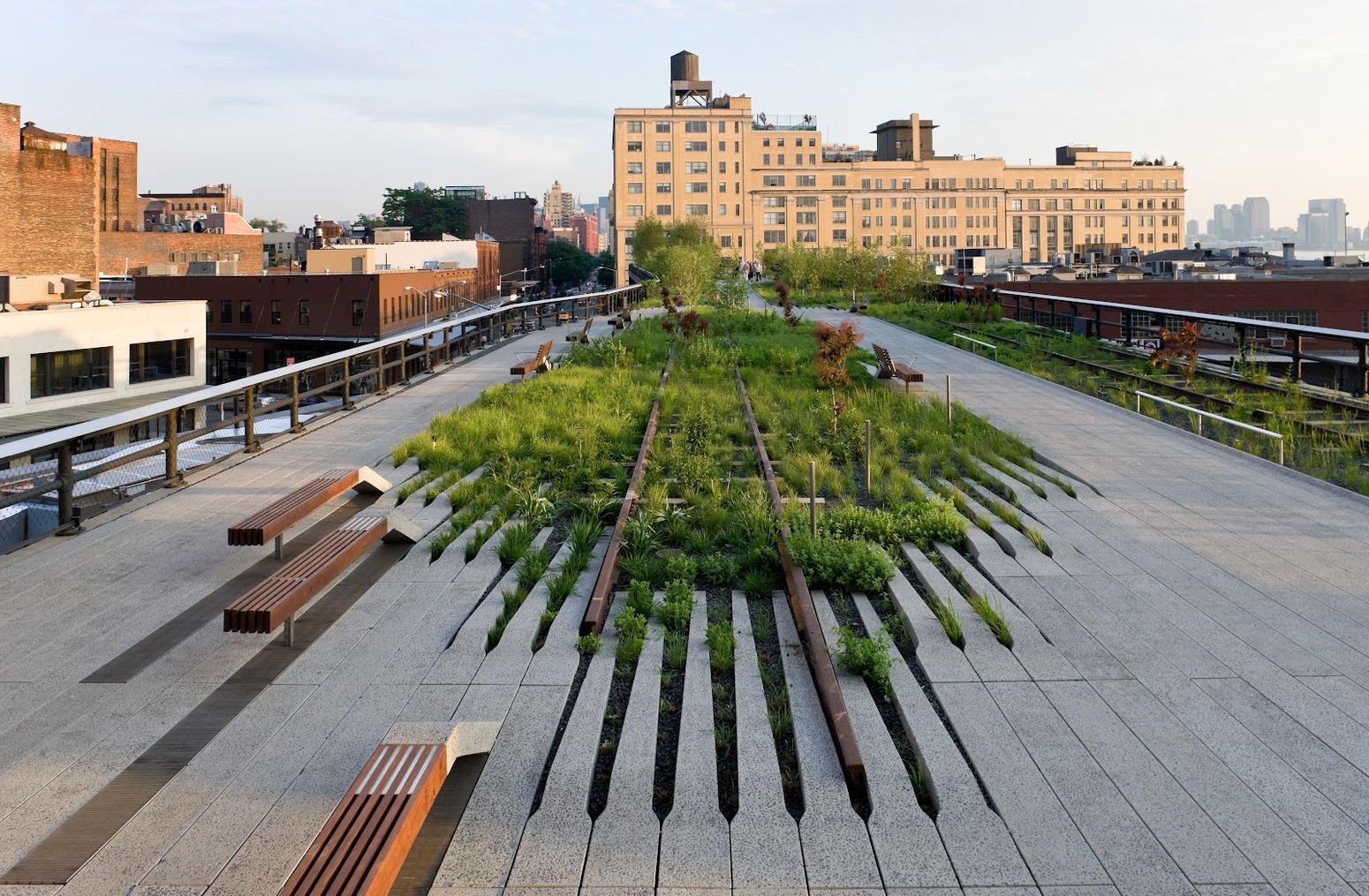 Highline, New York It is my intention to design a hybrid building or group of buildings that embodies the elements of landscape and architectural practices. The built form will be dictated architecturally by plan, the rail contouring of the site and elements of rail fans, while WHY 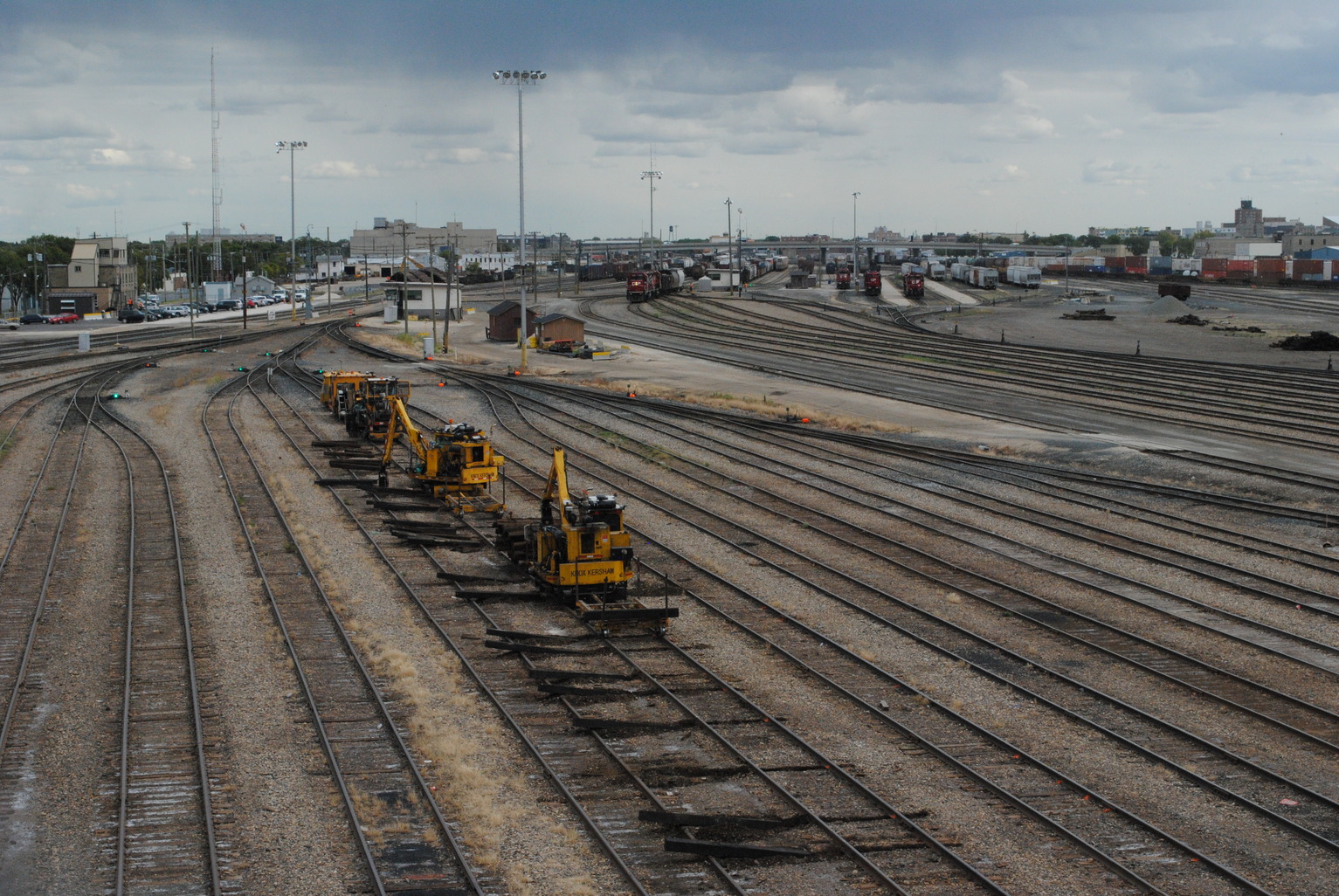 Canadian Pacific Rail Yards, Winnipeg The relationship between architectural disciplines are traditionally divided by scale and scope of the project. The thesis sets out to design a built form that reflects the 21st century discourse of merging disciplinary boundaries between architecture, and landscape architecture. The Winnipeg Canadian Pacific Rail Yard is a site rich in history and need for development. The project will attempt to conserve elements of the existing infrastructure, while inserting new programs within the site. It may serve as a testing ground for a new type of architecture and explore alternative methods of designing within the city. HOW 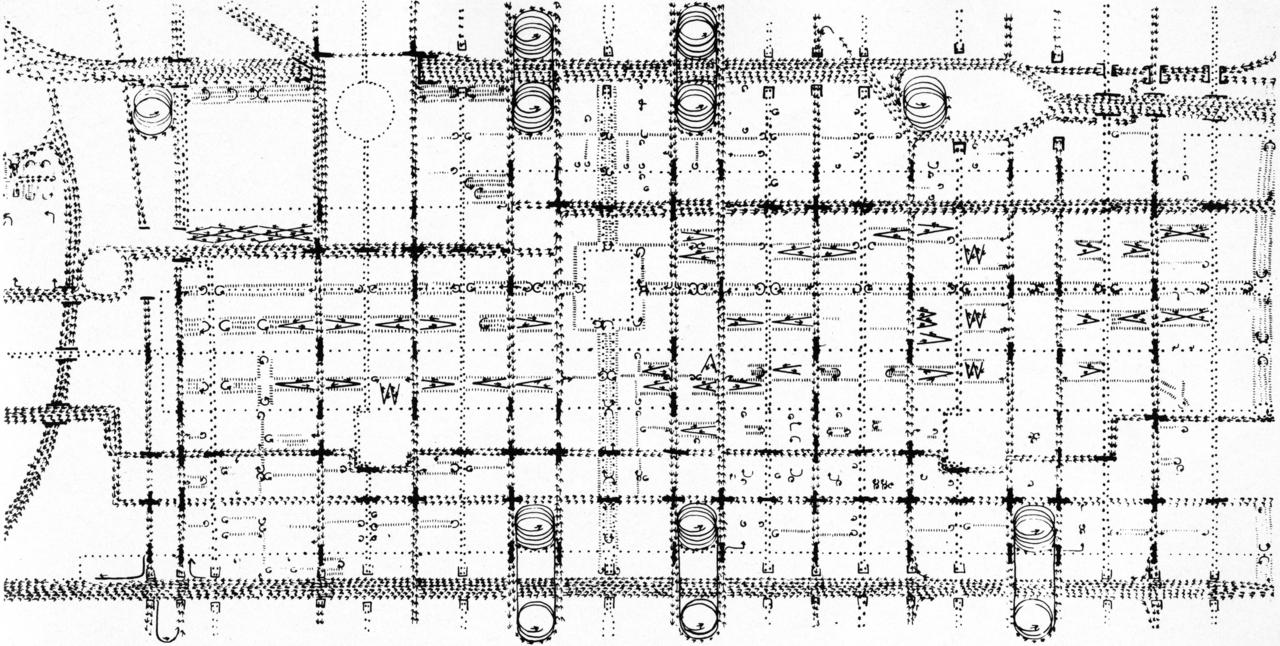 Urban Traffic Study 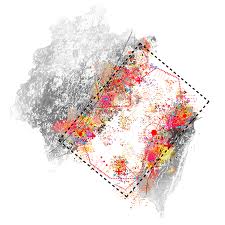 Taiwan Straight Smart Region Using Louis Kahn`s Urban Traffic Study of Philadelphia, I intend to map the site through its traffic pattern, and indicate physical attributes: rail fans and existing safety infrastructure. These will inform possible physical characteristics within the larger scope of the site regarding landscape. Intersections of travel will serve as spatial markers and determine where possible means of intervention may occur. I plan to look toward Raoul Bunschoten’s categories within his methodology of site analysis as seen in the Taiwan Straight Smart Region project, to identify social issues: appropriation, dissemination, empowerment, networking and subversion. In addition to these factors, demographics and the projected demographics in the adjacent neighbourhoods will further prescribe needed programming that may be considered and provided in the proposed building. Technical manuals of the rail connection may suggest the making of the building form. BIBLIOGRAPHY 1. Allen, Stan. Landform Building: Architecture’s New Terrain. Princeton: Lars Muller Publishers 2. Architecture and Disjunction, by Bernard Tschumi, The MIT Press 4. Bunschoten, Raoul, Takuro Hoshino, and Helene Binet. Urban Flotsam. Rotterdam: 010 Publishers, 2001. 5. City of Winnipeg. Our Winnnipeg It’s Our City, It’s Our Plan, It’s Our Time. Winnipeg: City of Winnipeg 2011. 6. Shanken, Andrew M. “The Uncharted Kahn: The Visuality of Planning and Promotion in the 1930s and 1940s.” Art Bull 88, no. | 7.Shanken, Andrew M. “The Uncharted Kahn: The Visuality of Planning and Promotion in the 1930s and 1940s.” Art Bull 88, no. | 8. ”Taiwan Strait Atlas Manual for a Smart Region.” Europaconcorsi. January 16, 2013. Accessed October 7, 2014. http://europaconcorsi.com/projects/220779-Taiwan-Strait-Atlas-Manual-for-a-Smart-Region-. |