URBAN MIGRANT VILLAGE
|
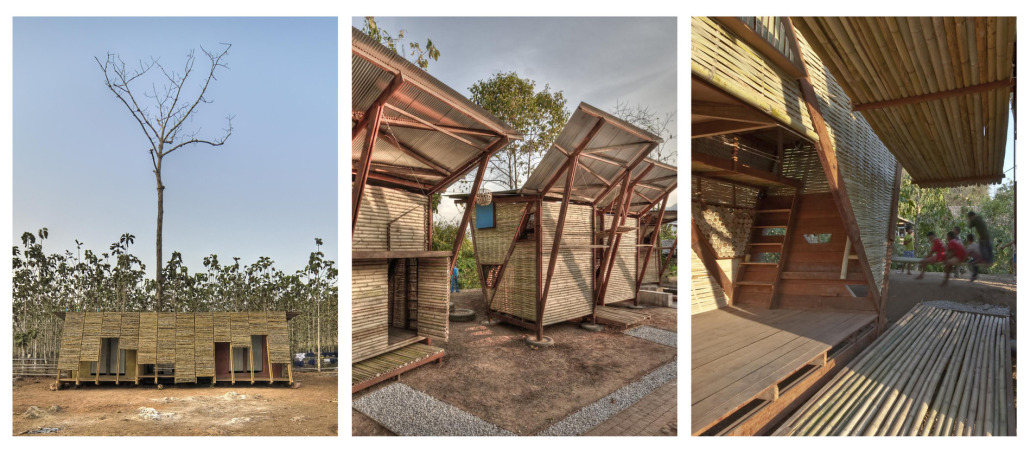
URBAN MIGRANT VILLAGE This thesis is designing a convertible village housing typology for the displaced residents of Yangon, the former capital of Burma. By challenging the irresponsible and delayed government policy, the thesis aims at proposing a migrant house that is capable to build by unskilled villagers, using local materials and tectonics, and is prompt to be removed and rebuilt in the suburb of Yangon before being demolished by the Yangon City Development Committee (YCDC) officials.
WHAT?
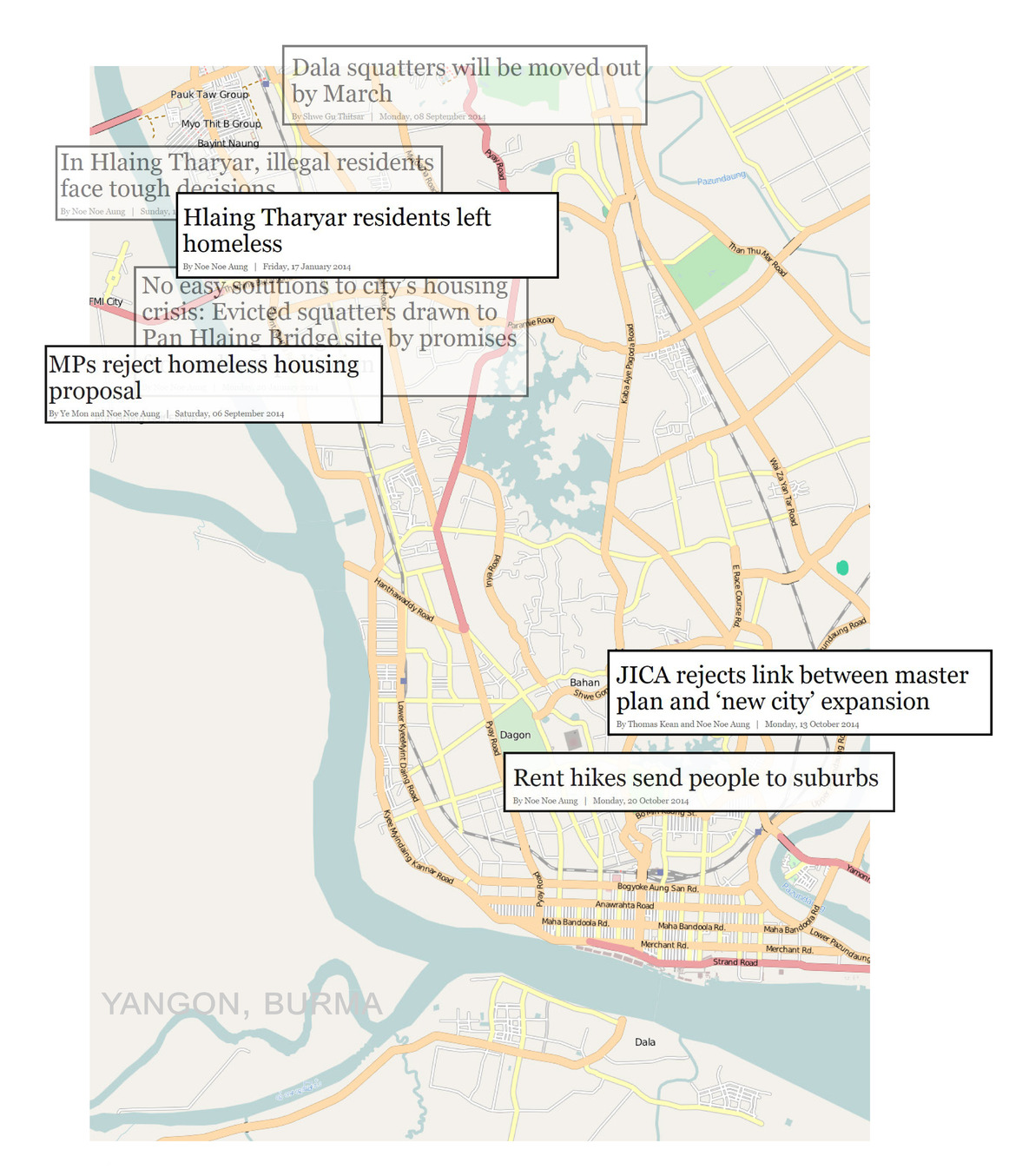
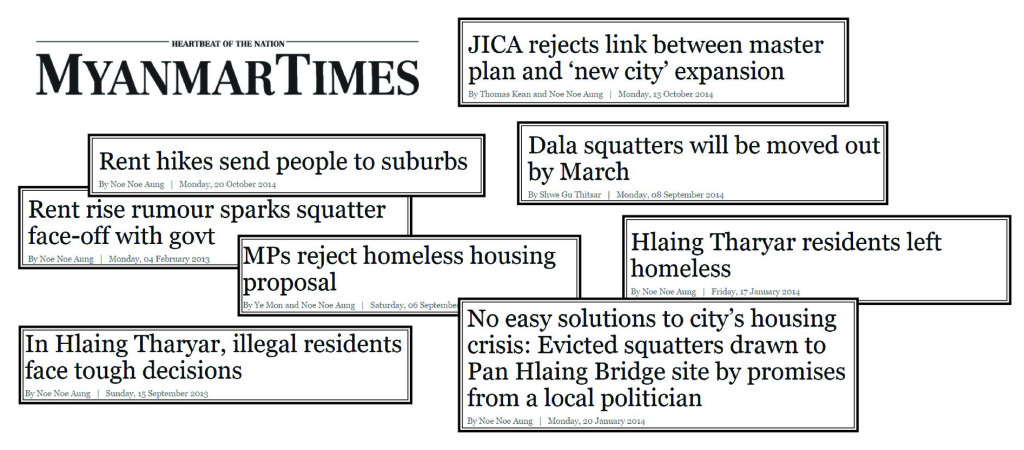
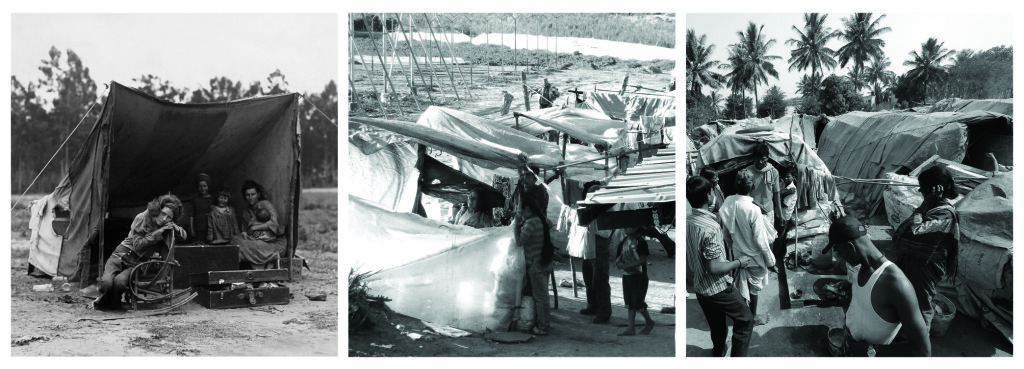
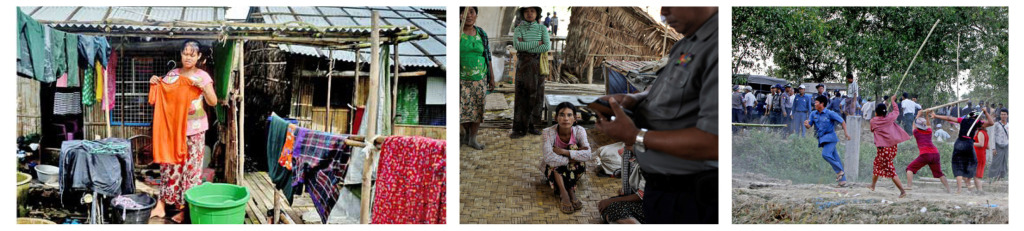
Due to the change in land policy in Burma, thousands of people lost their homeland. These people, mostly farmers, sold their land due to high land price, or being forced to leave their homeland as a result of the government willing to remove illegal homes for the Southeast Asian Games. Most of these homeless seek for finding a job in Yangon as a taxi driver or a waiter, but the cost of renting a place in the central city is unaffordable for them. They therefore built their own settlements in the peripheral of this former Burma capital. Today, the city has been expanded for nearly a double in population in the last 15 years, spreading northward from the Yangon River. The homeless residents become squatters that settled themselves beside the river quickly, and being washed-out by the police day-by-day. This thesis is designing a convertible village housing typology for these villagers. By challenging the irresponsible and delayed government policy, the thesis aims at proposing a migrant house that is capable to build by unskilled villagers, using local materials and tectonics, and is prompt to be removed and rebuilt in the suburb of Yangon before being demolished by the Yangon City Development Committee (YCDC) officials. WHY?
Urbanisation and modernisation result in identical townscape and generic architecture worldwide. Locality and cultural value seems to be neglected. This thesis aims at designing a place that yet “polluted” by modernisation, testing the possibility of establishing one’s identity through architecture. I believe that architecture should be responsible for respecting the relationship between cultural identities rooted in how the communities organise their public and private space. While Burma is home to 128 different ethnic groups, these communities are all different in religion, culture, spatial needs, etc. In a township with grinding poverty and an estimated 50,000-100,000 living illegally, the migrant homelessness is regarded as new potential architectural phenomena for the Burmese culture. This period of imperative transformation is an important tilting point of either revolution, or unfortunately cultural disillusion. Architecture should empower joy to the communities by the understanding of the spatial organisation, contextual appropriate and material nuances. As a result, the fundamental job of architecture can be fulfilled, that is, to accommodate the true identity of oneself. HOW?
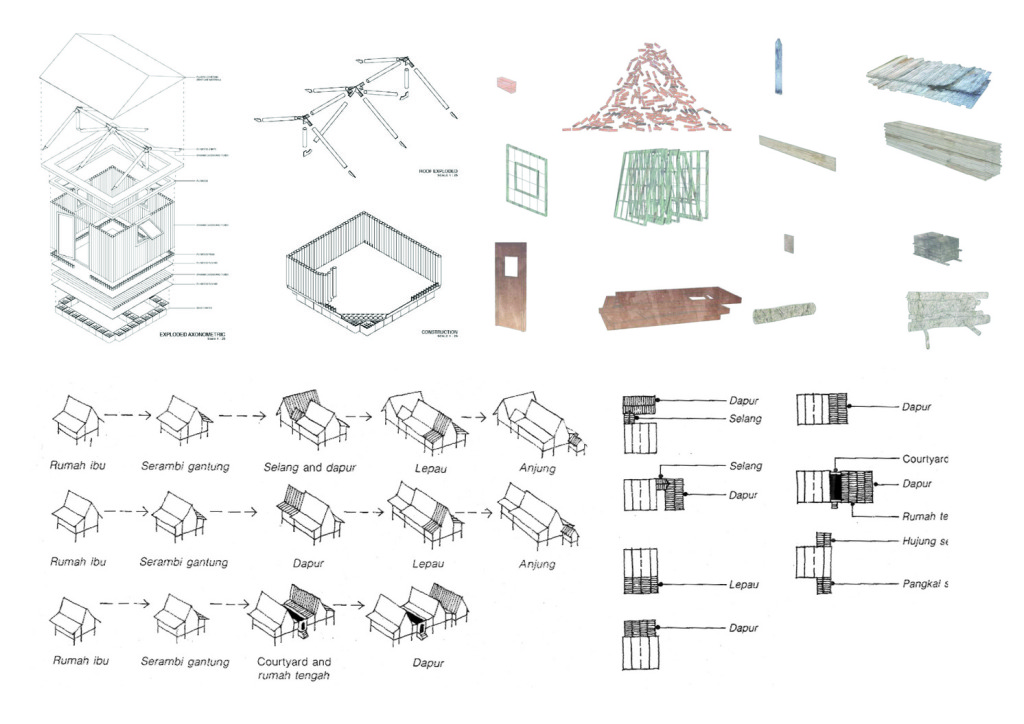
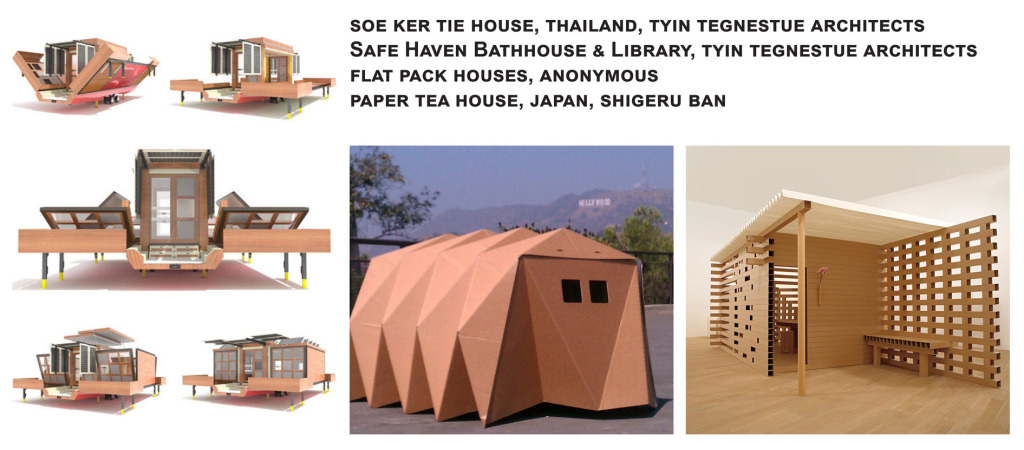
. Study of accessible Burmese materiality that is cheap and sustainable for construction . Study of local tectonics, building techniques that can be learned promptly by unskilled migrant villagers . How different are the living habit of a Muslim to Buddhist? How could the design of architecture ease the conflict between the two communities? A study of spatial organisation, the interaction between public space and private space can be investigated.
BIBLIOGRAPHY 1. Logan, William Stewart. The Disappearing “Asian” City: Protecting Asia’s Urban Heritage in a Globalizing World. Oxford: Oxford University Press, 2002. |