Junkspace
|
Why?
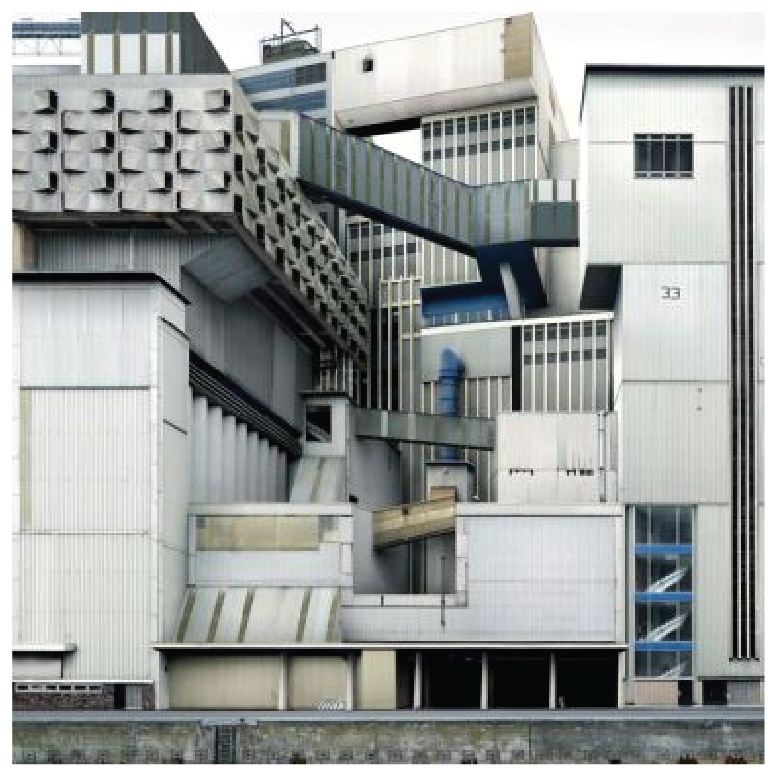
“Junk space thrives on design, but design dies in Junk space. There is no form, but proliferation…” Rem Koolhaas (2005) There have been many definitions of junk space even just by the Koolhaas, who invented the term by reversing the term ‘space junk’. Junk space is often regarded as the parasitic space existing in our city with negative impact to city. These spaces lack recognition of the modern uses, which makes these space left unused and ultimately demolished. Before starting any research, it is difficult to locate and understand these existing spaces. I imagine these spaces exists more in older cities where urban planning has not been efficient and which capitalistic developers develop based on the salable area but not thoughtful designs. Junk space limits design and city growth in its continuous expansion and it must be formalized to create new density and image to the city. What?
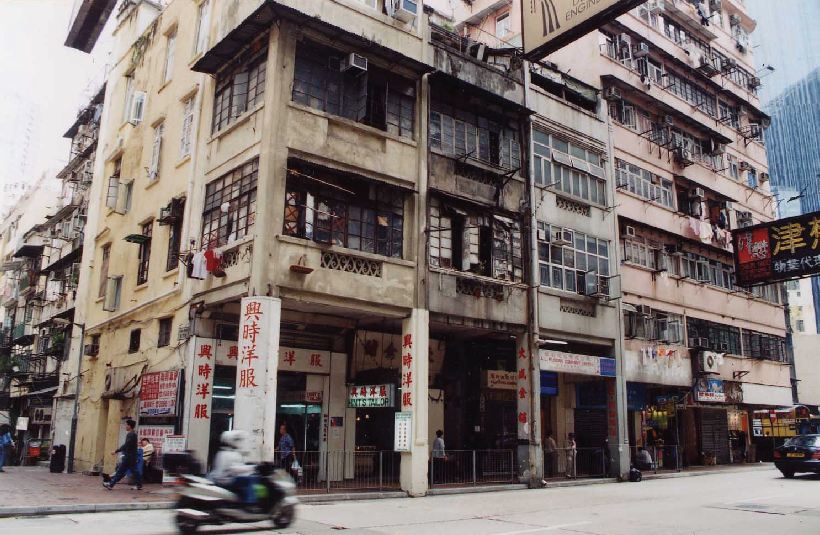
“Junk space is the body-double of space, a territory of impaired vision, limited expectation, reduced earnestness.” Koolhaas (2005) Hong Kong is composed of architecture that has particular form and type when built at specific period of time. Walk up buildings in 19th century, housing estates, to today’s podium tower. Walk up buildings usually cluster in one area and it is difficult to redevelop all in once due to multiple ownership. However they post unused space and danger to residents. The Urban Renewal Authority often targets these places to demolish to create another podium-tower complex. These districts are essentially one definition of junk space which completely erases the district’s original identity and creates another typical building. I want to test if there are alternatives in meeting the city’s need without demolishing all the buildings by manipulating junk space existed in the area. Can these districts, together with the junk space within it, expand vision, raise expectation and increase earnestness? How?
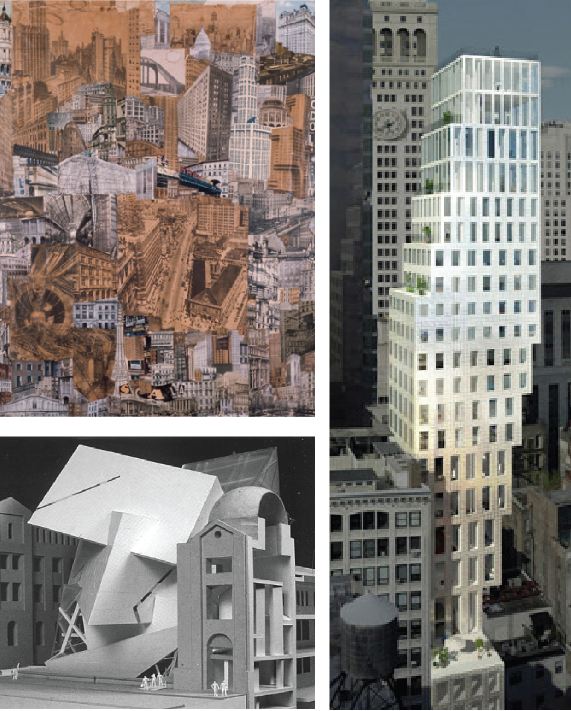
Through studying the site context, I would like to rebrand the area by contrasting its original form, while keeping the existing buildings. I would like to alter the density of an area by slicing existing building, adding new elements to create new spatial opportunities in a dynamic form generation. While exposing the originality of the existing architecture, the design should transform junk space into a more united series of architectural moments and networks that enhance the spatial quality of the city. This may include new programs, infrastructure or circulation in balancing the city and creating a new identity. Research includes a series of documentation of junk space in Hong Kong and other cities, buildings remodeling. Design experiments can start off by collaging the city and reimagining how the city interacts with junk space. By modeling existing buildings and a series of adding and subtracting exercise, a new city image can be formed with branded spatial quality. |