|
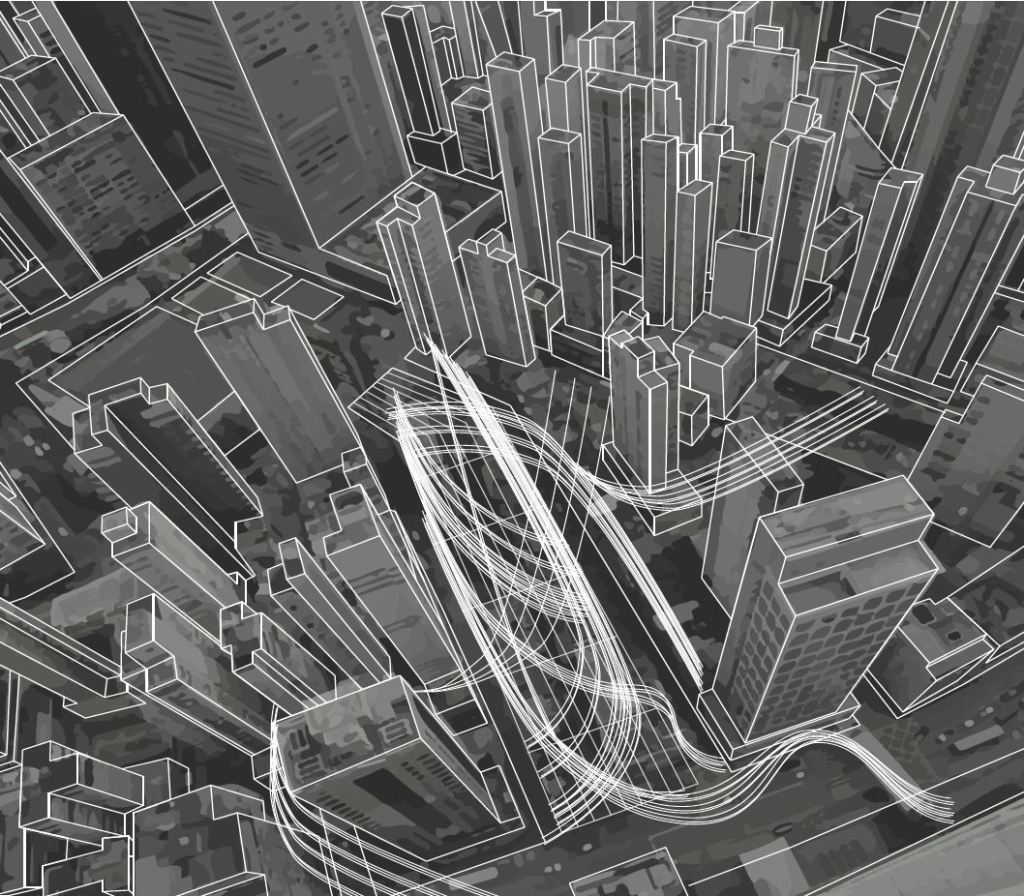
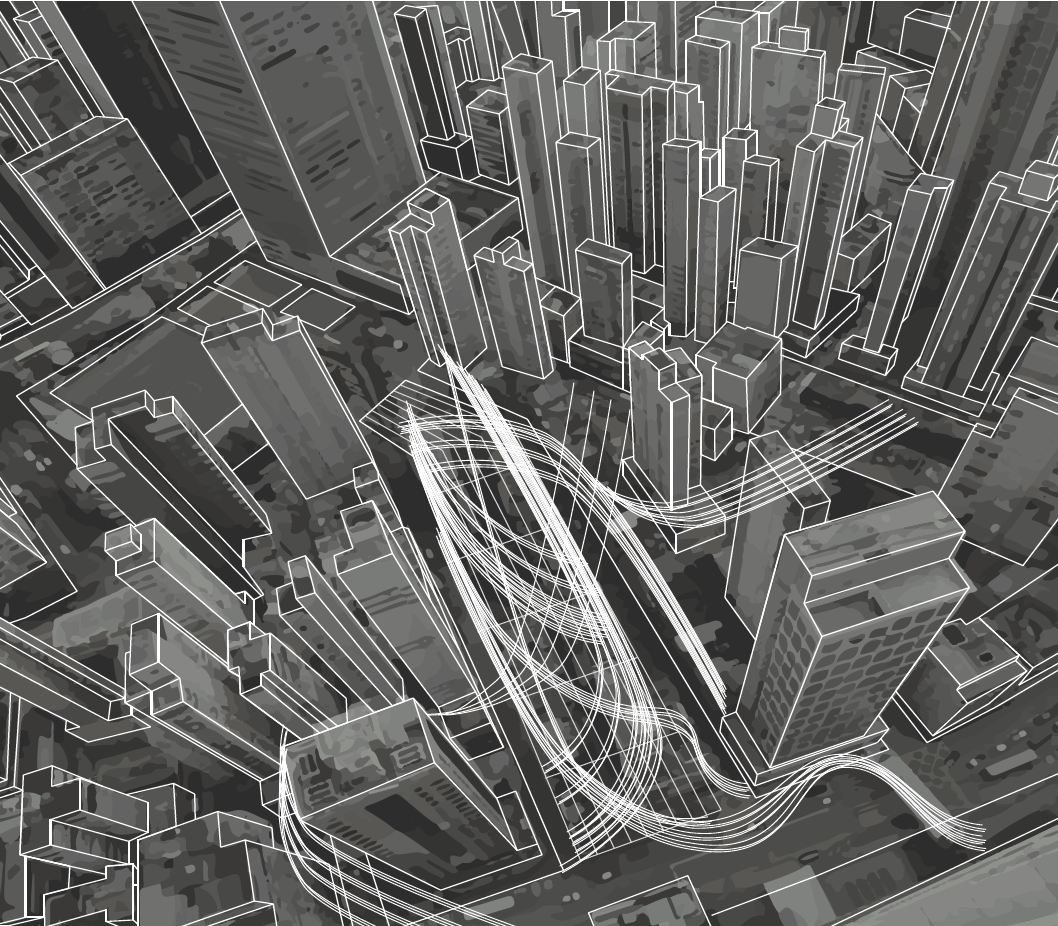
The thesis explores the making of heterogeneous place through reassembling informality grid in wan chai lee tung street. This drawing imagines the new grid system and crowds flow on site. It creates different layers of public space to intensify and connect the city. By defining programs and setting up nodes on the grid, a new data grid of crowds informs the density of the space.
What?
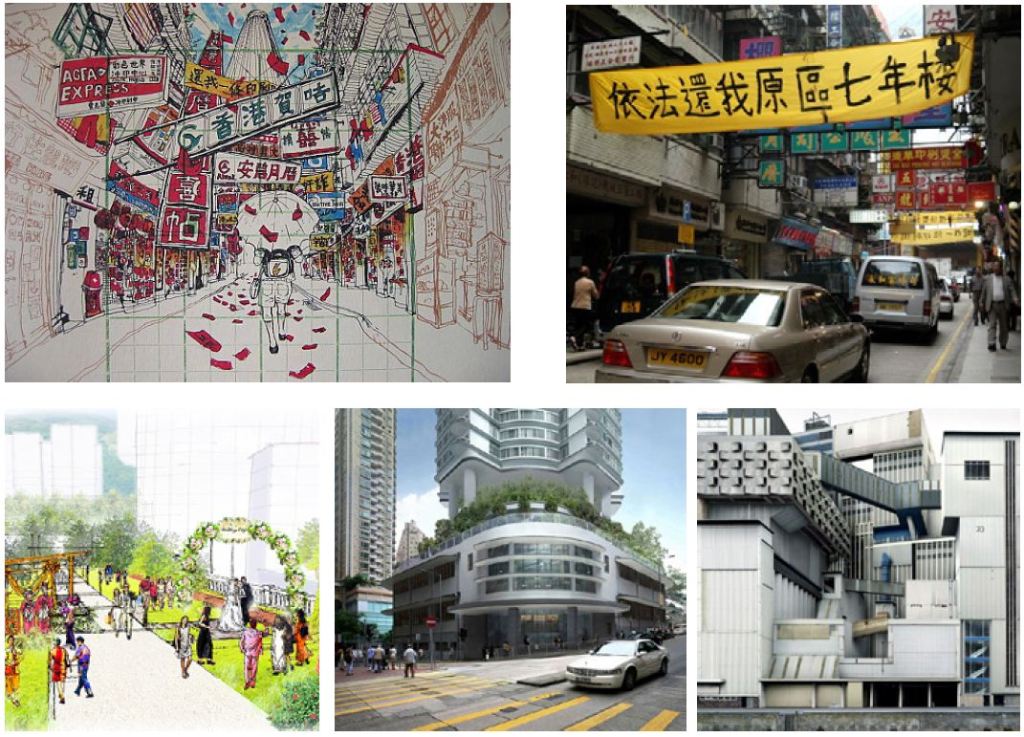
WEDDING CARD STREET
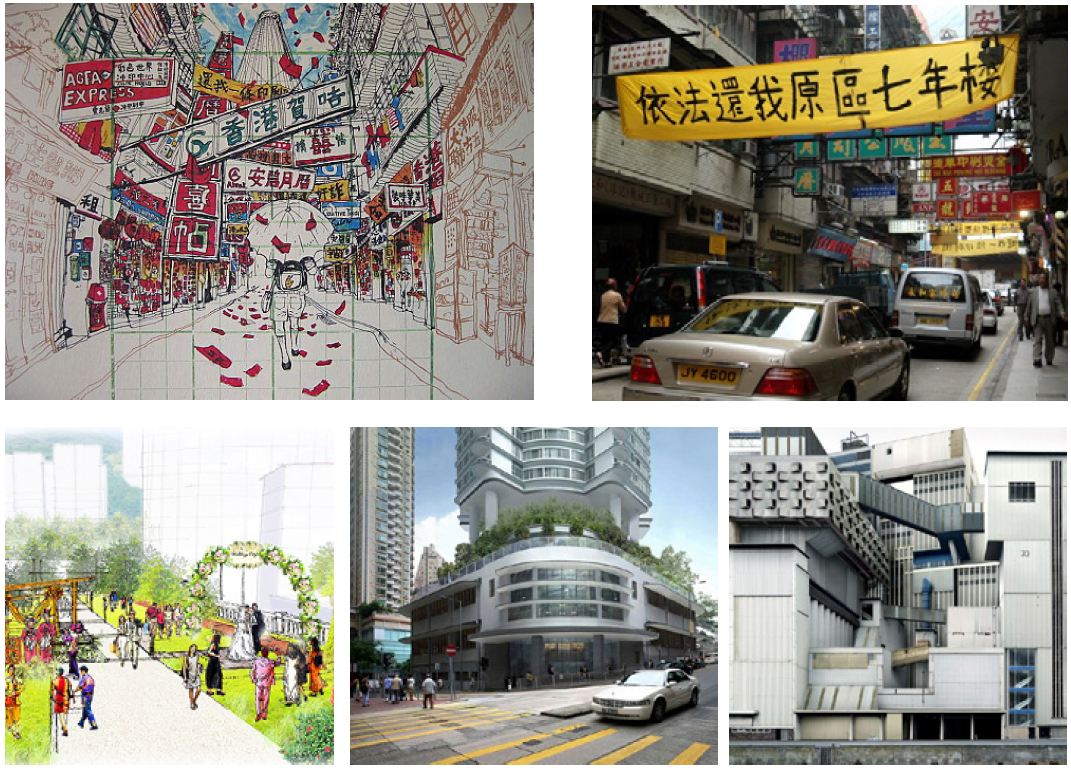
My thesis will focus on the redevelopment project of Wan Chai Lee Tung Street, which was known as the Wedding Card Street. It involves site area of 8000 square meters. 52 buildings were demolished, affecting 1600 population. The Urban Renewal Authority approved a generic scheme with four podium-towers, underground car parking and new wedding shops. My thesis tests place-making methods in rebranding Wedding Card Street that mediate between economic development and local culture.
Wedding Card Street had local values and memories but the new proposed scheme is another generic urban project with artificial gimmick ie. a drawing with married couples on green space.
The thesis will explore heterogenetic public space of different scale, shopping area, buildings, park, and public roads to pedestrian flyovers to find potentials of infiltrating local vibrancy to the city.
Why?
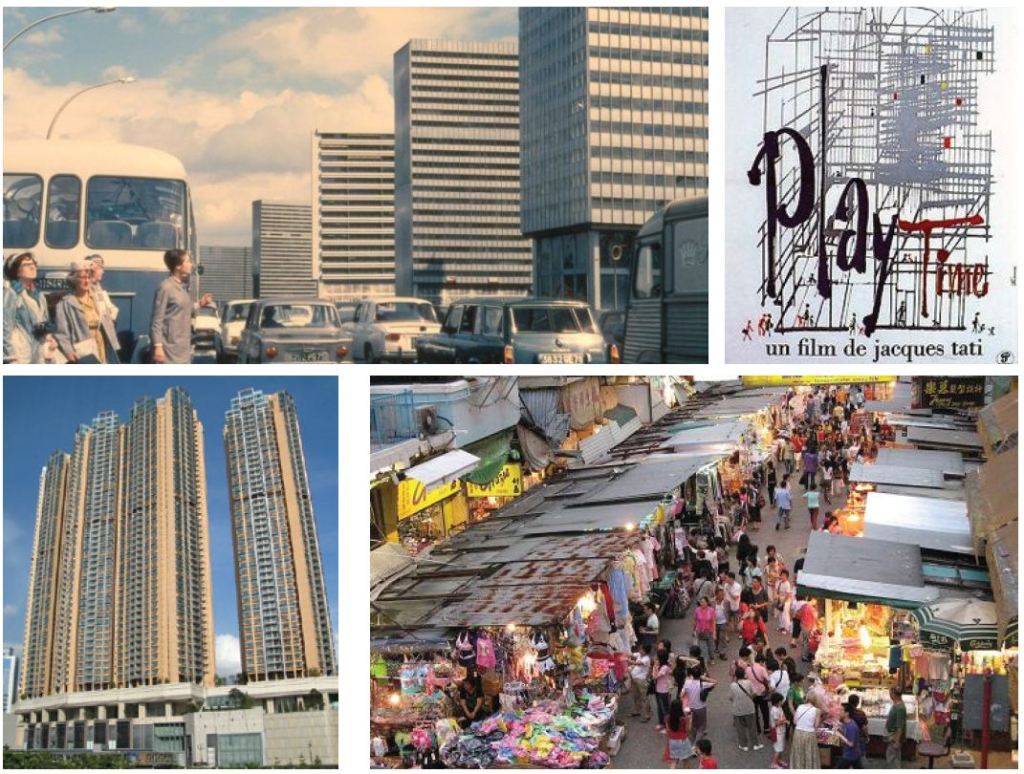
HETEROGENEITY
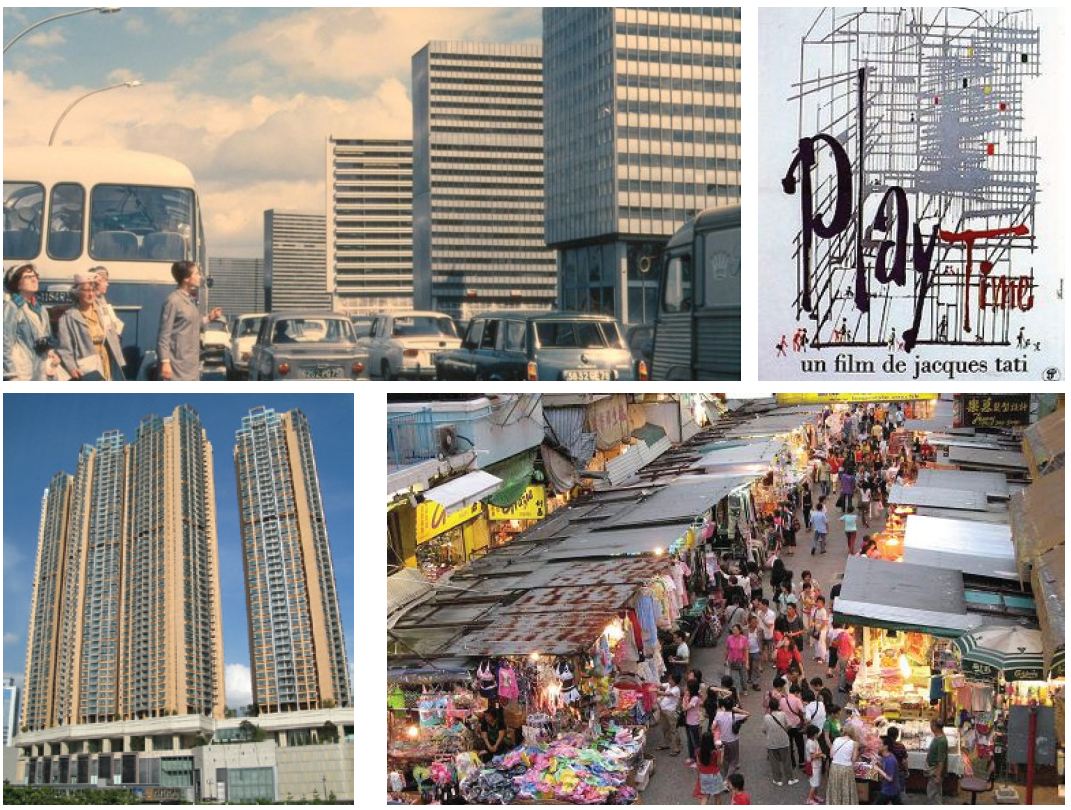
In a developer-driven system, China’s cities are evolving over a short period of time with fast-generated globalized design with a tendency towards placelessness. The dual identity of highly-modernized towers and highly-localized informal chaotic markets define Hong Kong’s identity. In seeking the generation of local values and vibrancy, heterogeneity is preferred over generic spaces, in which it tends to limit local identity. Despite Hong Kong’s strong sense of preservation guidelines, Hong Kong is redeveloping old areas to construct more generic buildings, as many old areas do not necessarily fit the “guidelines”, and hence losing vibrancy of old areas. Preservation and place-making should be reevaluated to stop Hong Kong from developing into a generic city. Preservation should be critical to preserve local culture but not only “beautiful old buildings” with confined by its year of construction. There is no doubt that Hong Kong will continue to redevelop, it is essential to find the direction for further development.
How?
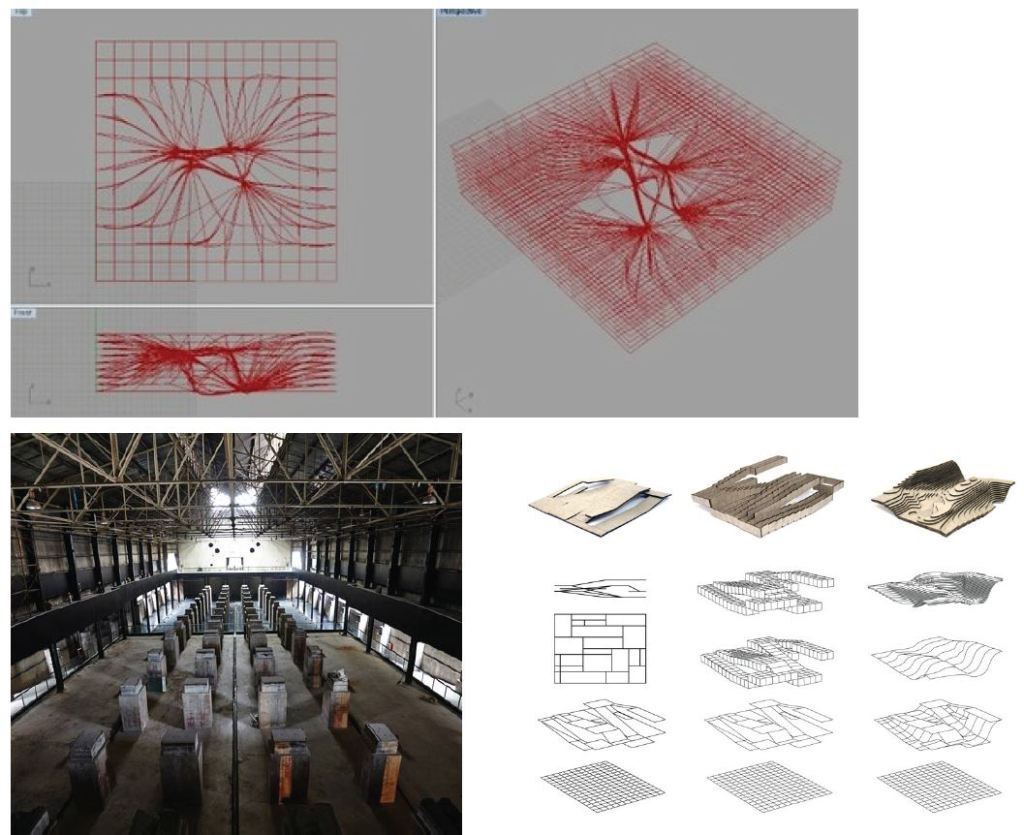
GRID MANIPULATION
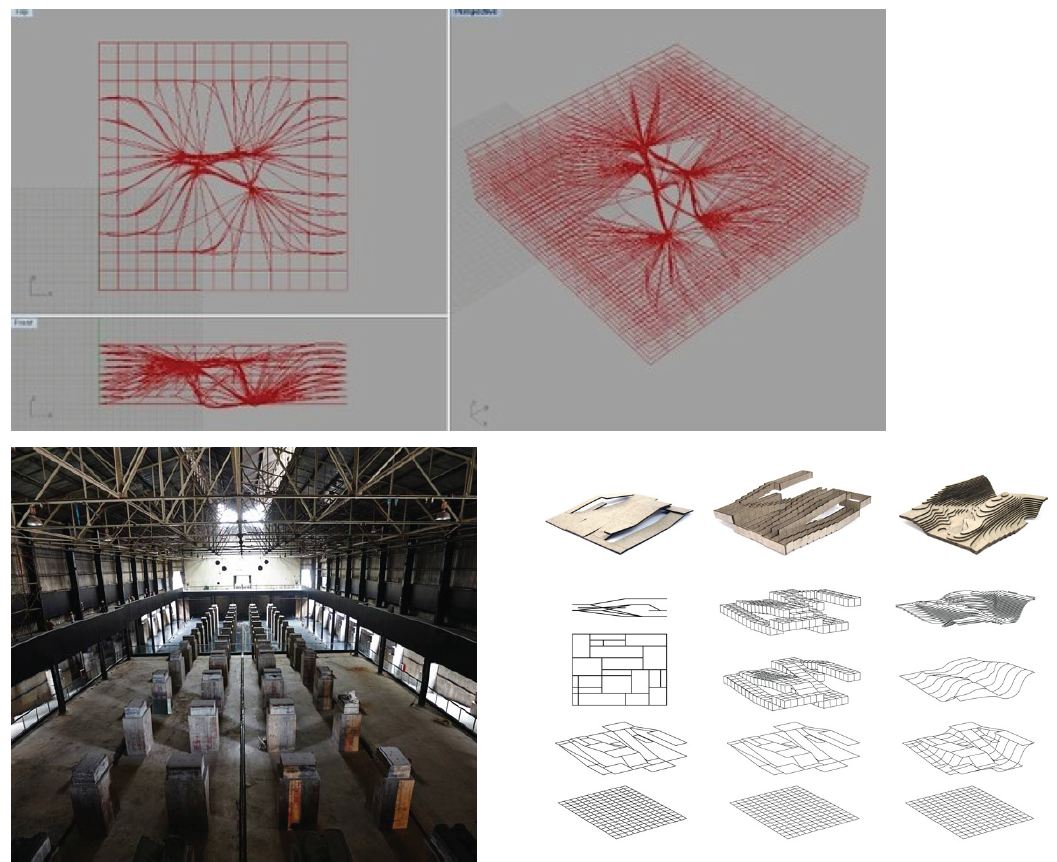
This thesis will examine innovative strategies for place-making of Lee Tung Street. The approach is to deduce spatial qualities that promote local vibrancy. Crowd circulation, grid system and architectural elements in highly-localized informal markets can be analyzed to seek for correlations.
With analyzed crowd data and assumptions of crowd movement, city grid can be manipulated through deformation, subdividing and layering to discover new degrees of heterogeneity and urban typologies.
Bibliography
Robertson, John. “There Goes the Neighborhood.” HK Magazine. N.p., 9 Oct. 2008. Web.
CityU. “Lee Tung Street.” Archive of Urban Studies. N.p., n.d. Web.
“Play Time.” IMDb. IMDb.com, n.d. Web.
Koolhaas, Rem. “The Generic City.” S,M,L,XL: Office for Metropolitan Architecture, Rem Koolhaas, and Bruce Mau. New York, NY: Monacelli, 1998. N. pag. Print.
“The Interstitial Park.” Cooking Architecture. N.p., n.d. Web.
Allen, Stan. Points Lines: Diagrams and Projects for the City. New York: Princeton Architectural, 1999. Print.
Koolhaas, Rem. Delirious New York: A Retroactive Manifesto for Manhattan. New York: Monacelli, 1994. Print.
Stan Allen. Tracing Eisenman: Peter Eisenman Complete Works. New York: Rizzoli, 2006. Print.
|