|
-WHAT?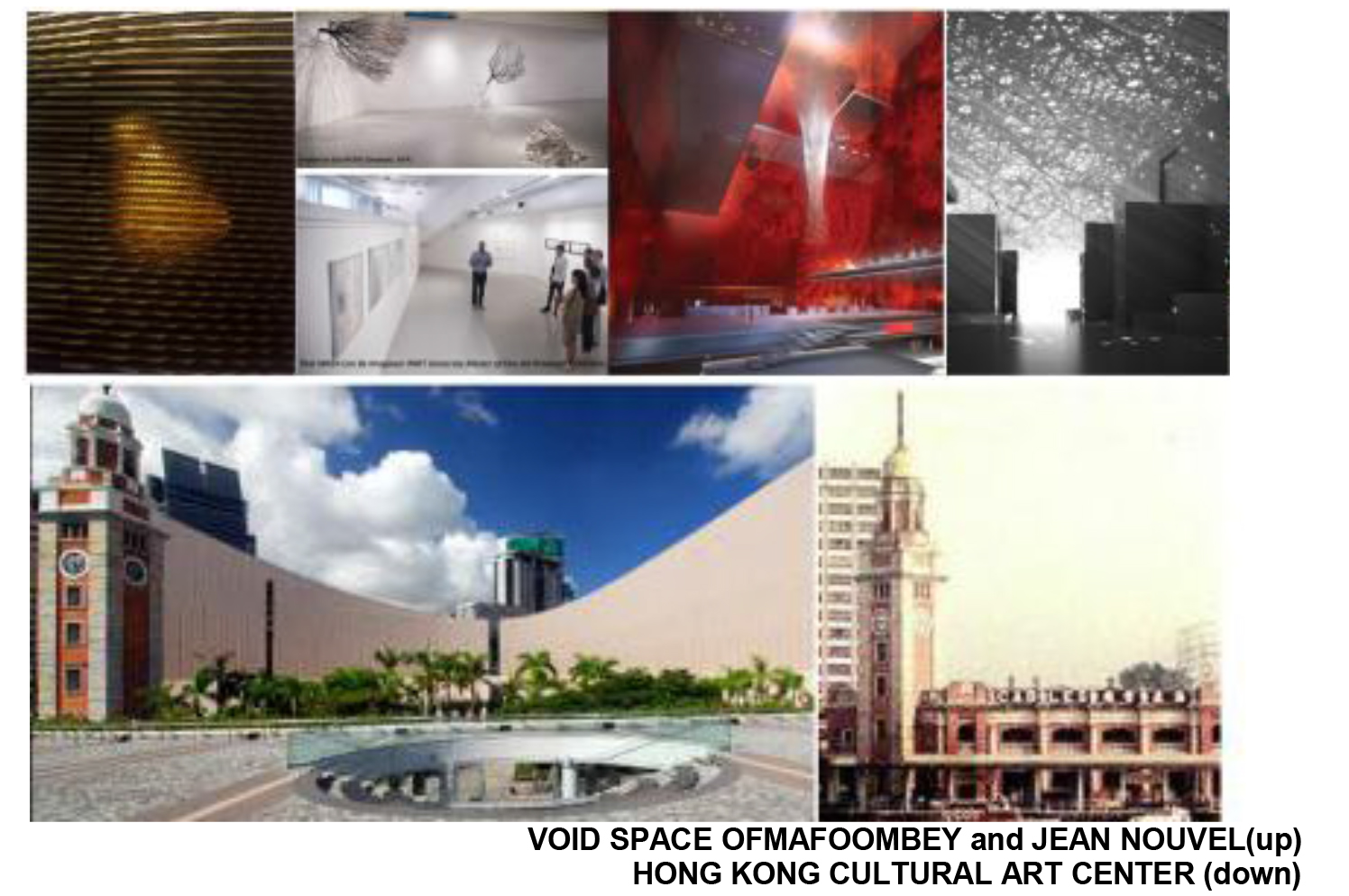
Based on analysis of the regional cultural spirit and cultural connotation ,as
well as void space as a medium and expression of architecture, this thesis
about Ambiguous void space will attempt to create significant and totally
new interactive between interior and exterior, time and memory, void of
architecture and void of cities .
It will use a Cultural Art Center in Tsim Sha Tsui as a site for a redesign
project to study the thesis topic. This is a site full of emotion to trace the
moment of the old train station, as well as a new medium of the Hong Kong
city art. Currently, it loses communication with urban due to its monument
style. This thesis will emphasis on how the various interior void space of
architecture and void space of city , deal with the experience with the
light ,as main carrier of this existence comes from history. And the
relationship starts to vary and reverse if the study accompanied with the
variation of material ,transparency of plan and forms. It will help to transfer
solid to the Ambiguous Void Space and create poetic spacial effects.
Therefore, This void space is filled with the desire to break through
boundaries, to “represent”and to “communicate”. In the building, the void
start to tell the mystery of memory and concentrate space feelings and
stories.
Why?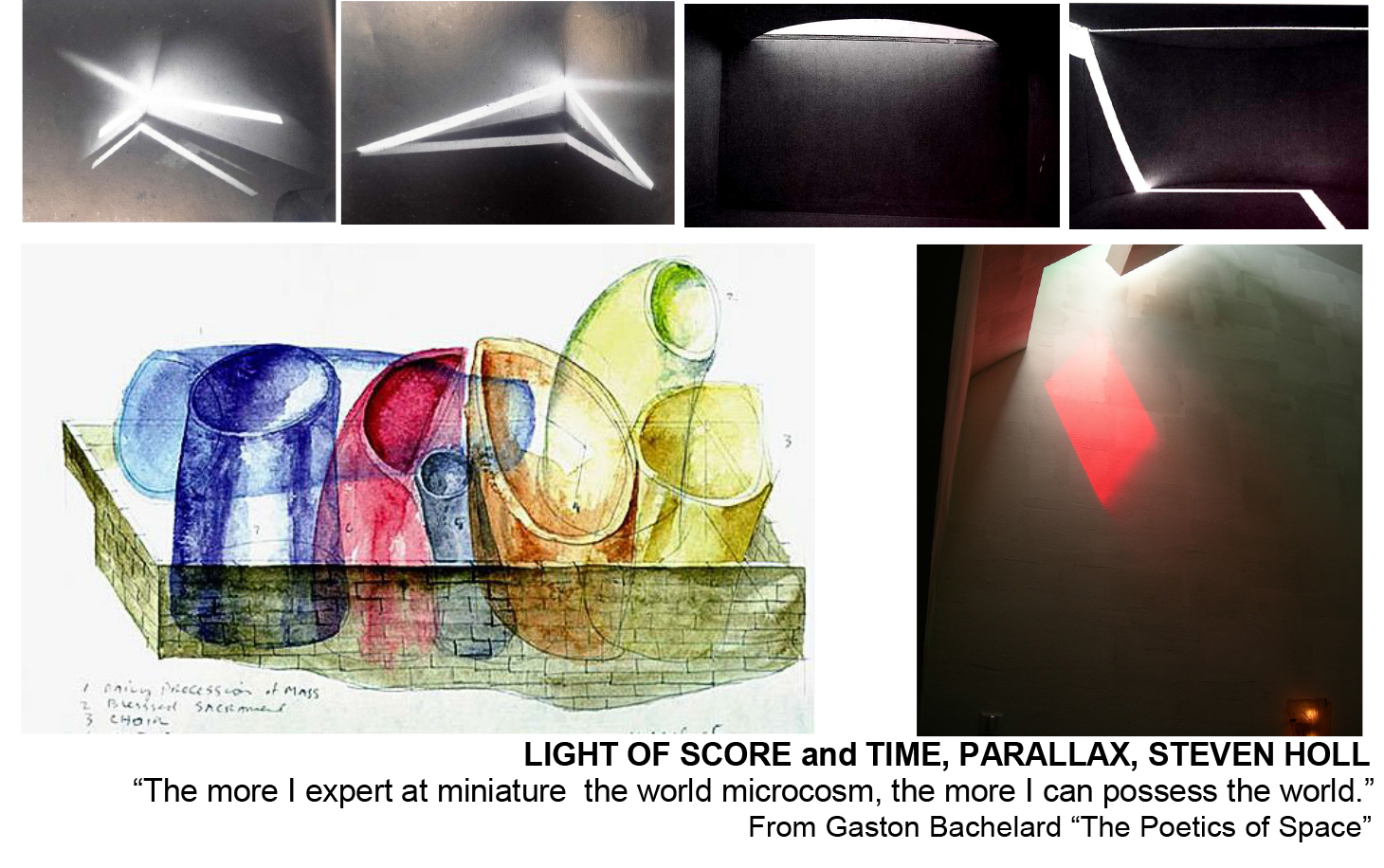
The non-objectification-void space is an essential part of architecture design
and urban design . Its relationship with the form of solid enclose it , the
material to respond it and its organization can make this ambiguous void
space as a medium of building and architecture culture. It will create more
communication in between(time ,space).
Besides, with the advent of the contemporary architecture system, the
diversified materials of expression of ambiguous with transparency and
semi-transparency which allows more mutual effect ,and the fancy lighting
technology impacting on the interior space and surrounding space, the
modern ambiguous space seems specific ripe for study.
Moreover, ambiguous as a “Morals” philosophy more roots in orient cultural,
which sets the cultural background as necessary driving force to study. And
the investigation and system research about flow of plan , the contribution of
modern and natural light, the materials ,will make it possible to design an
ambiguous void space. It absolutely could create a significant and new
interactive between interior and exterior, time and memory, void of
architecture and void of cities. All of these have rarely been done.
-How?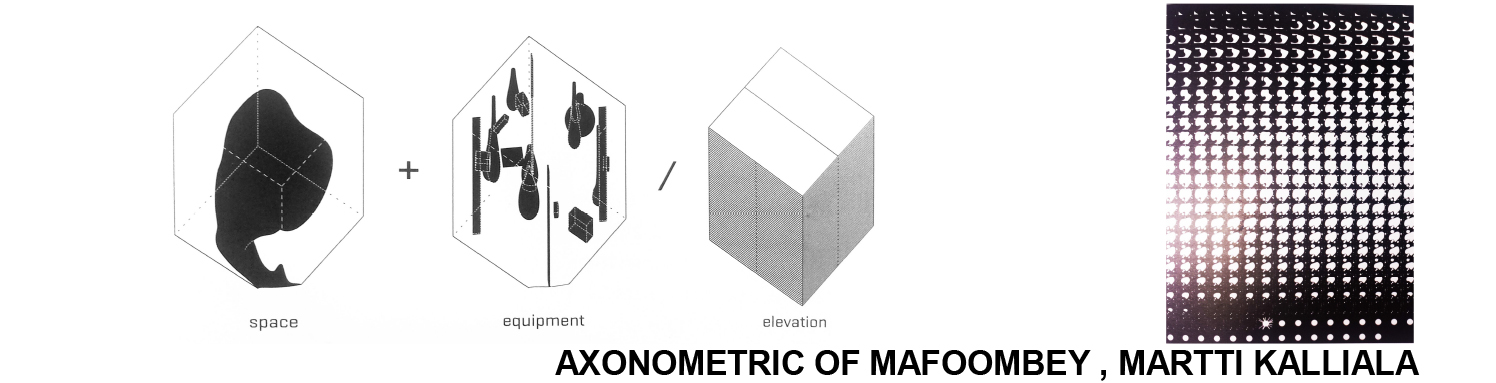
The difficulty of this miniature behavior starts at recording spatial existence
as Norbert schultze defined. Firstly, I will further investigate two canonical
case studies (the pantheon and Classic Garden of SuZhou) a serious of
animation map the ambiguous and changing void space through recording
the time changing and daylight. It will be used to understand basic
relationship between solid ,volume, mass and light In order to test how to
define ambiguous void space as a medium to express the existence
regional cultural and traditional ideology. Secondly, the ambiguous void
space changes under high-technology expression of light ,case like the wind
of Tower and Louvre Abu Dhabi by Jean Nouvel by carving space in light
and shadow .
The methodological processes diagram of my thesis is the following two
lines: should start in cultural research to embody abstract regional aesthetic
space and poetic conception, then trace memory and event of human to find
the targeted “existence” of space in urban or architecture. On other side,
form, transparency, material and construction, all perform as tool to transit
ambiguous figure to void of space.
Bibliography:
1.Bachelard, G., & Jolas, M. (1994). The poetics of space. Boston: Beacon Press
2.Holl, Steven. 2000. Parallax. Basel: Birkhäuser-Publishers for Architecture.
3.Colin Rowe and Robert, Transparency: Literal and Phenomenal, The MIT Press .
4.Lisa Lwamoto Digital Fabrications,Architecture Material Techniques Princeton Architecture Press
|