Reassembling Junkspace: Heterogeneous City
|
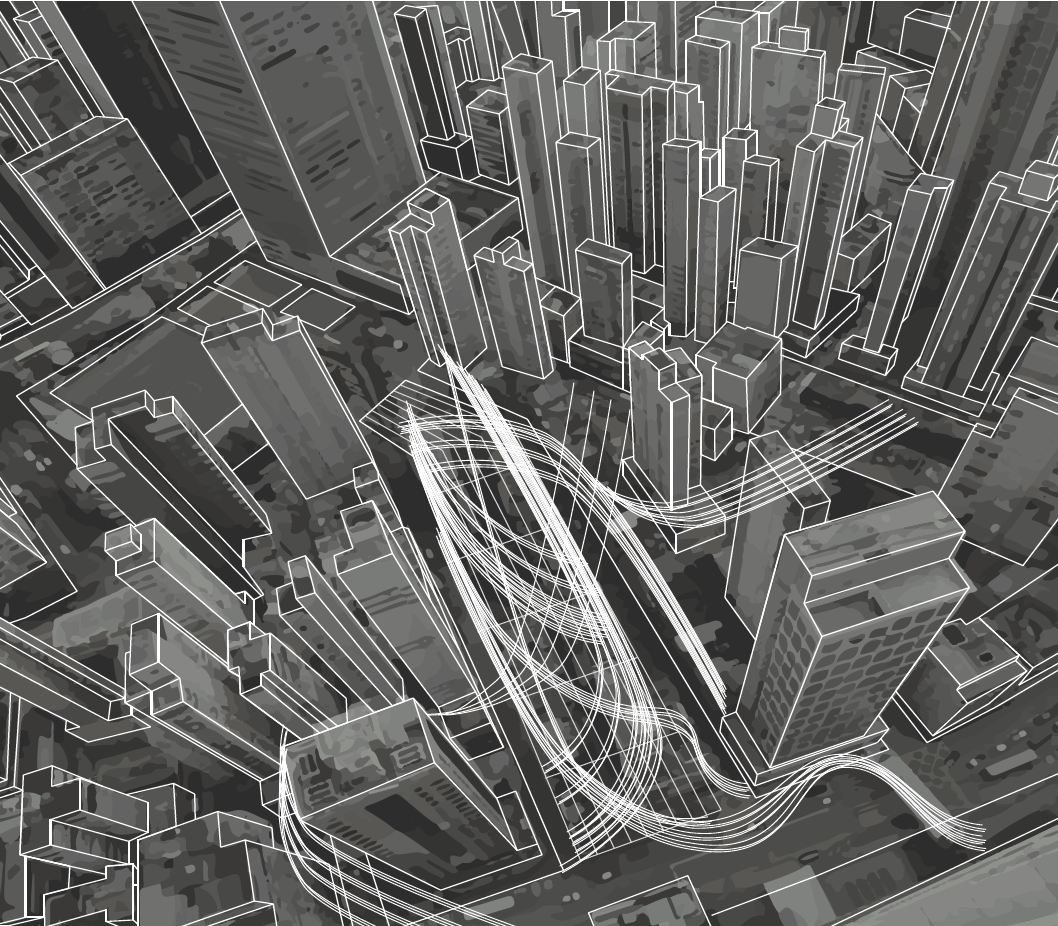
The thesis explores innovative strategies for building on top of, around and within existing buildings – a practice not common to asian cities like Hong Kong. The goal of the thesis is to discover new degrees of heterogeneity and urban typologies that softens the disjunction of new and old buildings.This drawing imagines the new grid system in a redevelopment project in Wan Chai and on top and around juxtaposed existing buildings. It creates different layers of public space to intensify and connect the city. What?
The thesis explores innovative strategies for building on top of, around and within existing buildings – a practice not common to asian cities like Hong Kong. The goal of the thesis is to discover new degrees of heterogeneity and urban typologies that compete with or even redefine our understanding of junkspace. Why?
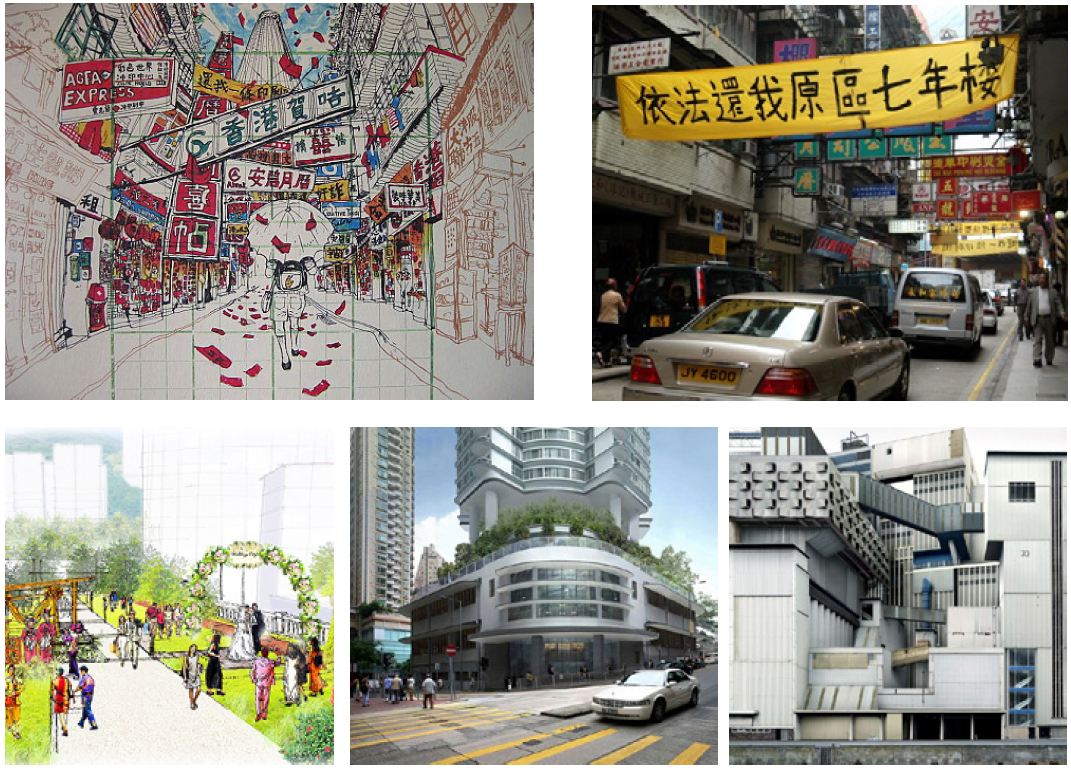
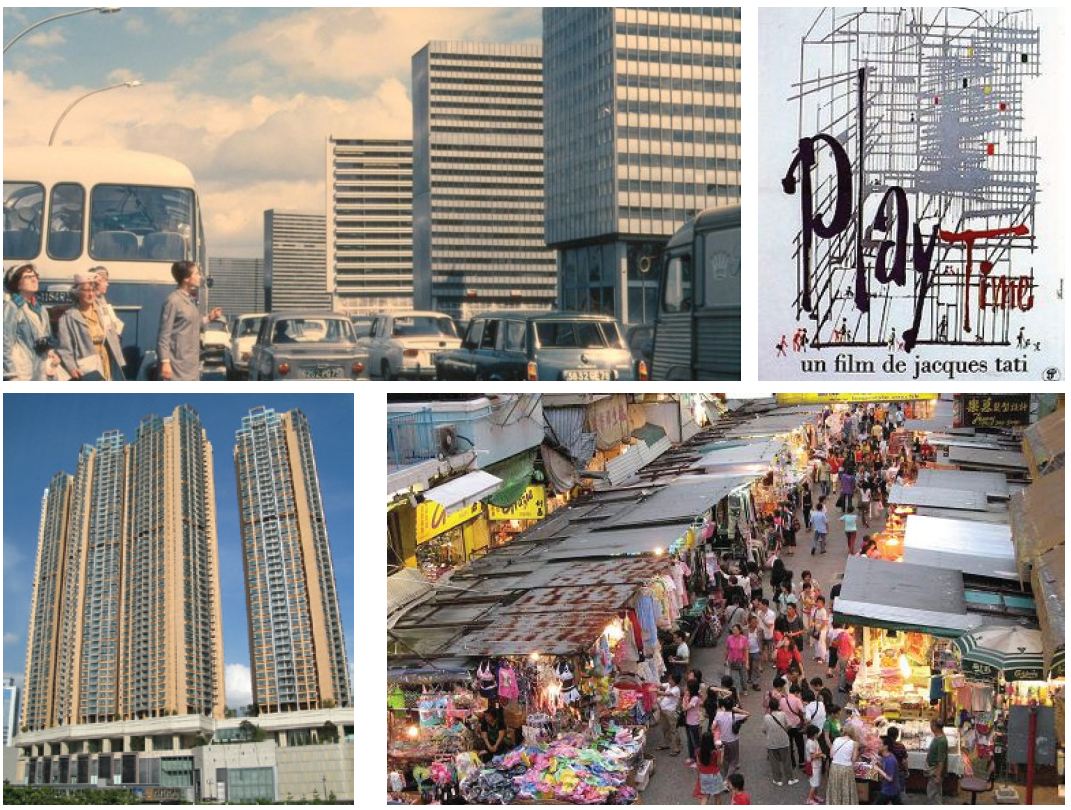
In a developer-driven system, China’s cities are evolving over a short period of time with fast-generated globalized design with a tendency towards placelessness. Junkspace as coin by Rem Koolhass, was a term that captured the vast generic spaces of capitalism. Although the identity of Hong Kong is defined by highly-modernized towers, highly-localized informal chaotic markets also signifies an important identity. The non-authored heteropic spaces are often outward growing and there are strong desire for the spatial experience it offers. Despite Hong Kong’s year-based preservation guidelines, Hong Kong is redeveloping old areas to construct more generic buildings, as many old areas do not necessarily fit the “guidelines”, and hence losing vibrancy of old areas. Preservation and place-making should be reevaluated to stop Hong Kong from developing into a generic city. There is no doubt that old districts of Hong Kong will continue to redevelop, it is essential to find the direction for further development. How?
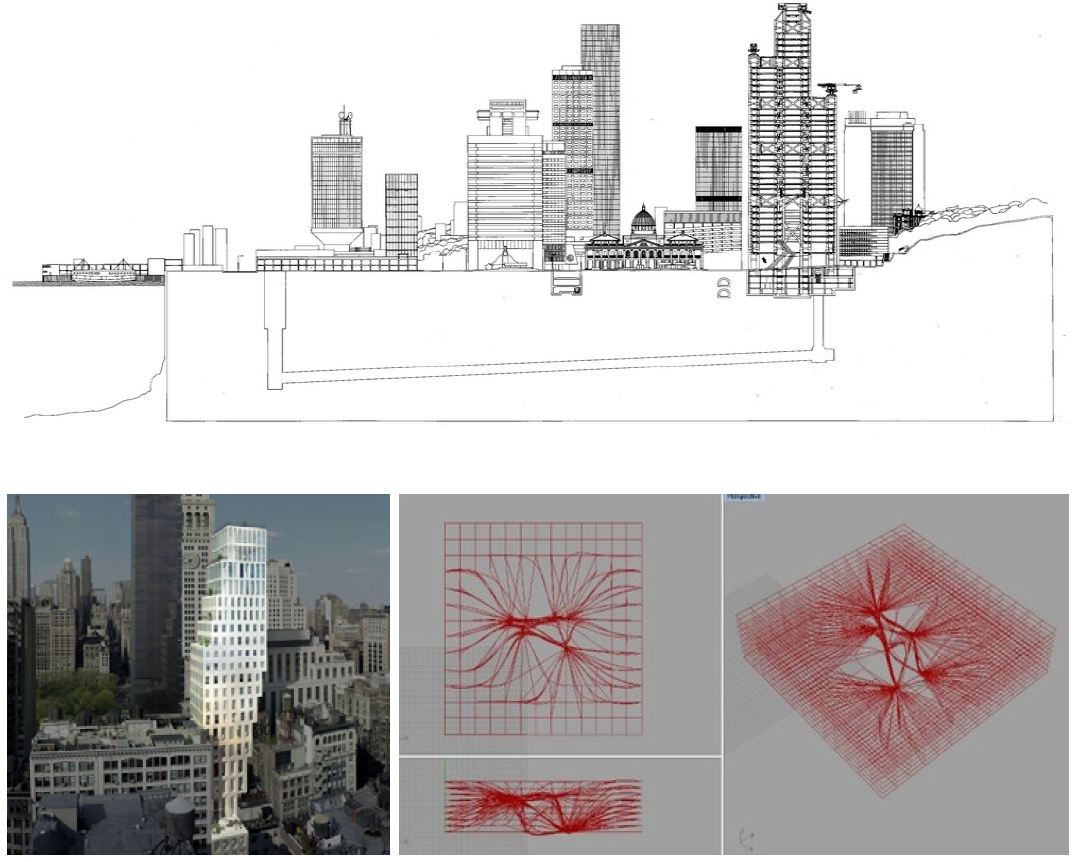
This thesis will embark with a series of sectional mappings taking slices through the densest remaining residential fabric in Hong Kong. The mappings will be studied for their spatial and structural potential setting up a guidelines for how to intervene within that fabric. The thesis will examine innovative strategies for place-making of Lee Tung Street. Crowd circulation, grid system and architectural elements in highly-localized informal markets can be analyzed to seek for correlations. Bibliography Robertson, John. “There Goes the Neighborhood.” HK Magazine. N.p., 9 Oct. 2008. Web.
|