|

WHAT?
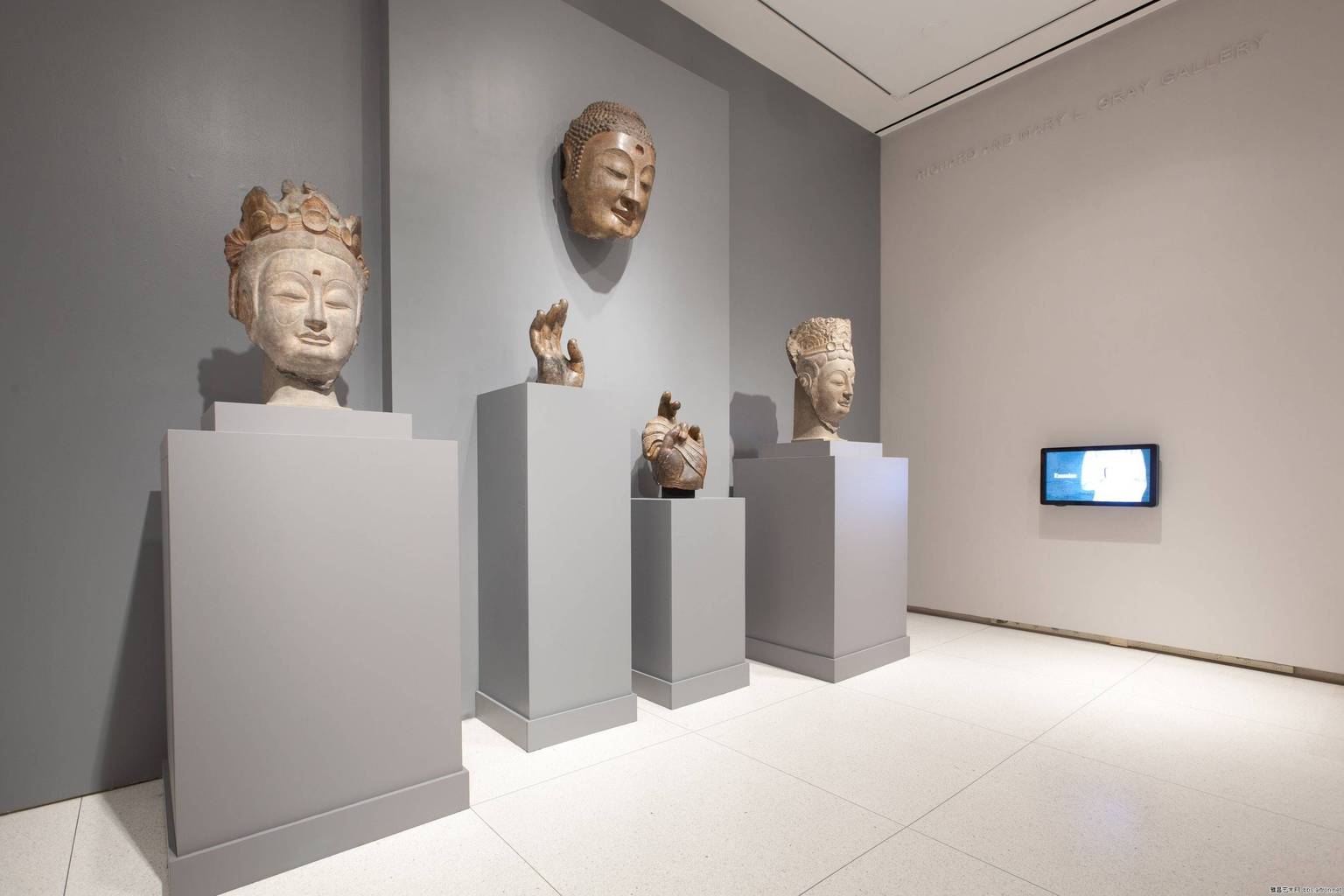
This thesis will experiment with the interior of a contemporary statuary museum which have series ancient statues and frescoes. The research and experiment objects is culture relics from Xiangtangshan grottoes, Hebei province, China. In the early 20th century, the grottoes were been excavated and most statuary artifacts been sold to foreign countries. During 2009 to 2013, some statues in different museums in America came together and had a series exhibitions. The thesis this time will design a museum for these artifacts and the exhibition situation.
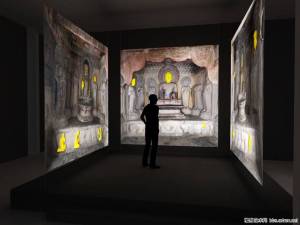
Looking mostly at the relationships between collected artifacts and ceilings, walls, floors and apertures, the project will seek to design a new type of museum experience which is developed from the inside out. The space, structure, enclosure and the outward appearance of the building will be driven in large part by its collections and artifacts’ visual elements. The statuary collection will serve as the testing material and resources made directly available from that museum will be used to further underpin the research and expertise needed for design and development.
WHY?
As a phenomenon of urbanization, various types of museums emerging in China. For modern museums have a general classify of history museums, art museums, natural science museums and complex museums.Compared with other types museums, the history museums which focus on culture heritage have less experience activities and more restrict of physical conditions. The modern project of designing museums for cultural heritage is to reduce and eliminate most distractions so as to allow to focus on each object and get more information in a short time.
The method of display may concluded as isolated showcases in “ white boxes” with artificial light sources. The legacy of this method for understanding artifacts persists into the 21st century, but is contrary to methods deployed in antiquities where deeply narrative based proto-cinematic techniques of conveying information were literally fabricated into the building. Under this display method, artifacts and exhibitions lost visual consecutiveness and expressive force even original artistic characteristics and details. For visitors, more emotion and interactive demands were ignored.
This thesis will explore how to re-deploy those ideas of a more engaging, full and interactive museum environment as a means of testing architecture’s contemporary capacity to absorb media and engage the public.
HOW?
(1)From statuary artifacts’ morphological features.
The artifacts’ morphological features as scale, color, art characteristics are the direct medium for the design.
(2)From artifacts’ original field and environment.
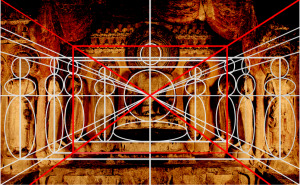
Xiangtangshan grottoes began to build in Northern QI Dynasty, although been serious excavated the original field and environment still kept. Most statues in museums without base even bodypart. As statues are the part of the architecture, the architecture also the part of the artifacts. So the research will from the relationship of original grottoes and the artifacts.
(3)From grottoes’ pictorial space.
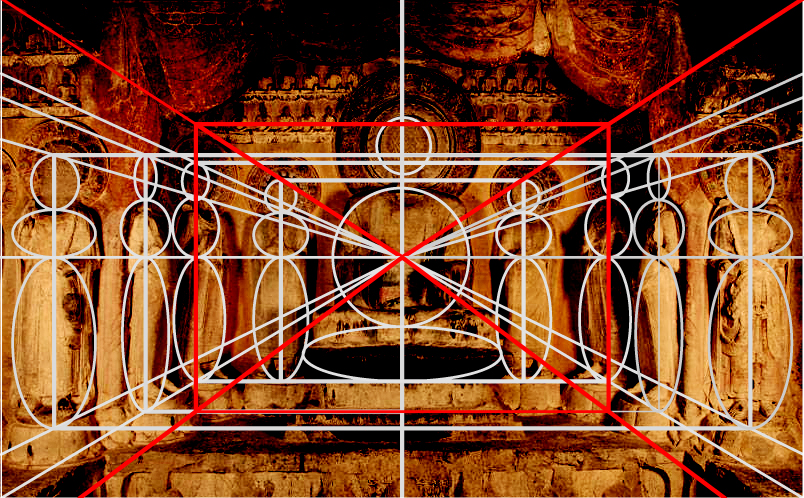
During the Northern and Southern Dynasties, enormous Buddhist cave chapels emerged and a profound change in visual perception and representation. From the Xiangtangshan grottoes reliefs and frescoes, a new sequential narrative mode and three-dimensional space setting appeared. The third testing way is using the pictorial space as medium.
BIBLIOGRAPHY
1. Laurence Sickman and Alexander Soper, 3rd edition 1968, The Art and Architecture of China, Yale University
2. WU HUNG, 1995, MOMUMENTALITY in Early Chinese Art and Architecture, Stanford University
|