Miniature Architecture
|
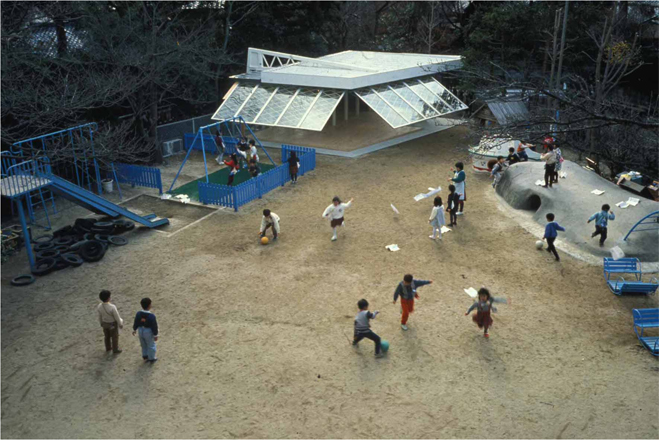
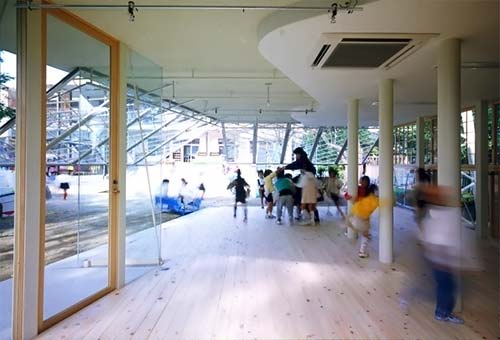
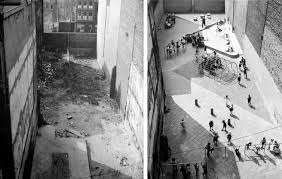
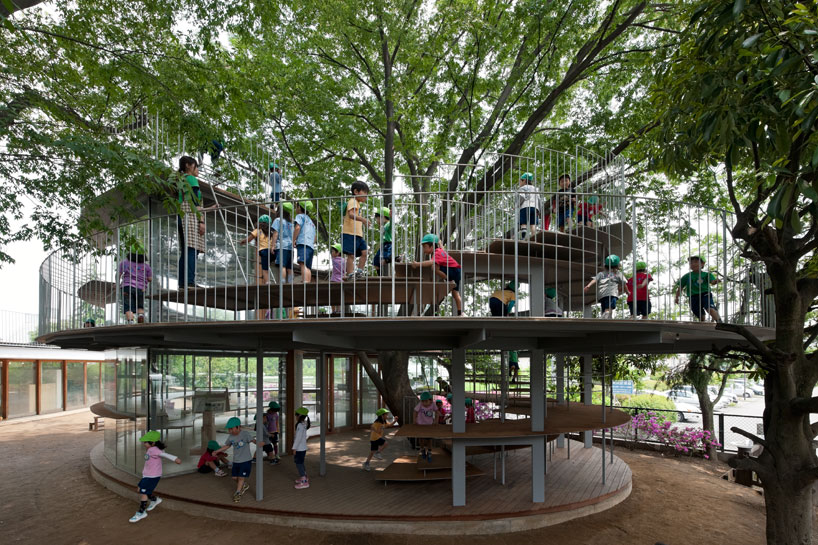
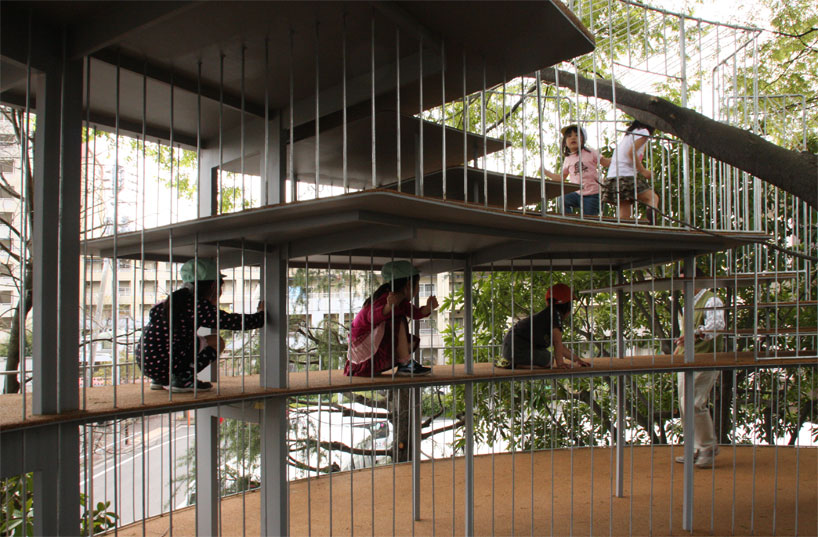
“… that there ought to be a child in every adult and that an adult’s city ought to remain a city for the child, built out of chaos and dreams.” WHAT This project develops on the belief that architecture can serve as a medium to shape and speak with young children during their crucial years of development and be their third teacher.Dutch architect Herman Hertzberger, with over 50 years of experimenting with educational institutions, states that even though over time the ideas about education, architecture criteria and spatial resources may change, “how children learn and how you make space for them to do so have not changed” (Alle Scholen, 2009) The project seeks to develop a ‘classroom’ where play and learning take place in the same setting; where children can be both safe and adventurous, feel at home yet open to the world and provokes individualism while encourages collective creativity. Potential sites will contain some of the following qualities: leftover/abandoned spaces in the urban context of Hong Kong, a site by elements like trees, body of water, hills, etc. It will look at methods in which architecture can integrate and extend into the physical environment for children to learn from the rawness of their surrounding and how things around them work. The spaces will be informed by the children’s behavioral patterns and habits, their playful nature, and how they interact and learn. Surfaces and materials will be explored along with the use of traditional and contemporary medias as a mean of teaching through architecture. WHY Modernity saw educational institutions as a prefabricated and mechanized scheme. Spaces are appropriated for giving-receiving instructions, allowing little room left for children to engage and learn from the physical environment. Educationist Ken Robinson compares schools today to factory lines with separate facilities and procedures to go through. Outdoor spaces like playgrounds were results of large-scale urban planning with very generic layouts. Architects like Aldo Van Eyck, Herman Hertzberger, and Rudolf Steiner, to name a few, sought alternatives in which architecture and its environment can influence children’s learning in parallel to their development steps. Van Eyck, along with Jean-Paul Sartre, one of the most popular philosopher in that age, criticized large-scale abstraction and encouraged unique ‘situations’ planning. Rudolf Steiner affirmed that children (especially under the age of 7) do not learn by instruction or admonition but by imitation and examples. Steiner stated in Educating Children Today that physical environment shapes physical organs: “The child will develop good sight if his environment has the right conditions of light and color…” As a result, it is crucial to rethink and redesign educational institutes for young children in ways that are specific to their developments. HOW BIBLIOGRAPHY |