The Death and Life of Old City
 Demolition WHAT? 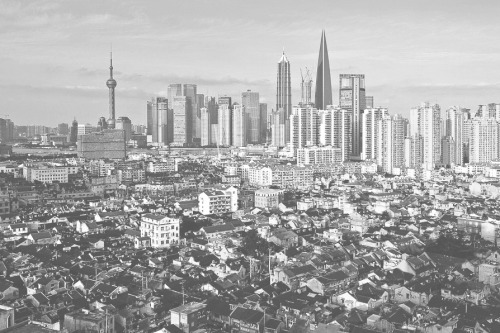 Conflicting Between New and Old, Shanghai 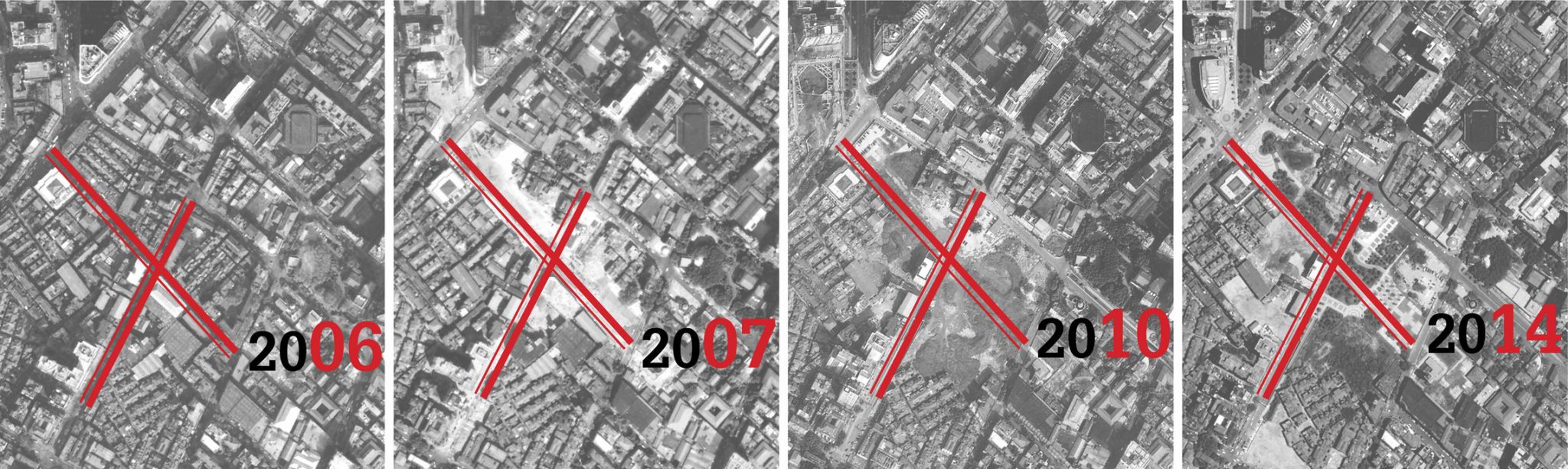 Demolition in Old City, Wuhan As an accelerated urbanization in China, the traditional culture has been approaching How to balance the requirements between economy and environment? The demolition forced out and moved away original inhabitants from old city, most of them lost their place where can make a living. In the scale of old town, it carrying the memory of city and maintaining a way of life. By contrast, demolition and construction will cause a huge impact on it. The old city is in gradually towards death, how to breathe new life into existing cultural desert through renewal and meet the demands of urban development become the key of death and life in old city.
WHY? 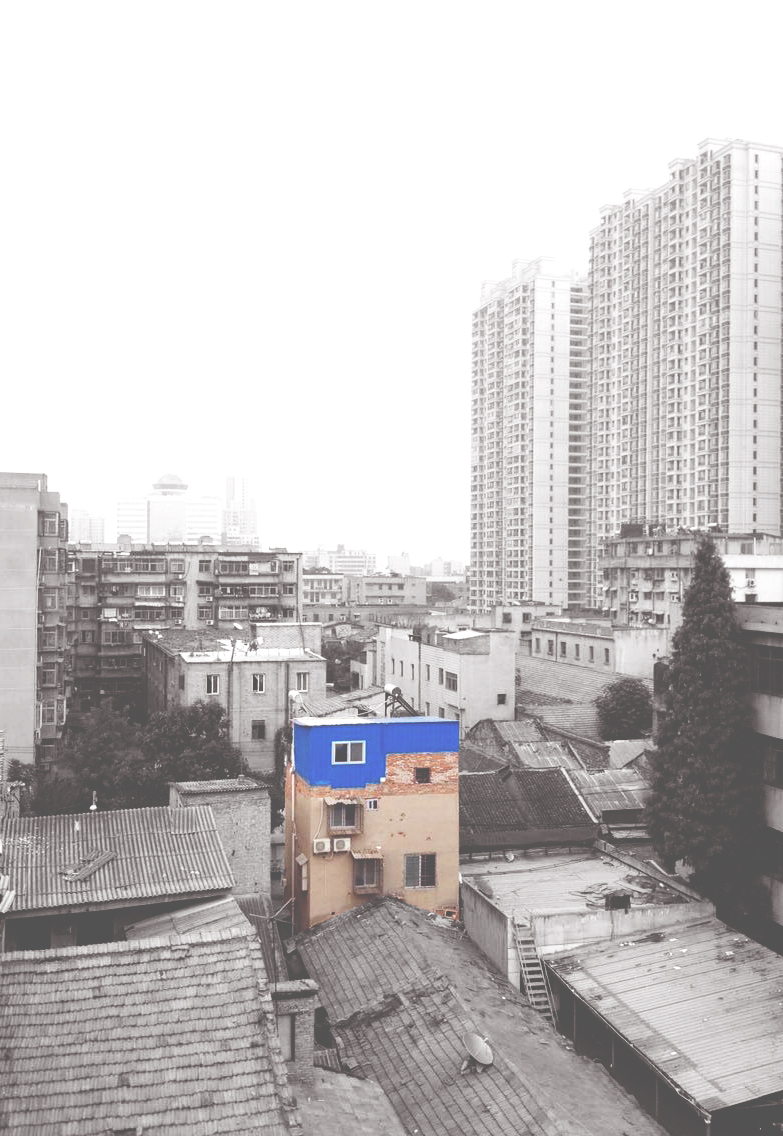 Mixed Materials, Wuhan 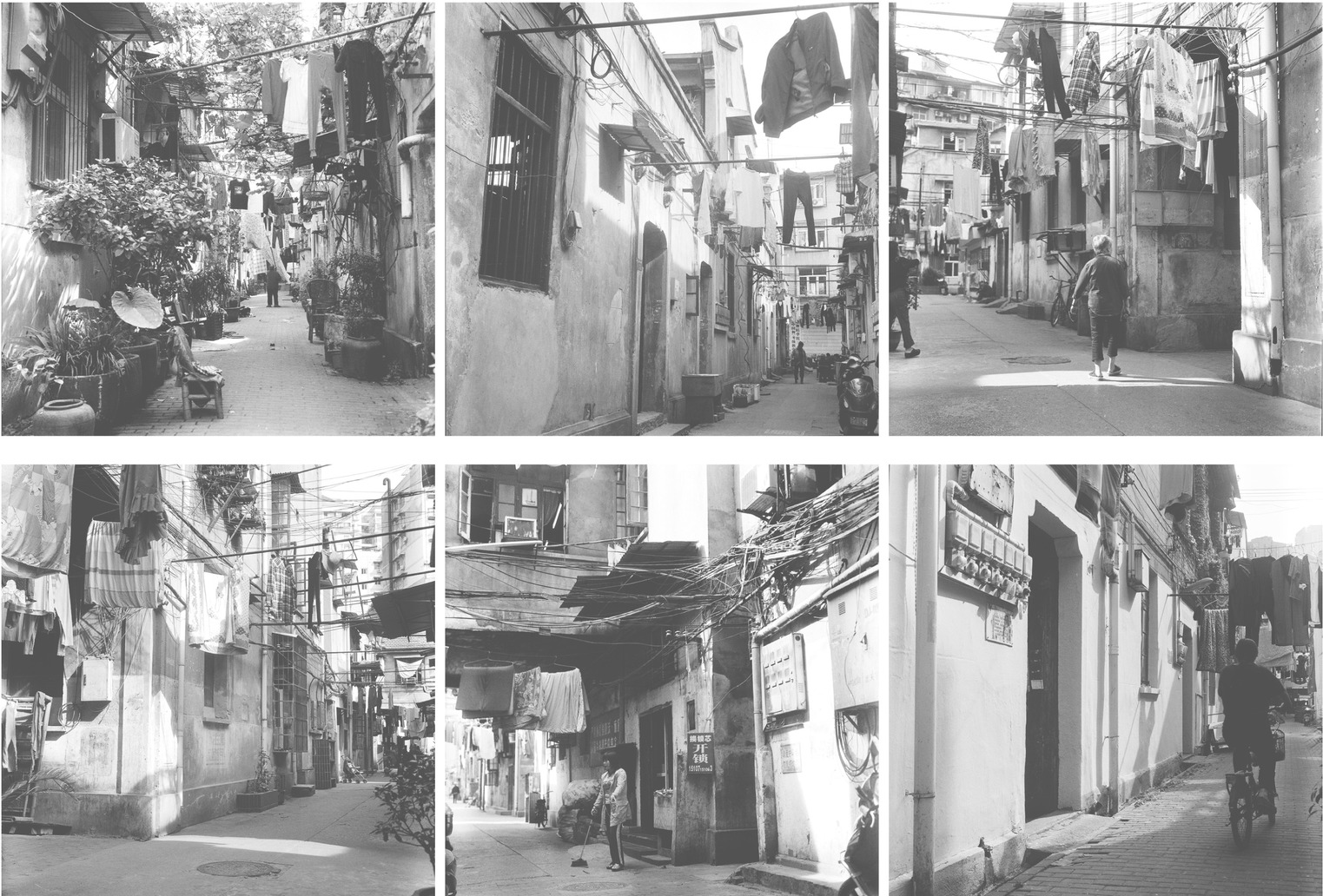 Real Life in LI-FEN 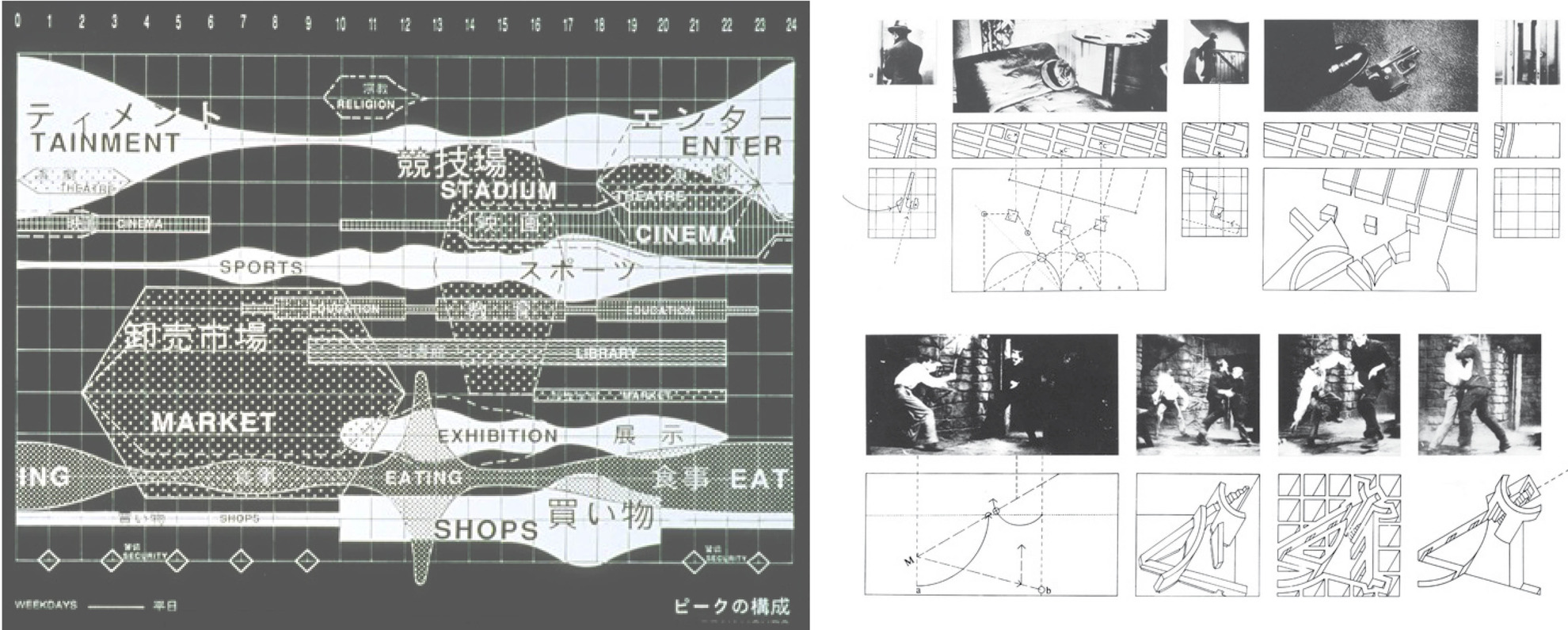 Yokohama Concept, Oma; The Manhattan Transcripts, Bernard Tschumi Wuhan early-modern LI-FEN residential building, a kind of town house generally How to maintain and recover the valuable context of old town? How to repair damaged urban network by implanting new housing and public infrastructure? How to place a sense of localism and regionalism, communicating and clashing with surroundings in terms of cultural, material and form? Therefore, the old city in Hankou can be the best experimental site to test my thesis and reflect above issues.
HOW? 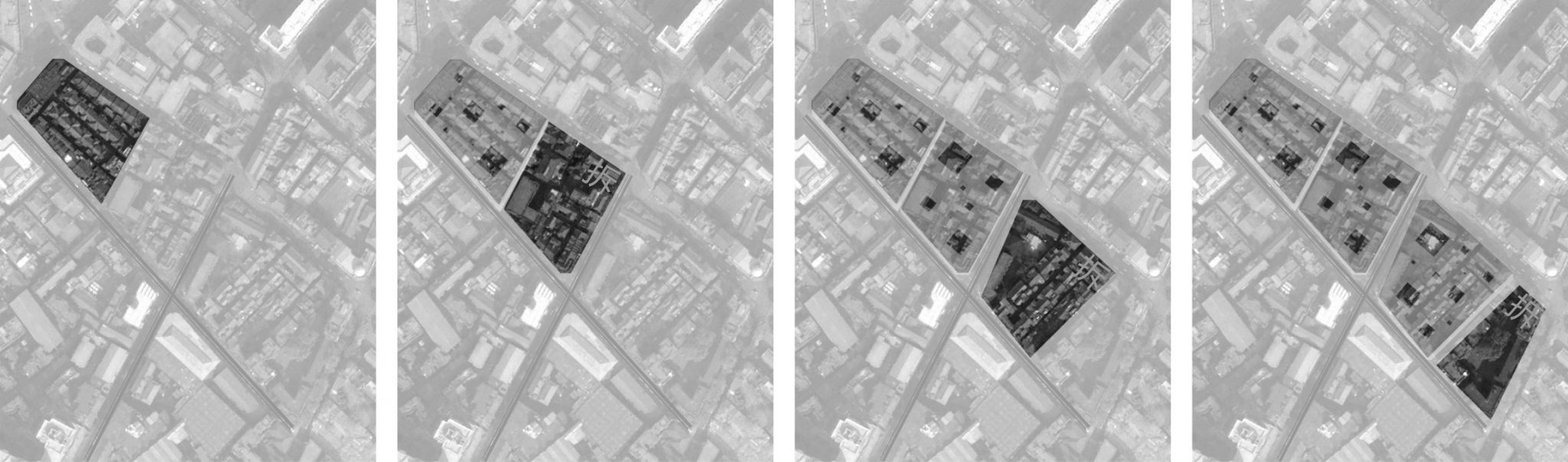 New Renewal Schema 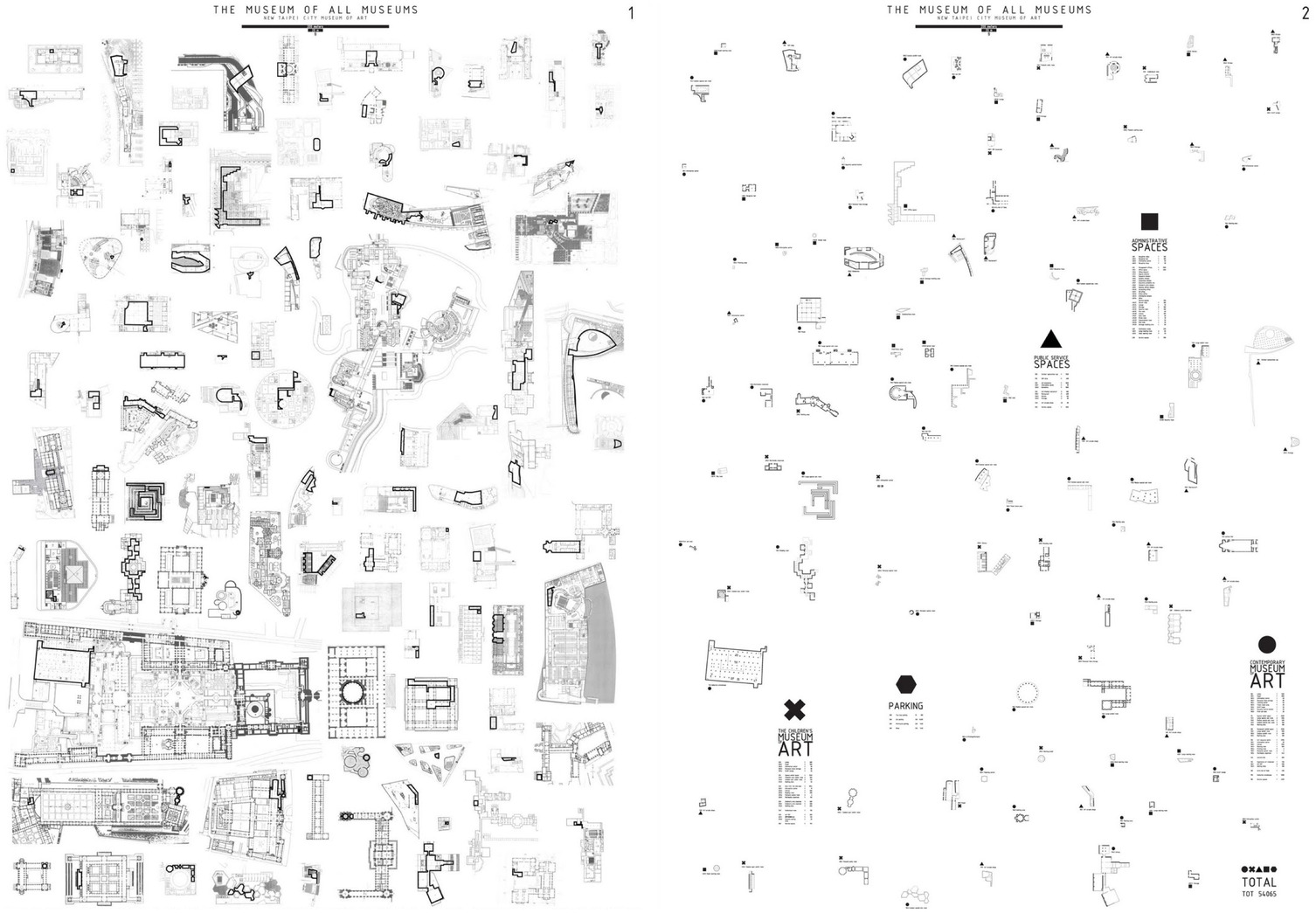 The Museum of all Museums, Federico Soriano & Asociados 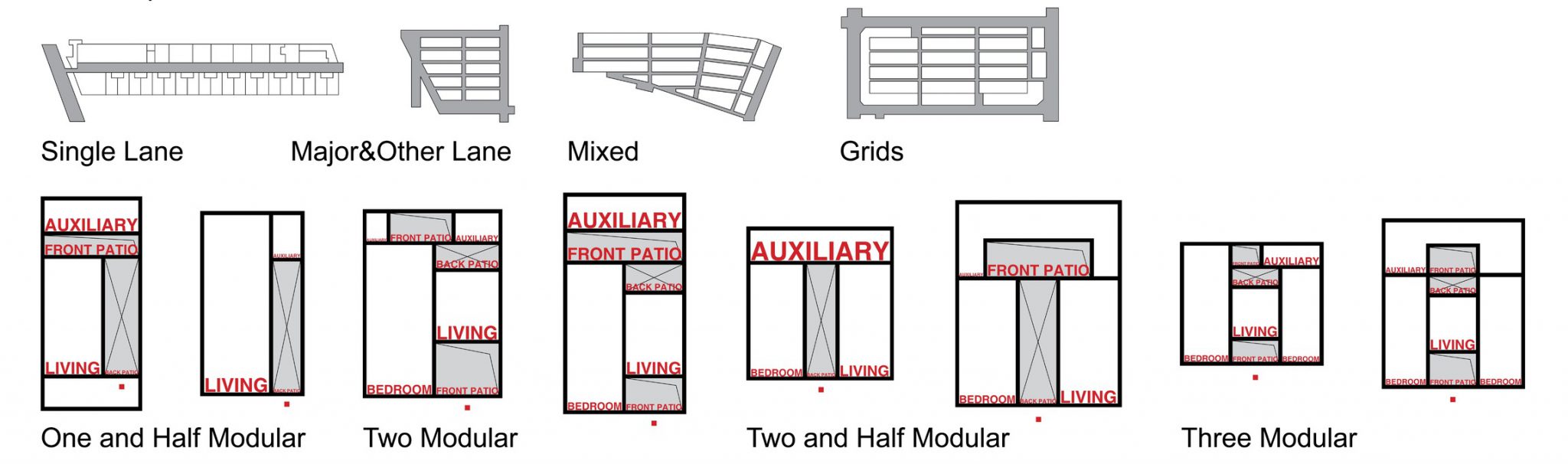 Evolution of Li-fen and Old City 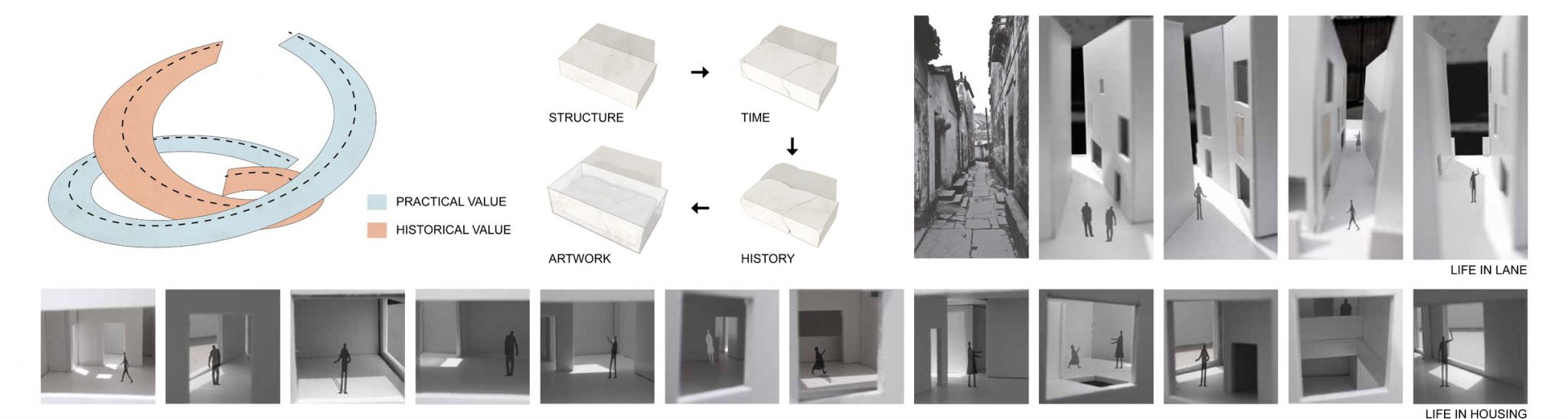 Material Recirlation and Relation Rebuilt 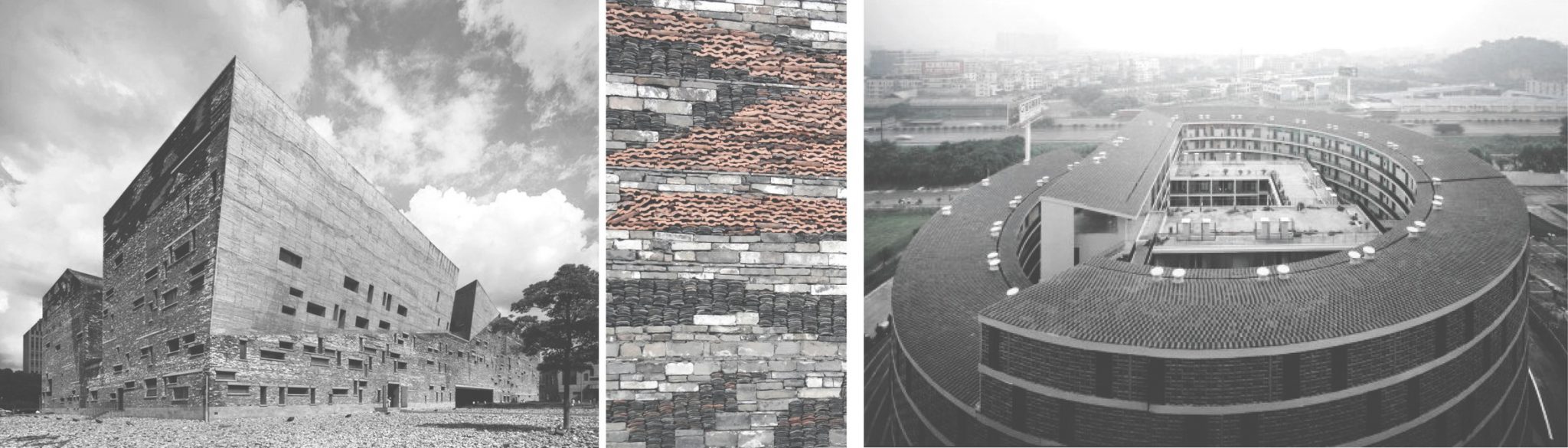 Ningbo Museum, Wangshu; Tulou Collective Housing, Urbanus  Old City Reborn A new renewal schema, the old city conservation should more focus on the culture development rather than physical architecture preservation, which means keep the local residents there as a whole. First of all, regard neighbors as a renewal unit, for maintaining a familiar neighborhood relationship and community activities. After that, progressive demolishing based on time span to ensure the renewal part won’t crippled its integrity of culture. How to realize it? Firstly, exploring the evolution and development process of LI-FEN residential building in terms of context, space and event. Secondly, carrying on new constructions based on evolution rules of old city by reusing materials from demolishing, meanwhile, rebuilding the relation between residents and where they live. Attracting and mixing living group to keep diversity and active elements in old town, where not just tourism and business existed, but more of a real life.
BIBLIOGRAPHY
|