The Death and Life of Old City
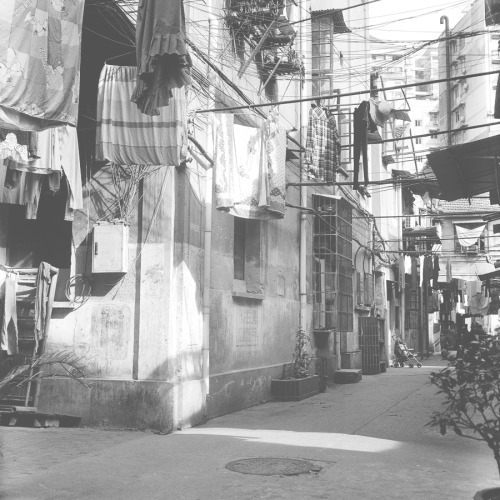
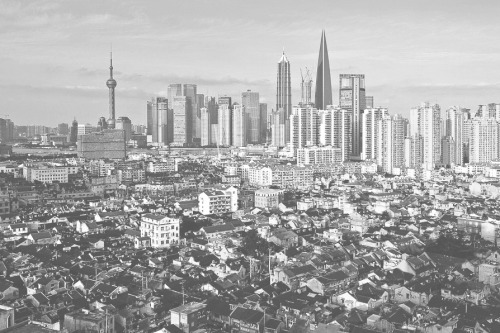 The growth of cities is similar with the growth of cells, there is no doubt that “live” does make sense, ”remains” only proves the tradition created it before is dead. WHAT As an accelerated urbanization in China, the traditional culture has been approaching died out during the process of old city renewal. The demolition forced out and moved away original inhabitants from old city, most of them lost their place where can make a living. In the scale of old town, it carrying the memory of city and maintaining a way of life. By contrast, demolition and construction will cause a huge impact on it. The old city is in gradually towards death, how to breathe new life into existing cultural desert through renewal and meet the demands of urban development become the key of death and life in old city.
WHY Wuhan early-modern LI-FEN residential building, a kind of town house generally built from the end of 19th century to the first half of 20th century, mainly distributed in Hankou, is the most representative housing in Wuhan. Since the opening of Hankou in 1861, foreign architectural thoughts and forms were introduced to Wuhan. Based on that, the urban planning and construction was start and lightning-fast spread in concession area. Affected by this, the LI-FEN residential building formed its own characteristics in the clashing, grafting and blending between Chinese and western culture. Along with the step-up of urban construction, more and more LI-FEN were demolished in the old city replaced by new blocks which like wedges inserted into historical community as predicted.
Old city renewal in Hankou, maintaining and recovering the valuable context of old town, then repairing damaged urban network by implanting new housing and public infrastructure, which can place a sense of localism and regionalism, communicating and clashing with surroundings in terms of cultural, material and form. OUTLINE OF RESEARCH / DESIGN EXPERIMENTS
BIBLIOGRAPHY
|