Traffic, Speed And Architecture
|
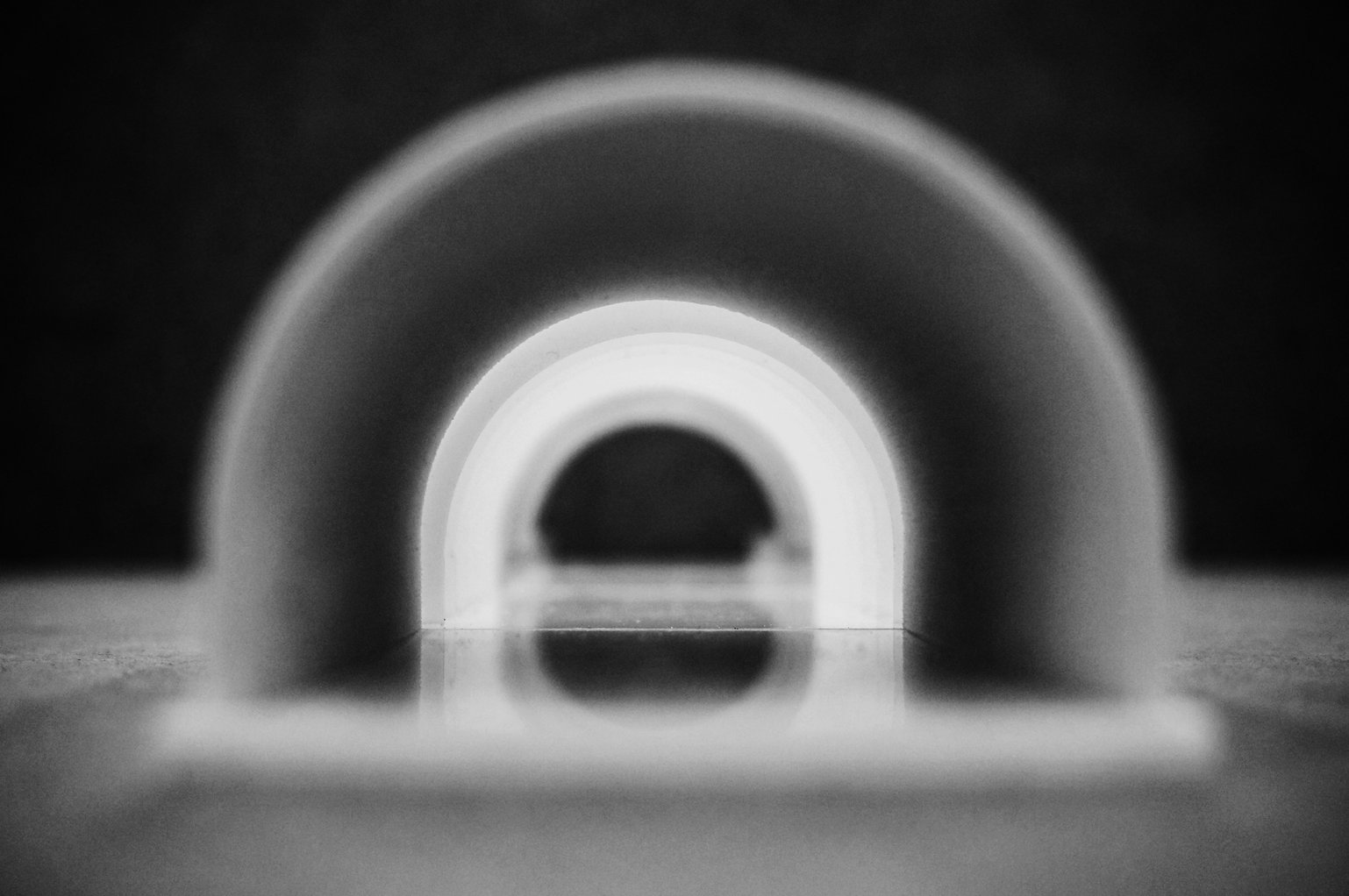
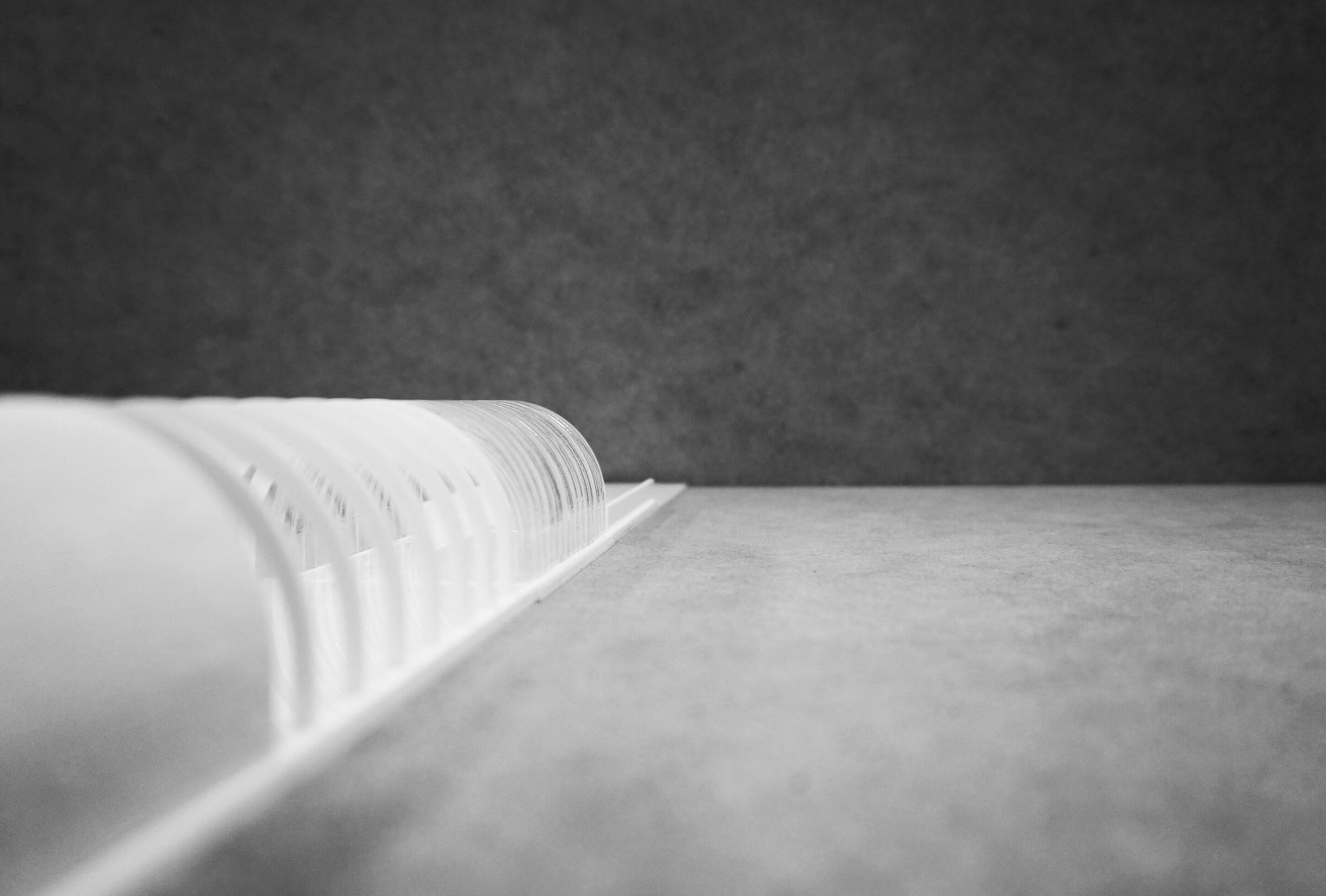
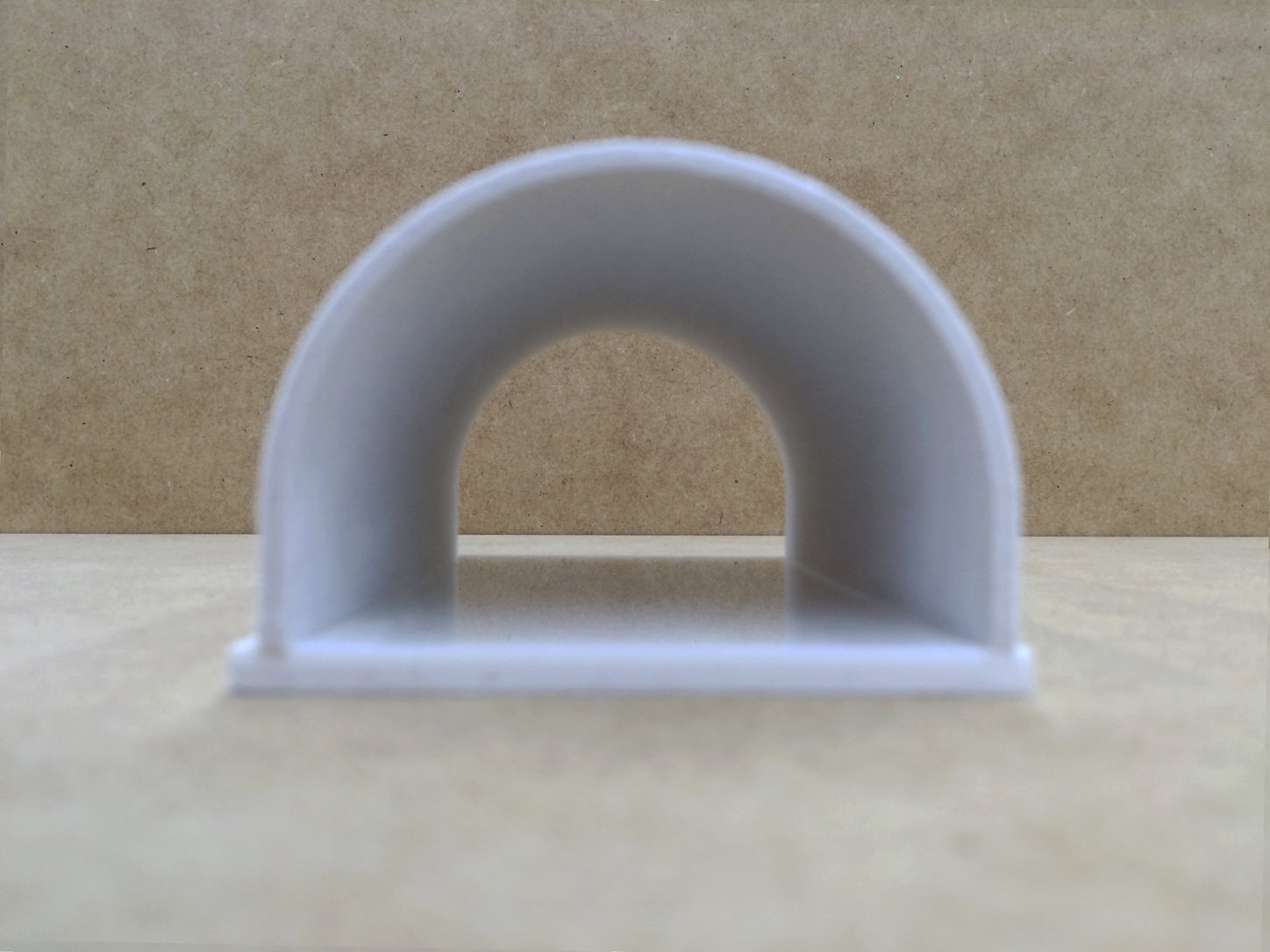
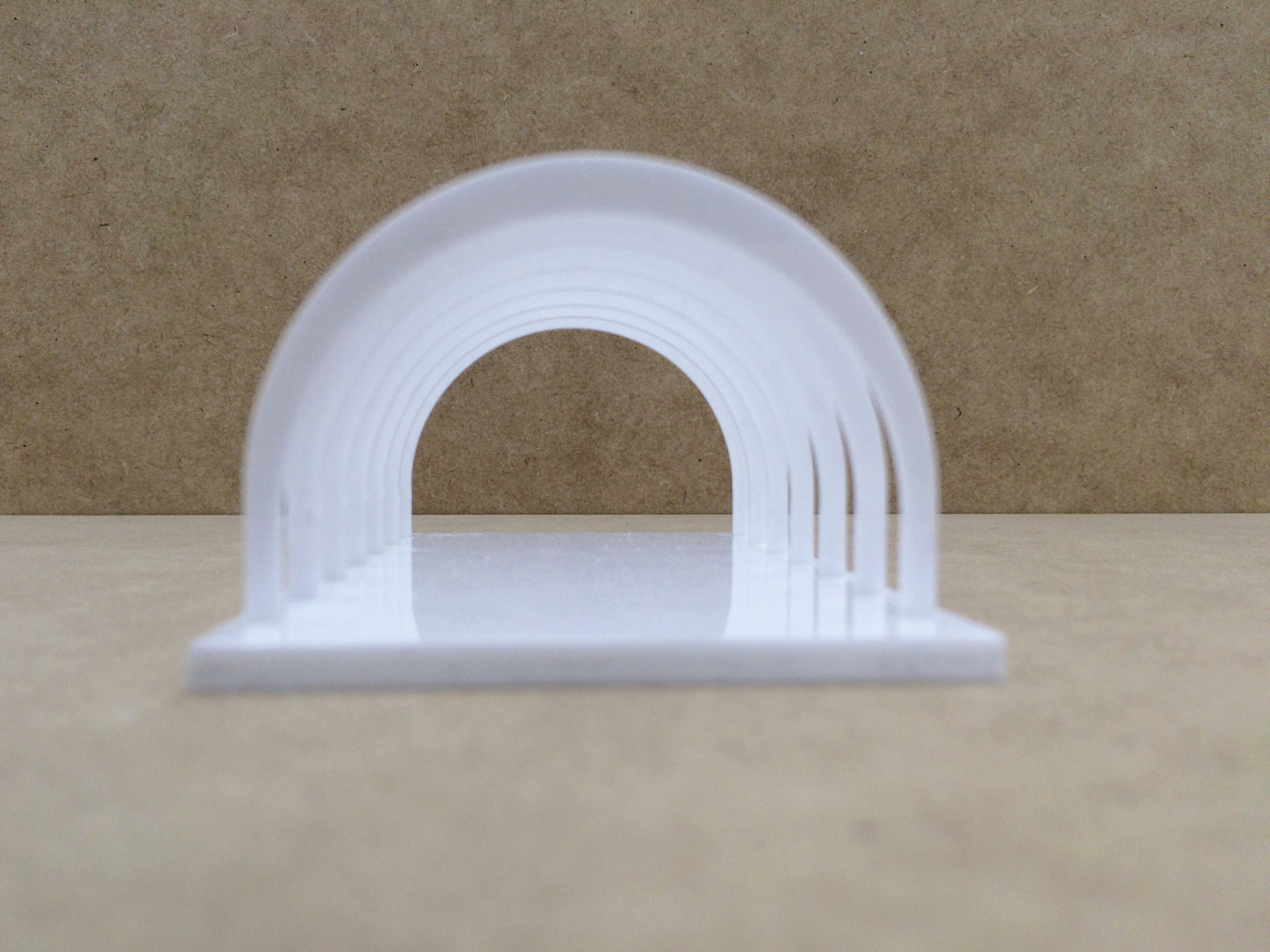
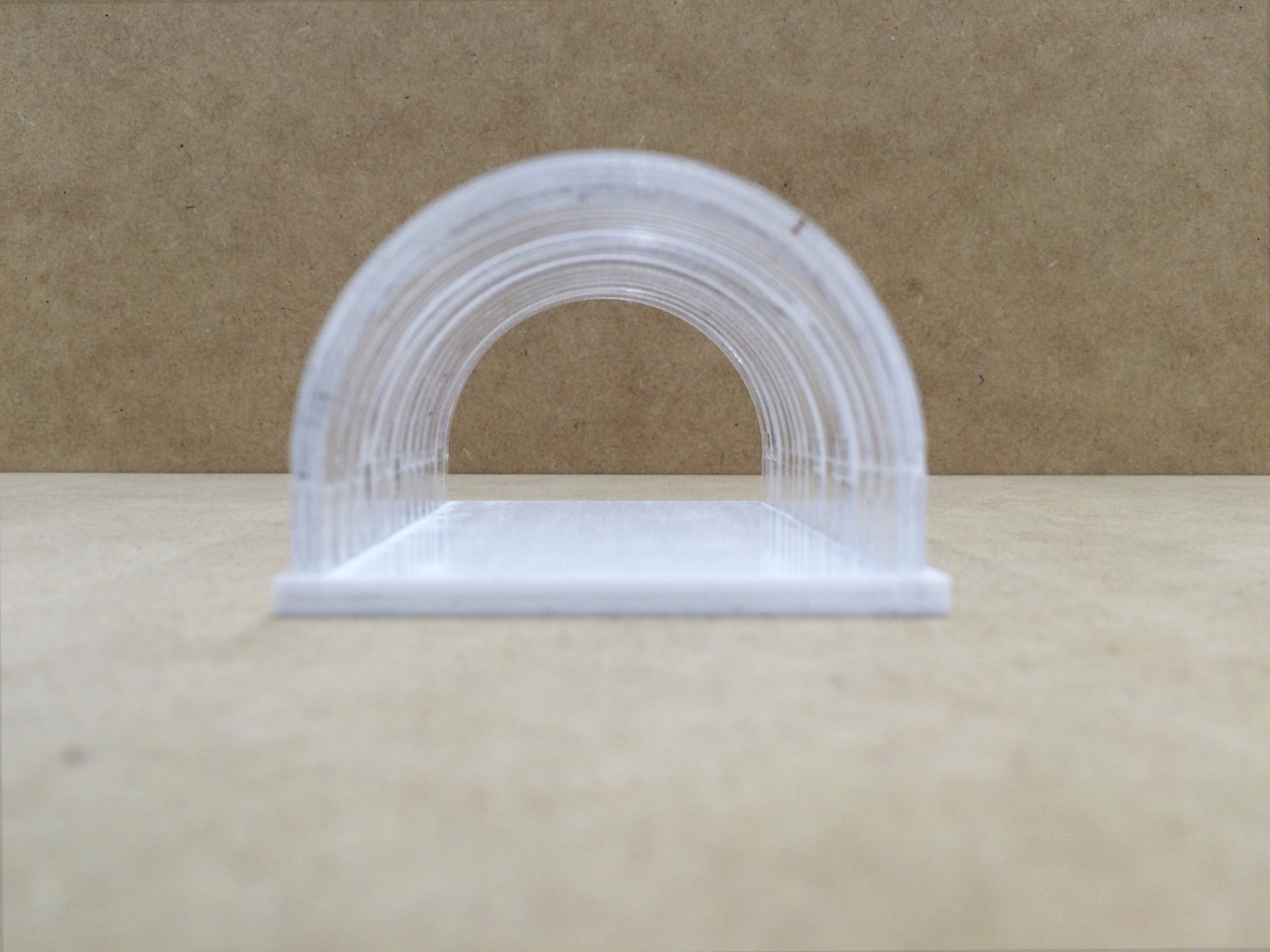
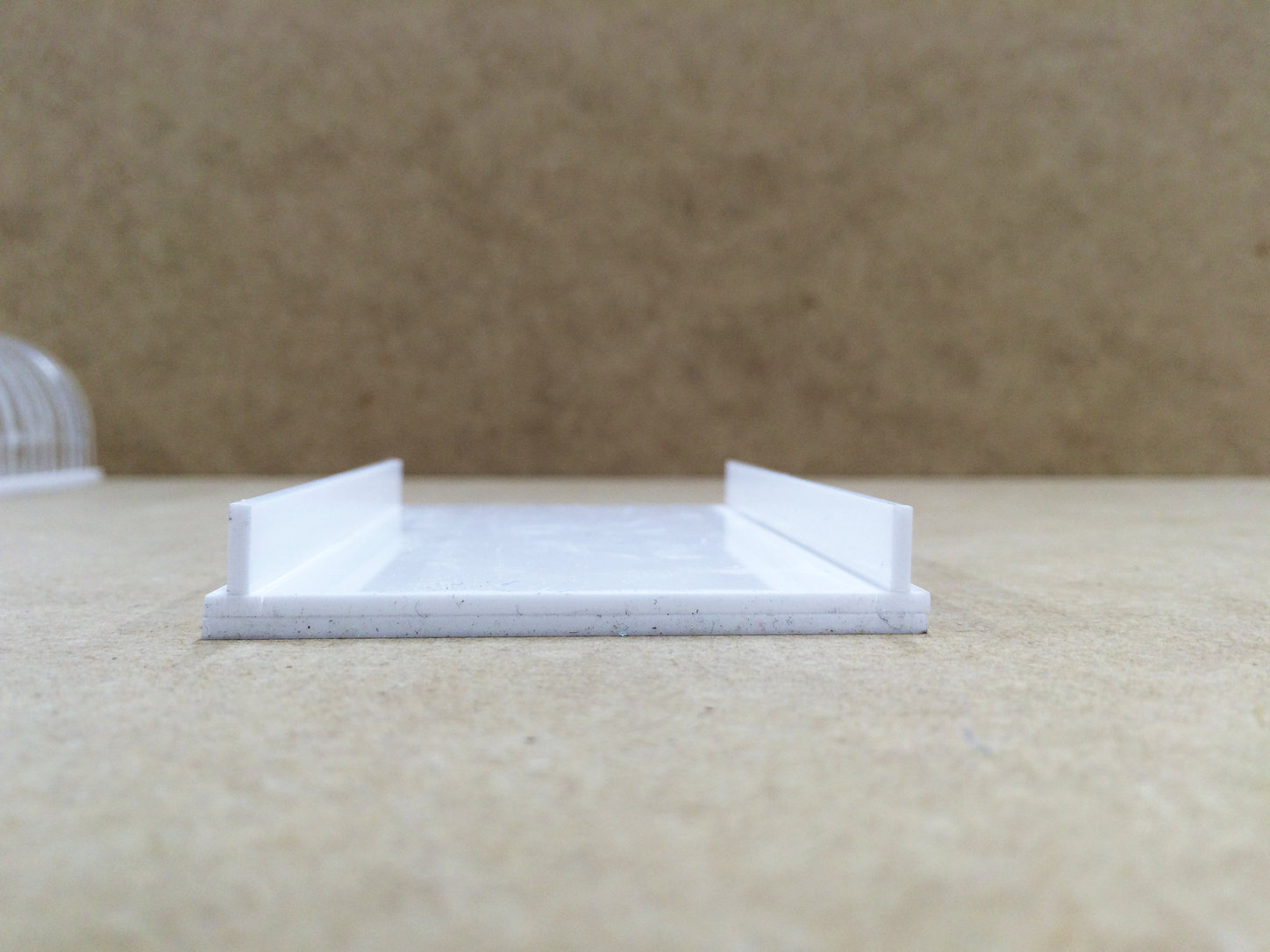
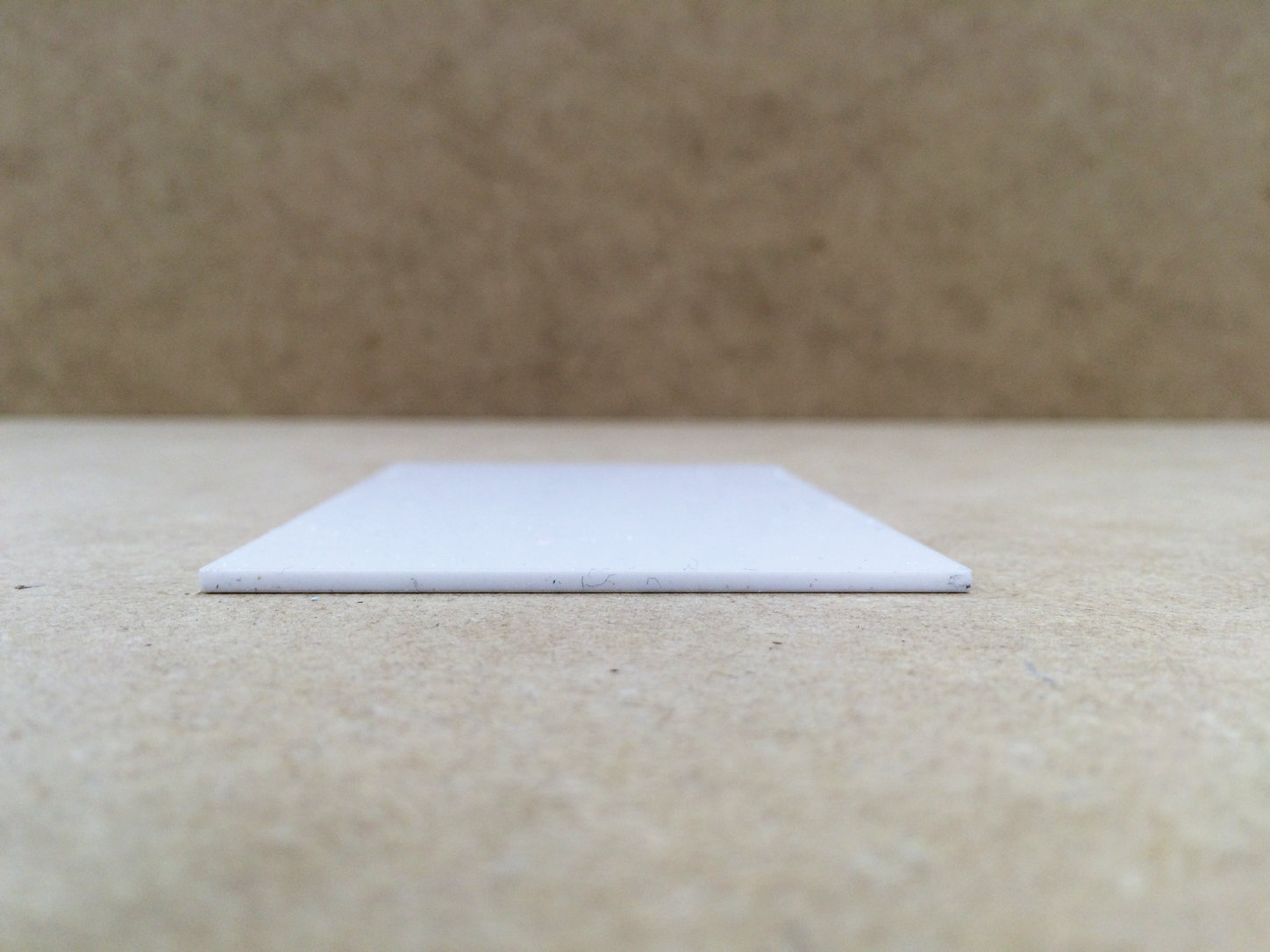
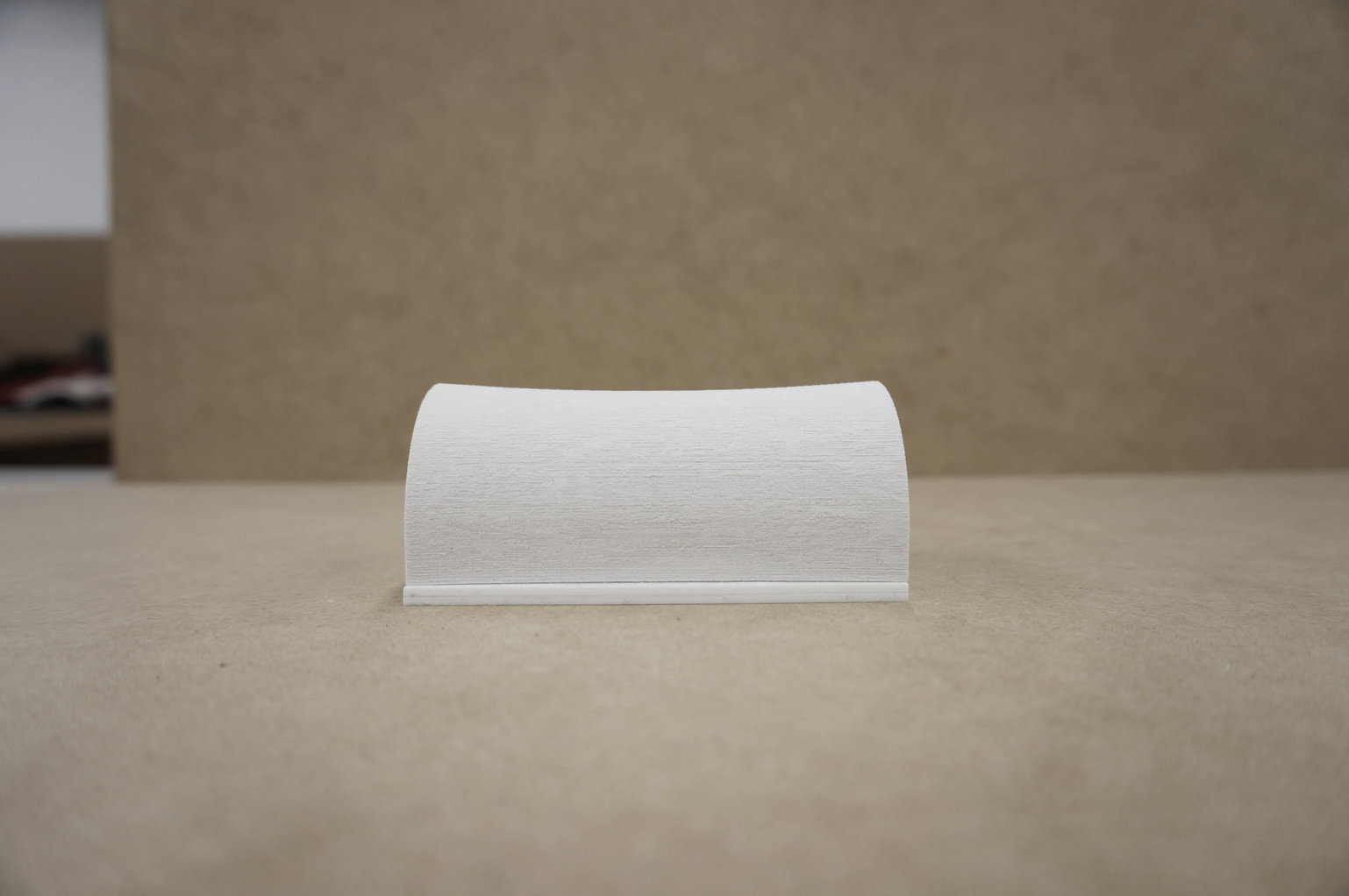
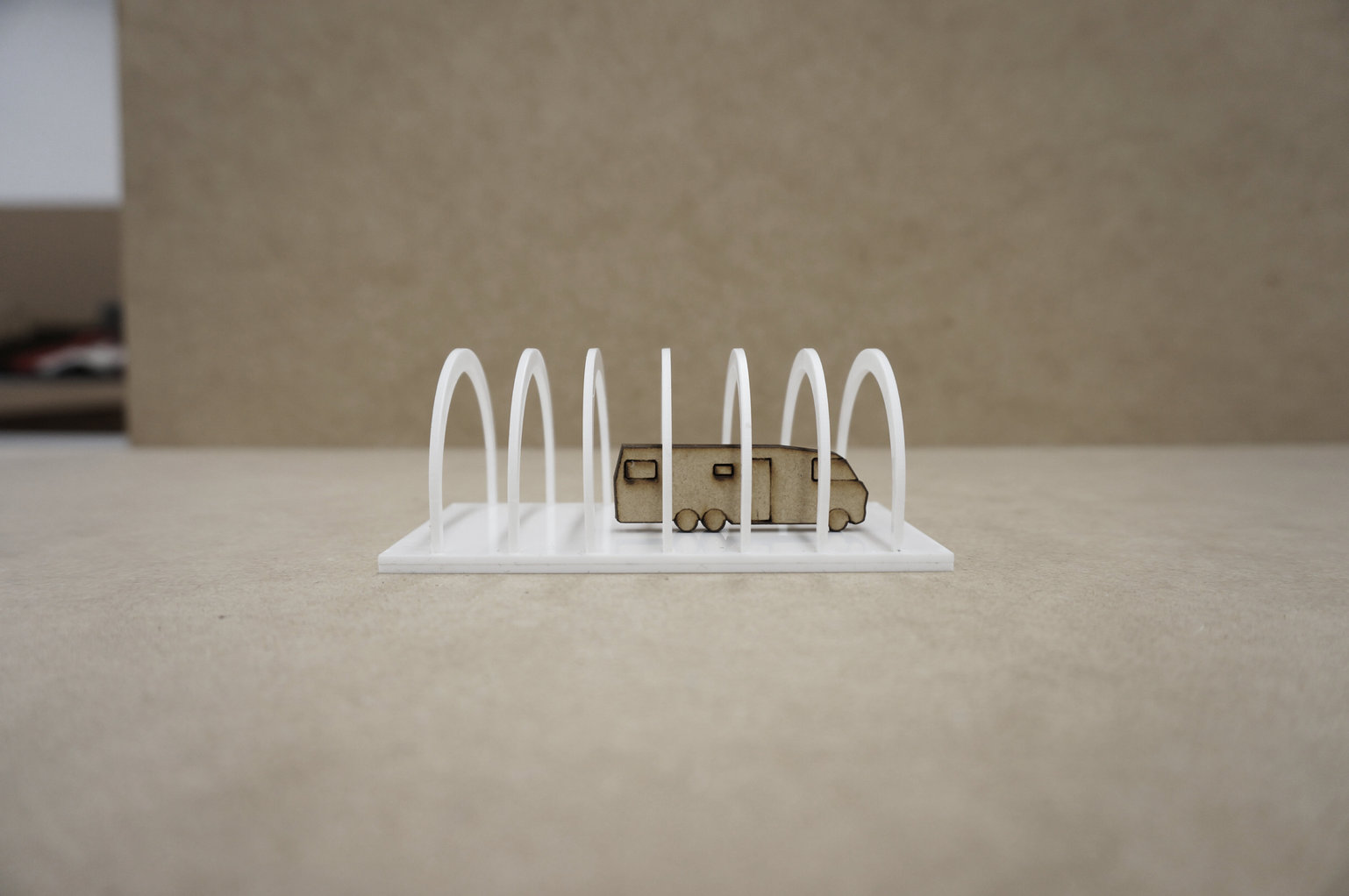
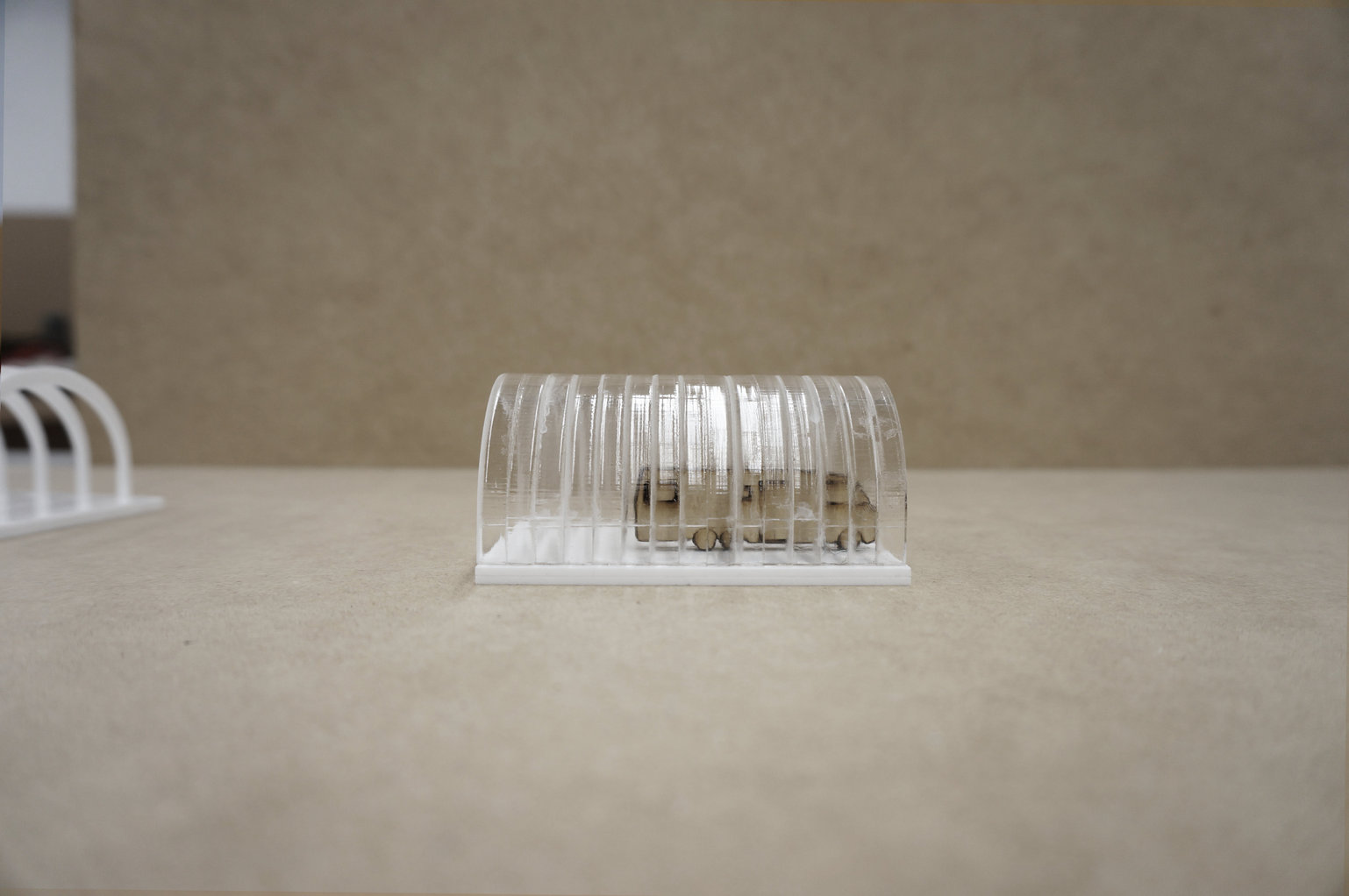
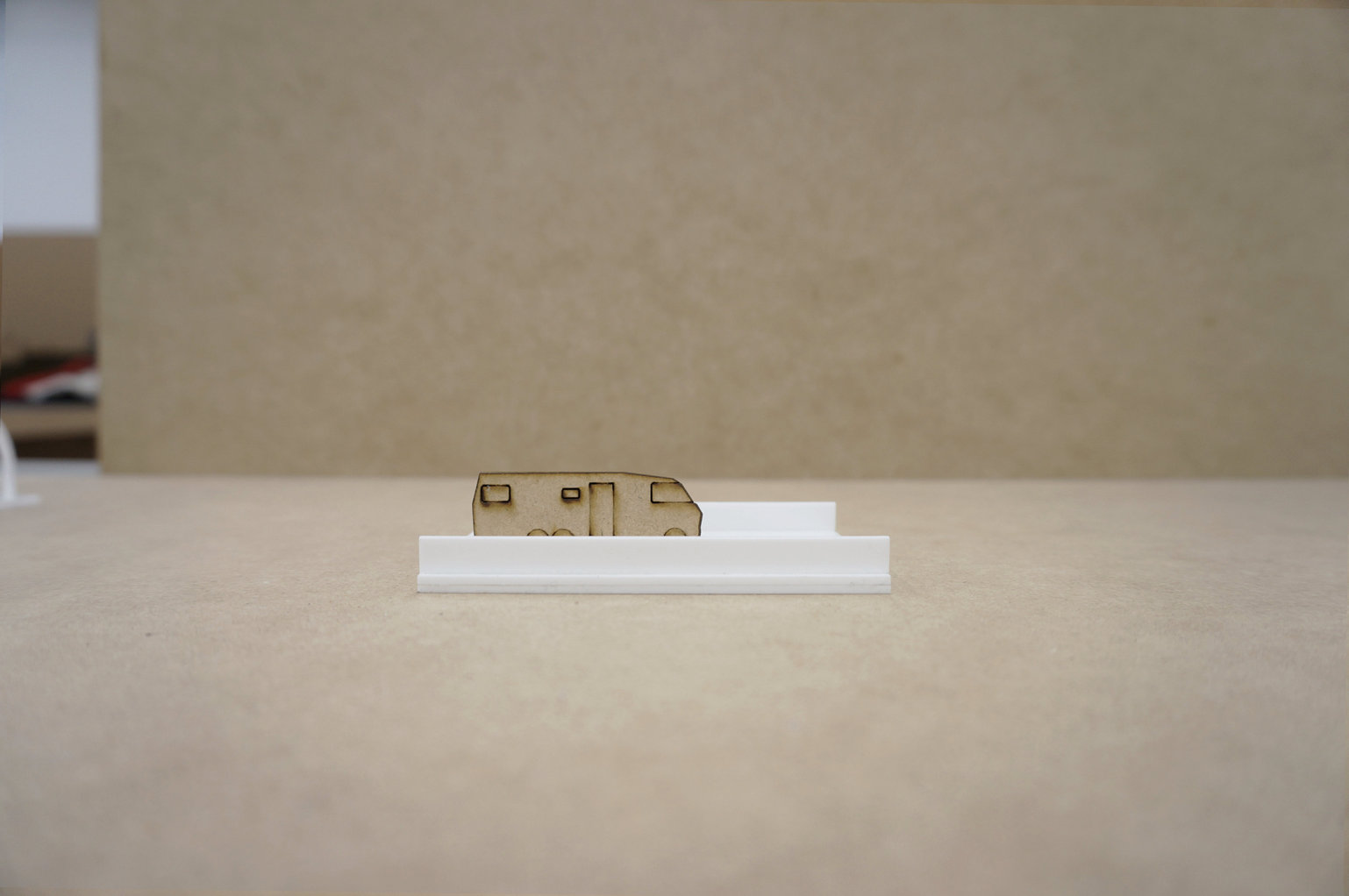
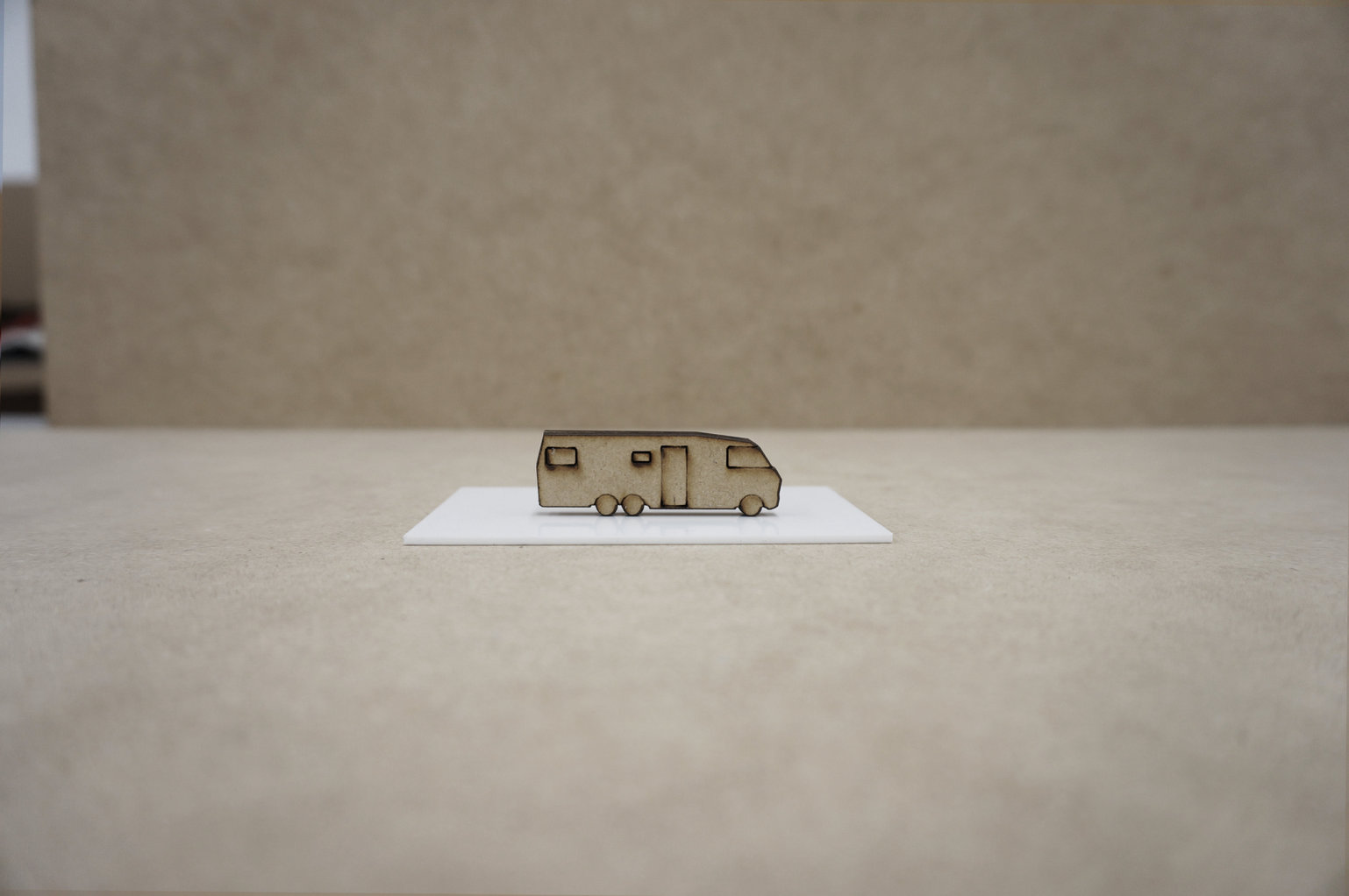
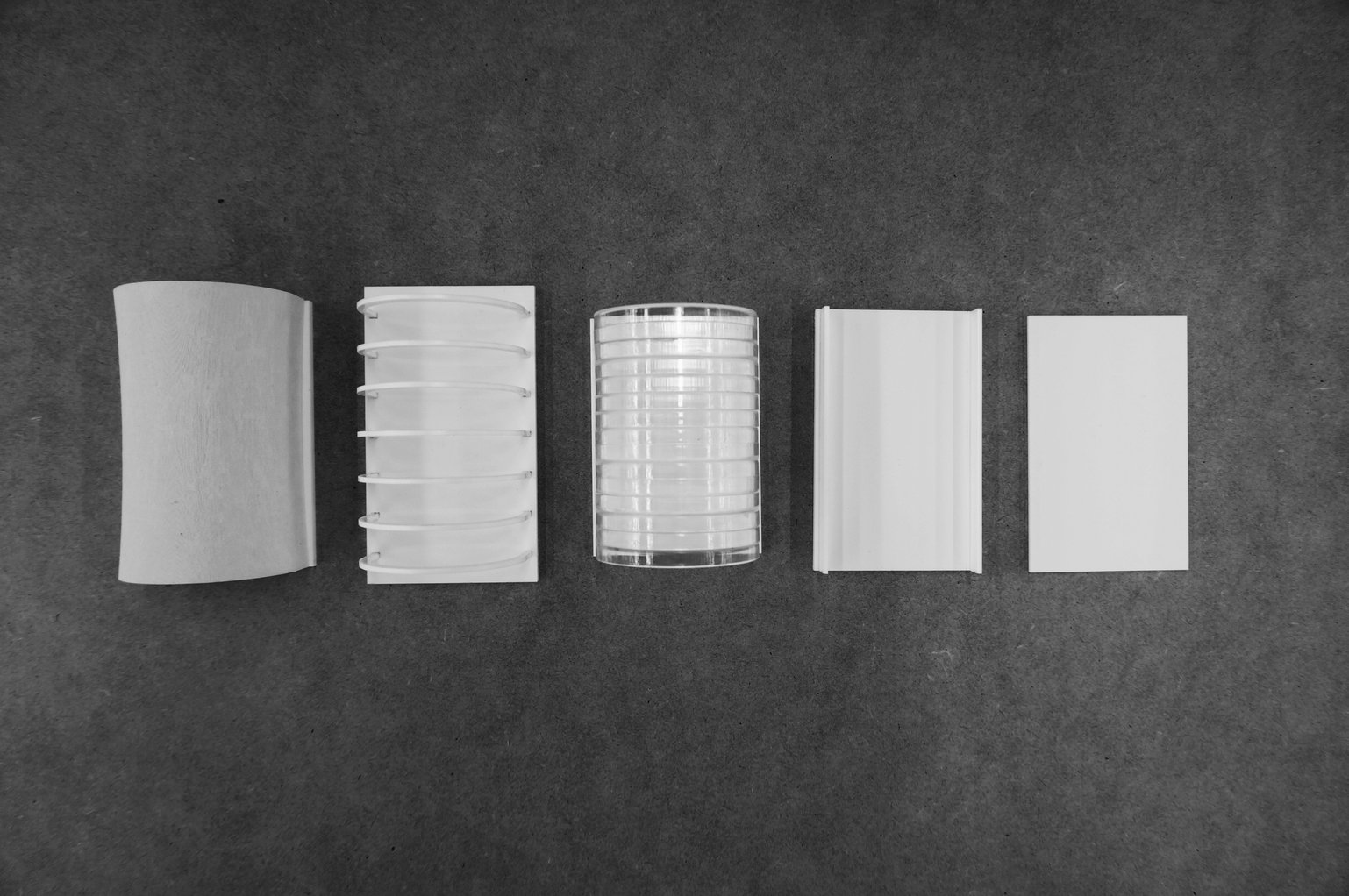
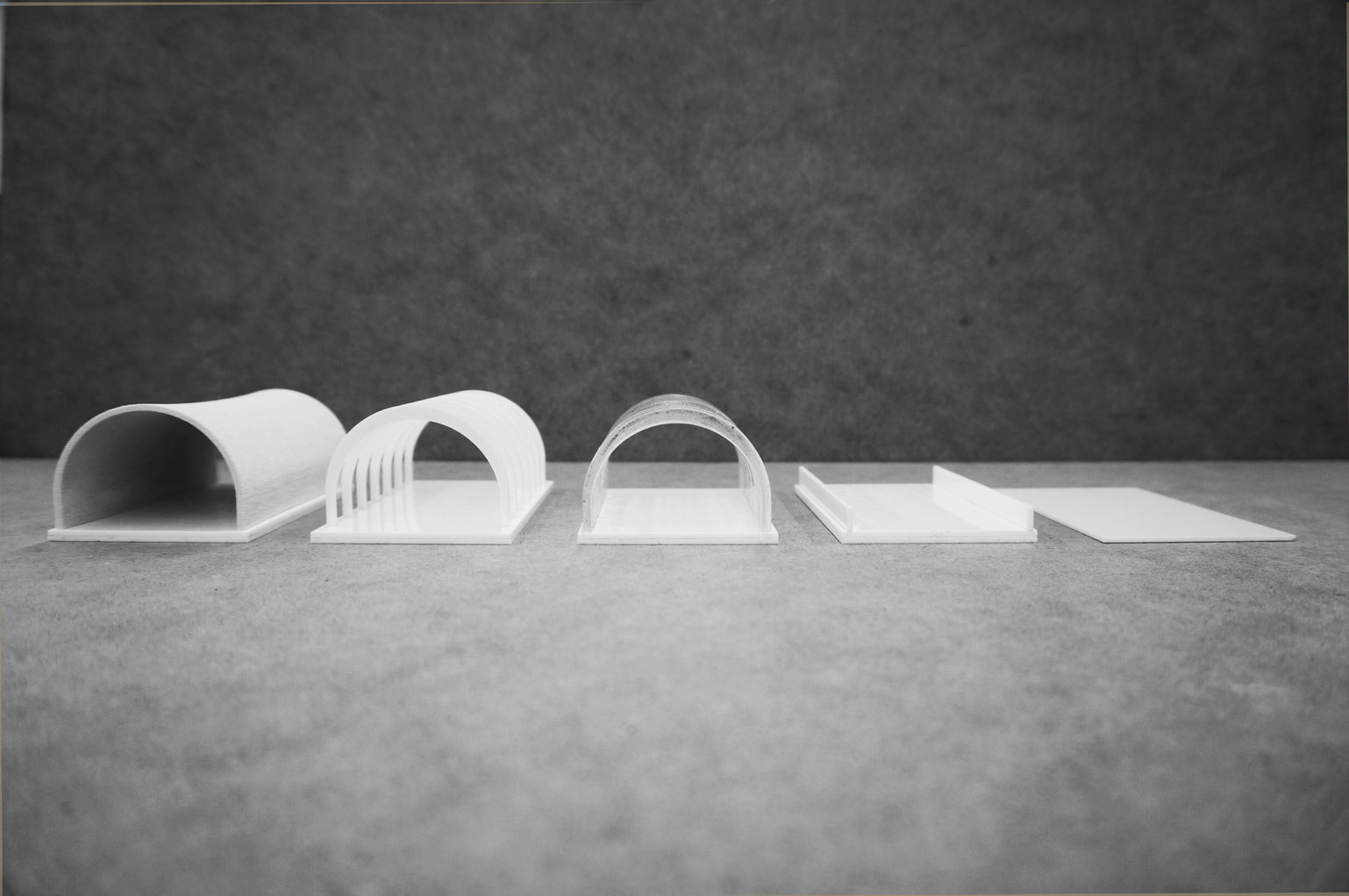
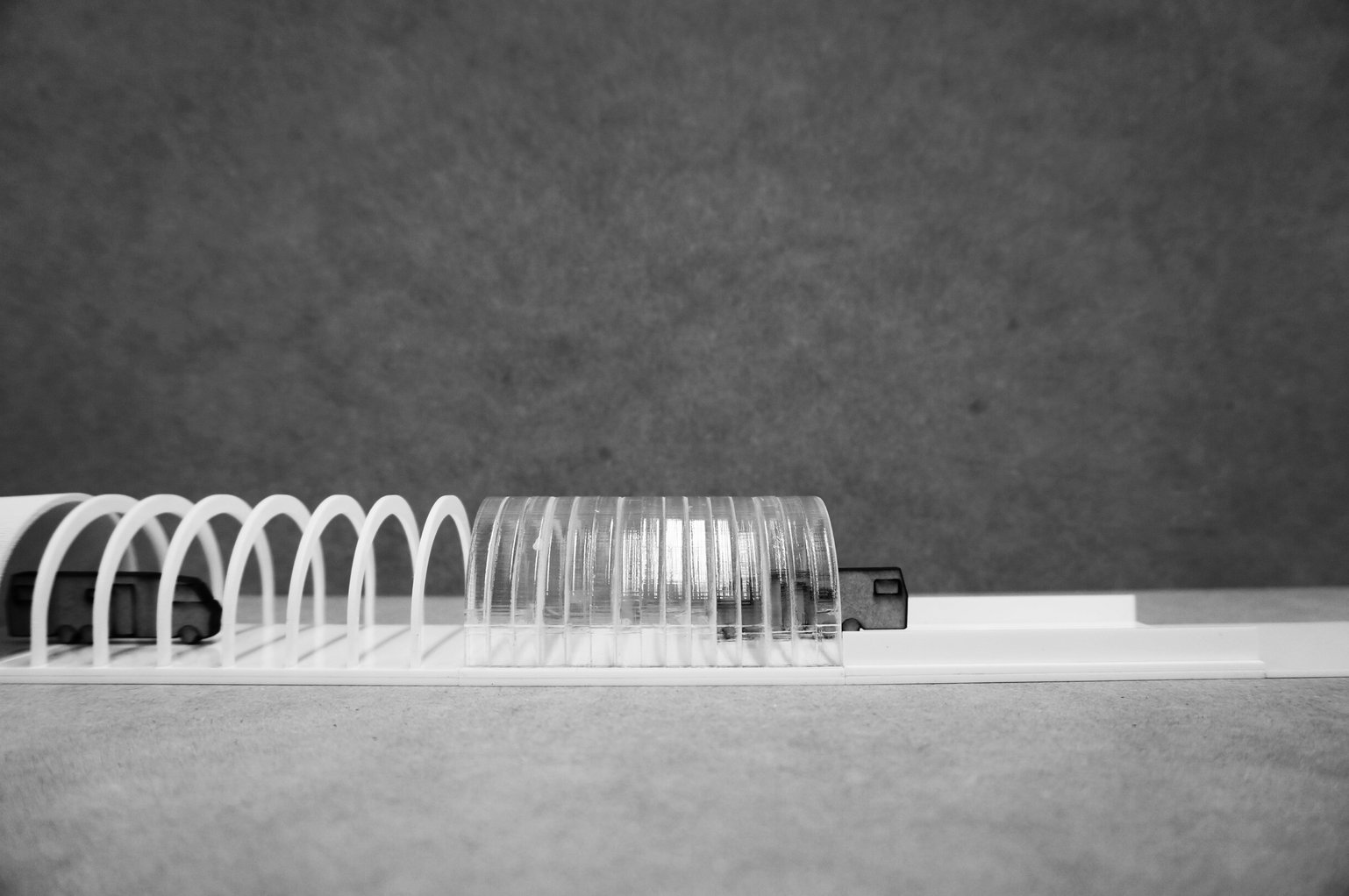
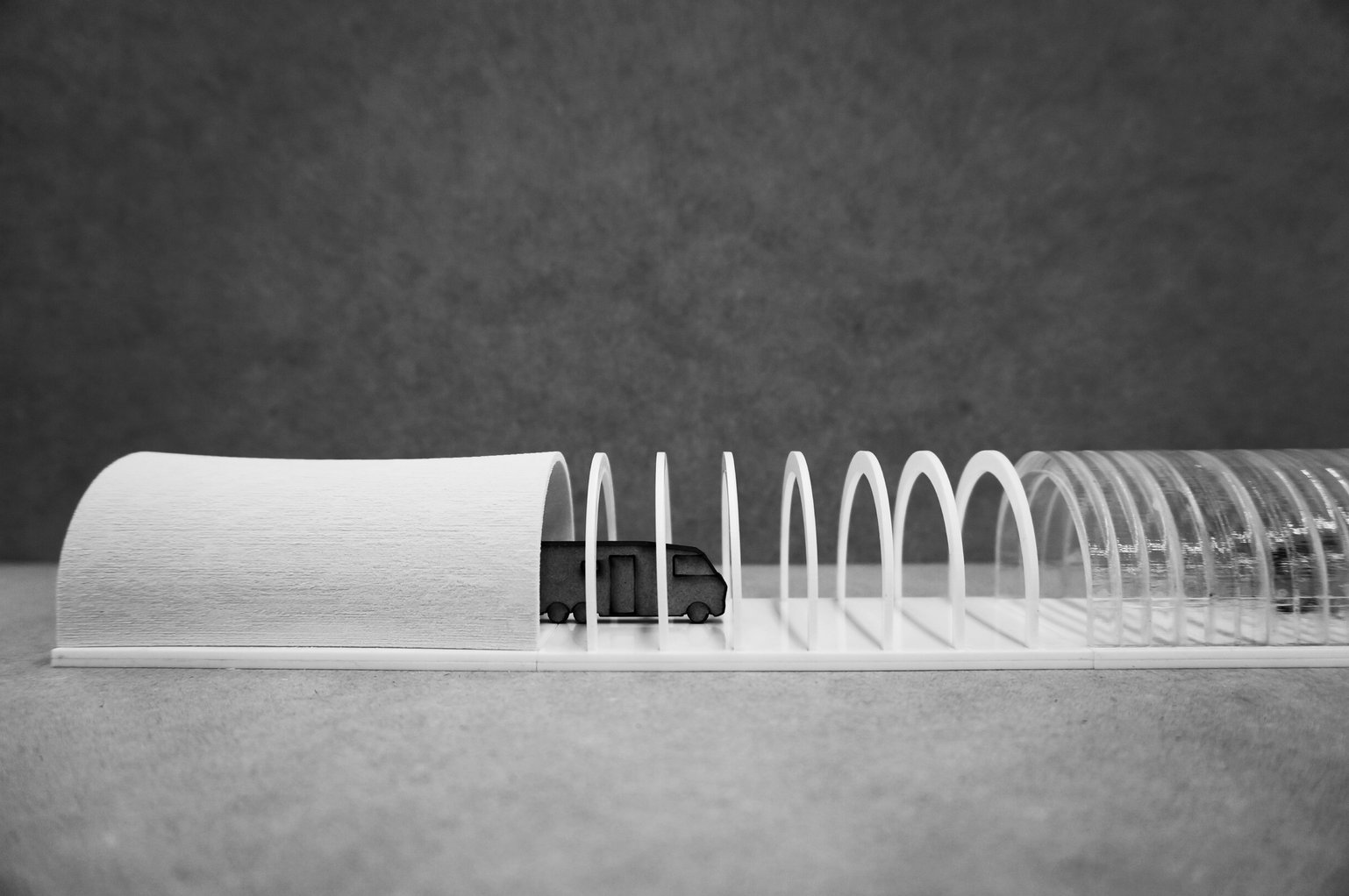
WHAT The Optics Valley Square, located in a central intersection of a commercial zone in Wuhan City, is a very proper site for my thesis topic. The streets around the square are planned in a radiate layout and the round square is in the central. Also, several important commercial buildings and universities are located around this site which means this site is very essential to collect different kinds of flows from diverse directions. However, because a number of the traffic tools gather around this area and a single round lane is unable to stand the massive traffic flows, the situation of traffic jam is extremely serious. Also, the central square is far away from pedestrians and the underground passageways are limited, so the original leisure function for the public is weakened. In my view, to solve this issue which is mainly about collecting and unblocking traffic and citizens, a potential solution is a certain type of architecture, covering the important traffic spot and connecting with the surrounding buildings either on the ground or in the underground . And in this type of architecture, the circulations of different traffic means are independent from each other and in the meantime, they are also extended from the outside into the inside. WHY Since buildings and traffic tools are increasing largely in cities, the streets get crowd and traffic circulations get obstructed, which usually happens in the downtowns of many cities. The important urban traffic intersection is usually quite fragile to sustain the redundant and mixed traffic which is a common phenomenon in China. It is partly caused by the improper planning of different circulations and streets and partly caused by the numerous urban constructions in the streets, especially subway station construction, which seriously obstruct the traffic from moving. Accordingly, the issue I propose to solve is the crowd traffic spot in a relatively high-density urban context, especially when it’s involved different kinds of traffic ways, like buses, cars, pedestrians and bikers. And the researched architectural point is the relationship between TRAFFIC, SPEED and ARCHITECTURE. Specifically, different circulations around the traffic spot have different speeds, which produces diverse moving views either in a building or in a traffic tool. In terms of visual impact, under the moving situation with a stable speed, people can have a particular experience around the special architectural space. HOW The artifact is made up of 5 parts of a channel which ranges from closure to open. Passing through a particular area, people’s experience of speed, an abstract term, is directly related to the perception of time. This test with the channel is to compare different perceptions of time under different spacial forms, which is to explore the relationship between speed, traffic and architecture finally. For instance, moving in the completely closed part, time seems to pass more slowly than in the enclosure with interval elements because of the obstruction of the solid enclosure on the outside view. Likewise, time seems to pass more slowly in a transparent enclosure than in an open space. Also, time perception directly relates to and influences the moving traffic speed. Therefore, in my view, the research of relationship between speed, traffic and architecture can be transformed further into that between time perception, spacial form which is more specific in terms of architecture. 1. Explore the influence of speed on architecture and the relationship between them. Bibliography 1. Yi Zhu, 2000, Mixed Traffic in Chinese Cities : Bicycle and Intersection Problems, Thesis (M.A. in Applied Science)–Concordia University 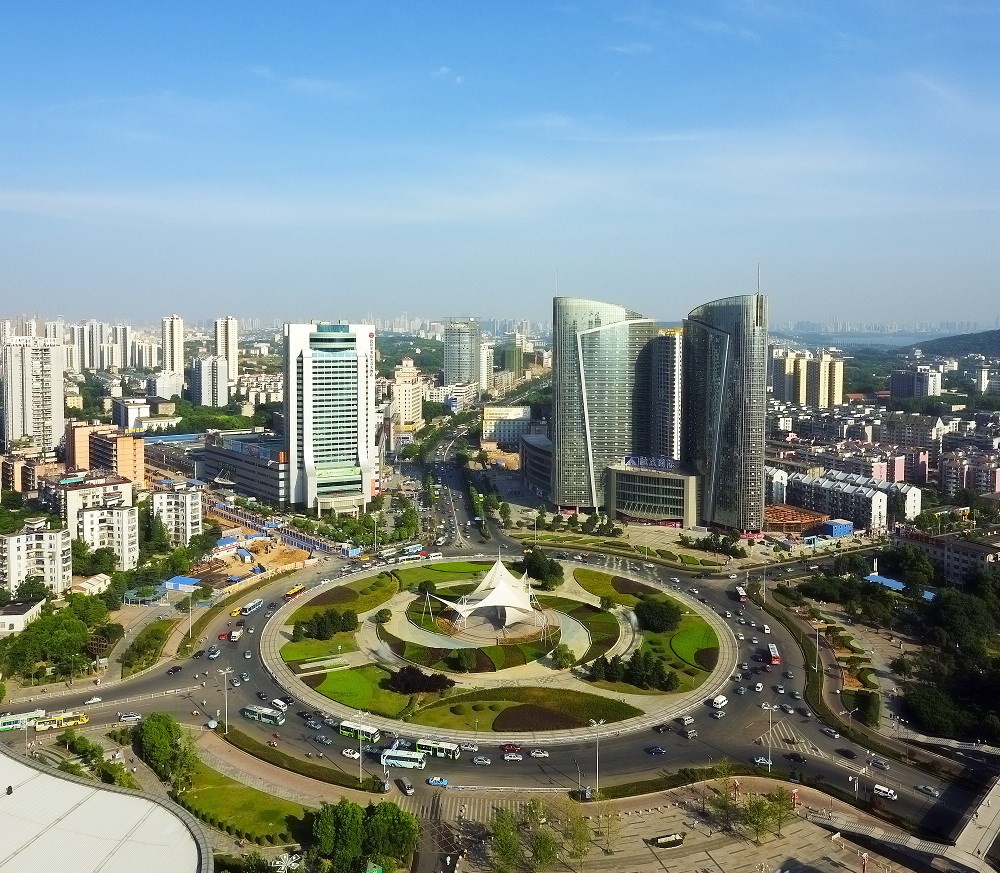 The Optics Valley Square, located in a central intersection of a commercial zone in Wuhan City, is a very proper site for my thesis topic. The streets around the square are planned in a radiate layout and the round square is in the central. 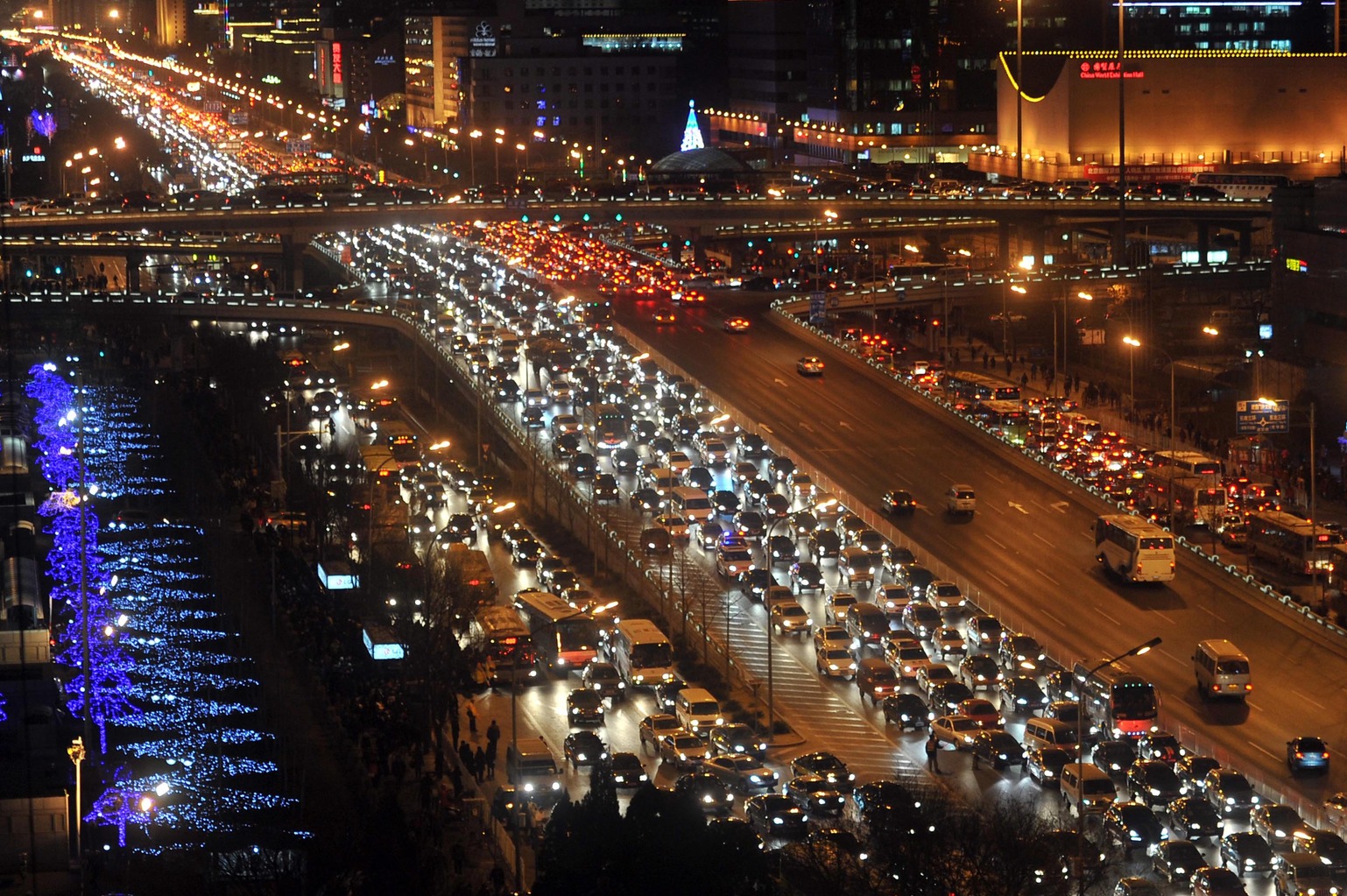 The important urban traffic intersection is usually quite fragile to sustain the redundant and mixed circulation which is a common phenomenon in China. It is partly caused by the improper planning of different circulations and streets and partly caused by the numerous urban constructions in the streets, especially subway station construction, which seriously obstruct the traffic from moving. 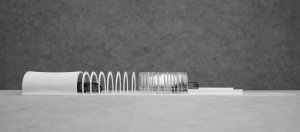 The artifact is made up of 5 parts of a channel which ranges from closure to open. Passing through a particular area, people’s experience of speed, an abstract term, is directly related to the perception of time. This test with the channel is to compare different perceptions of time under different spacial forms, which is to explore the relationship between speed, traffic and architecture finally. For instance, moving in the completely closed part, time seems to pass more slowly than in the enclosure with interval elements because of the obstruction of the solid enclosure on the outside view. Likewise, time seems to pass more slowly in a transparent enclosure than in an open space. Also, time perception directly relates to and influences the moving traffic speed. Therefore, in my view, the research of relationship between speed, traffic and architecture can be transformed further into that between time perception, spacial form which is more specific in terms of architecture.
|