


Place, Time and Material
–A look through the Stoves and Hearths by David Nash
An excellent land art piece comes into being with the combination of a particular place, proper time and materials which serve to convey the design concept best.
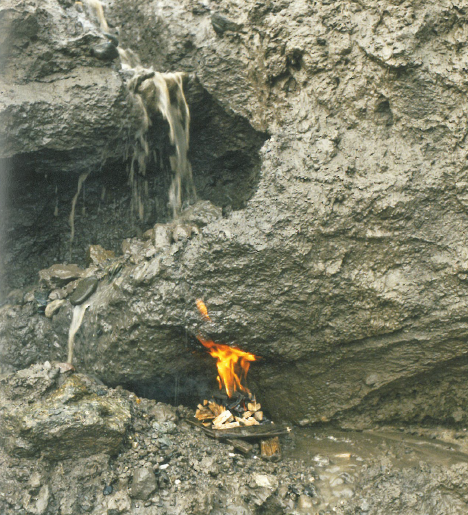
David Nash observed the environment in search of the right time, space and material. The artist “needed to concentrate on three fundamental aspects of the material objects [he] was confronting: [origin, place, and change]” (Nash 65). Thus he chose the site that was the origin of the material as well as the place where he was going to set up the art piece and where the changes in art piece would take. He looked for natural environment to be his site where he could represent the environment by the on-site materials. Each site had unique characteristic. He wanted to find the place where his art piece could spend its life. For example, he used a large fork of oak for the Wood Stove made in 1979, Maentwrog from a local wood quarry, and wet clay and willow sticks for the Biesbos Stove from the site, which is a delta of the River Maas. Nash’s Clay Cliff Stove was placed in a deep fissure where a section of cliff had been ripped away by a storm.
His choice of materials was closely related to his design concept and properties of the materials. The wood was main source of material. He wanted to show the origin of the materials and the path that the material would take in the future through the art piece. Wood could convey natural elements which were “earth, fire, air and water [that] all bind with wood to shape its life”(Meiklejohn 6). Thus He highlighted the natural cycle of life. He thought that tree “has been borrowed from the cycle of coming and going”(Nash 65). He also observed fire which effected life and forms of wood. The stove made out of wood and natural material had “the ironical image of a self consuming” (Nash 77). Thus the art piece evolved through the natural force of self consumption which was the characteristics of both fire and natural cycle of the wood. Another design concept of Nash was to show the harmonious relationship between his works and nature, the materials and the surrounding environment. His materials were based on the principle that art piece captures both “a fleeting moment in and the physical constancy of a particular environment” (Nash 77). For example, he chose the Mississippi frozen river as site to create the ice stove. This site was origin of the ice and had the specific season and time for the art piece to be placed, and art piece melt during day.
Through the art pieces, David Nash successfully constructed an intellectual argument on environmental issues, which included two aspects. First, the ancient form-fire in the wild invitingly brought people back to the original sense of relying on fire. In ancient times, human beings could not live without fire which was essential to making for a living. In modern times, human beings are able to take good control of fire and manage to substitute electricity for fire, which seemingly indicates that we human beings no longer have to rely on fire for living. This sense of pride may eventually leads to a dangerous idea that human beings have super power to conquer nature. However, David Nash tried to remind people of the relying and nurturing relationship between human and nature through his fire stoves. The stoves were made of materials collected on spot, and placed on spot, so they themselves were part of the environment. His art-piece blended with its location, time, and materials. It enabled his art pieces to exist harmoniously with nature, which threw a question on the public, can human activities be as sustainable as making the stoves?
Nash answered the question in an artistic way by making a series of environmental-friendly stoves, drawing a hopeful picture of the future relationships between human and nature. However, Nash didn’t keep documentation of the final states of his stoves. Take the Biesbos Stove as an example, people may be curious about how the stoves finally went back to the environment and became part of it again, but Nash failed to show the result to the public, which may have negative effects on the expression of his concept that the art pieces exist harmoniously with the environment.
In David Nash’s collection, connection between design concept and choice of materials, and demonstration of ideas through art works were main issues. The stoves were in different forms in different sites. So the form of stove is not by the artist but by original form of the materials. The art-piece should have beginning of its new life at their sites through the particular materials of the site.
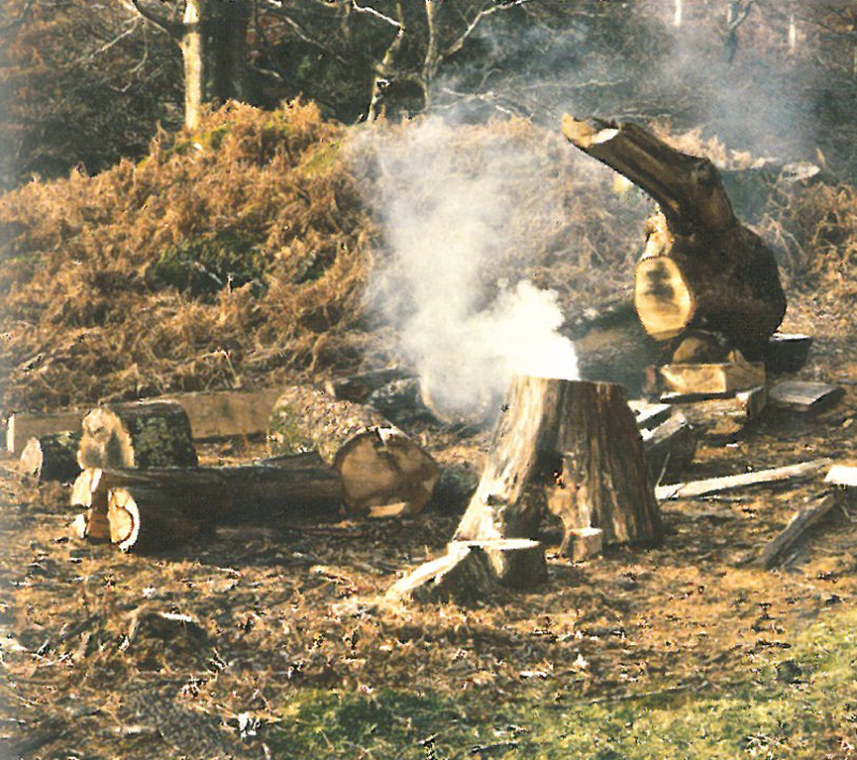
He searched for potential materials on site or nearby, for example, he got a large fork of oak for the Wood Stove made in 1979, Maentwrog from a local wood quarry.
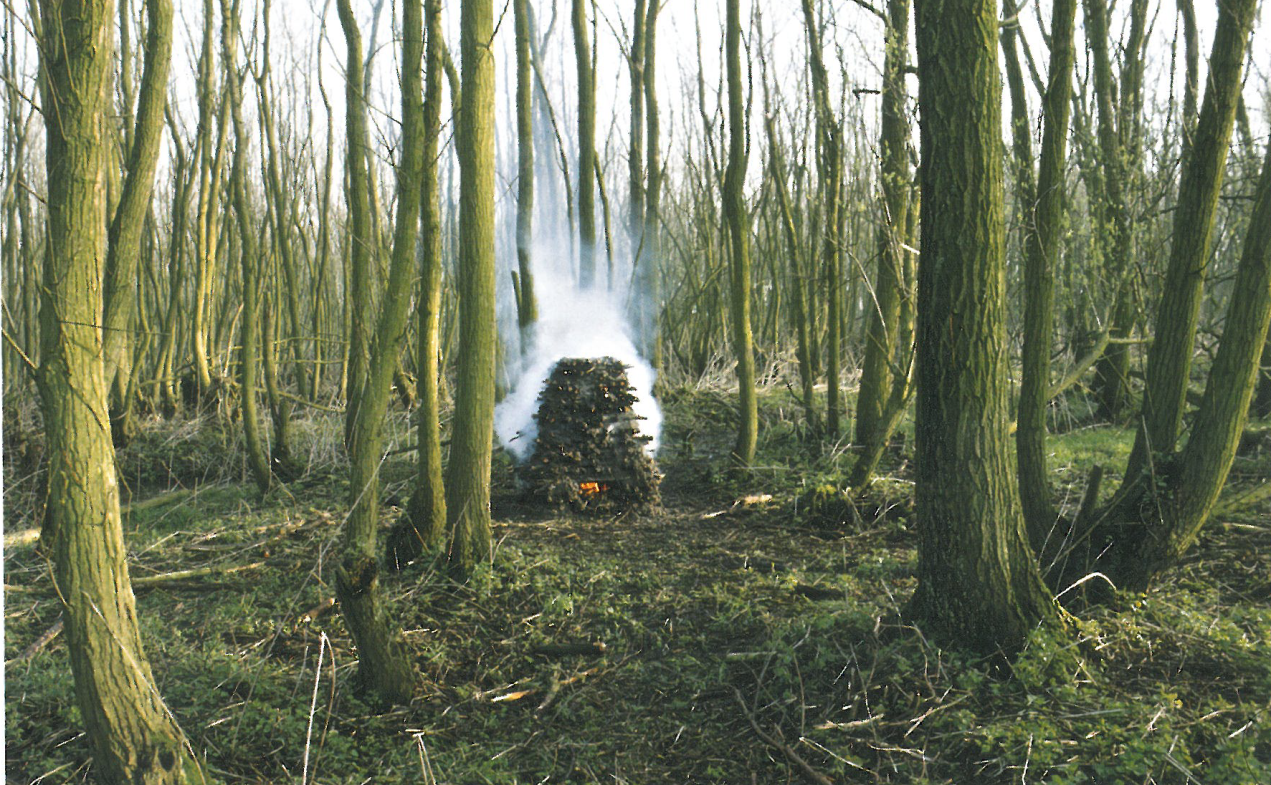
He searched for potential materials on site or nearby, for example, he collected wet clay and willow sticks for the Biesbos Stove from the site, which is a delta of the River Maas.
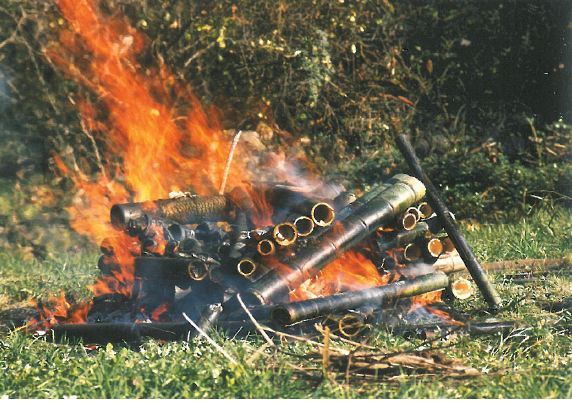
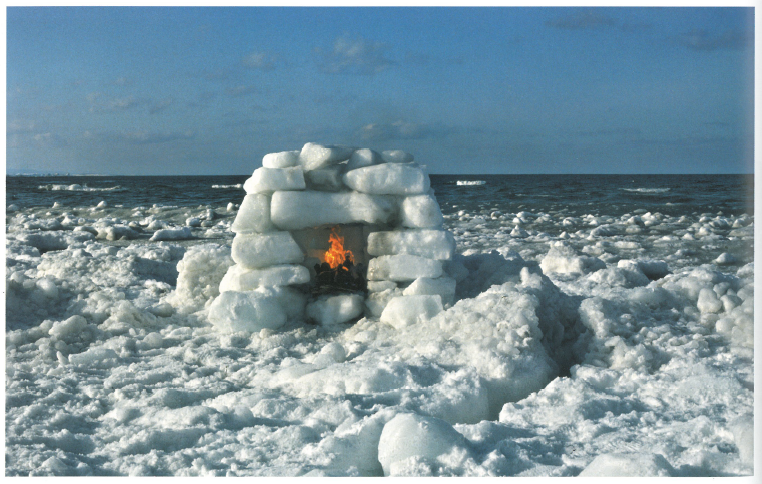
Ice Stove, 1994
Source of the pictures:
Norbert Lynton(2007),David Nash,Thames&Hudson,P77-82
Work Cited:
Nash, David. David Nash Introduction by Norbery Lynton. Jill Hollis and Ian Cameron. Italy:
Meiklejohn, Claire. “Resource Pack.” David Nash Resource Pack. The Arts Council & The Thames & Hudson Ltd, 2007.
Heritage Lottery Fund. 29 Oct. 2012 <http://www.landshapes.org/ newsandevents/news/documents/teachersresourc epackcompressed.pdf>

