|
CCHU 9023
SHAPING
THE LANDSCAPE A Quest for Harmony between
Nature and the City |



|
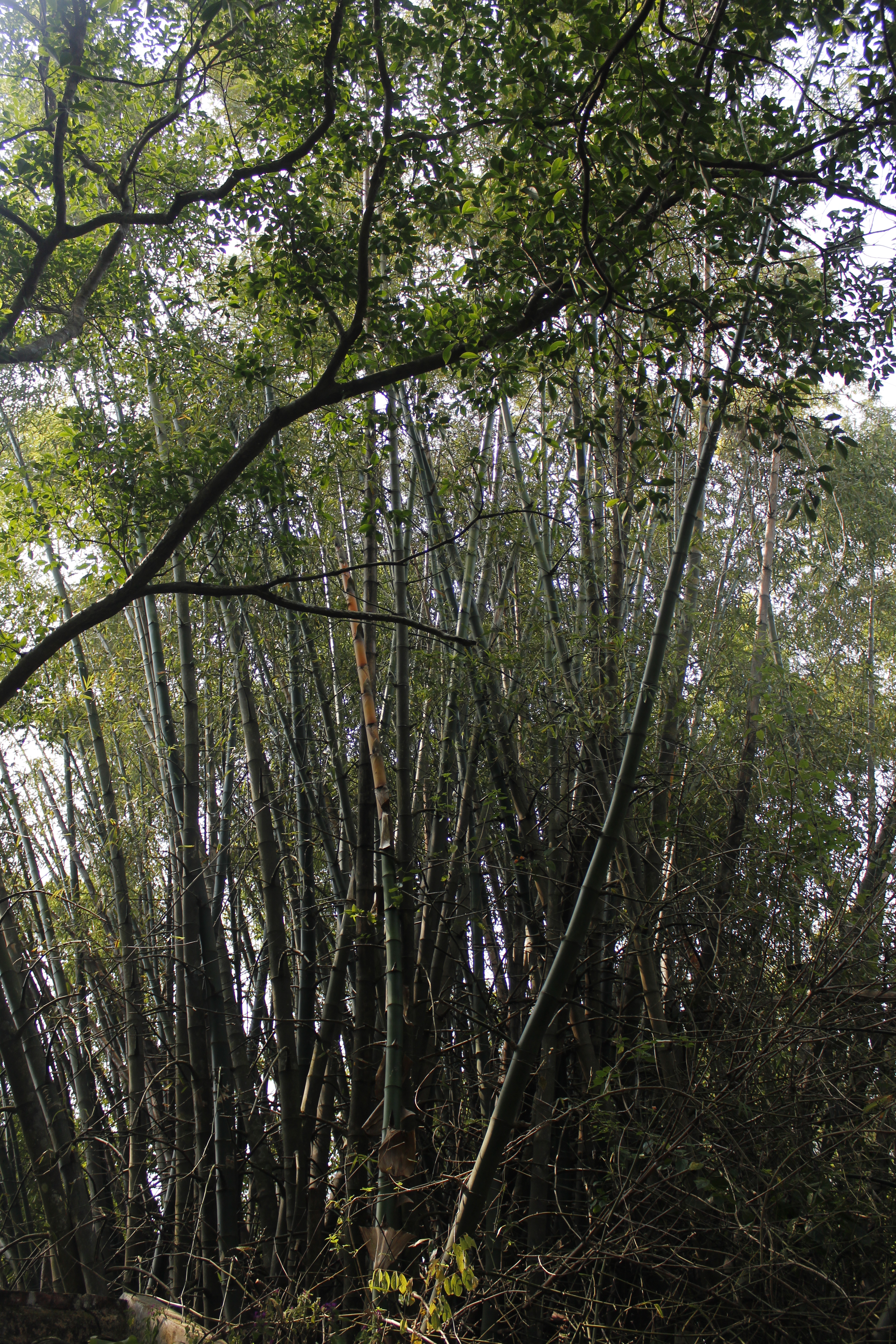
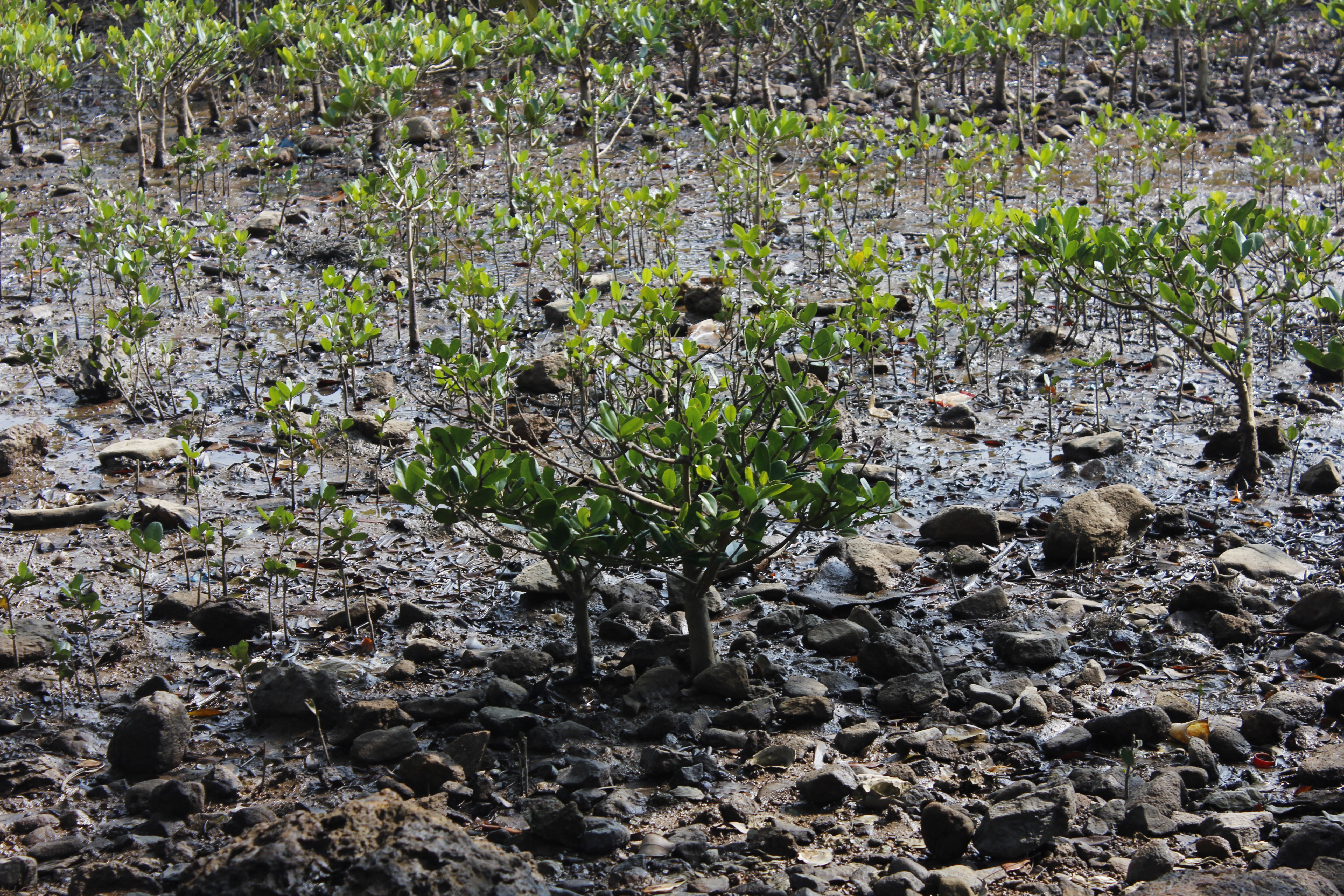
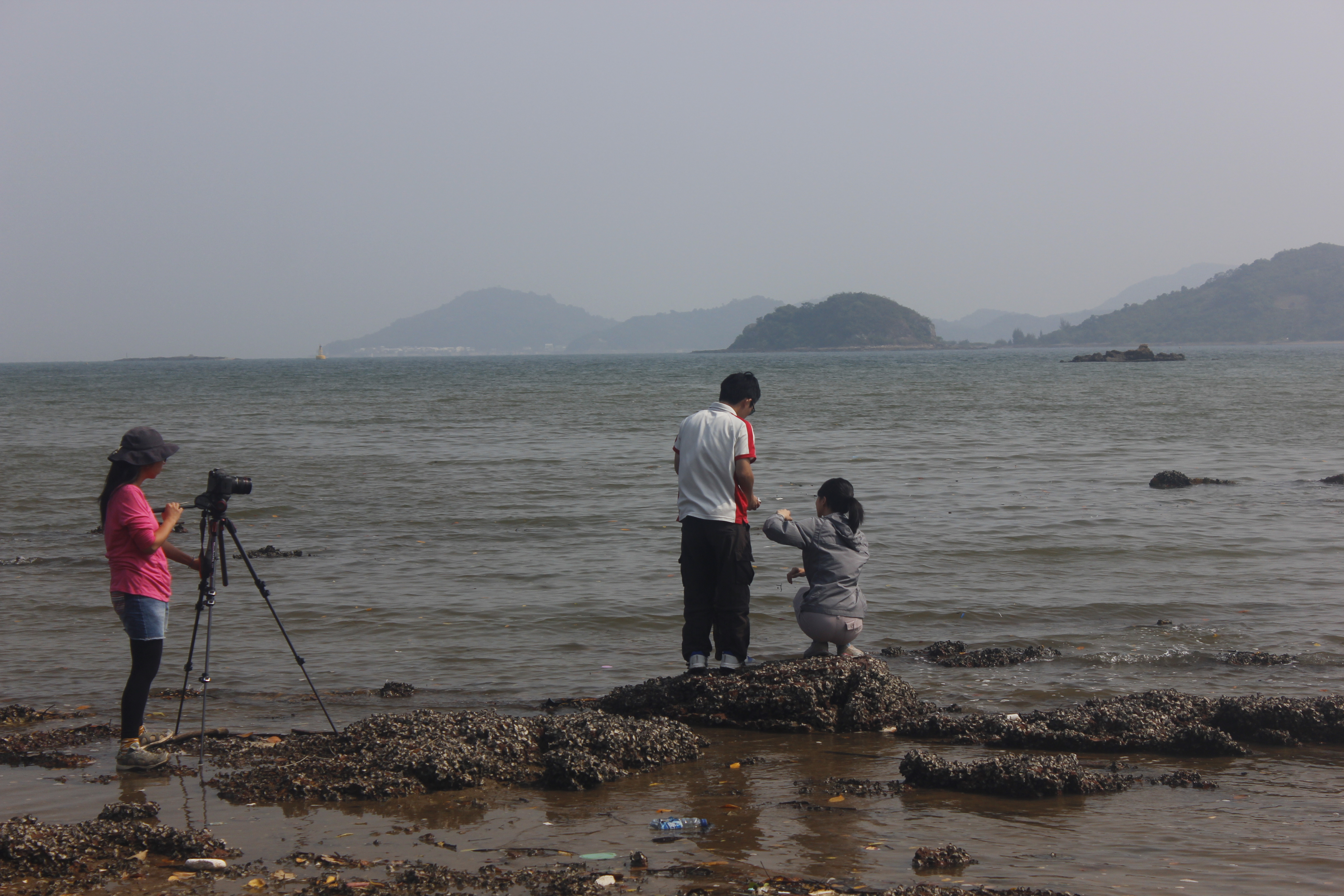
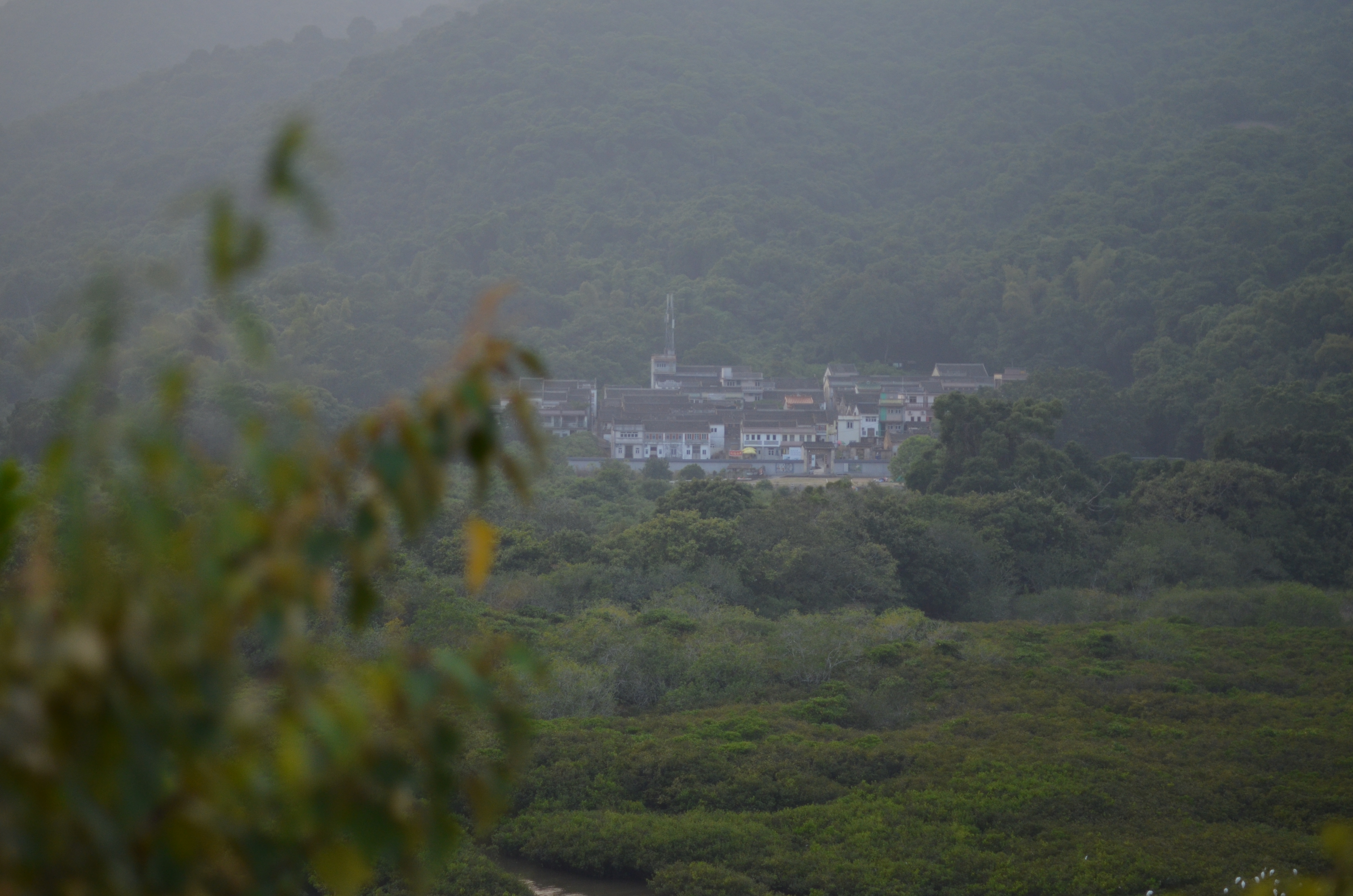
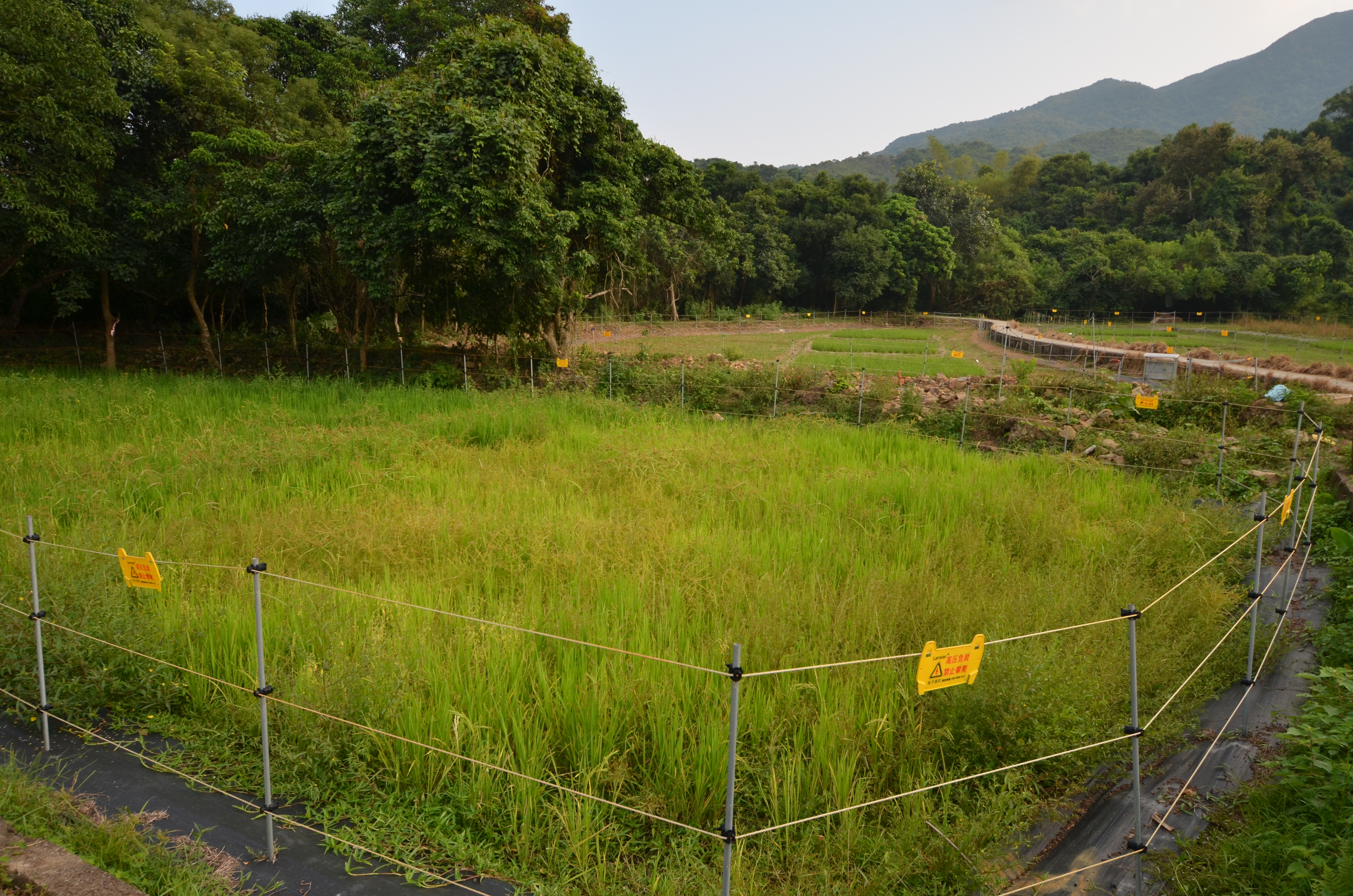
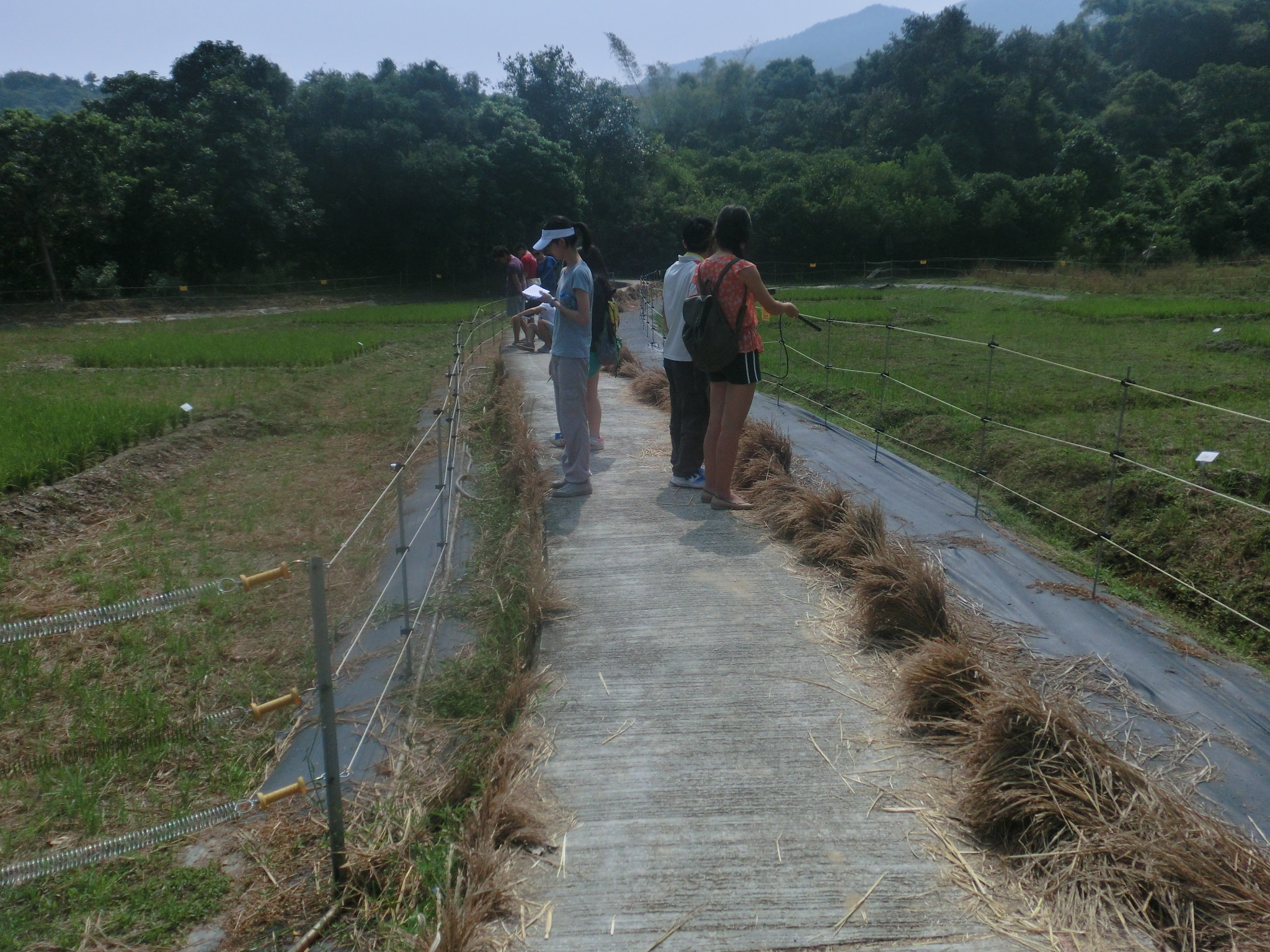
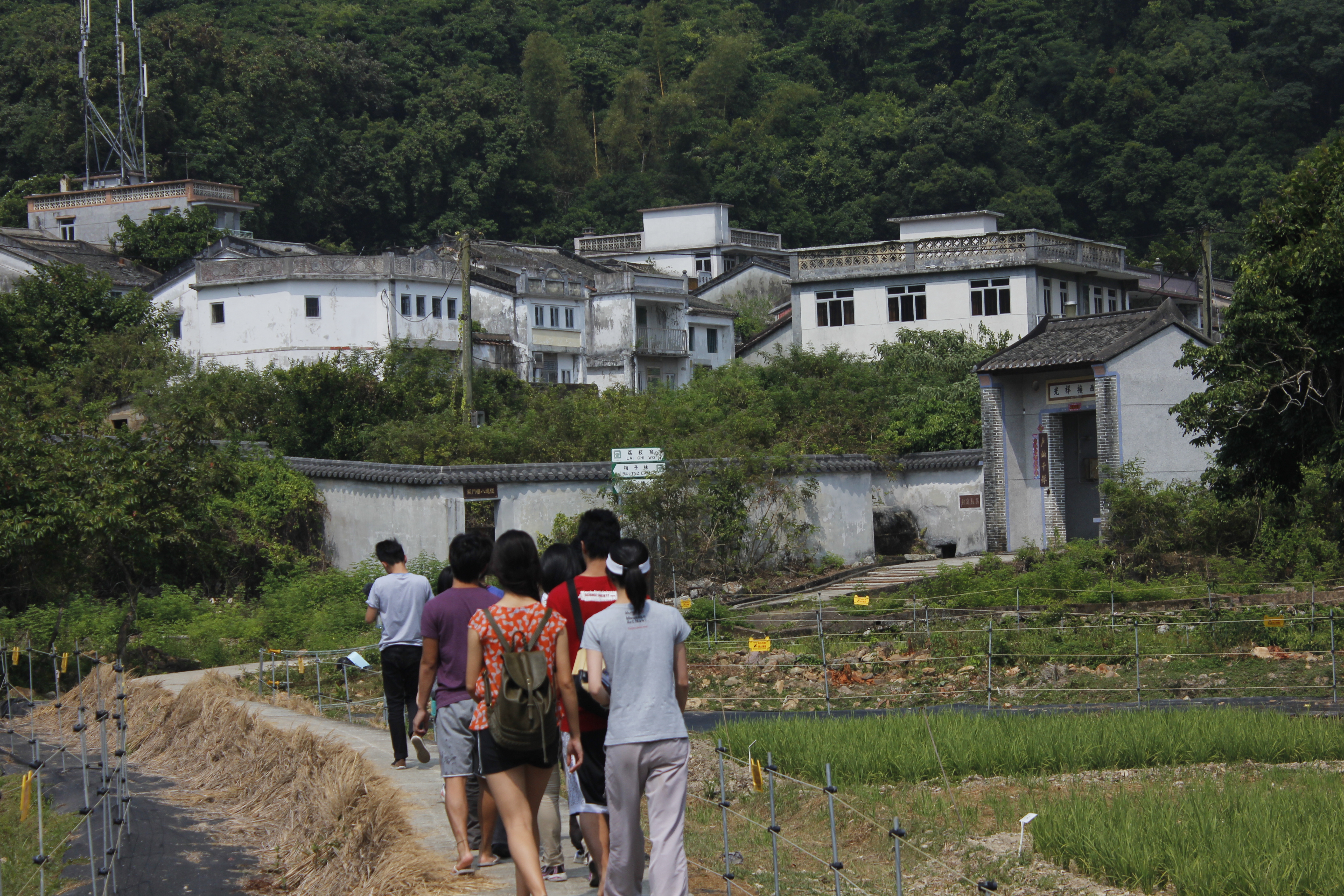

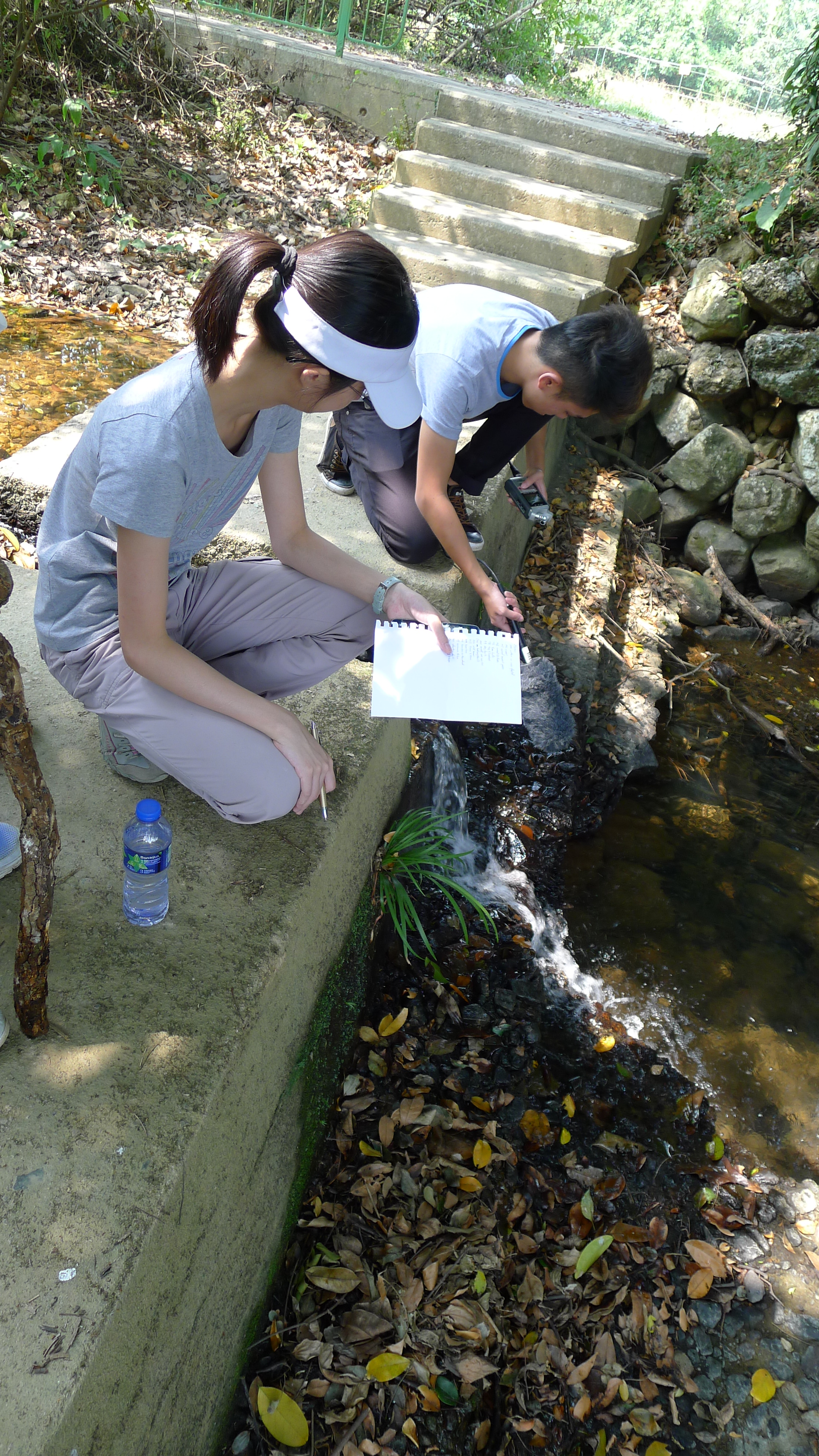
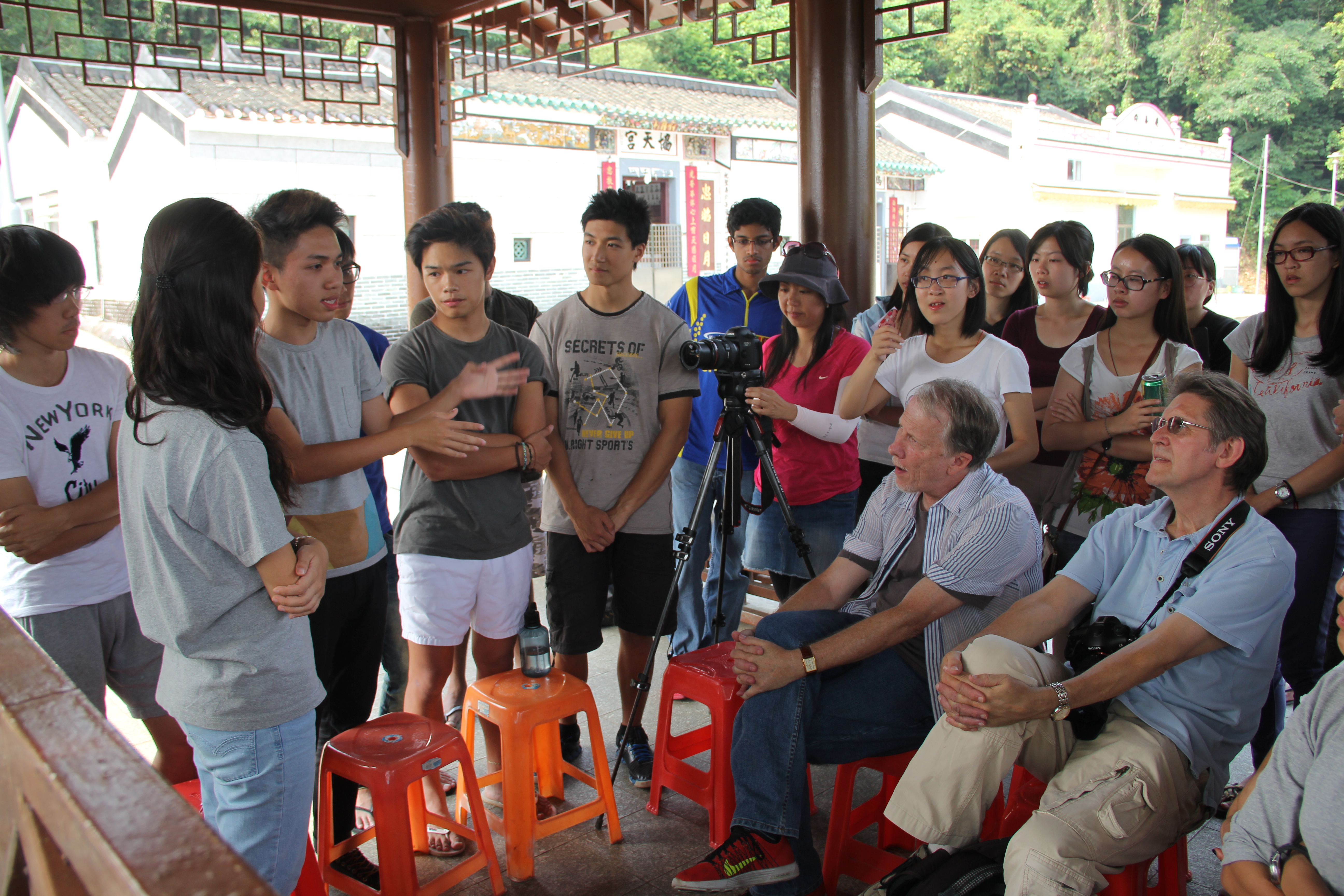
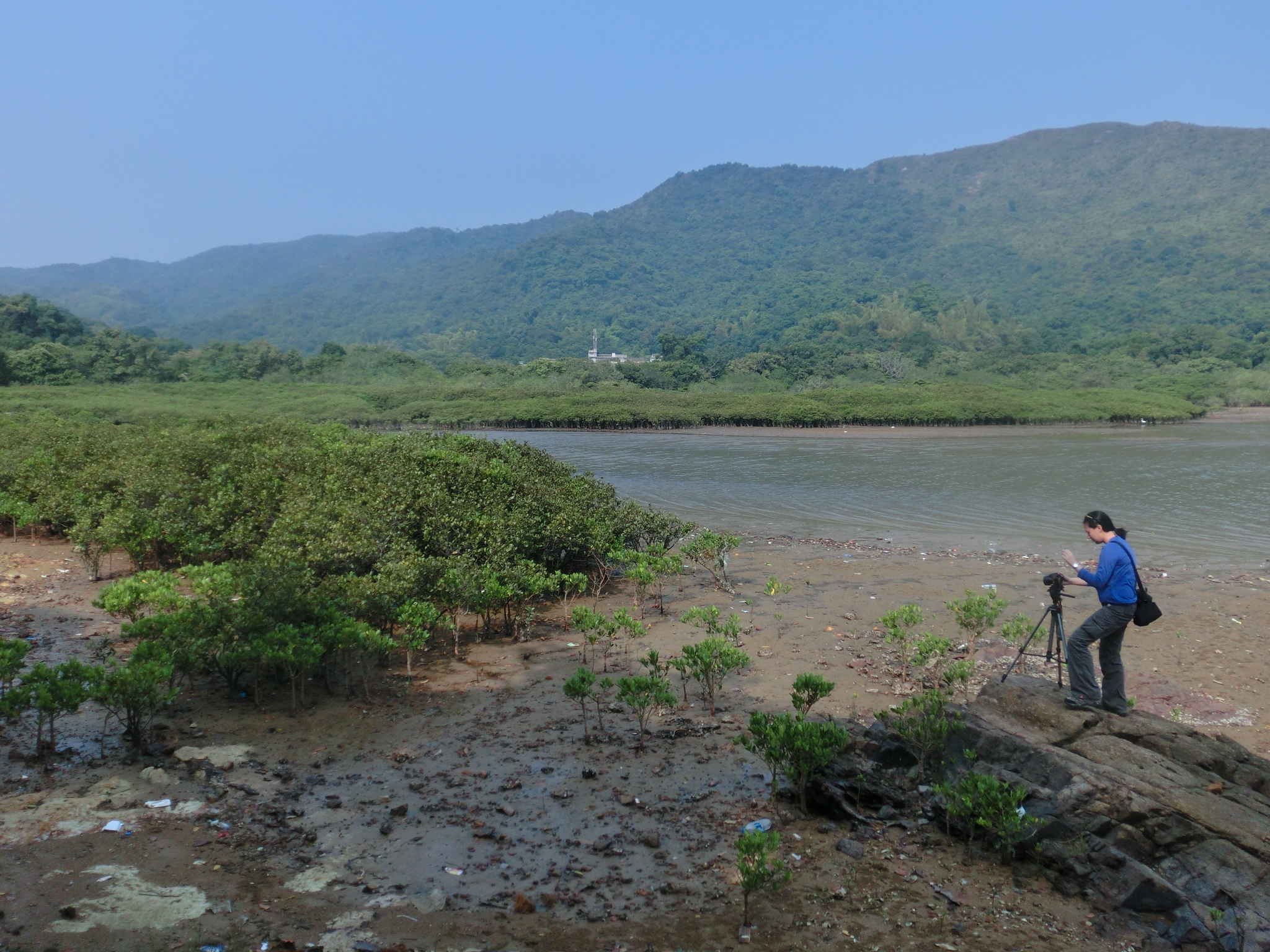
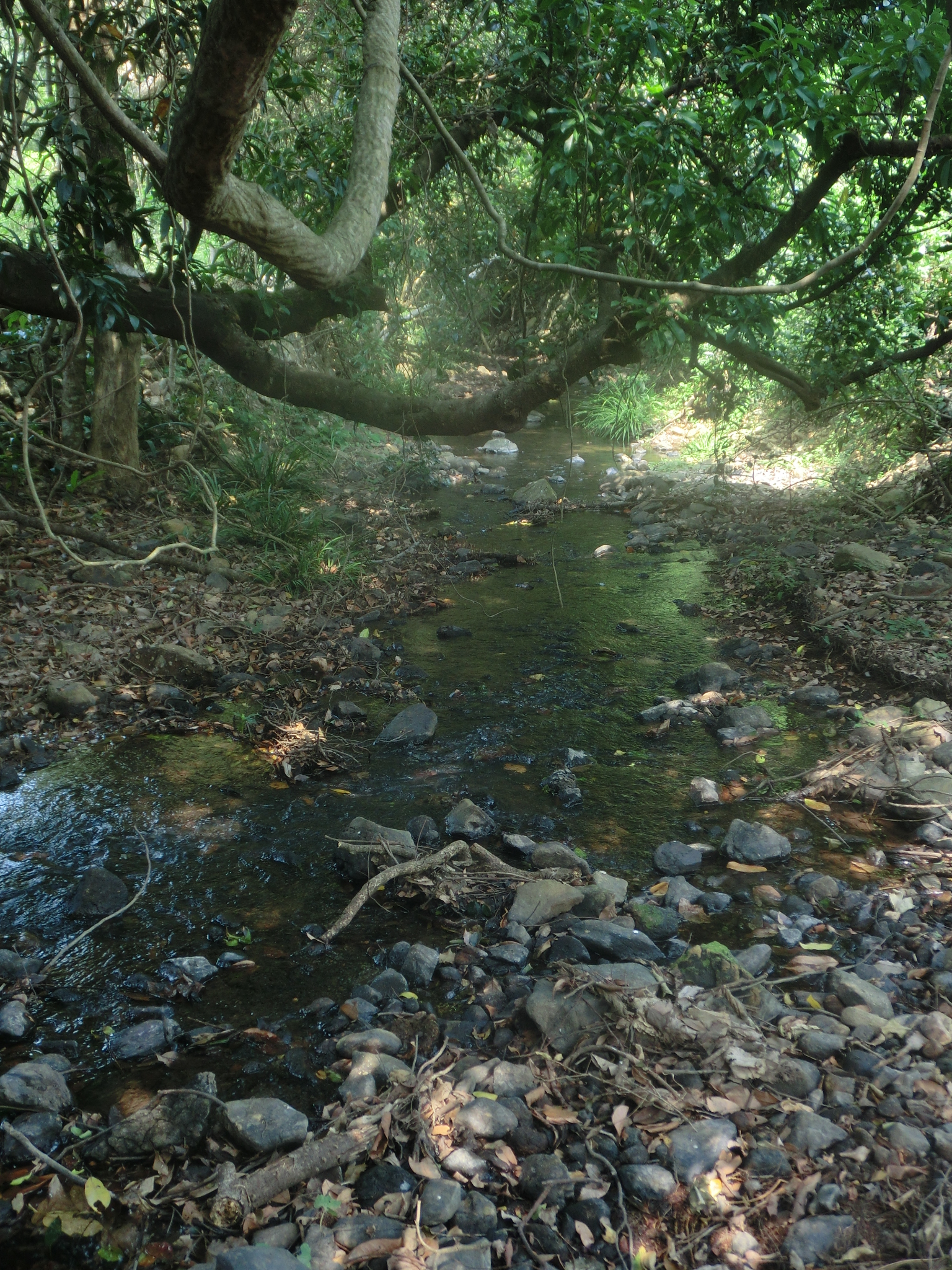
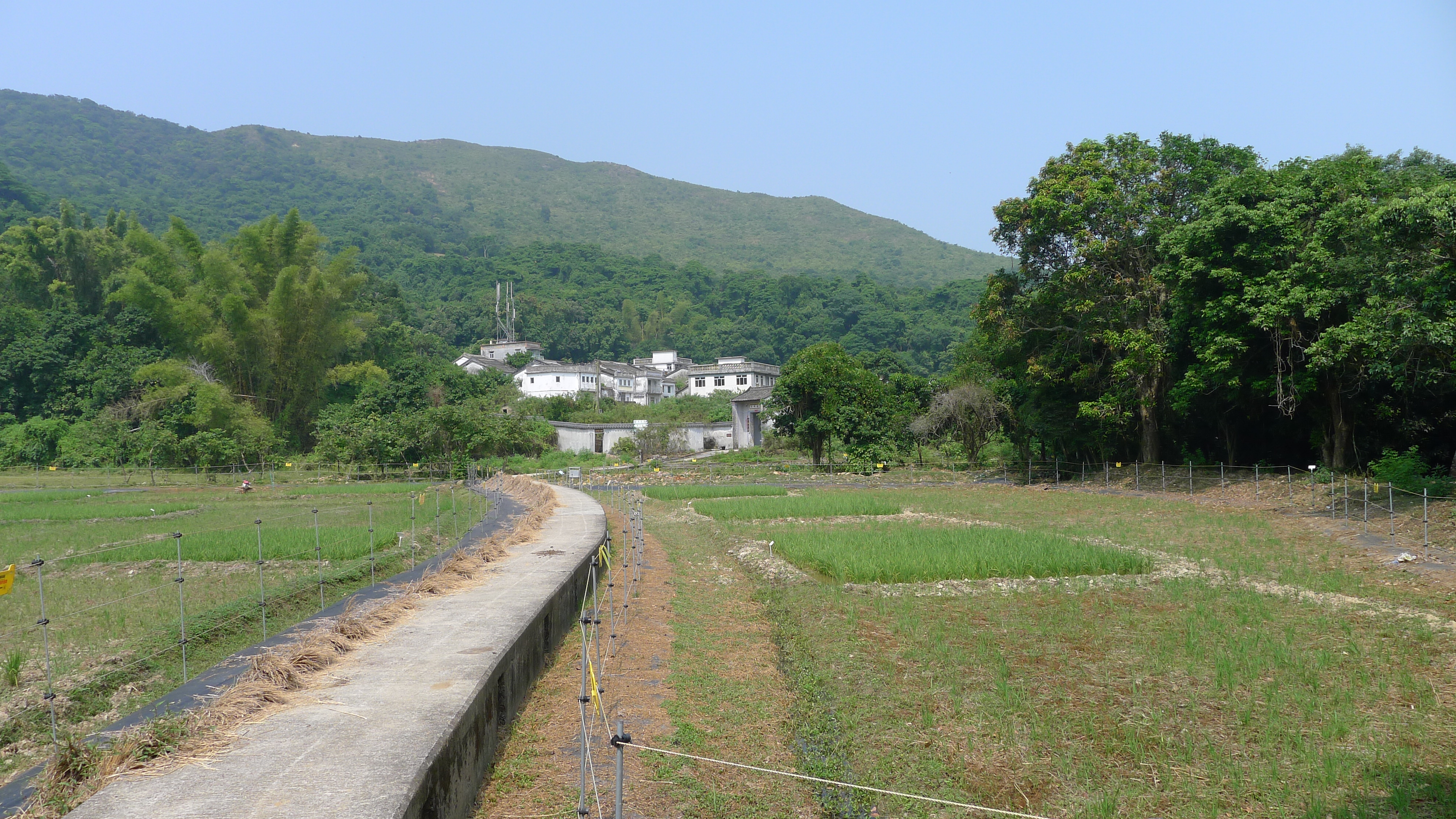
Sound itself is invisible. As to see wind we must let it act on an object, to hear sound we must let it act on our ear. Observe the sound created by the environment, animals or human, the story of the landscape has been revealed. Reading the invisible and transient moment of the land collected by sound sensor, it provides us another layer of understanding of the land.
This project aims to listen to the environment talk and to capture the invisible characters of the landscape.
Walking into the village of Lai Chi Wo, you will hear the sounds of nature all around you – a stark contrast to the bustling soundscape of the urban districts of Hong Kong. Passing through the landscape, the musical notes of animals’ calling were clearly audible. Combining with the sounds from the human activities, we find the rural soundscape very inspiring. Through this project, we aimed to encapsulate the feelings of this village and tell the story of Lai Chi Wo from the perspective of wind, and it travels to different parts of the village to create unique soundscapes - a sense we often take for granted.
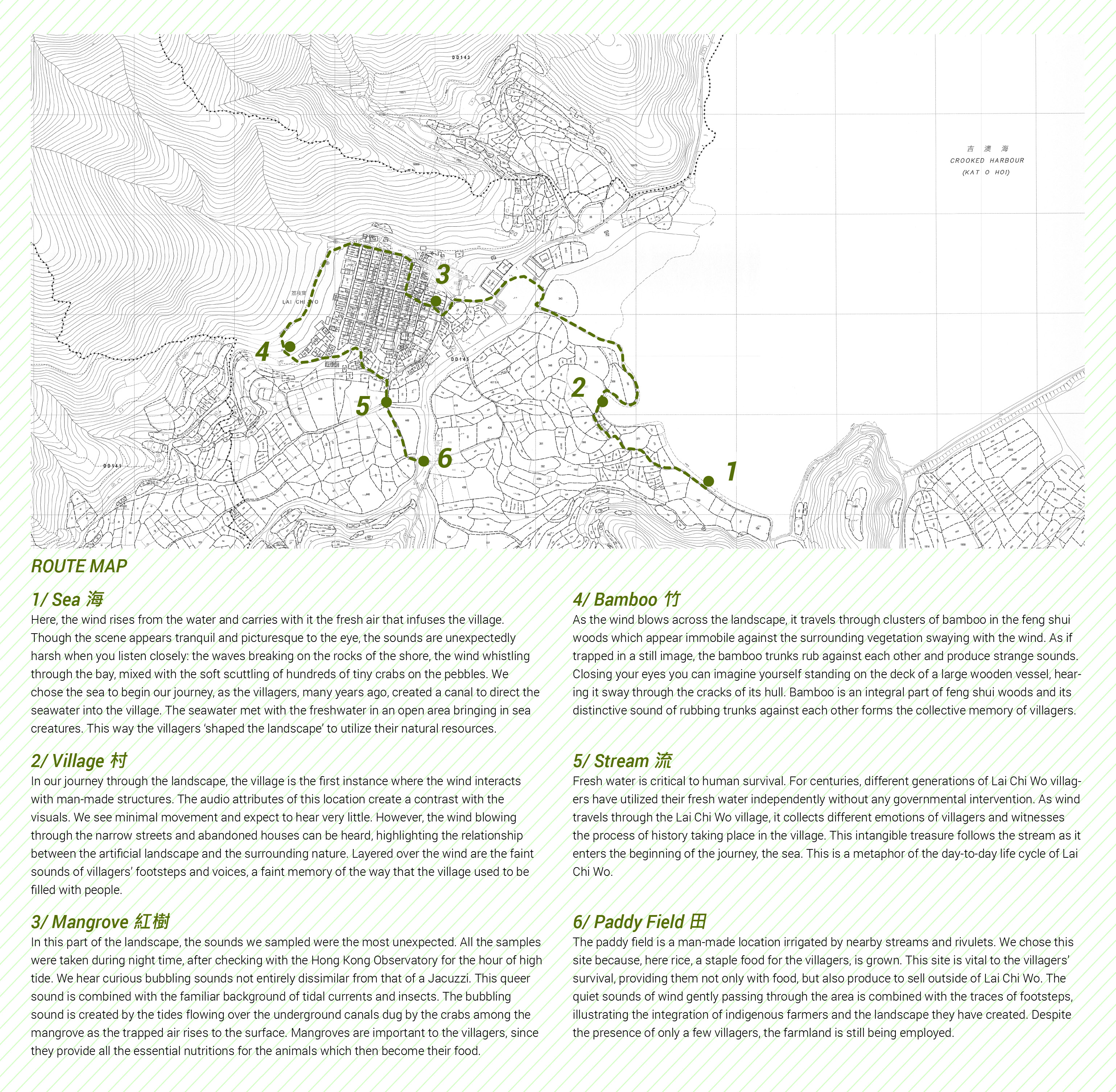
The idea of our project is to create a ‘sound transect’ from the sea to the paddy field, going through all the specific sound sampling areas, reconstructing a story of the village in its most natural form. Imagine if we cut a cross-section through the village, the sounds we sampled are in the geographical order as we follow the direction of the wind as it moves through the village.
The artwork we have created consists of short video clips and sound clips that we recorded from each of the six locations. Having explored each location at different times throughout the day, we recorded the environment’s sounds at the time we felt was most interesting, and paired it with a video clip from the time of day where it was most visually captivating.
We emphasize the sounds from the surroundings through various video editing techniques. For instance, we play the recordings before the introduction of the visual elements to allow the audience to listen closely and imagine their own scene. For the bamboo in the feng shui forest in particular, we felt that there was a stark contrast between the audio and visual. The sound is completely unexpected when compared with the static, unmoving video.
Our compilation of videos and sound clips is accompanied by objects we collected from each location, providing a physical item that ties the video and sound recording with something tangible in front of you that you can see and touch.

