|
CCHU 9023
SHAPING
THE LANDSCAPE A Quest for Harmony between
Nature and the City |



|
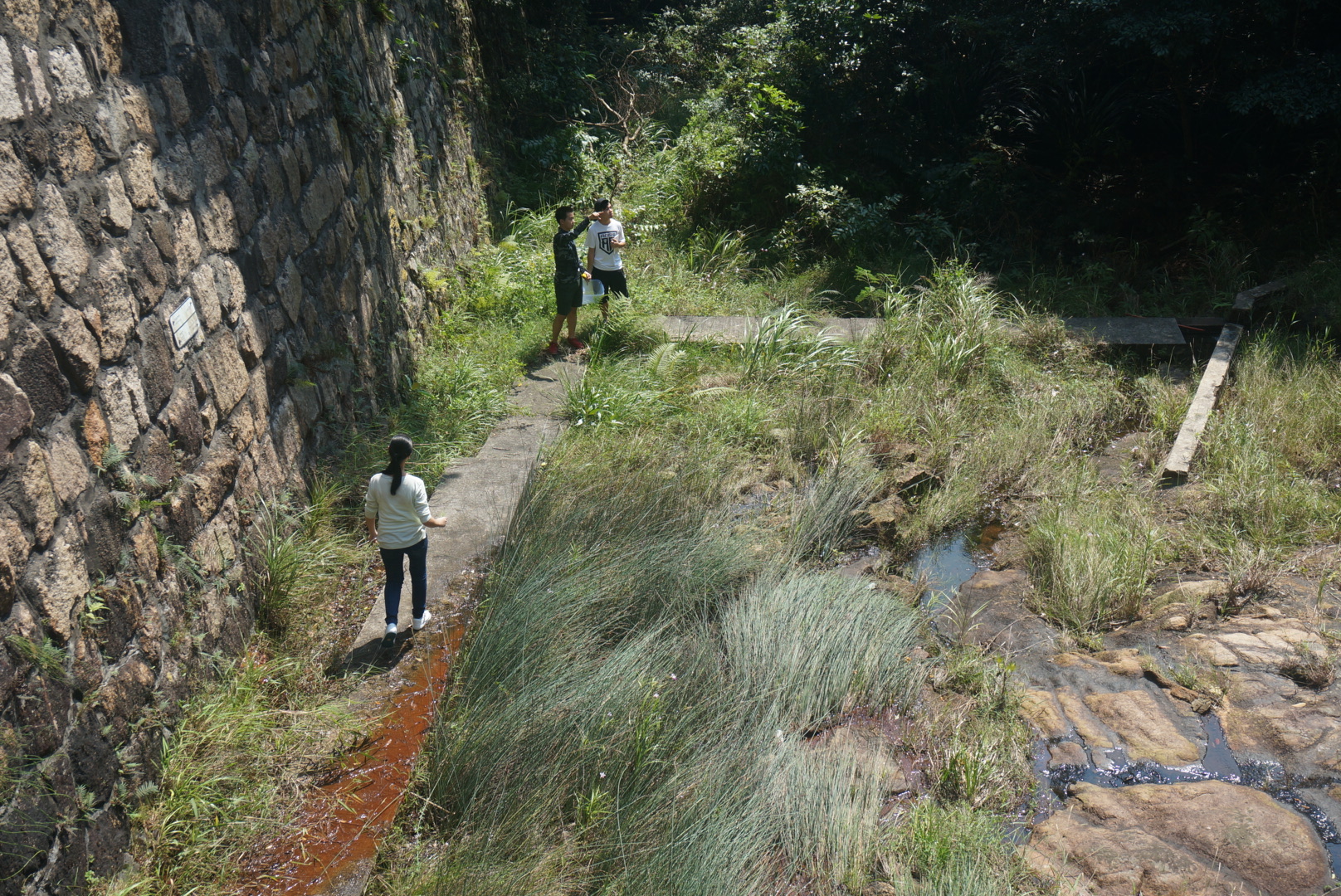
Water, an element of everyday life often taken for granted, must first be captured, transported and treated before it is ready to be distributed for a settlement’s use. The operation from capture to distribution is only made possible by the shaping of landscape and engineering ingenuity.
The construction of the Tai Tam Waterworks, Bowen Aqueduct and Albany Filter involved operations on an impressive scale. The project seeks to understand how water became inherently linked with materials, its quality and quantity, and how these are appropriated to achieve the goal of water deliverance. Revealing the often overlooked material nature allows us to understand the dam, aqueduct and filter as a system of different forms of material manipulation but also more importantly, how the necessity of water has pushed settlers to use every material available and technology viable to make this hugely ambitious scheme work in the island of Hong Kong.
An appropriate use of materials in waterworks not only plays an important role in the success of water collection, but also in reflecting a relationship with its surrounding natural environment. Various kinds of materials were added on or subtracted from the local sites during the construction which has many impacts on the landscapes of Hong Kong. In our study, 7 kinds of materials were chosen (namely: granite, metal, soil, vegetation, concrete, brick and filtering materials) and they are further developed into 11 narratives. These narratives have changed our understanding of materials and their interactions on the environment as well as with each other. Through presenting these stories, we attempt to illustrate how materials cooperate with one another for the construction of the water supply infrastructures, and how it works with the challenging landscapes of Hong Kong while fulfilling the mission of water collection in Hong Kong.
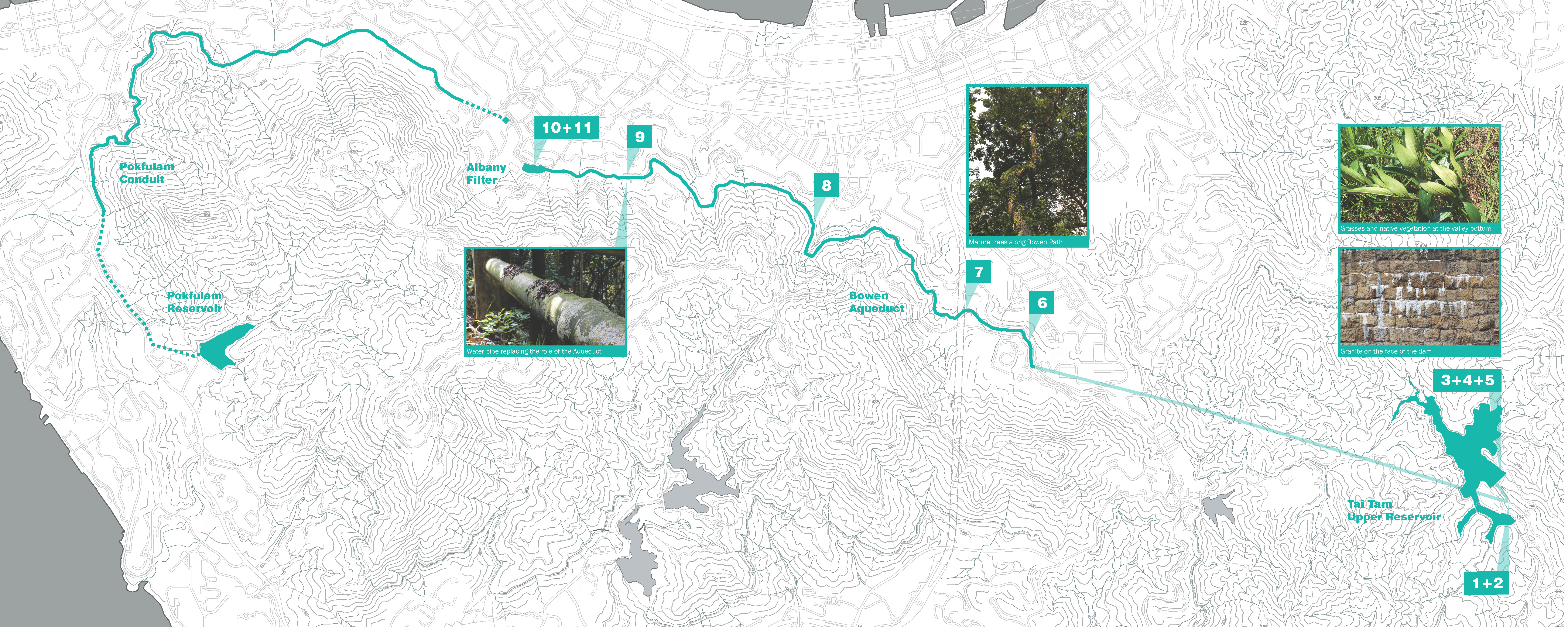
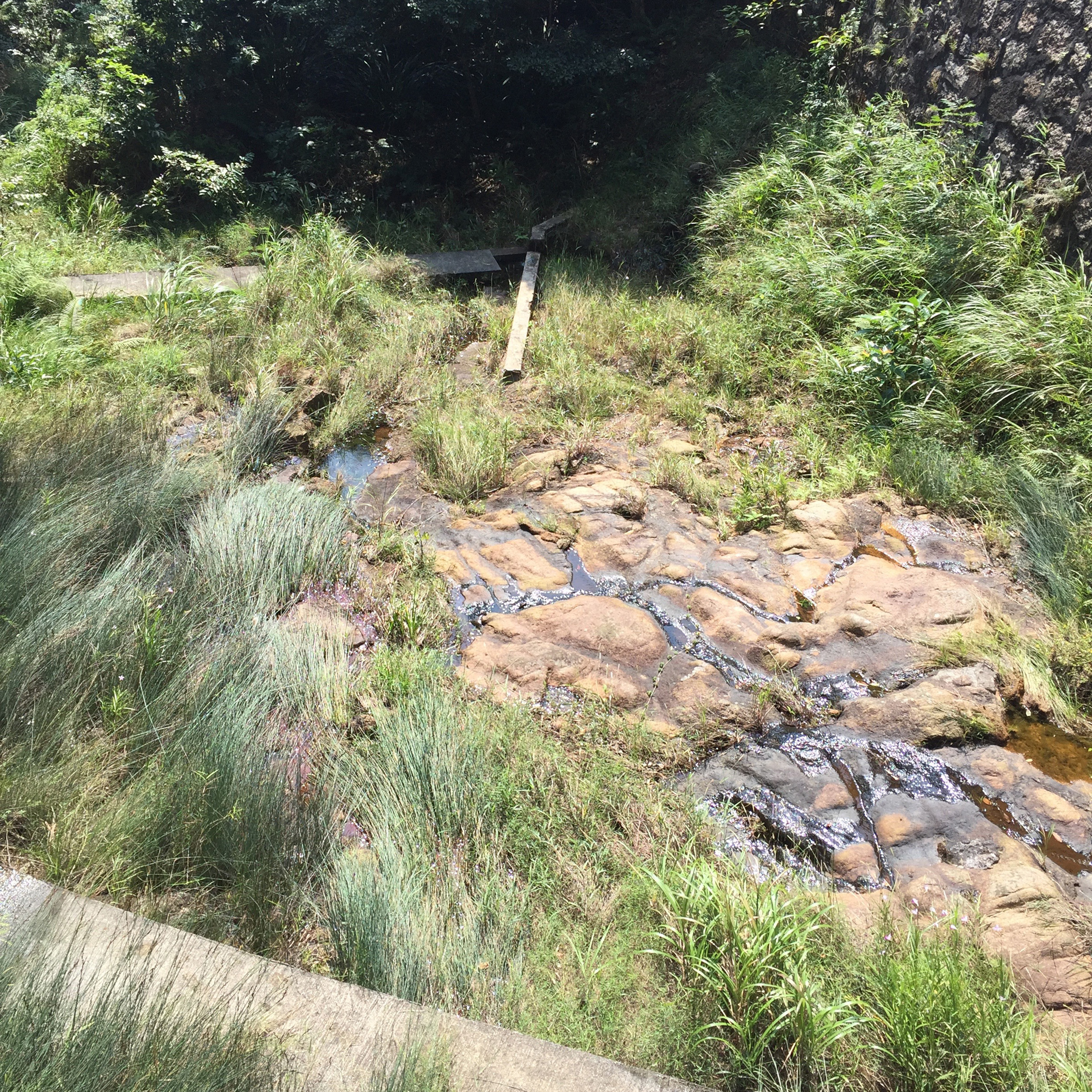
The theme of our project is to trace the sources of the materials found along Tai Tam waterworks. To delivery this story, we display several types of documentation correspondingly linked to their original sites as indicated on the map. Through our documentations, we hope to illustrate how material transitions through time and along the trail.
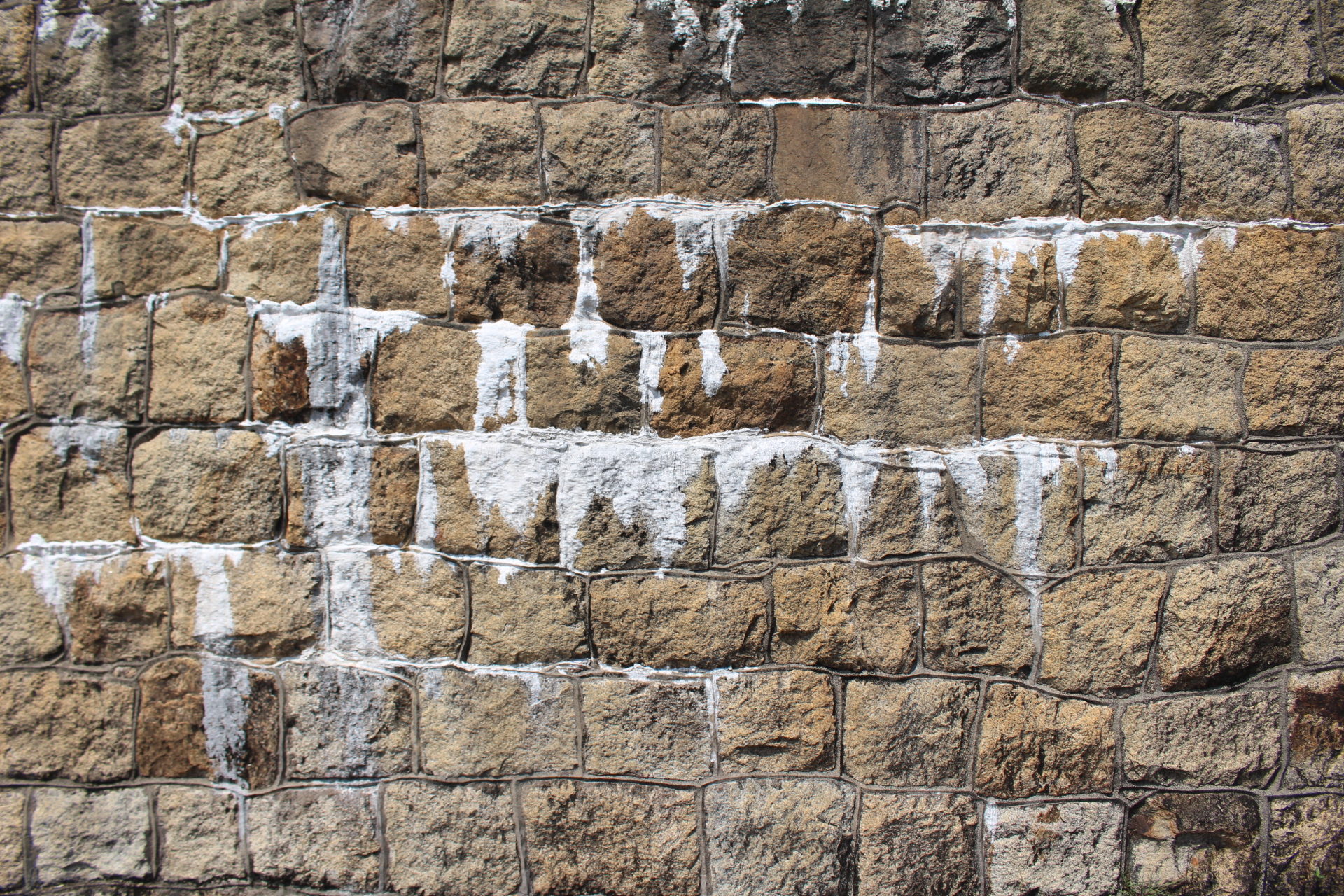
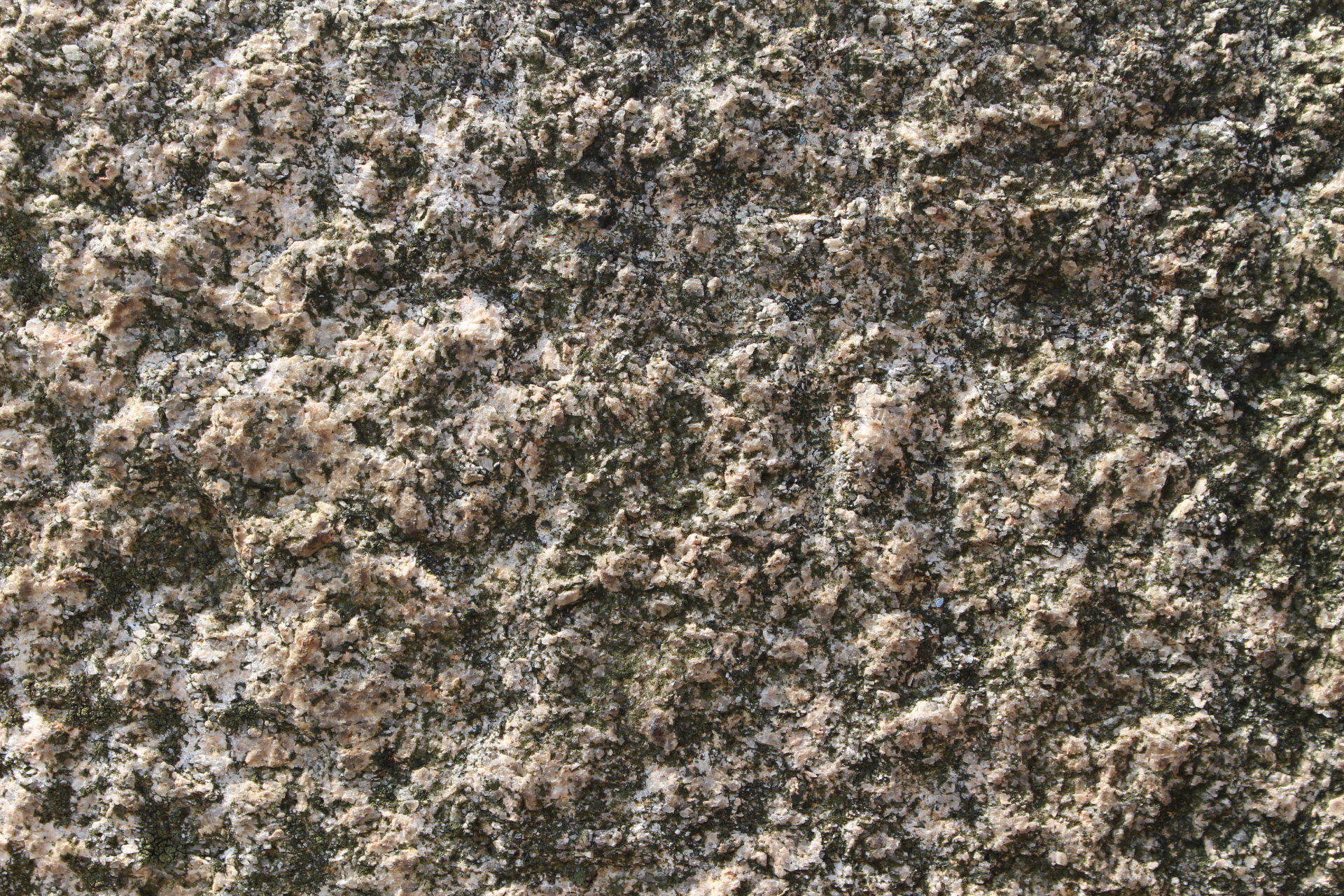
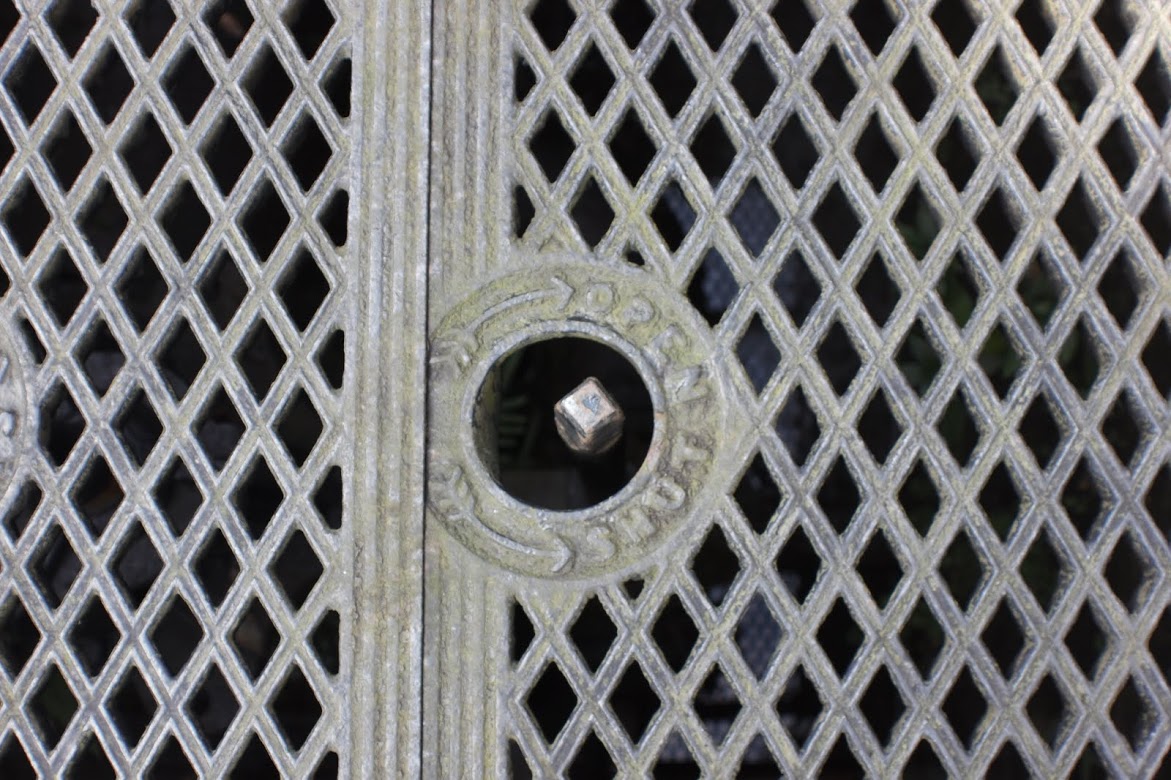
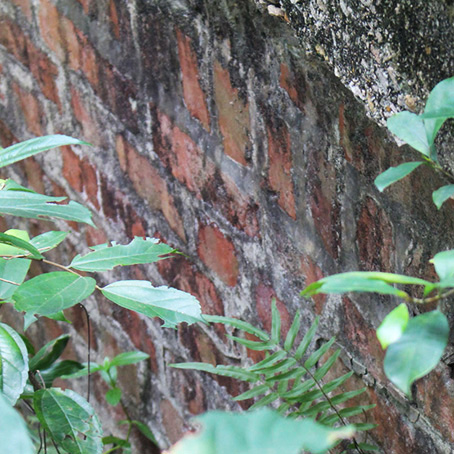
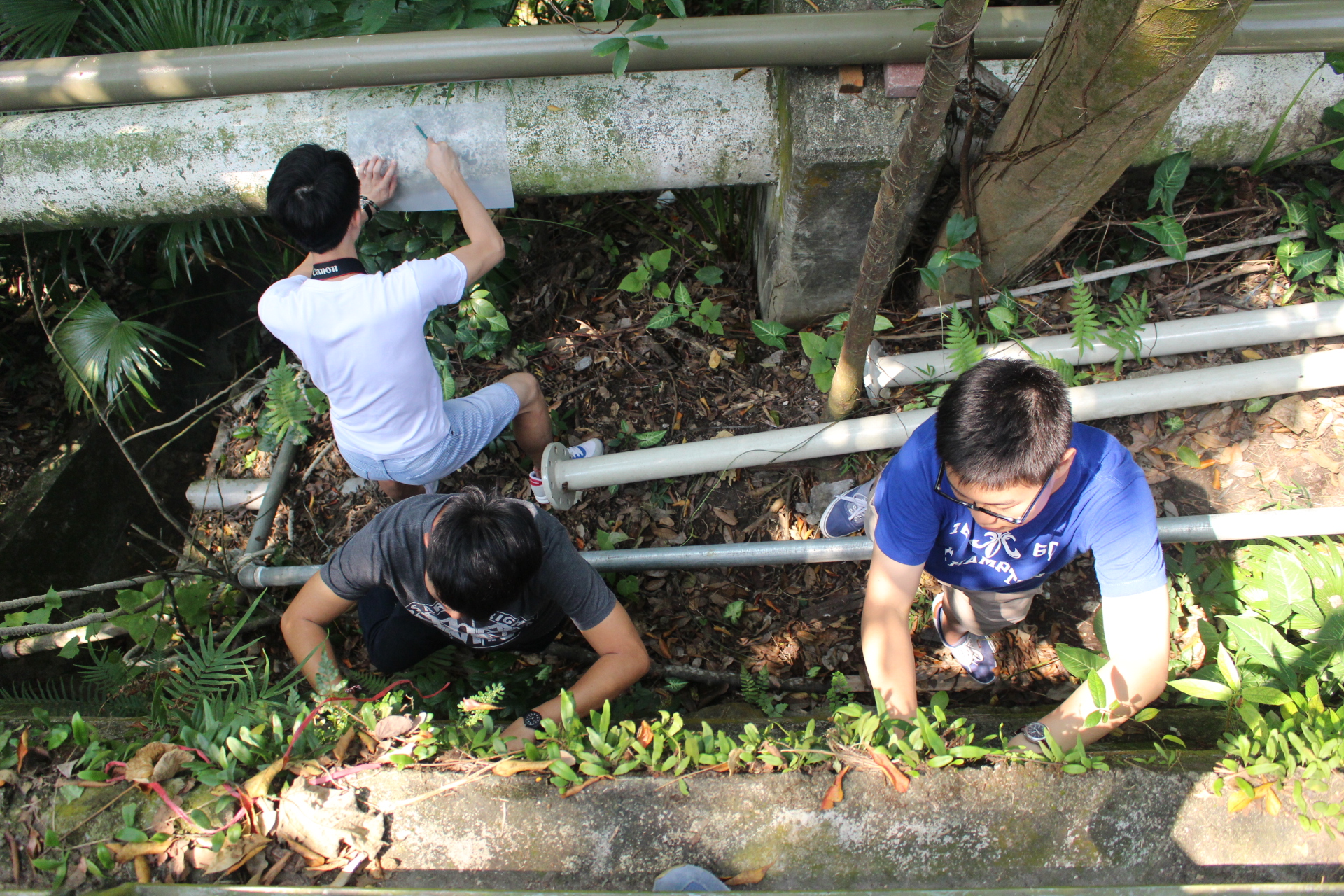
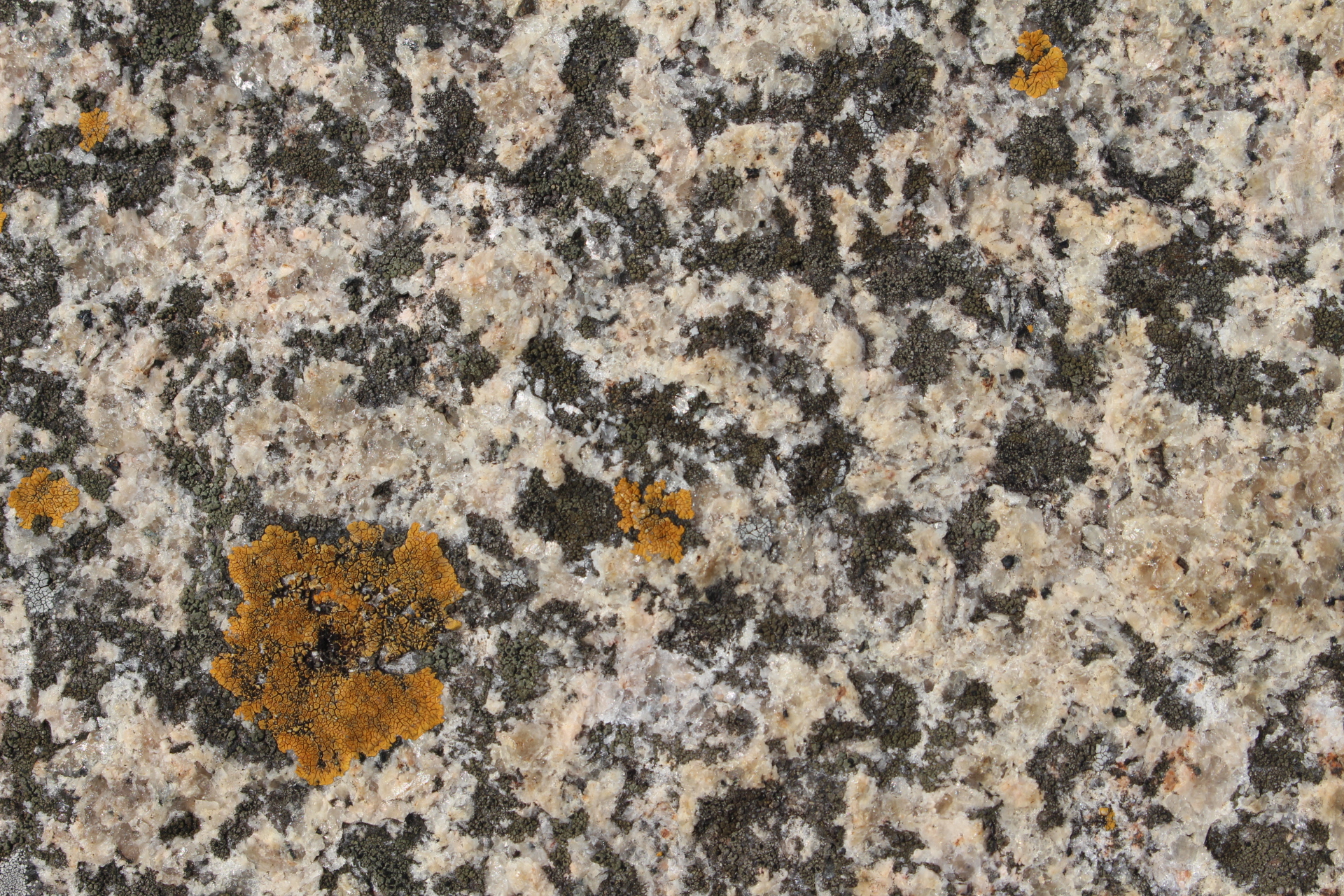
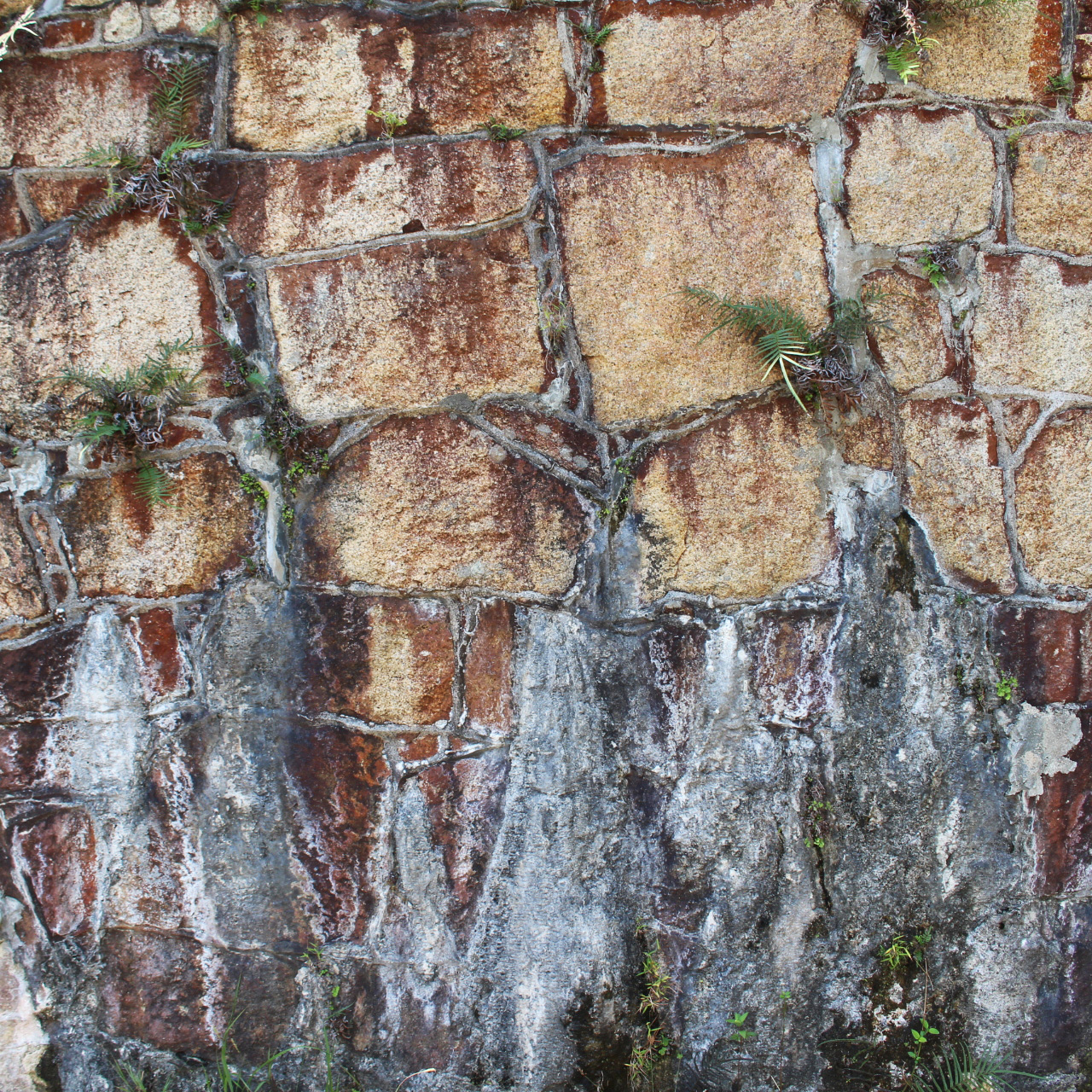
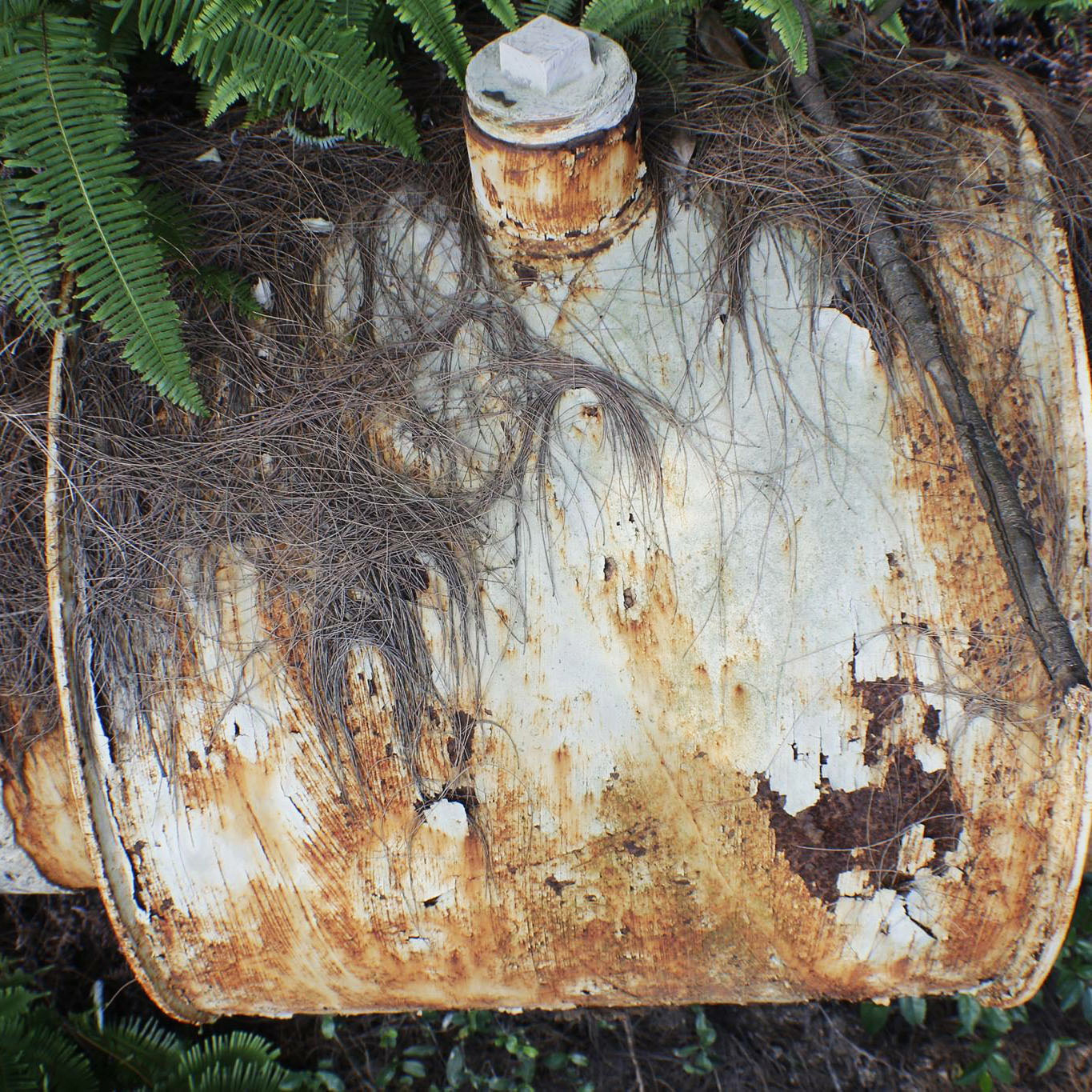
Firstly, close-up photographs are displayed to give a sense of the characteristics of the materials employed. In addition to that, inspired by Richard Long’s artworks, we created a series of poems telling the stories of the materials. We use the power of numbers and facts to provoke our audiences to realise the scale of construction as well as the amount of materials used. Pencil rubbing is also an effective method in isolating and presenting the texture of the metal pipes, bricks, and granite which can capture the inherent changes on the surface of the material over time. Since the changes of vegetation points to the larger infrastructural history of Tai Tam Upper Reservoir and Bowen Aqueduct, real vegetation samples were collected to represent the original plants in the area, and the British colonial government’s efforts in afforestation along Bowen Aqueduct.
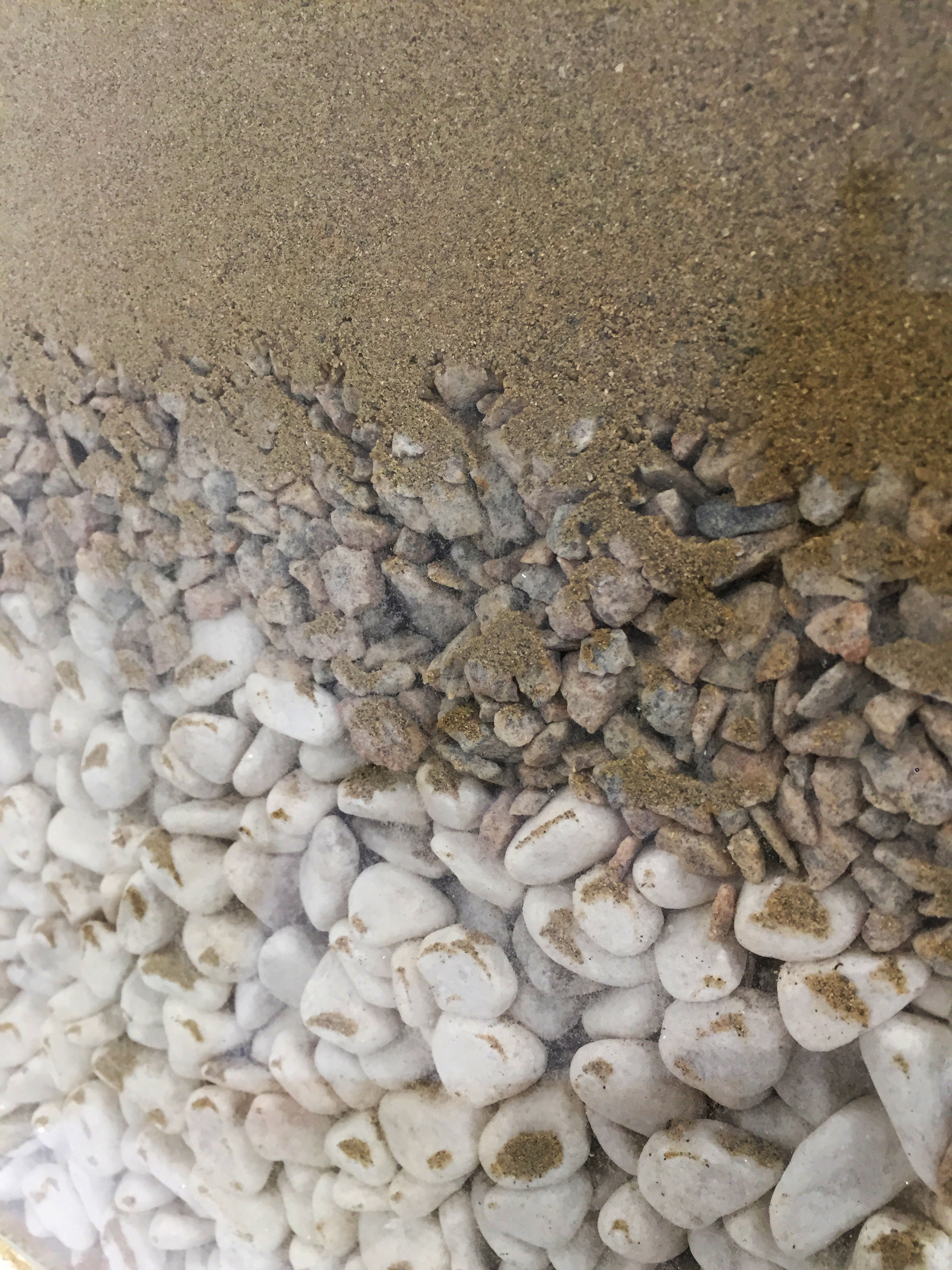
As the Albany Filter has already been demolished and was turned into a park, and also since the layer of granite covering the dam made it inaccessible for us to document, 3-dimensional models of the filter materials and the concrete core of the dam have been created to illustrate the construction techniques that was used at that time were built. Sectional diagrams are also presented to visualize the structure of the filtering materials and different ways of soil manipulation employed in the construction.
Our art installation is displayed as a mapping of materials to showcase the materials’ changes in usage, form, relationship with water and with each other in the different locations throughout the mission of water collection.
The installation addresses audience with a full-height vertical map. By such, the audience can follow through the entire journey of the water infrastructure, from collection, conveyance, treatment to storage while relating to the relevant materials.
Beside the map are other different documentations of materials put in the order of locations founded on the map – Tai Tam Upper Reservoir, Bowen Aqueduct, and Albany Filter. On-site photos are first presented to the audience to highlight the materials’ usage suggested by their forms. Then, our Richard Long-inspired poems are put in parallel with the photos to extend the understandings of the material properties as well as the sense of scale of the materials used on the infrastructure.
Below them, are pencil rubbing of granite, brick, and metal so to allow audience to visualise the textures inherent to each of these materials. We decided to represent vegetation with real samples as it is the only material that can be collected, and that they can create a clear visualisation of the types of vegetation described. Hand drawn sketches of the construction plans allow the public to make direct links to the soil operations described in displayed text.
At last, 2 three-dimension models of concrete and filtering materials are placed on the floor. This introduces physical elements to the exhibition, and by doing so, allows the audience to interact with materials which they do not have access on the site anymore.
A
1. Soil | 土壤
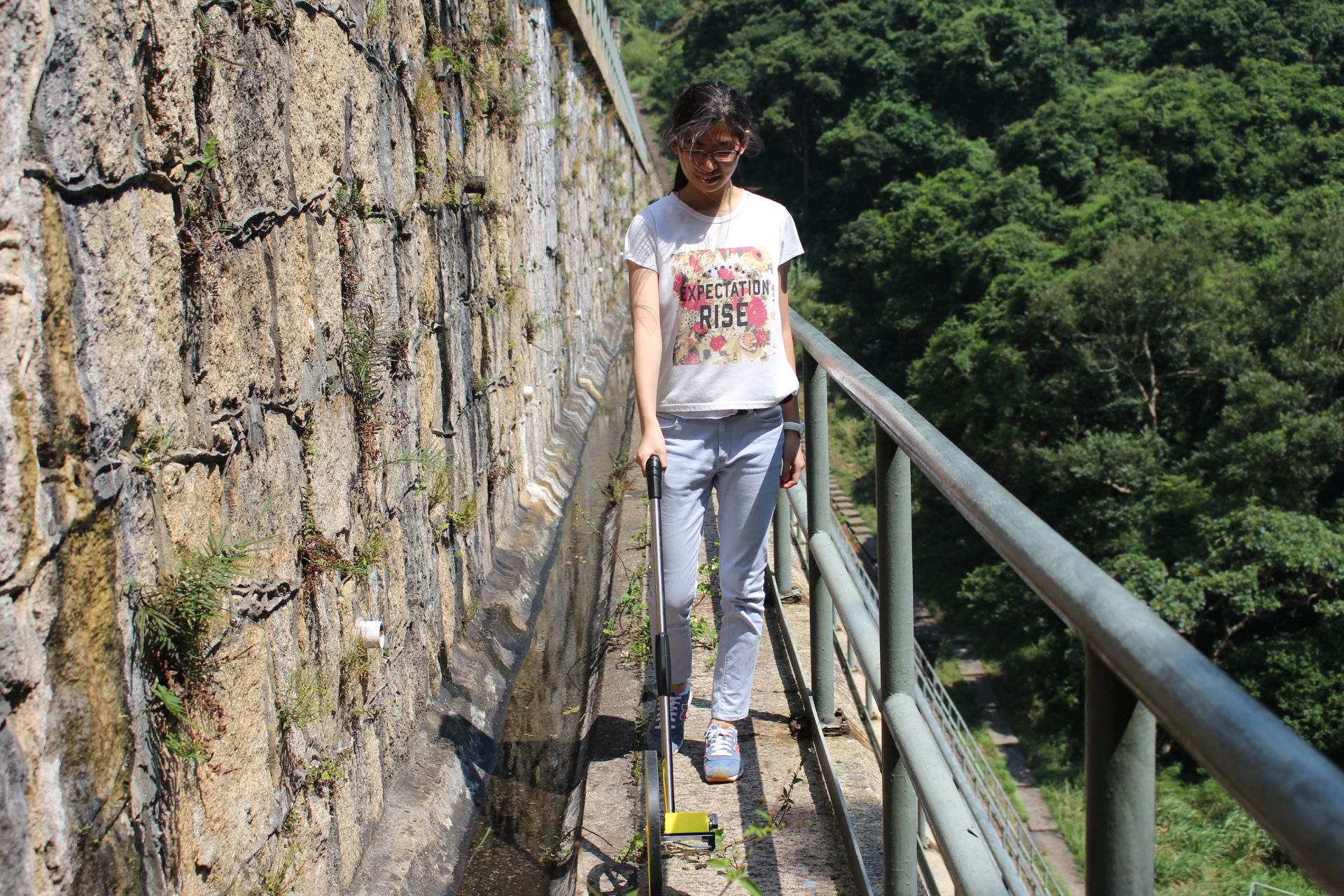
To connect Tai Tam Upper Reservoir to the main road, a trail measuring 1668m long and 3m wide was constructed. For this construction, soil of a total of 40m in height was added onto the original level of the valley. About 3,200 m3 of soil was removed during the digging of the foundation, in order to construct the platforms and staircases on each side of the dam. These staircases are used by workers to reach numerous berms and platforms at the bottom of the dam. This enables them to carry out inspection, maintenance, and repair works to uphold the safety of the dam.
2. Vegetation | 植物
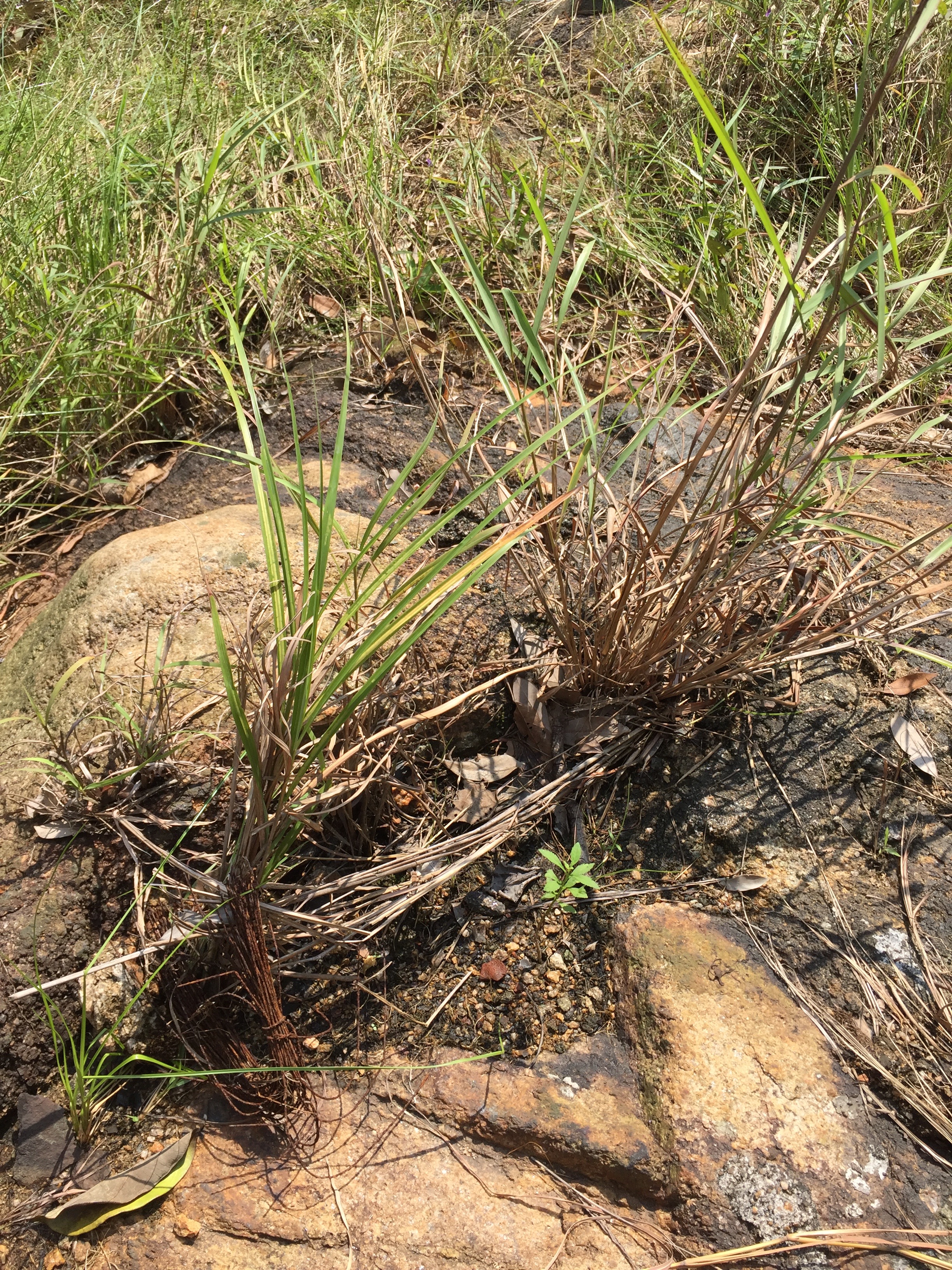
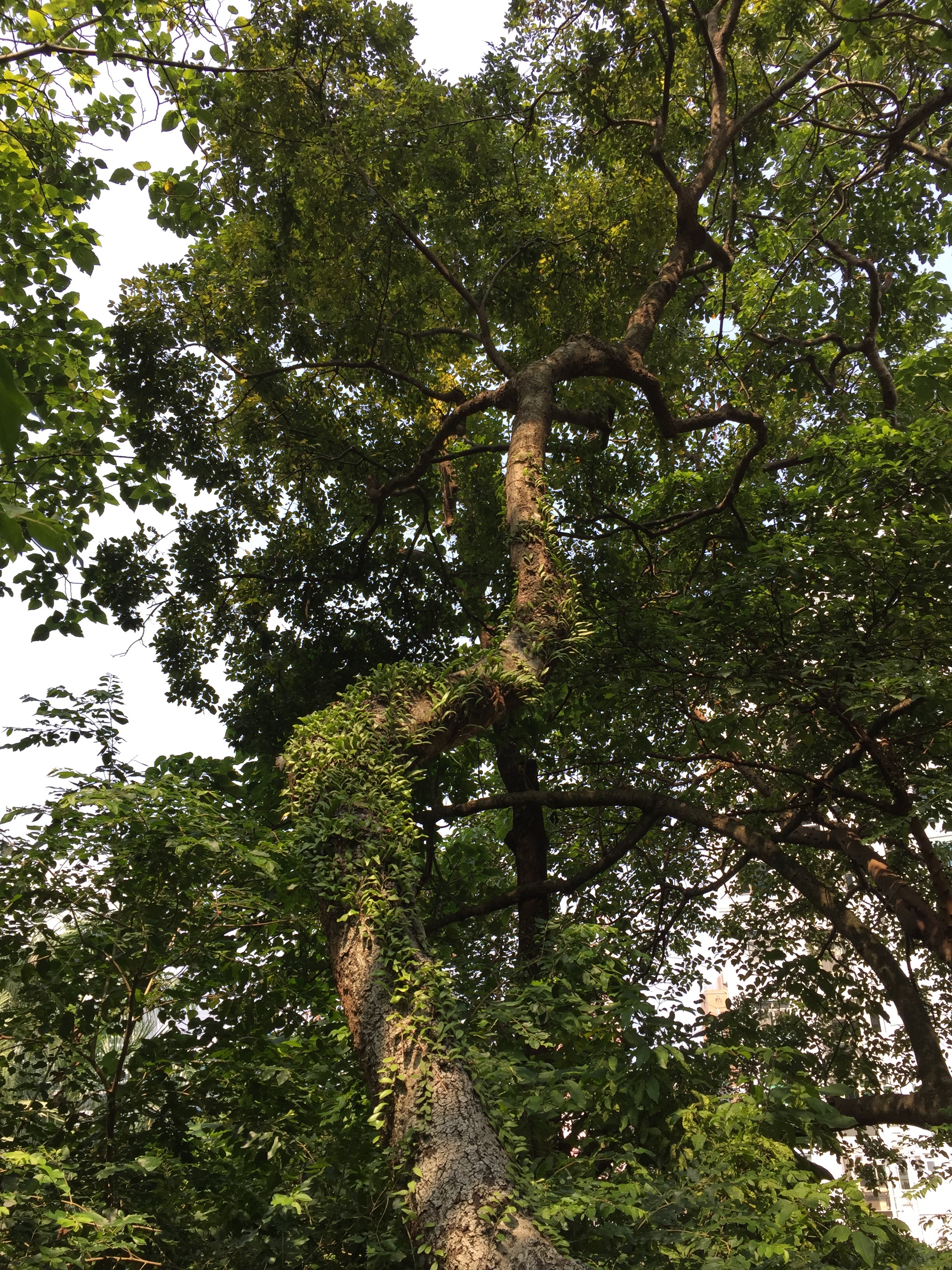
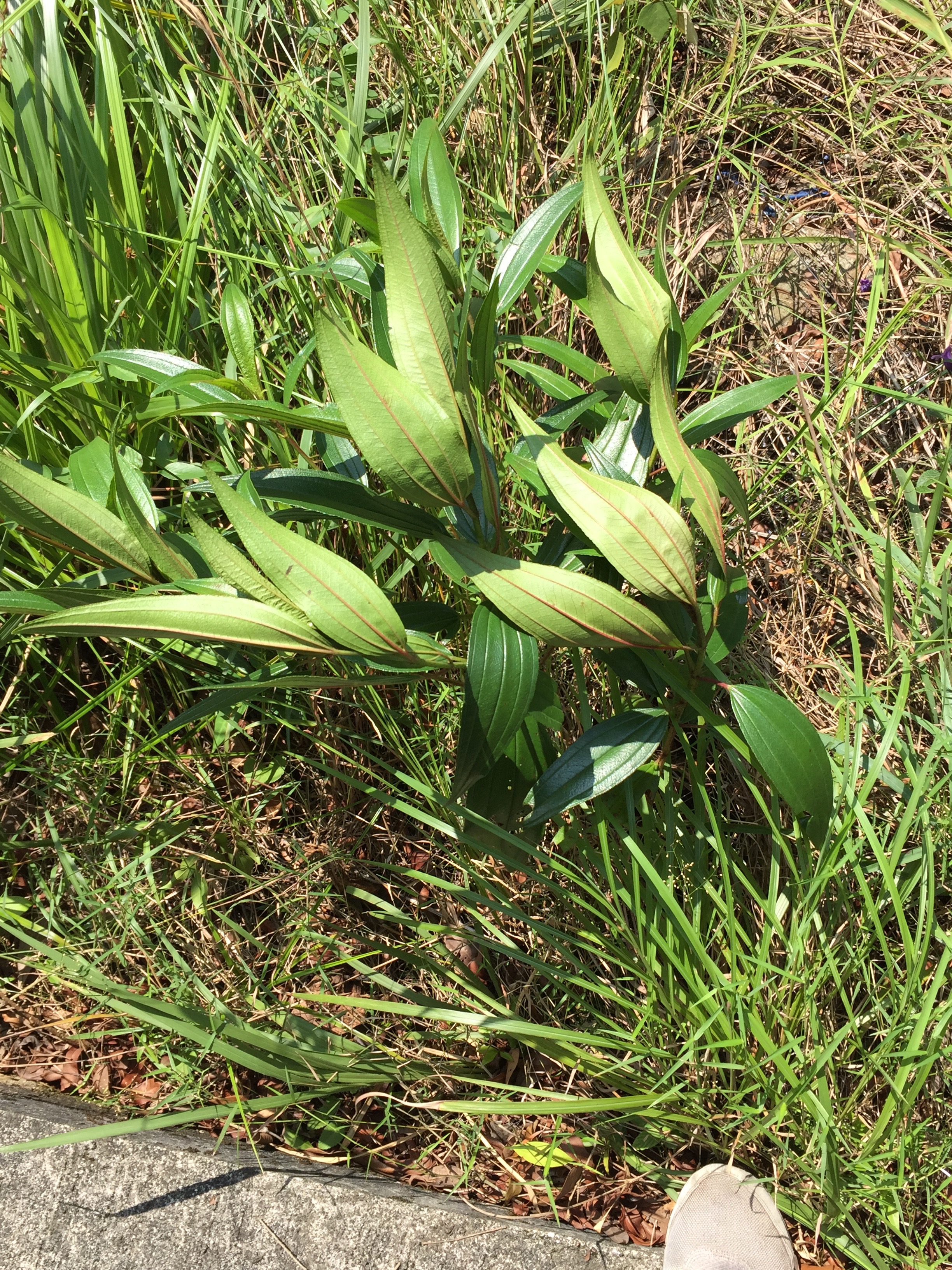
All grasses and shrubs were removed before the construction of the reservoir. The most common vegetation found at the bottom of the site are ferns with large and feathery leaves. The growth of such large amount of shade-tolerant ferns is fostered by the sheltered environment created by the V-shaped valley. With a high chance of soil erosion after heavy rain, an increased amount of vegetation was introduced with the completion of the reservoir. This gave rise to the diversity of tree species found today that helps to hold the soil on the hillsides together.
3. Metal | 金屬
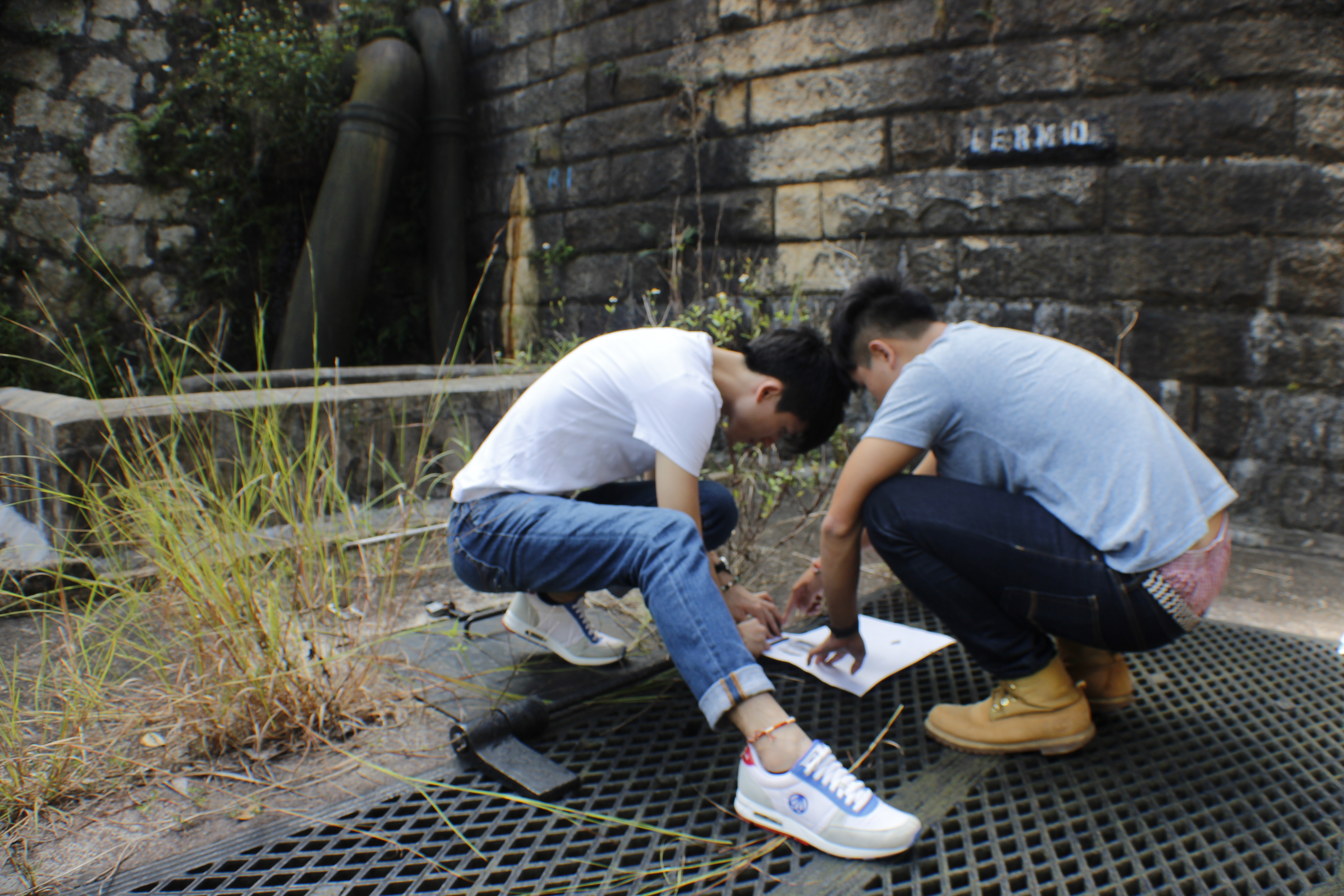
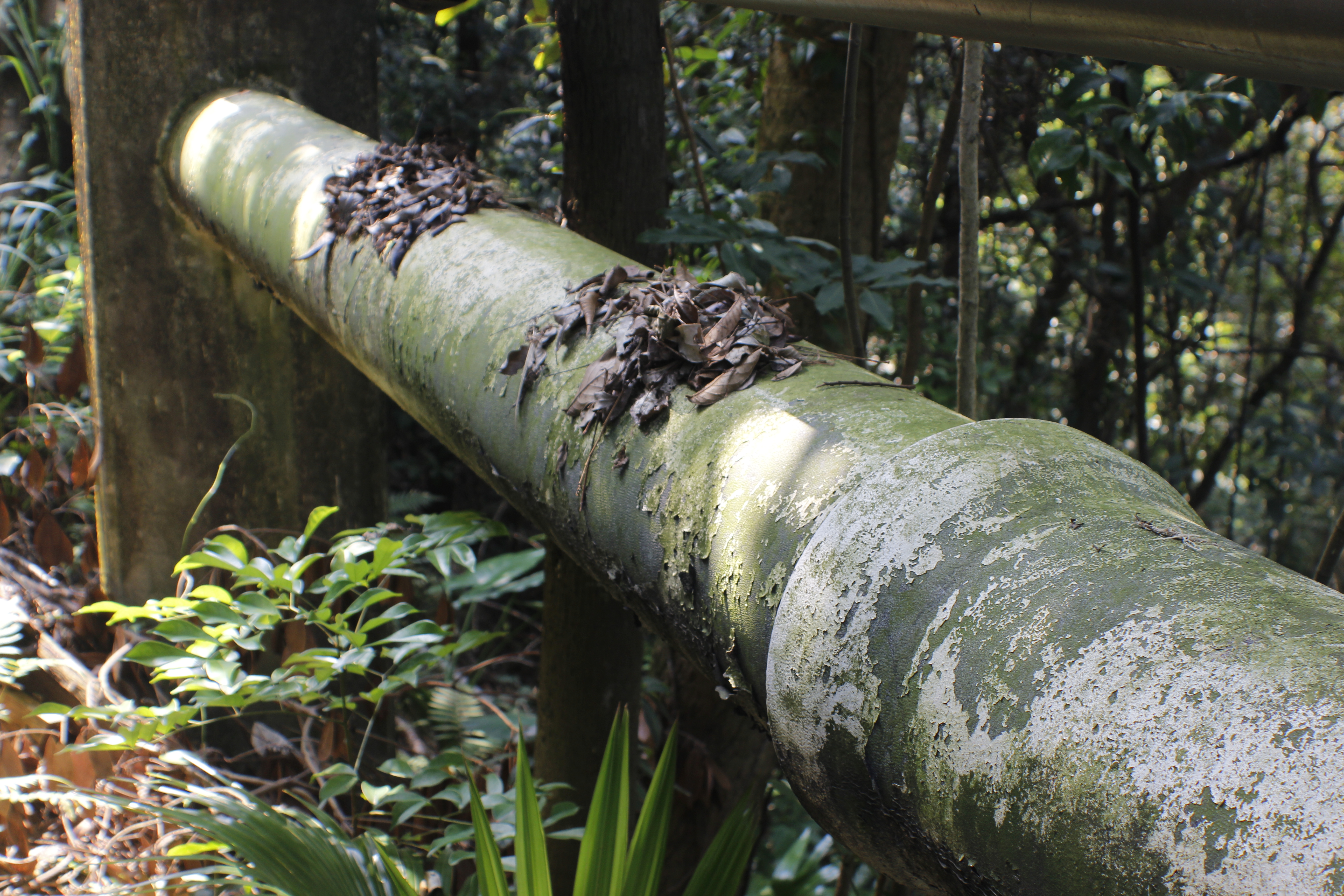
150 tons of metals were used to construct the water pipes, metal covers, and railings at the reservoir. The water pipes allow water to flow from Tai Tam to Bowen. Since they are made out of iron, the pipes rusted over time and continues to create interesting textures on their surface. The metal covers are made of steel with small holes on them to allow workers to see through and check the mechanical system beneath the covers. Lastly, the steel railings on each level of the dam are constructed to protect the workers as they access the berms for inspection.
4. Concrete | 混凝土
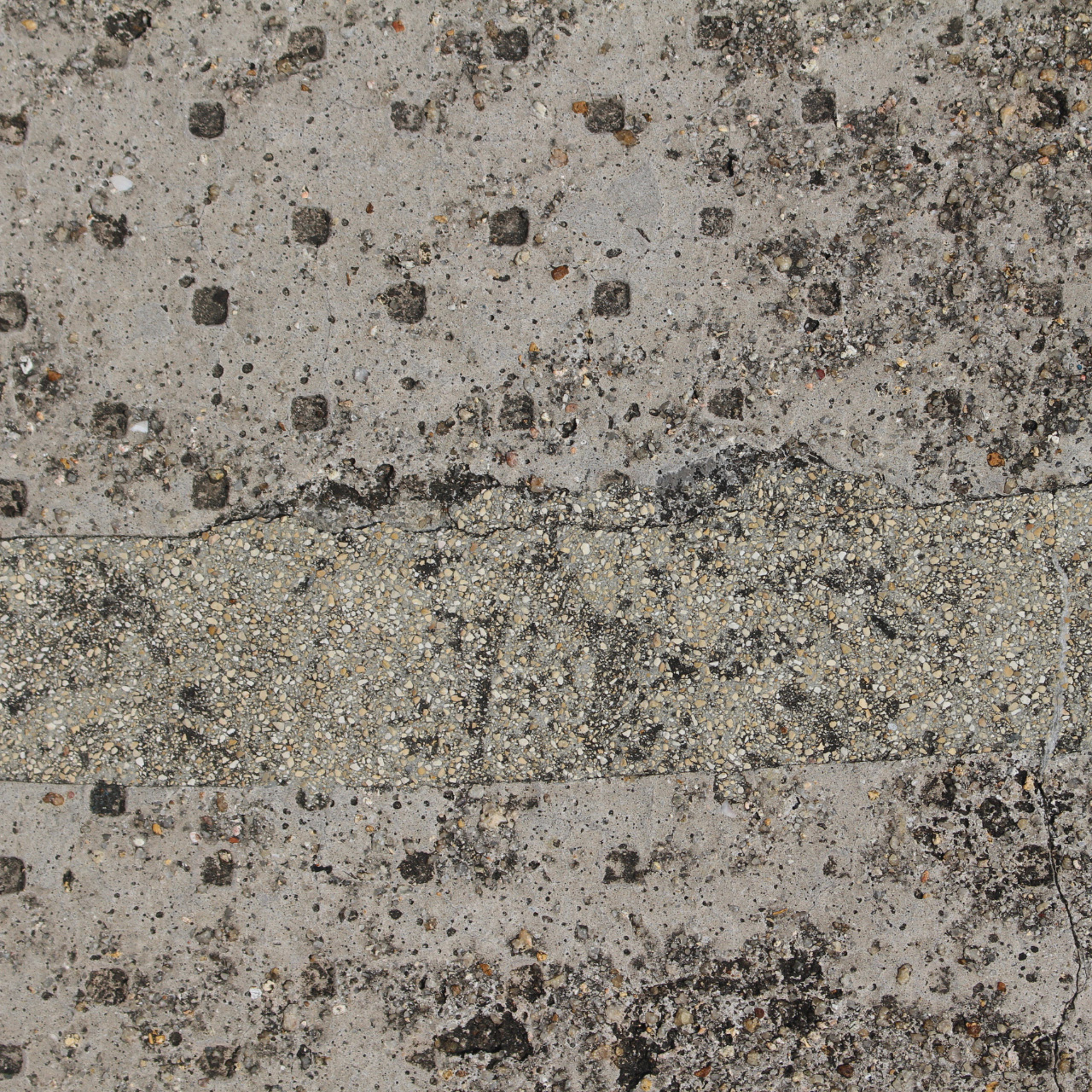
Although it is hidden from view, it is used as the core of the dam. However, concrete was not the initial choice of material for the dam as its original design was to have a beautiful outward curved face made of masonry stones. This design was subsequently abandoned as the Chinese workers at the time had limited knowledge in masonry. As a result, concrete was made on site with local sand, water, and broken stone mixed with Portland cement instead of using masonry. This final version might not be as attractive as the original design, but concrete’s low-tech nature and availability renders it a practical material to use.
5. Granite | 花崗岩
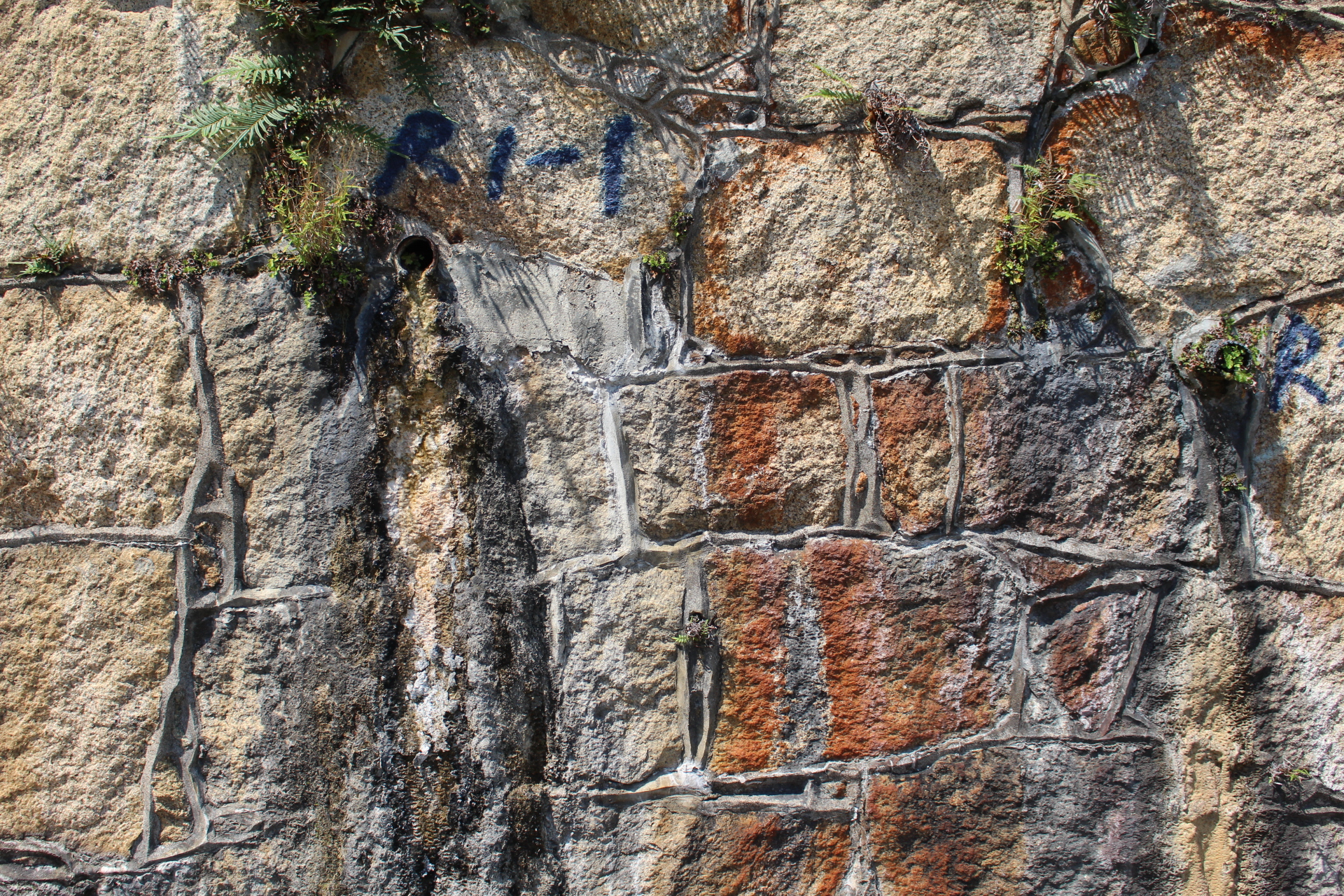
The face of the dam is covered with 10,000 m3 of dense and well-jointed granite rocks. These rough granite rubble stones are laid one-stone thick on the outer layer of the concrete. Granite has outstanding durability, toughness, and aesthetic qualities which makes it the most suitable material for constructing the outer layer of the dam. It also provides a rustic facade that cannot be created with concrete. It is also specifically chosen for its ready availability on site which helps to minimise transportation cost and time.
A
6. Soil | 土壤
Soil was manipulated in different ways during the construction of Bowen Aqueduct. In order to construct the aqueduct on a steep slope, soil was typically cut in order to level the slope or used as fill to build up a flat surface for the footing of the structures. It was estimated that 31,172 m3 of soil was excavated to build 88% of the conduits. The designers also made use of the local undulating topography for an efficient water delivery to the city using gravity by making a 0.15m drop for every 22.9m of the aqueduct.
7. Vegetation | 植物
To solve the problem of bare landscapes along the Bowen site partly resulted from the aqueduct construction, the colonial authorities decided to afforest the local area by planting different kinds of trees on hillsides along Bowen Road to bring about a healthier habitat. Species such as Celtis sinesis can reduce toxic gas from the air, and is fast-adapting to the environment for easier transplantation which is suitable for afforestation. Both aged and newly planted trees show both previous and continual efforts in prevent soil erosion at the area – a problem which needed to be addressed following the earthworks of aqueduct construction.
8. Metal | 金屬
In the early years, steel was the mostly commonly used material for making railings at the side of the aqueduct to prevent maintenance officials from falling. When Hong Kong no longer rely predominantly on the Tai Tam Upper Reservoir, the aqueduct was converted to a jogging path and was opened to the public for leisure activities. To ensure safety, the government has replaced rusted railings with two types of new steel railings along the pathway in recent decades. This shift in the aqueduct’s role has also been reflected when the government added cast iron pipes on the side of the aqueduct to improve the capacity of water flowing towards Albany Filter – replacing the original aqueduct altogether.
9. Brick | 泥磚
Bricks can be found intermittently on the side of the aqueduct and bridges. Their standardised rectangular module allowed the unskilled Chinese workers at that time to easily use the material at a swift pace during construction. The space created between the brick walls acted as the conduit that leads the water from the reservoir to the filter. The strong compressive strength of bricks can withstand water pressure and its low permeability minimises the water loss. They are also simple to create with local materials such as sand which can allow for mass production, requiring less time for fabrication.
A
10. Soil | 土壤
To deliver water of better quality to local citizens, the Albany Filter was built by the British colonial government. Hillsides with moderate existing slopes were chosen for the site of the filter in order to connect with the Bowen Aqueducts and letting the water flow at a controllable speed. Large quantities of soil were excavated from the uphill side of the slope and used to fill the downhill side with a retaining wall so that a platform was made at the site to locate the filter beds. This in turn corresponded with the elevation of the aqueducts.
11. Filtering Material | 過濾材料
Sand, chippings, and broken stones were used as the filtering materials to improve the quality of water supplied to households. Large suspended particles were trapped on the top layer of sand. Sand also hosted microscopic organisms that break down the smaller particles of organic sediment. As water flowed through the chipping and broken stones, waterborne microbes such as viruses were reduced. At last, the clean water was then transported to the service reservoir.
a
- LI Hao Lin
a
- LEE Choi Ching

