|
CCHU 9023
SHAPING
THE LANDSCAPE A Quest for Harmony between
Nature and the City |



|
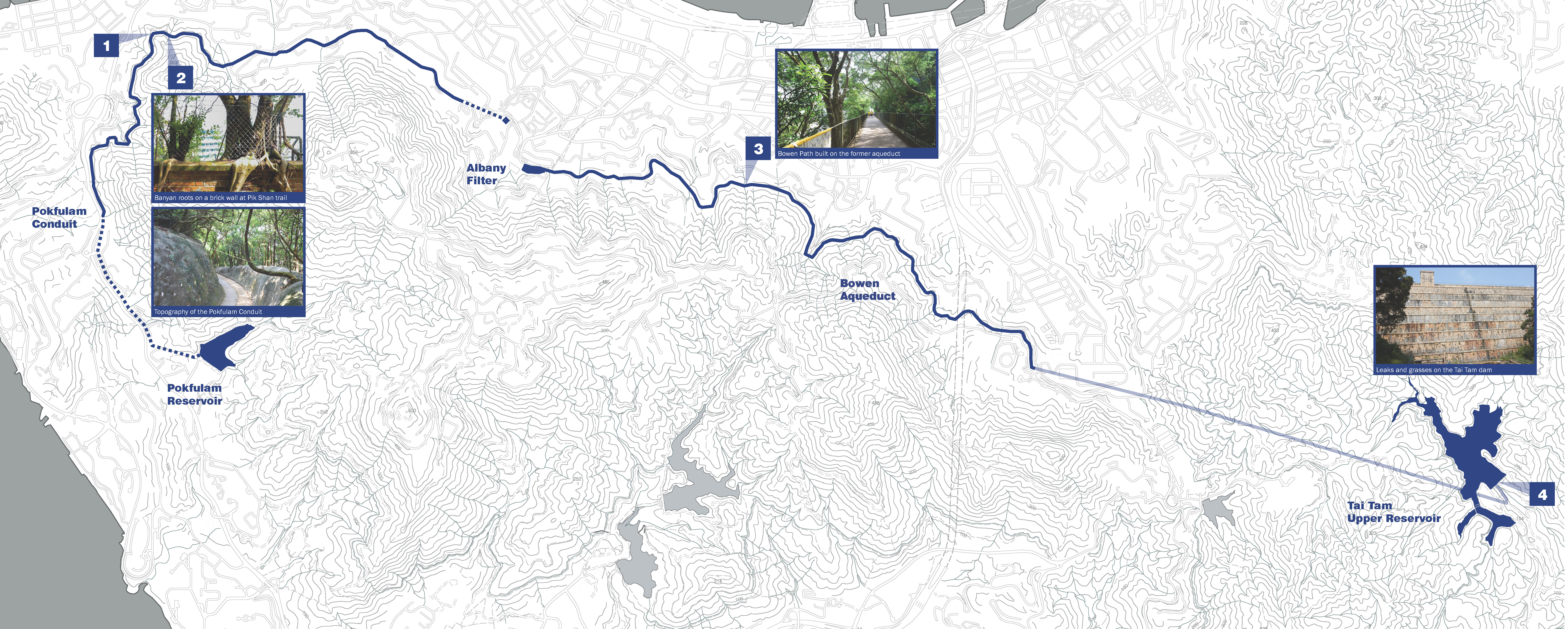
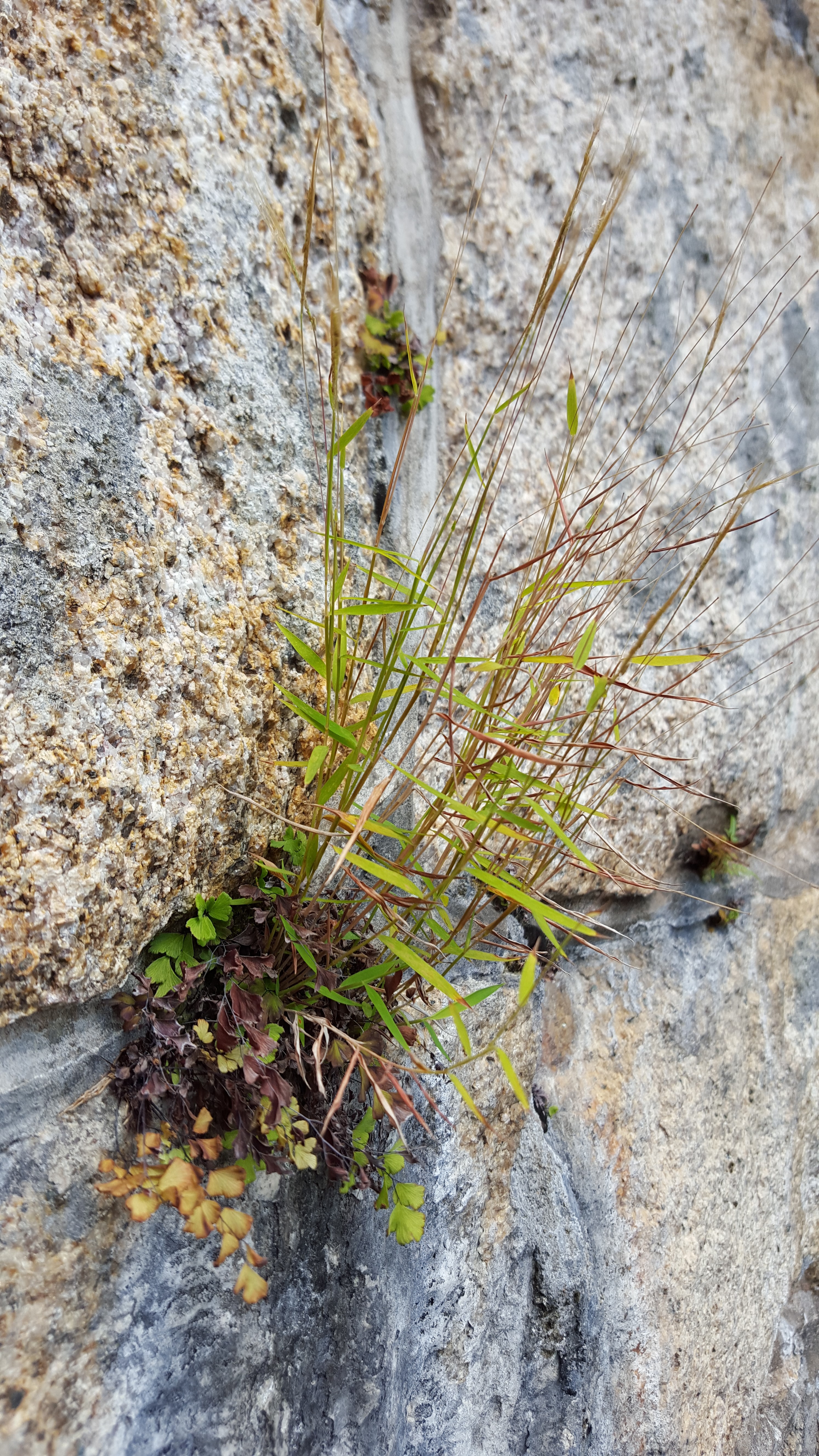
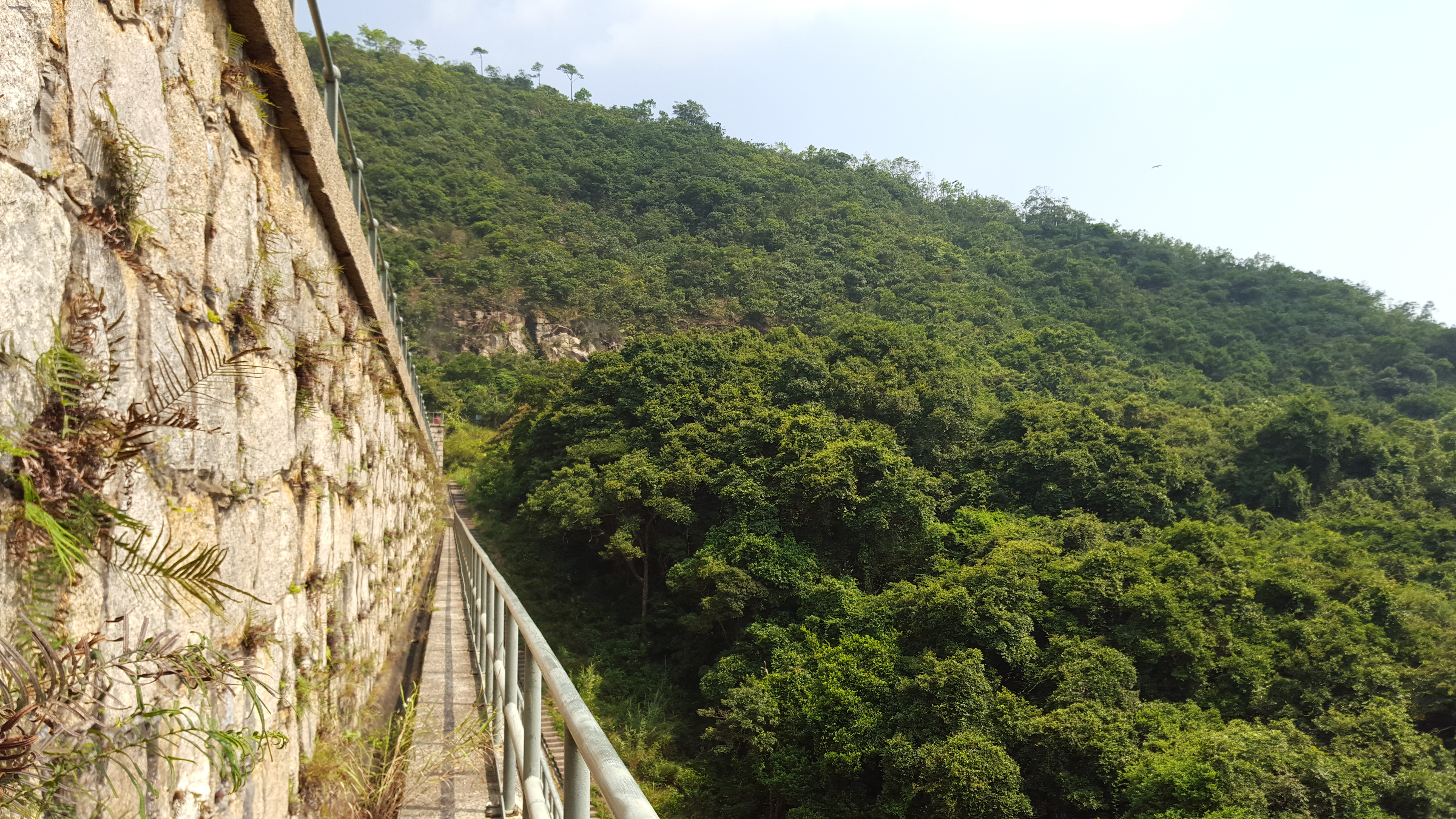
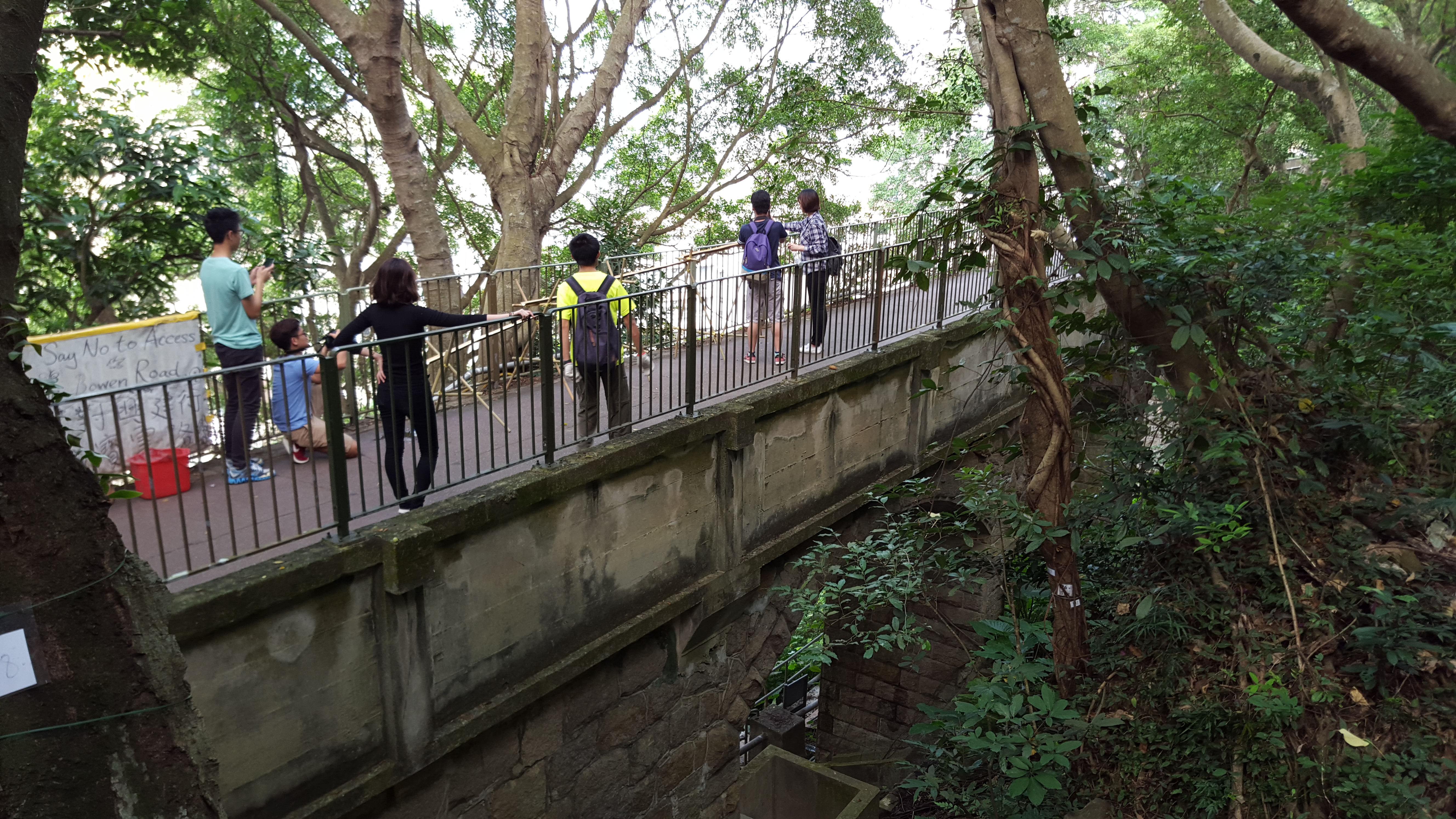

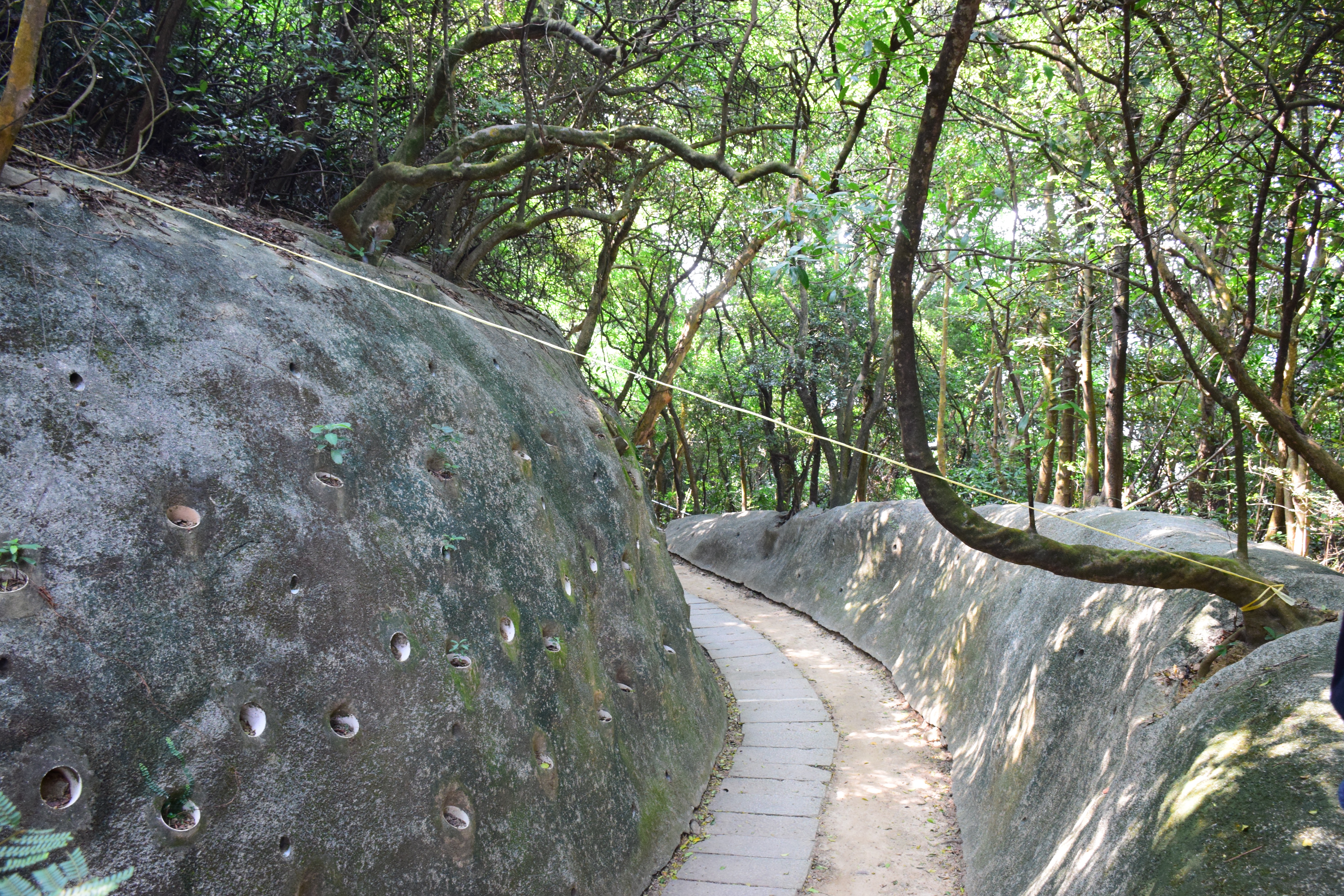
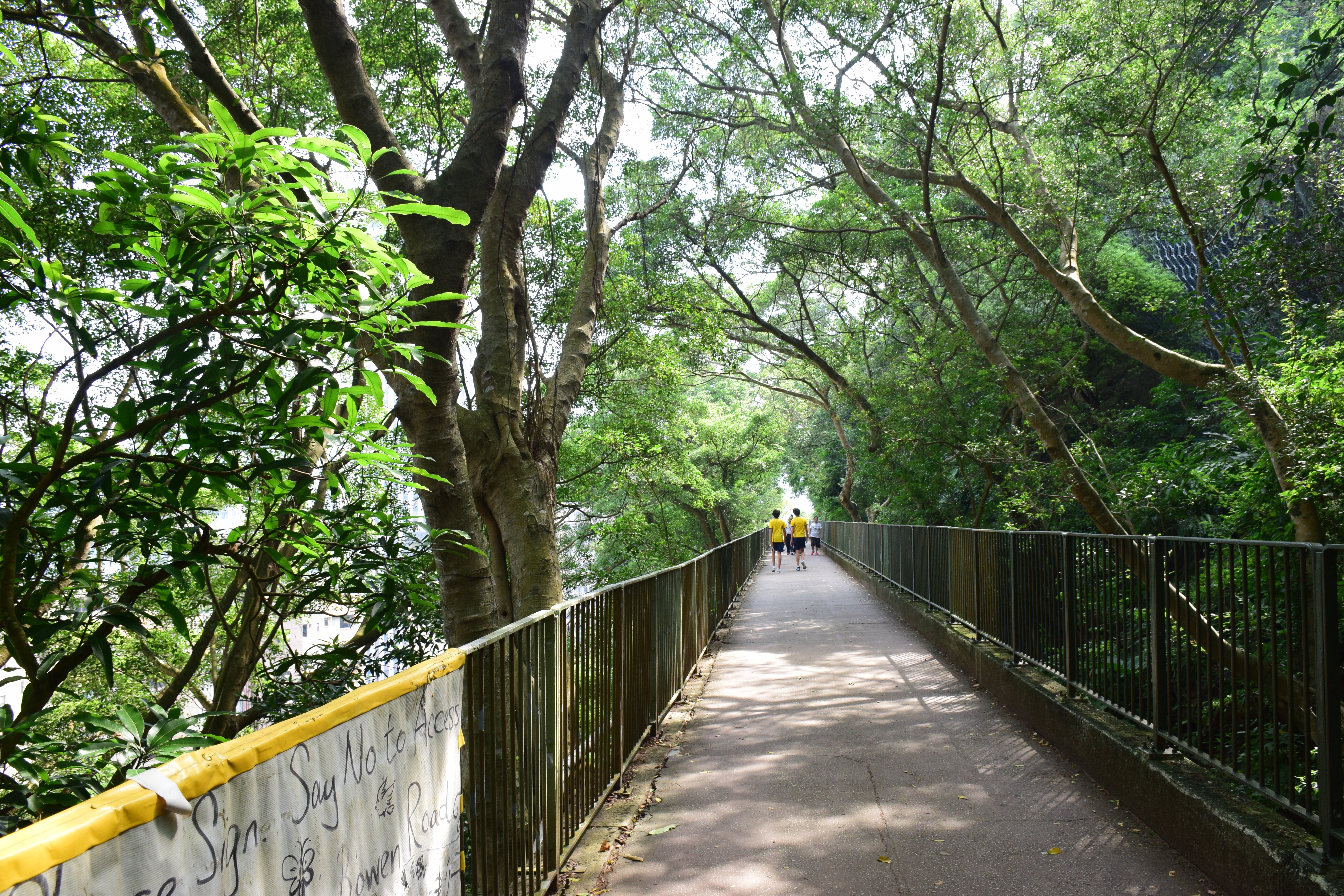
The infrastructures we are looking at constitutes an element of the past that has shaped the present hillsides of Hong Kong Island. Walking along the aqueducts of Pik Shan Trail, Conduit Road, and Bowen Path is an archaeological enquiry into the city. With the aqueducts no longer in use, the walk itself consists of an act of remembrance, a celebration of the water that once flowed under our feet. This project explores the idea of collective memories of past landscapes by operating an inquiry into the past. A series of installations on site reveal leftovers, traces, and symbols of a past existence: exposing pieces of original structures, representing previous topographies, and manifesting the presence of water. This very short and temporary intervention aims at reviving the collective memory of infrastructures that were once vital to the city in times when it was impossible to supply sufficient water for the population.
Speaking of memories, we often think of personal ones which directly involve ourselves but not those that have been left behind in our surroundings. The history of Hong Kong’s waterworks may not always be easy to understand thoroughly. The Pokfulam and Tai Tam Upper Reservoirs were built in 1863 and 1888 respectively, to satisfy the burgeoning water demand due to population growth and economic boom. Yet, today we have probably forgotten about their importance to our city. In light of that, we would like to introduce Remembering Drought, a project expressing memories from different parts of the Pokfulam Conduit and the Bowen Aqueduct – the first two water infrastructures that transported water from the reservoirs to the urban areas of Hong Kong Island. Following each of the four art installations, first-person narratives are presented to reflect the voices of the different objects constituting the history of the waterworks. This is done by revealing secrets that have not been noticed. We carefully chose several sites which contain elements that are specifically relevant to what we want to portray or stage in our installations.
These art installations aim at drawing public attention to the currently unused or less-noticed waterworks which contain often forgotten memories of where we live in. Every element in the surroundings of the waterworks used to play an integral part in supporting and facilitating the operations of the overall waterworks system. In all four installations, by revealing traces of the past, we hope to provoke people to realize the historical importance that these relics hold.
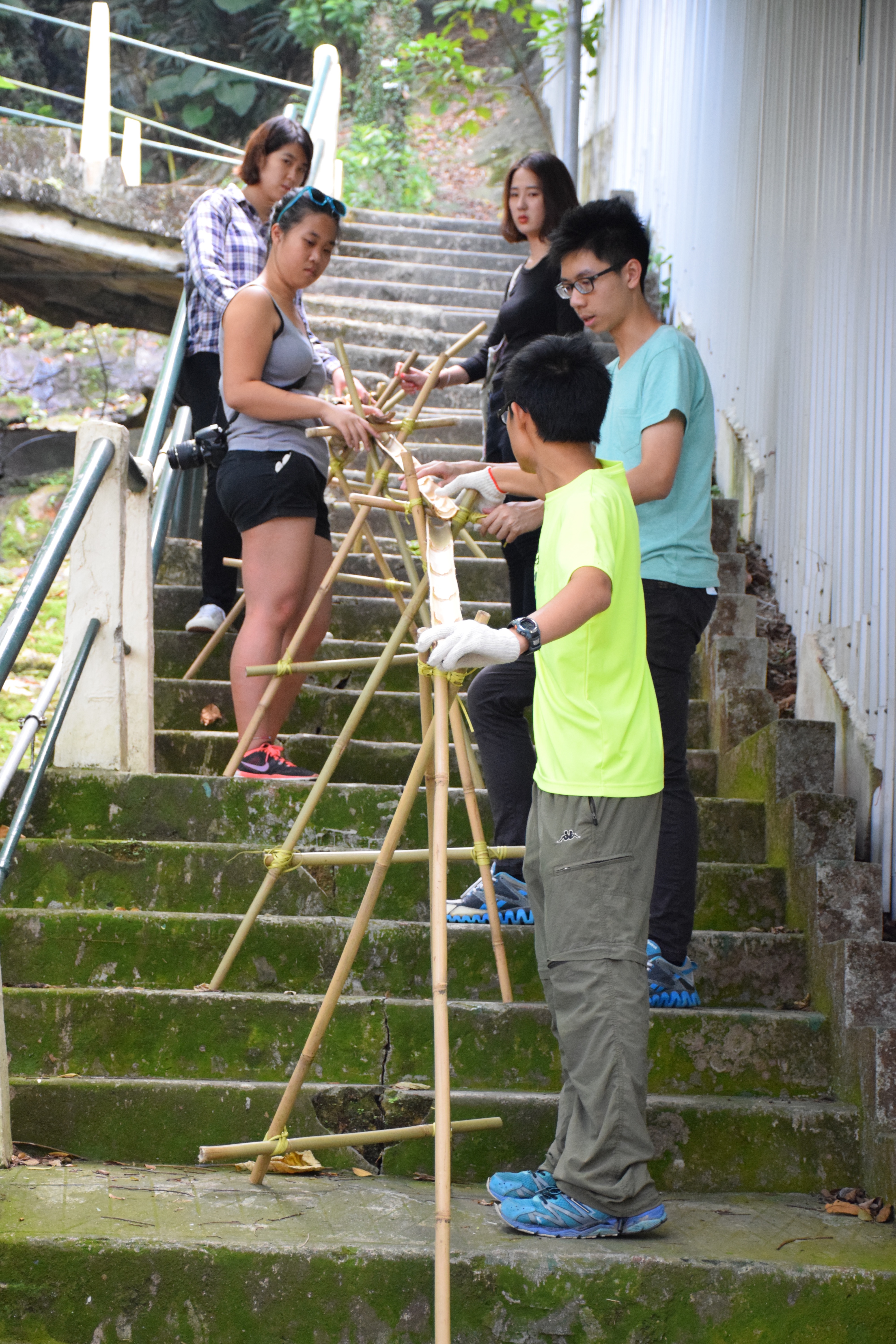
Various approaches have been used to uncover the meaningful symbols of the past. Restoration is one of them. By re-creating the original landscape, as we did in the ‘Topography’ installation, we were able to visualize the original relief that this particular area used to hold. Construction is another way. Through restoring the ancient bamboo aqueduct in the ‘Waterways’ installation, the technological advancements in how we transport water can be revealed.
In addition to the two strategies above, we have also adopted the methods of ‘hiding’ and ‘documentation’ in our other two installations. As we did in the ‘Roots’ installation, we tried to hide symbols of the present in order to highlight the past ones. We have also documented the leakages at the Tai Tam Upper Reservoir Dam so as to reveal how long the Dam has been standing for. Different installations have different approaches, but they’re all linked to one purpose -- to reveal the traces of the important surroundings that supported the waterworks in the past.
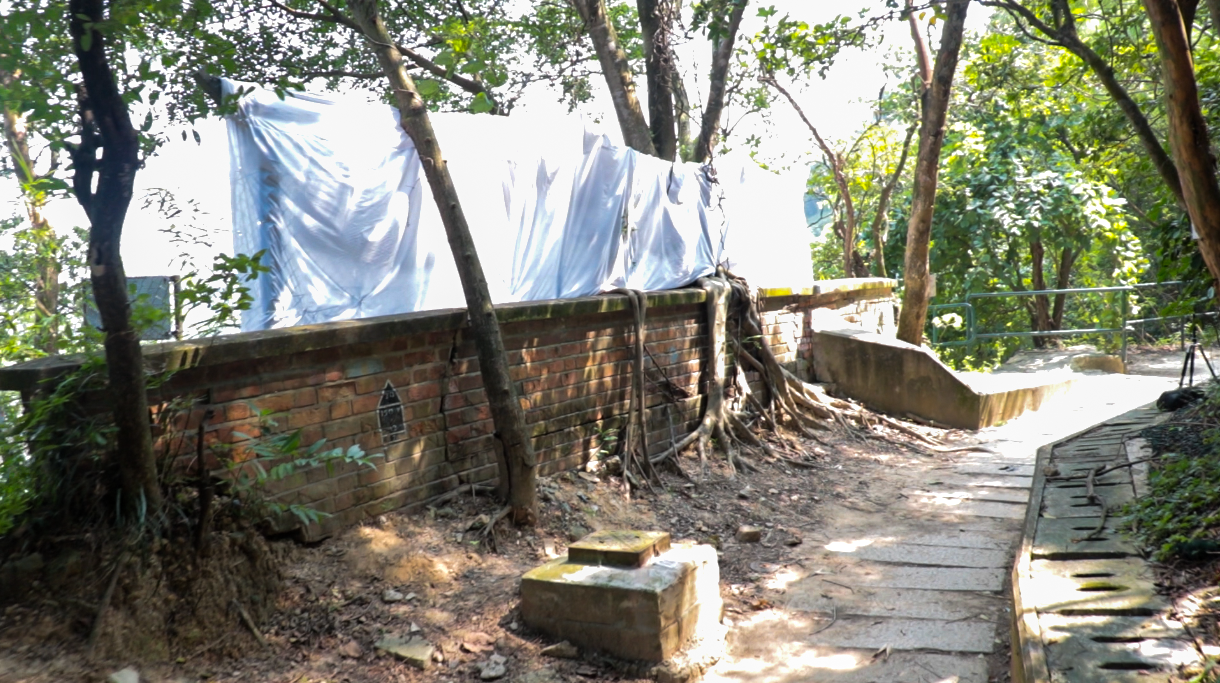
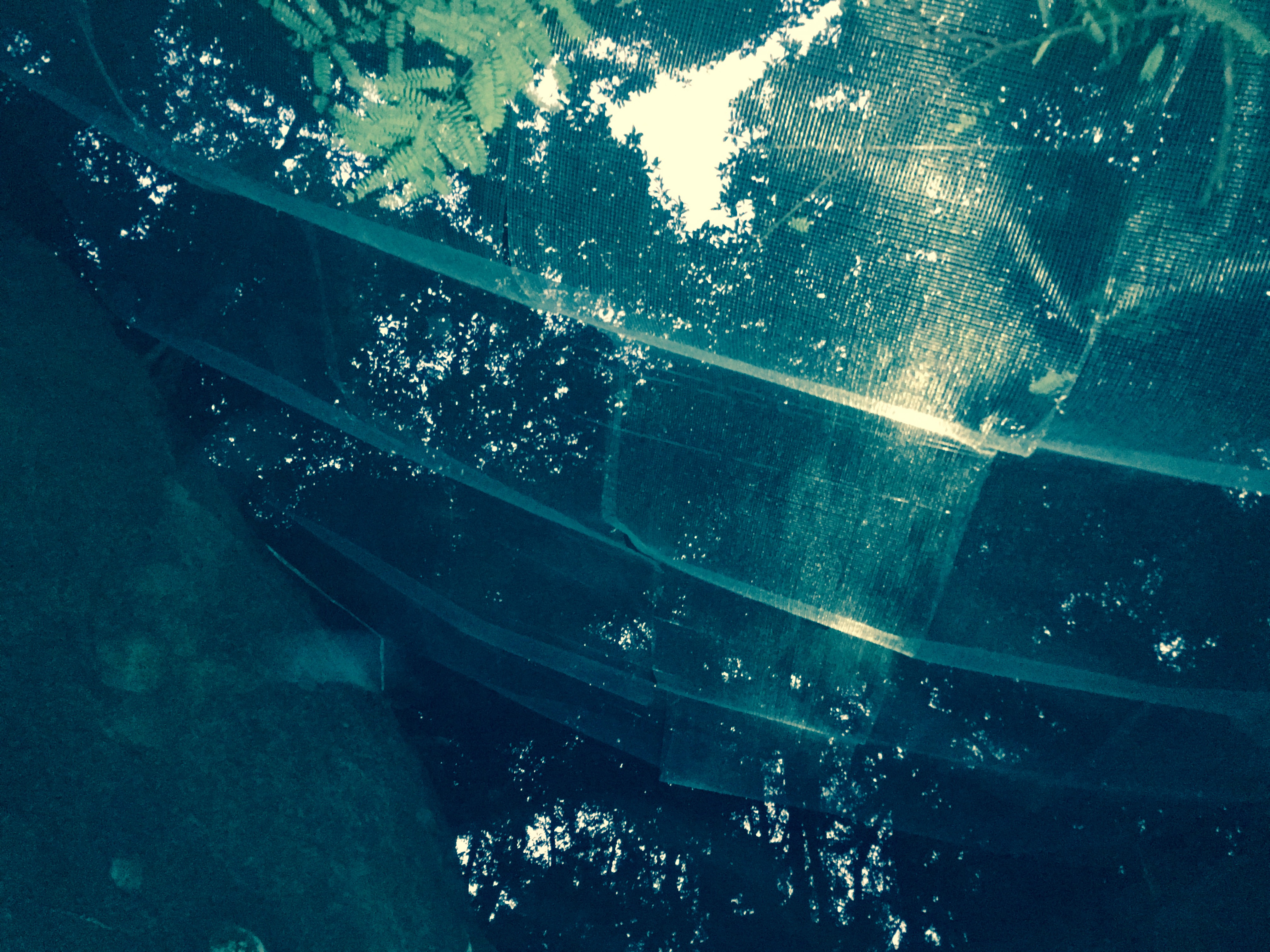
In the exhibition for ‘Roots’, a video clip of the on-site installation is projected and played on a piece of vast white fabric. The cloth billows in the breeze, which sets the cloth in motion and gives a vivid impression to visitors of what the installation looked like in its actual environment. The sheer white cloth is displayed as it is the only material we used in our installation while it is the best manifestation of the hiding technique we adopted in our installation.
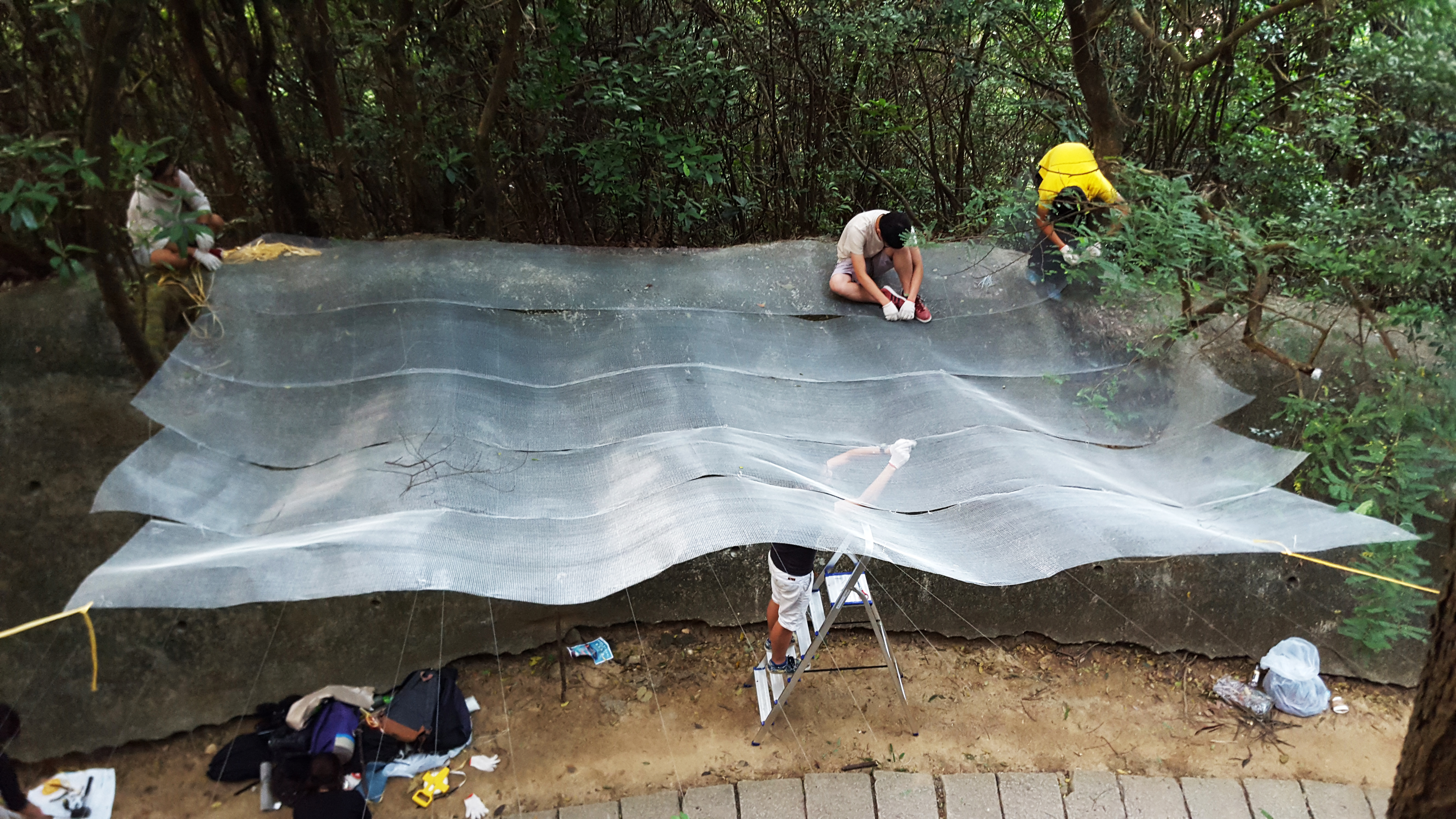
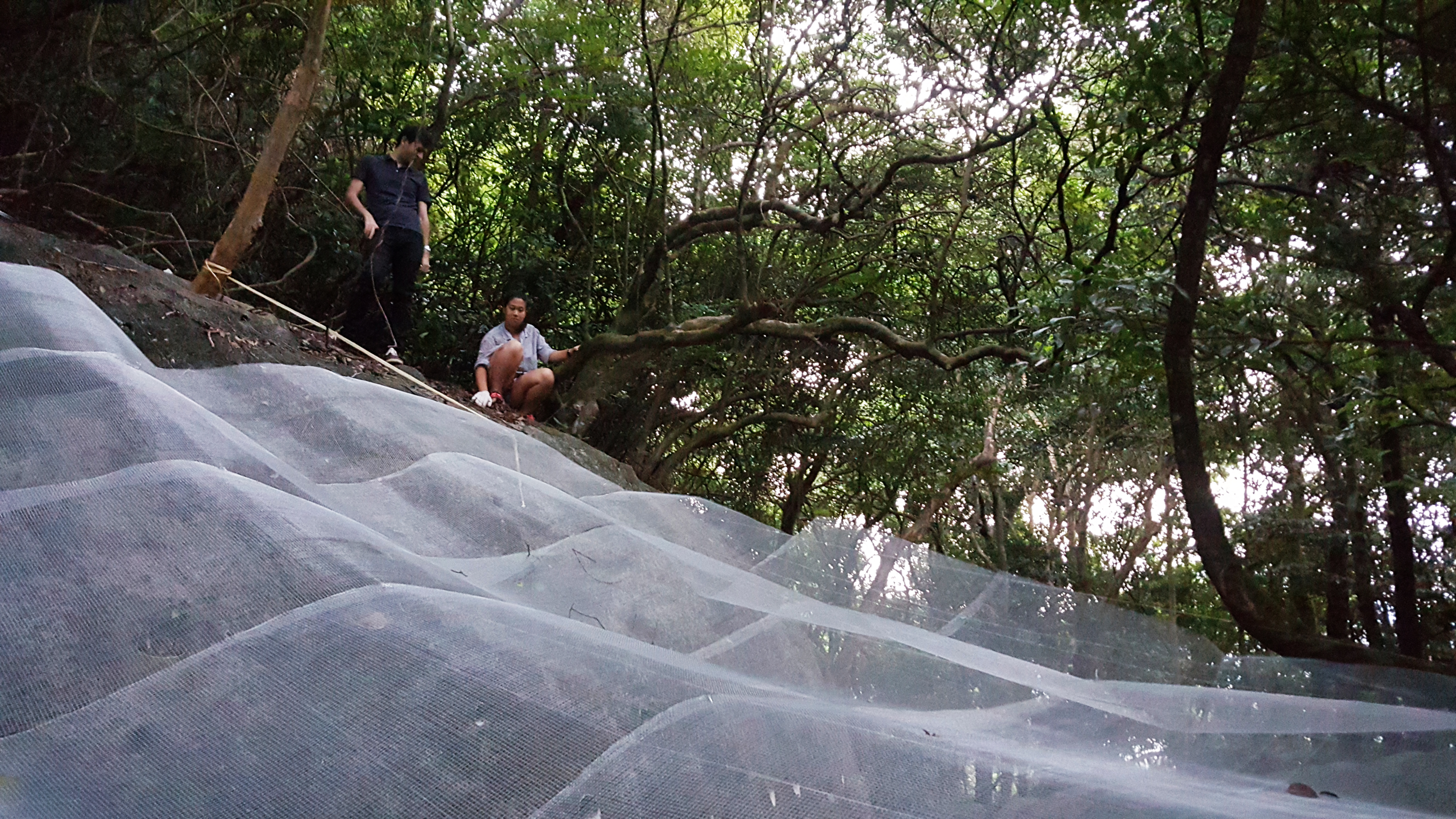
As for ‘Topography’, we have brought back metal mesh, the main material we used to restore the natural topography of the landscape, to the exhibition. The curves of the mesh represent the contours of past landscapes. The mesh is located above visitors’ heads to remind that it symbolizes a relief which doesn’t exist anymore similar to what walkers experience now at Pik Shan Trail.
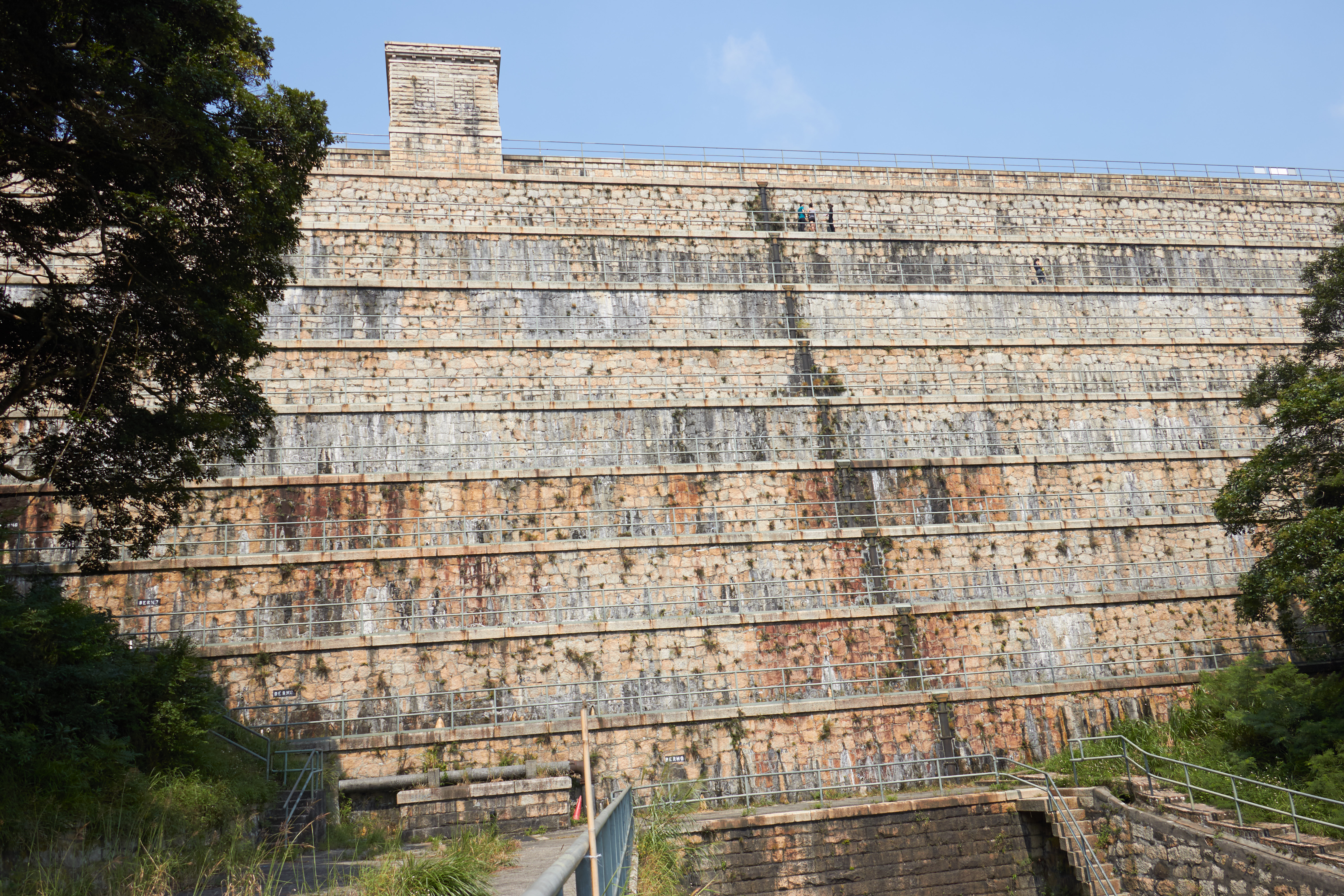
Regarding ‘Leaks’, a scaled replica of the Tai Tam Upper Dam is created out of transparent pipes. Images of different leaks and plants on the dam are printed onto the pipes, indicating the exact location where they were found on-site.
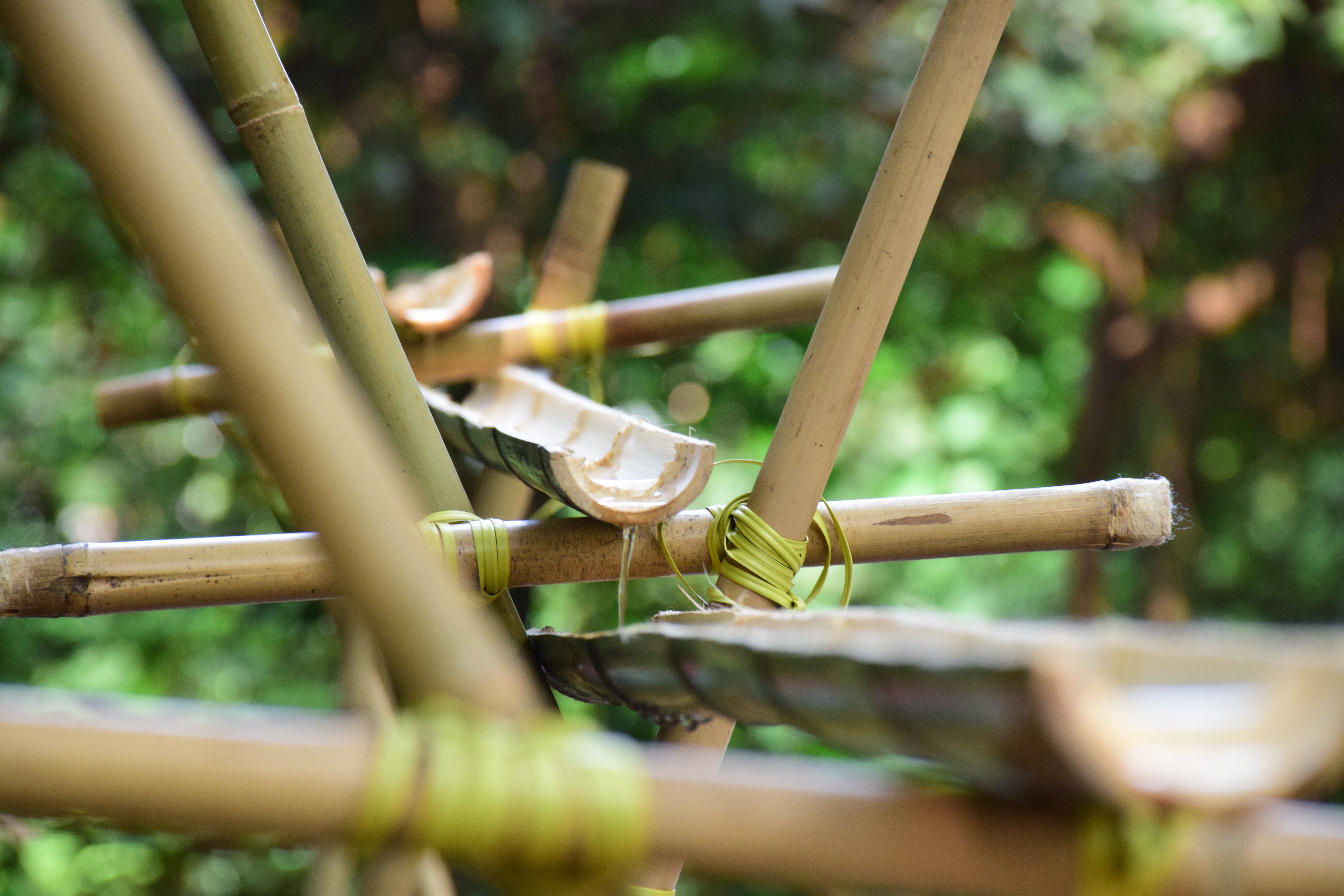
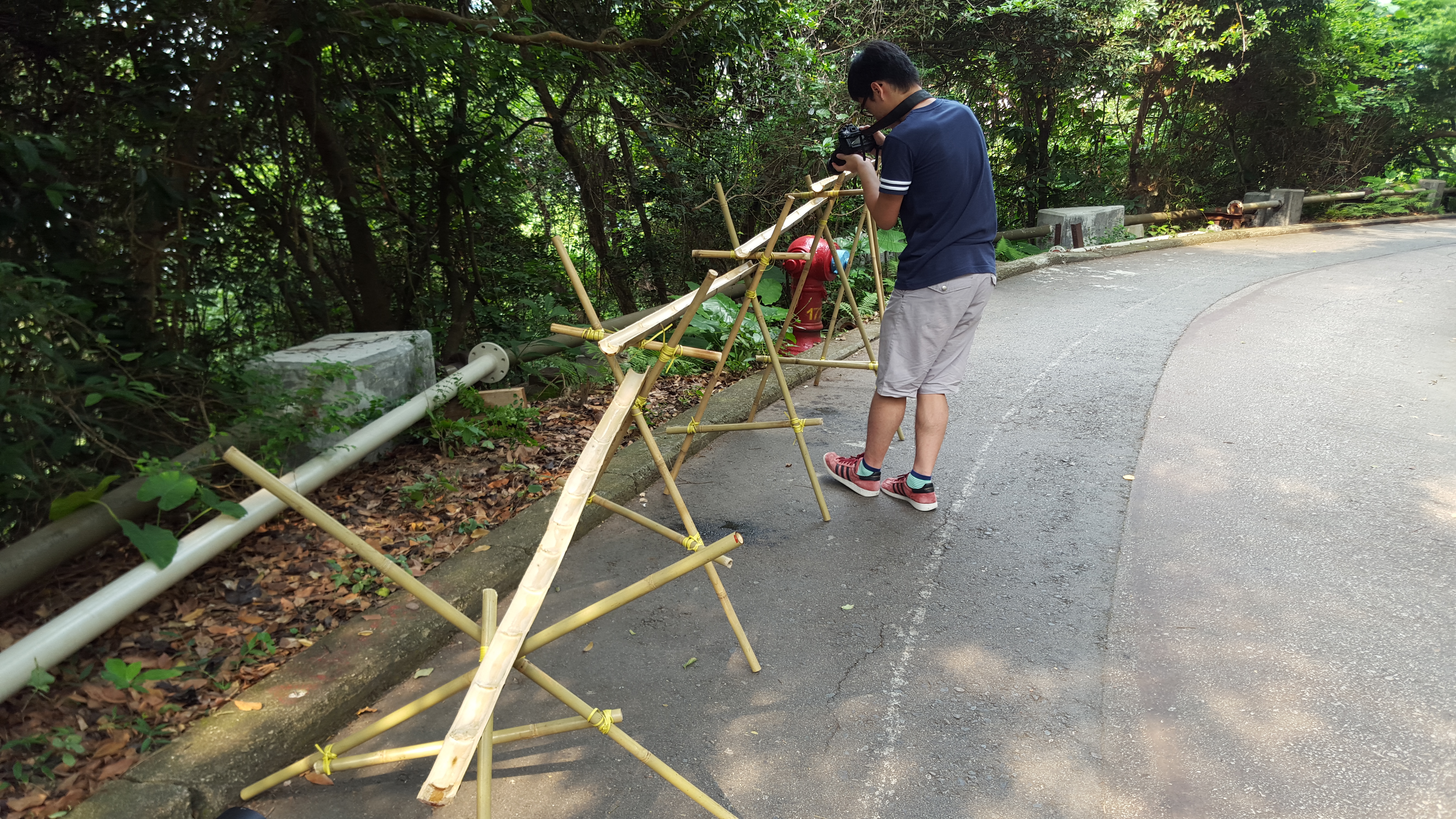
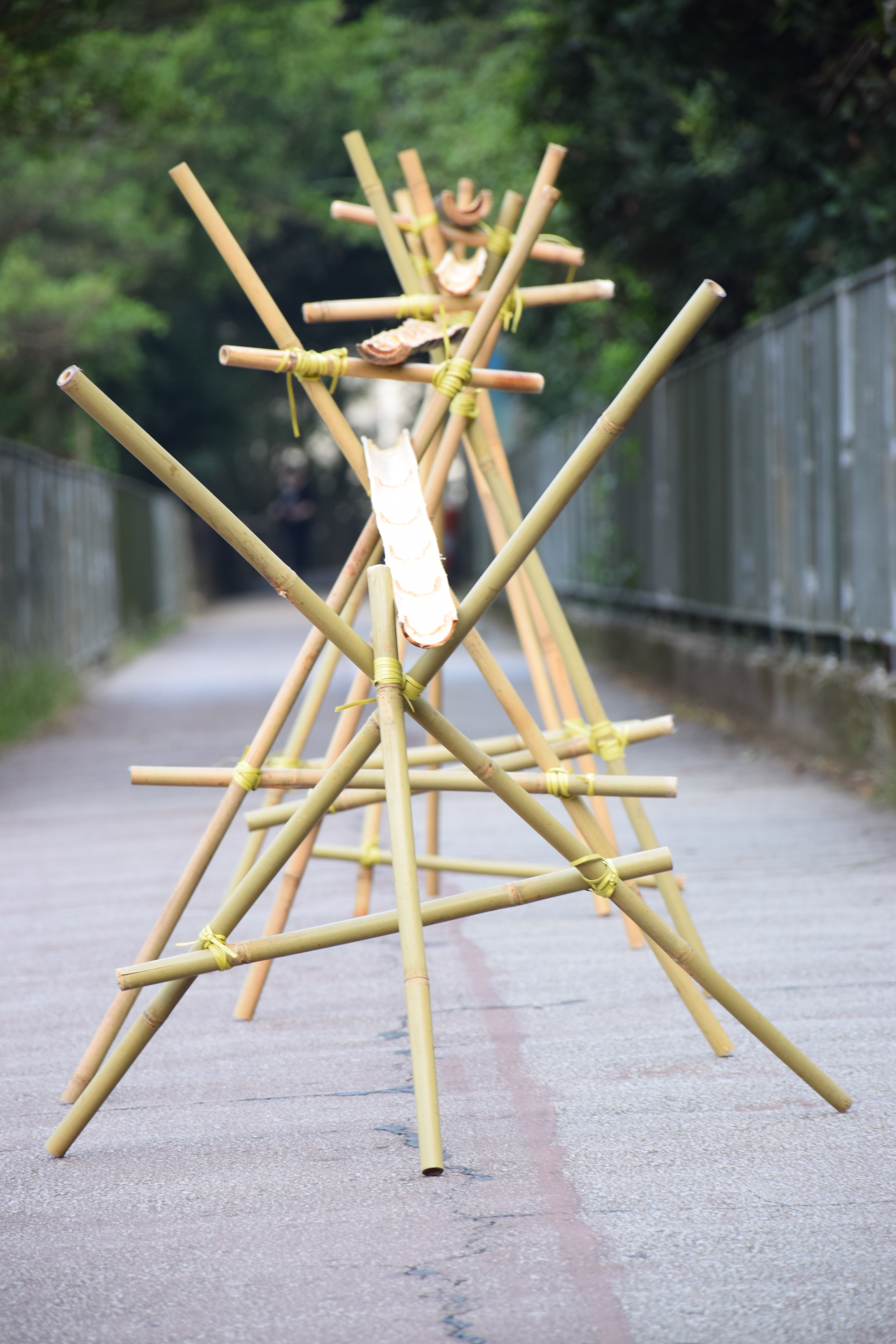
For ‘Waterway’, we have brought back part of the actual bamboo aqueduct we constructed on-site to be shown at the gallery. Similar to what we do with the other three installations, a video clip is projected onto the bamboo and the floor. The intention is to immerse visitors in the visual and audio enjoyment brought about by the water flowing along the bamboo aqueduct.
1. Topography | 地形
‘I am the hill. I was an obstacle for transporting water from Pokfulam Reservoir to Central. Humans mercilessly excavated rocks from me so as to create a continuous, flat channel for transporting water. People nowadays, however, just treat me as a hiking trail. I wish people will not forget about the profound impacts that they have made on me, since I was once crucial to humans.’
--- The Hill
In this installation, we have placed pieces of metal mesh high across the trail connecting two parts of the existing topography. We have also hung branches and vines in our second version. Both versions are to show how the Pokfulam Conduit was built in the past, by the means of restoring the natural topography of that section of mountain. We hope to bring back the visitors to the previous natural scenery of that site, and to remind them of the fact that what lies beneath their feet was the Pokfulam Conduit, which was once significant to the water supply of the city.
a
2. Roots | 樹根
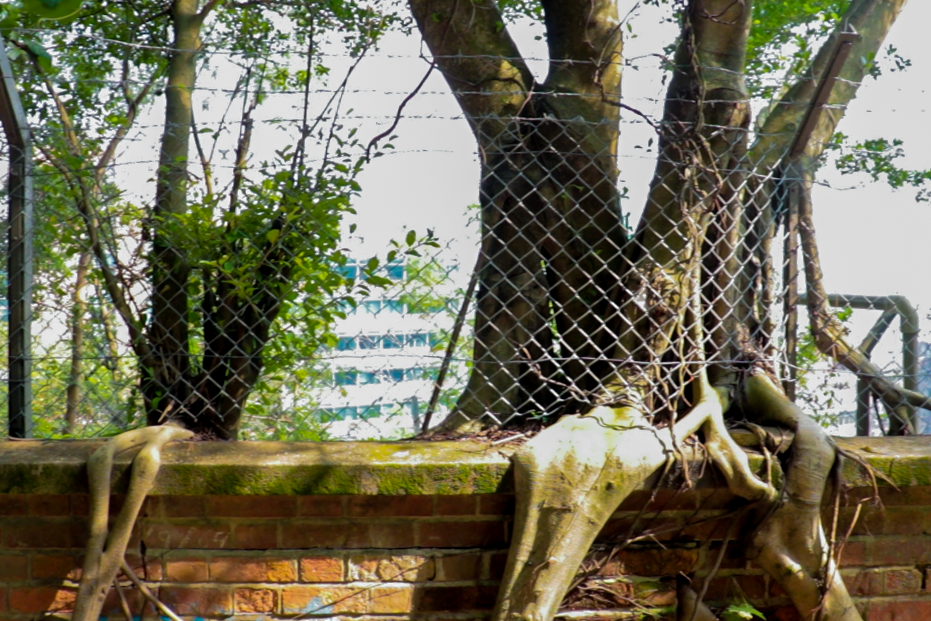
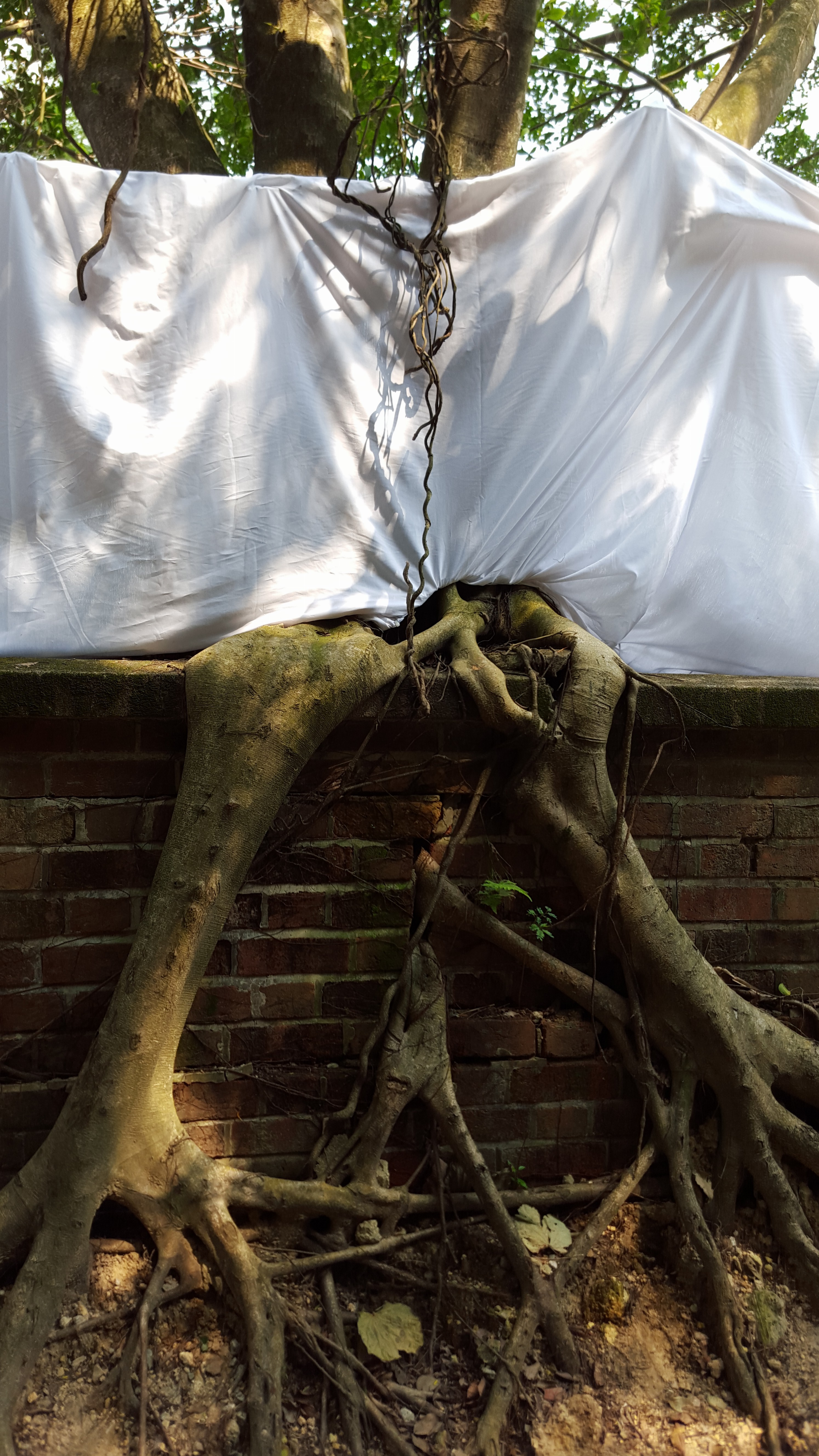
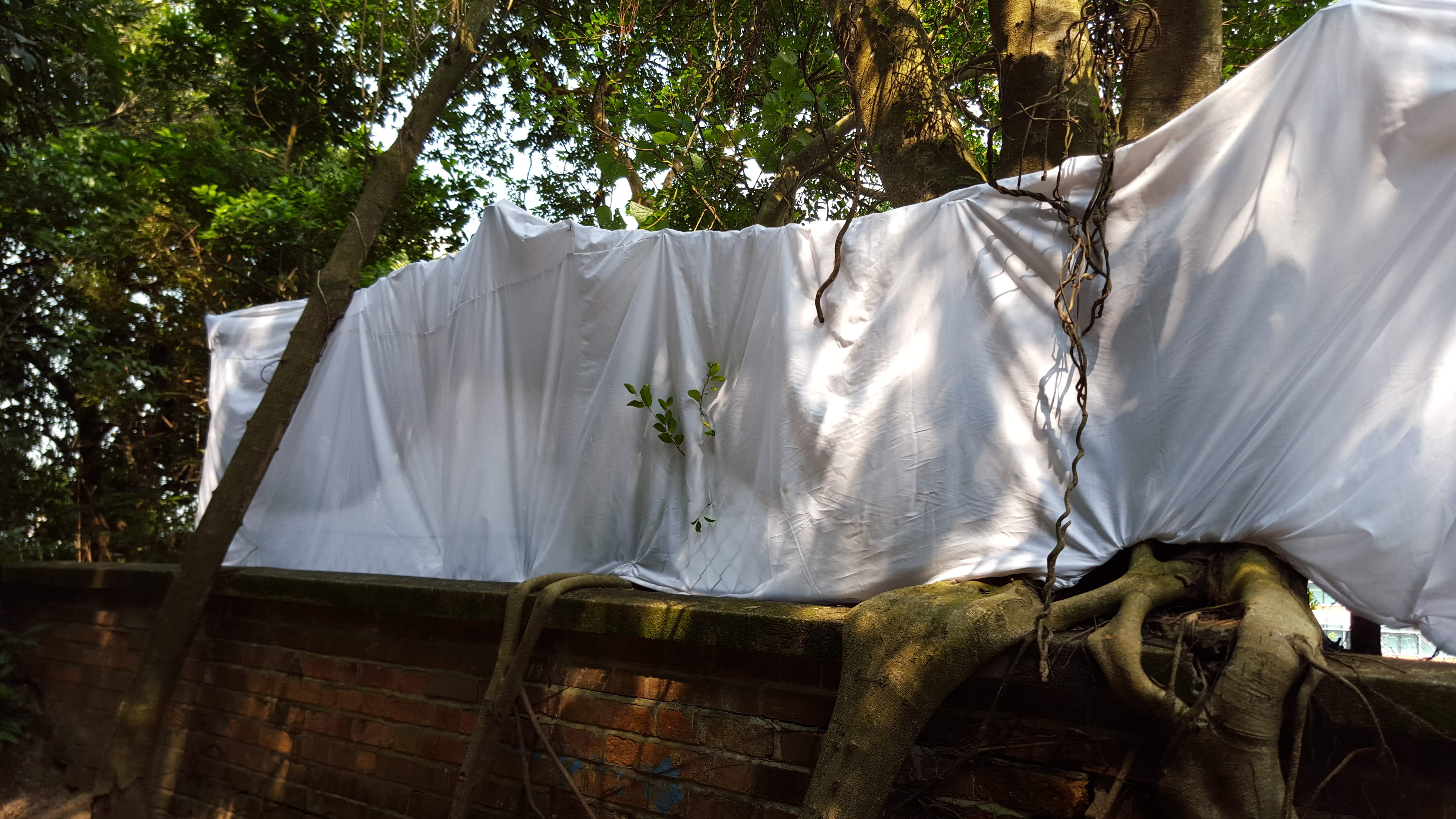
‘I am a wall along the Pokfulam Conduit. I witnessed the commencement of the use of conduit in 1863, as well as the end of it. Supposedly the original plan was intended to remove me entirely, but fortunately a good friend of mine, a tree, rested on me. Its roots resembles two arms and hands grabbing and holding me, trying hard not to let me go. Although I am broken, I don’t want to be forgotten. I hope to remain and remind Hongkongers of the importance of the conduit.’
--- The Wall
To create this installation, we have covered the fence and the modern waterworks behind it with a large white cloth. Such hiding allows the uncovering elements of the past – the wall and the tree. This installation is intended to manifest an intense rejection of the trend in which memories of water infrastructure fade into oblivion.
a
3. Leaks | 滲漏
‘As time goes by, I could feel the leakages from different parts of my body and that I am weakening. Although the amount of leakages is also a sign of age and experience, sadly as a dam in Hong Kong, I am now filled with water from the Dongjiang river, but not from the surrounding hillsides.’
--- The Tai Tam Upper Reservoir Dam
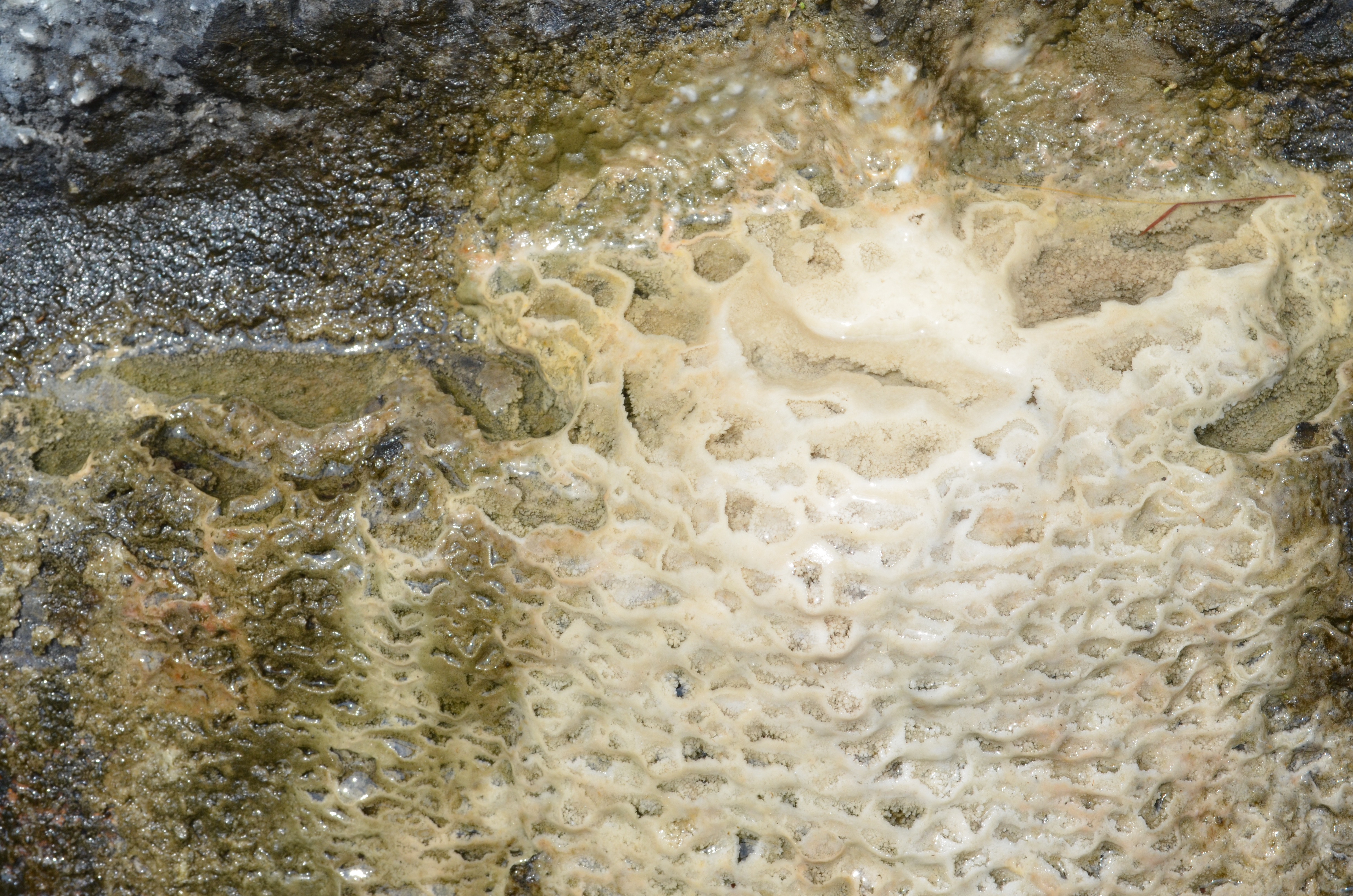
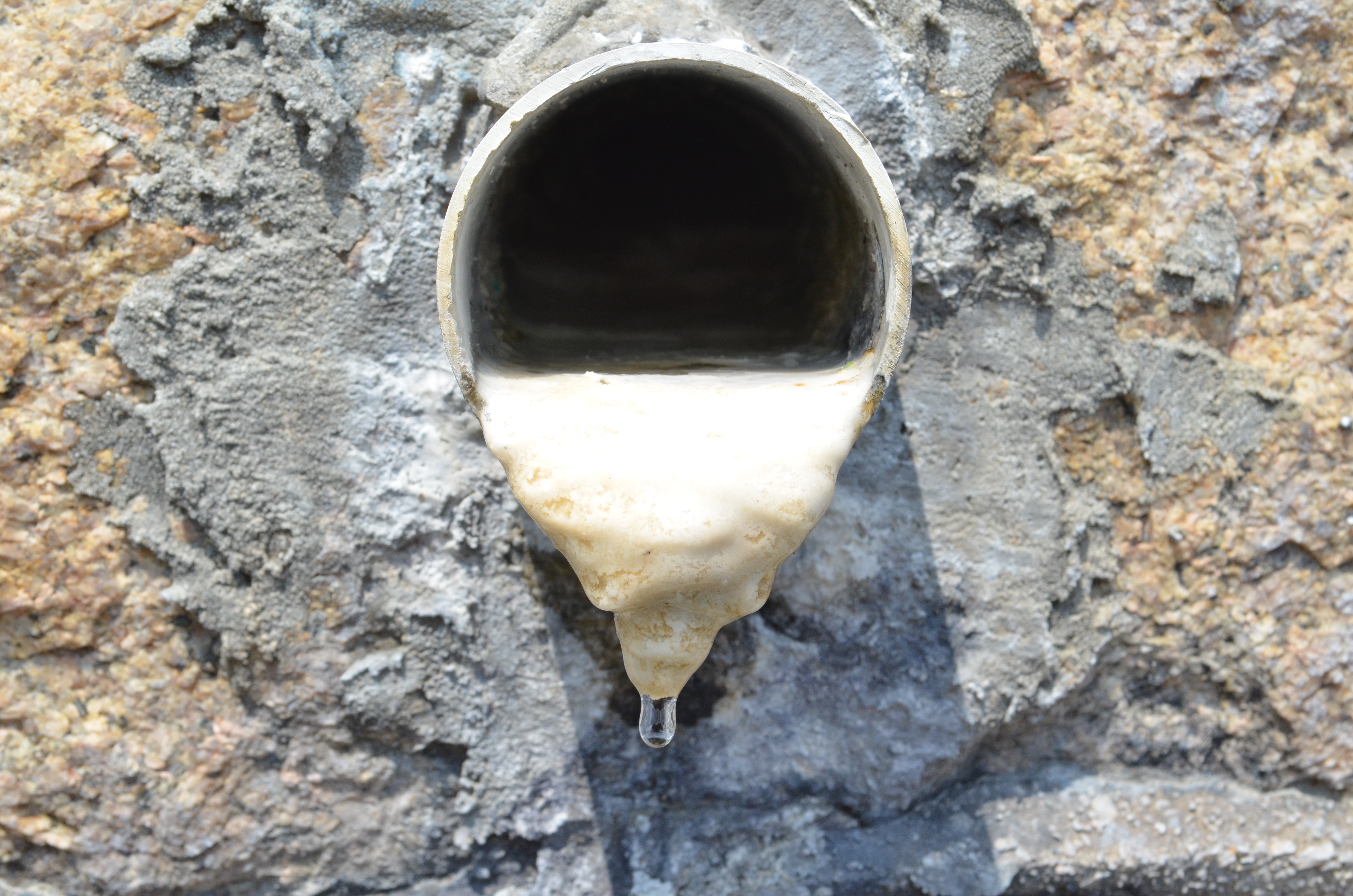
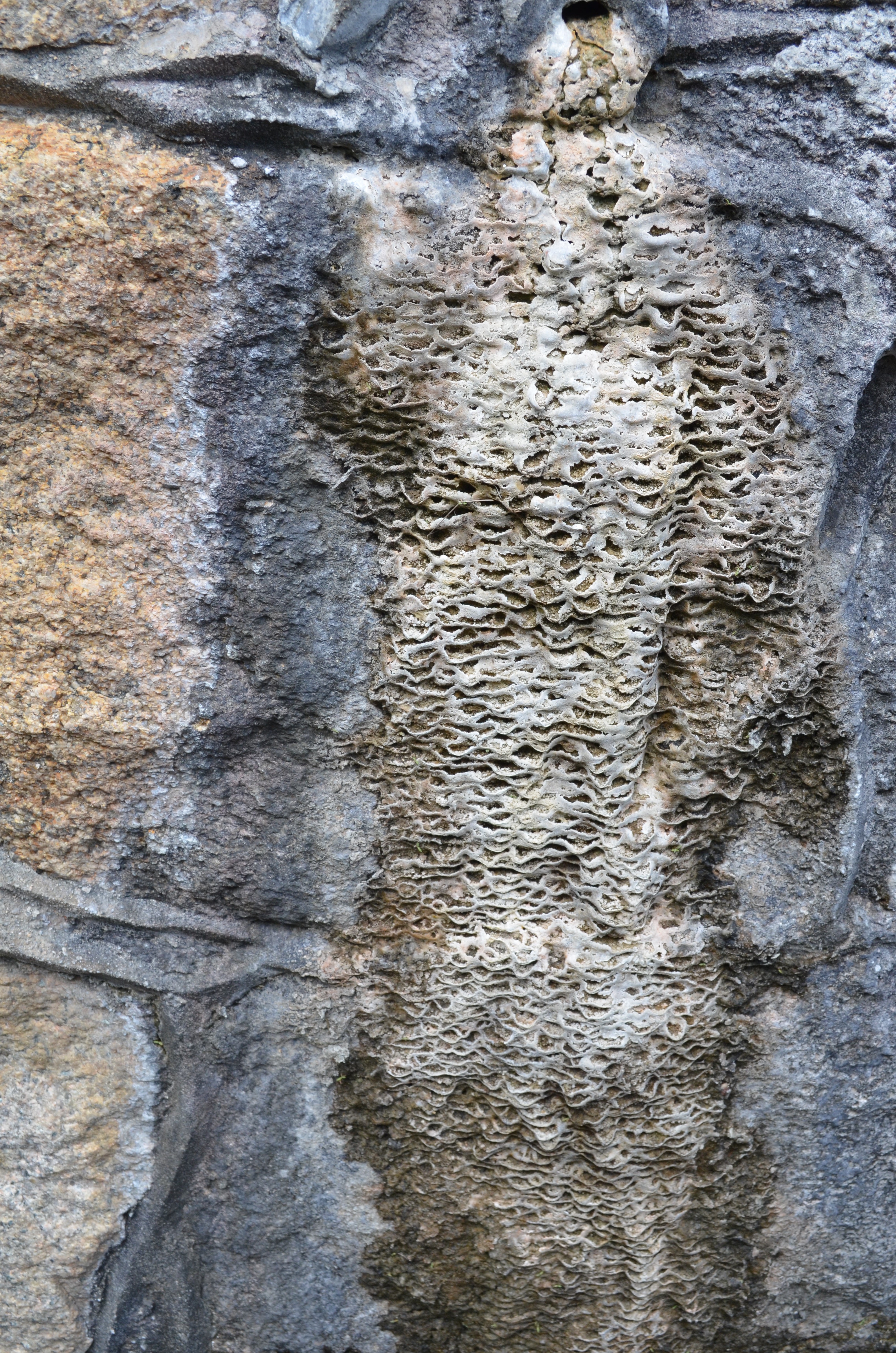
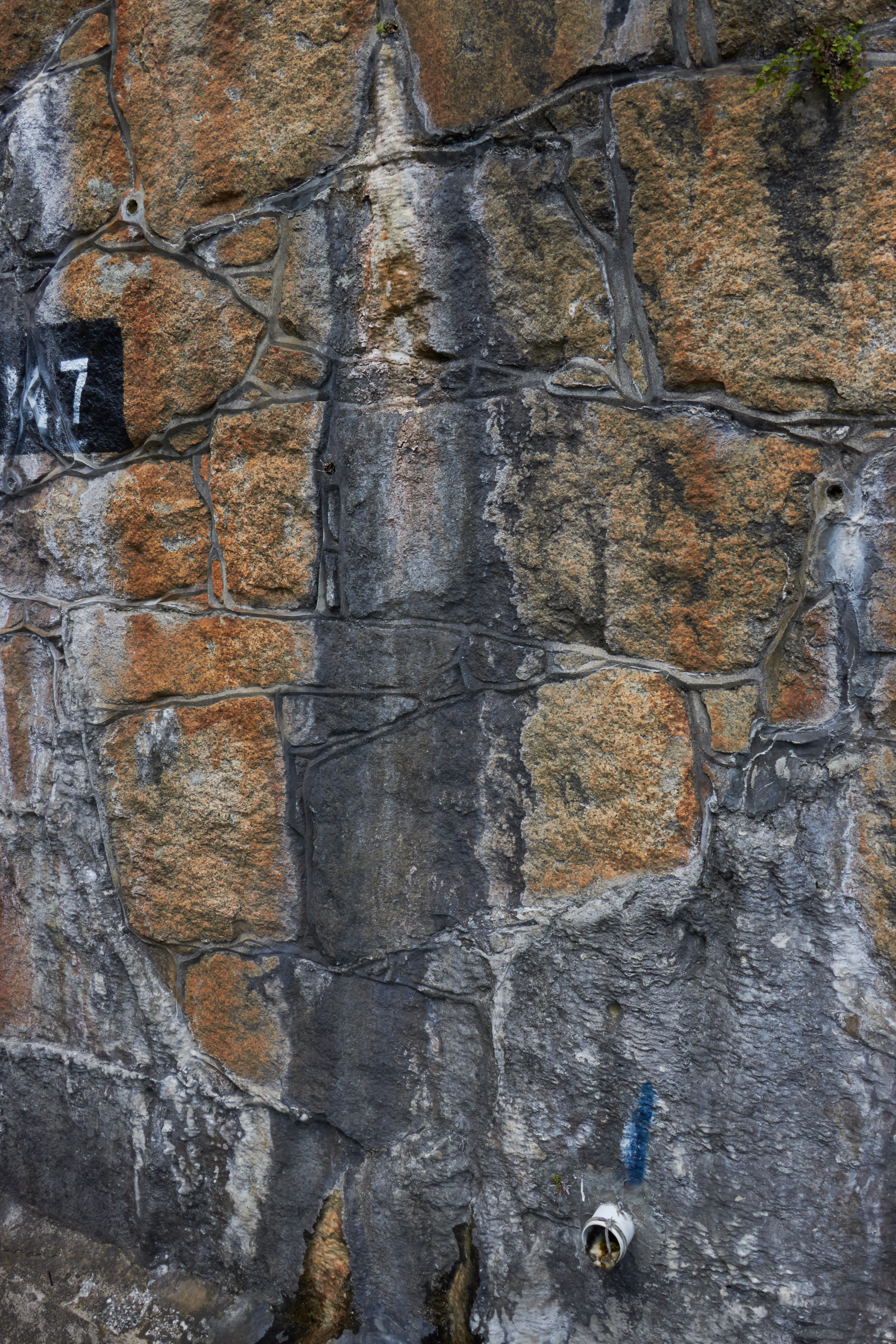
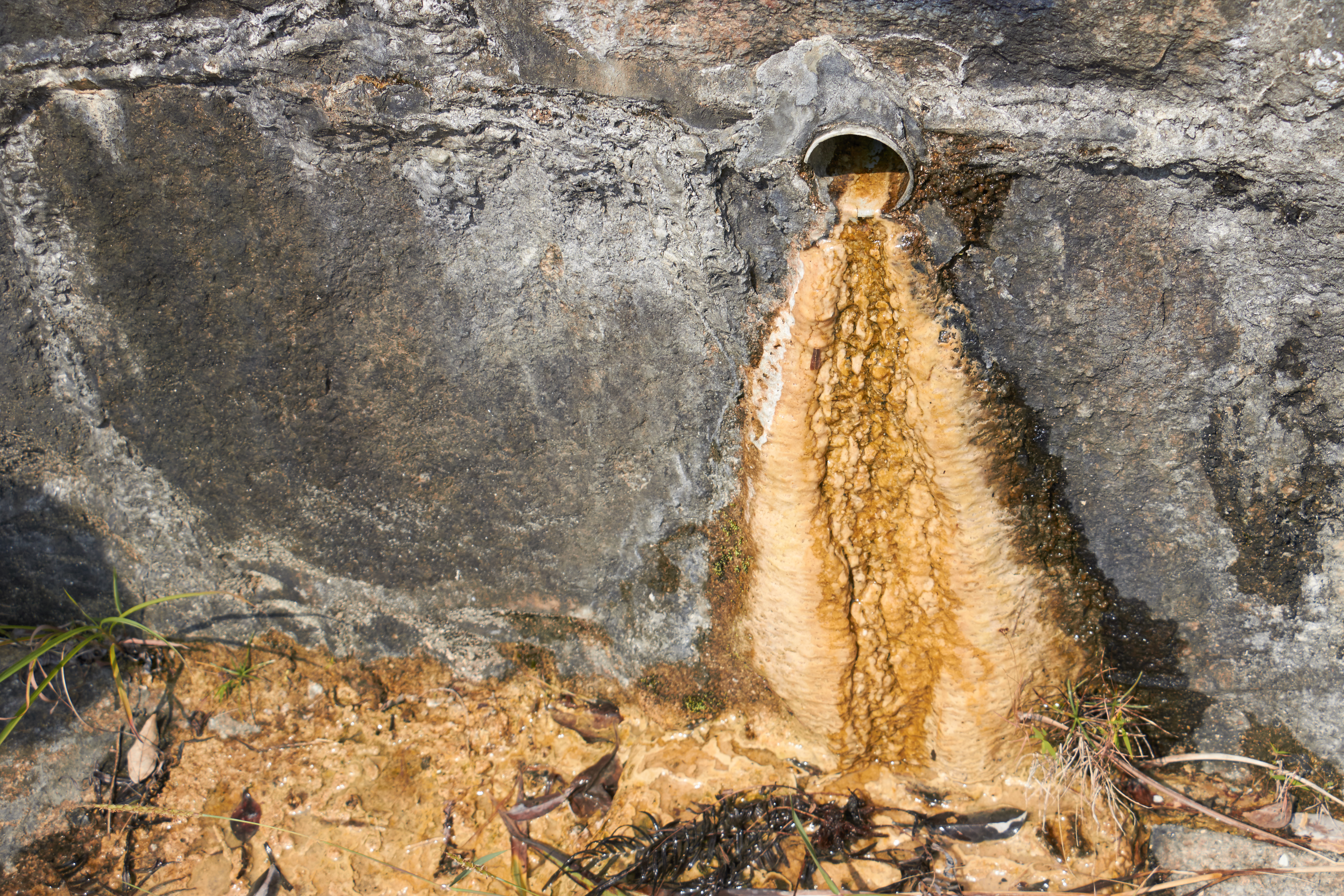
We have focused our investigation on the Tai Tam Upper Reservoir Dam, which involves measuring the sizes and keeping track of the number of water leakages. We have found more and larger leaks towards the bottom of the dam, conceivably owing to the greater pressure it experiences. The amount of leakages and sediments serve as the best testament to the history of the dam and for how long it has been standing.
a
4. Waterway | 水道
“Stored in Tai Tam Upper Reservoir, I used to flow through Bowen Aqueduct towards the centre of Hong Kong. Although this waterway is not in use anymore, people should acknowledge waterworks from the past, which facilitated the development of this city and supported the lives of its inhabitants.”
--- The Water
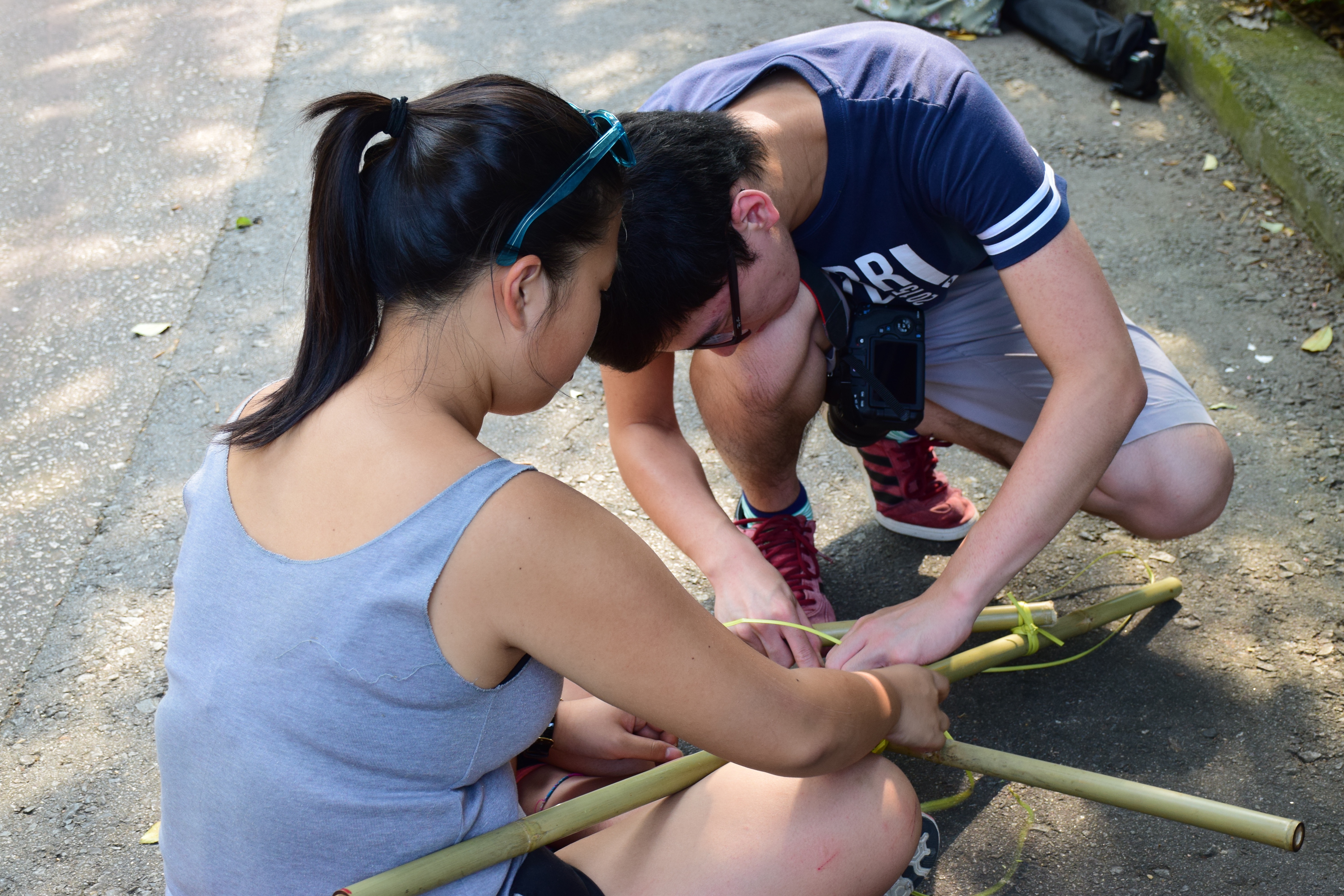
As a part of our installations, we built a Bamboo Aqueduct, against different modern water systems. The intention of re-creating this ancient aqueduct is not only to reveal the changes of how people transport water, but also to bring back the importance it once had. By allowing viewers to have an experience of pouring water through the constructed system, we aim to create interactions and a vivid recalling of the past memory.
a
- Ashley HO
a
- Ivan LEE

