|
CCHU 9023
SHAPING
THE LANDSCAPE A Quest for Harmony between
Nature and the City |



|
Framing Bodies
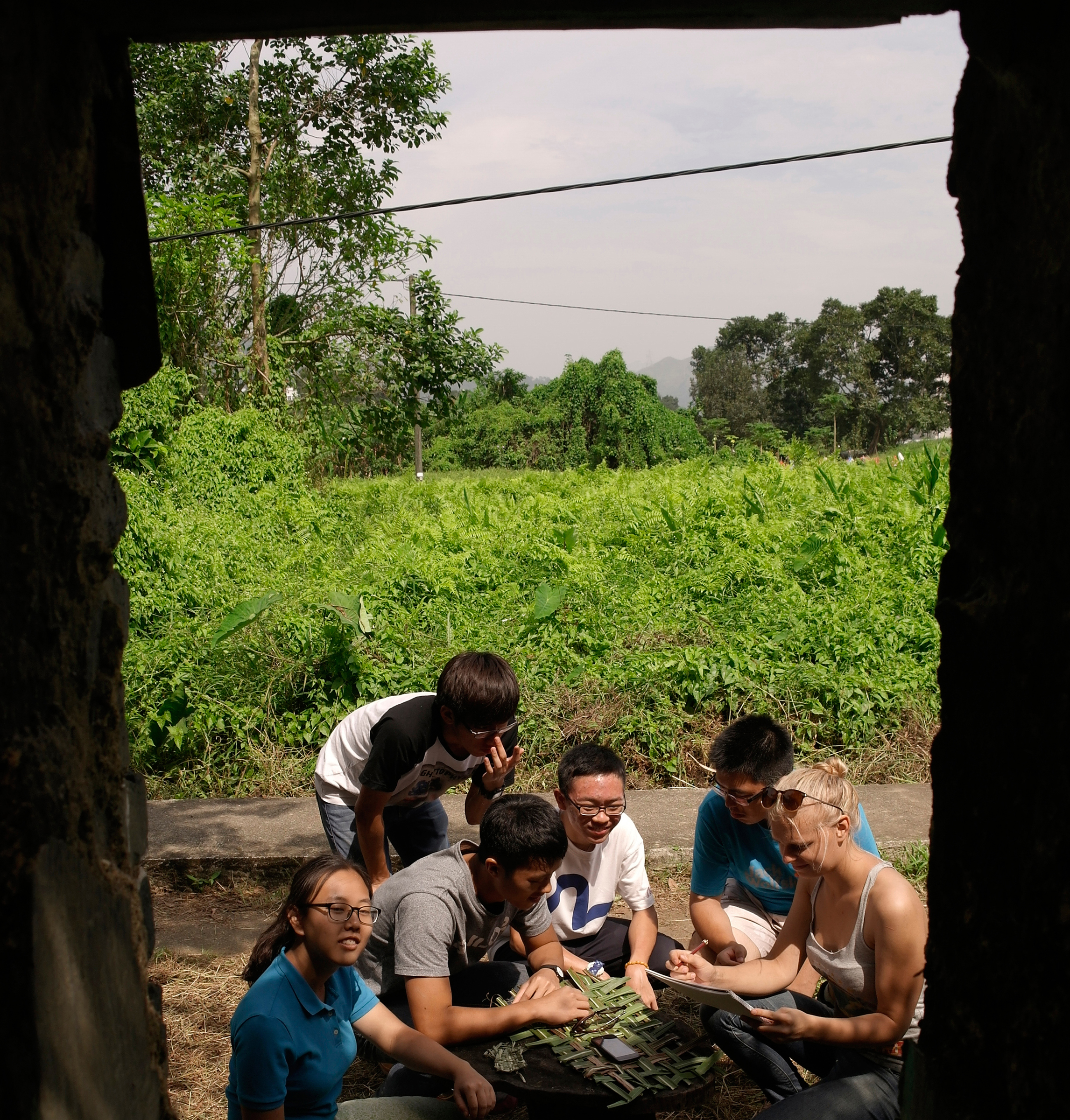
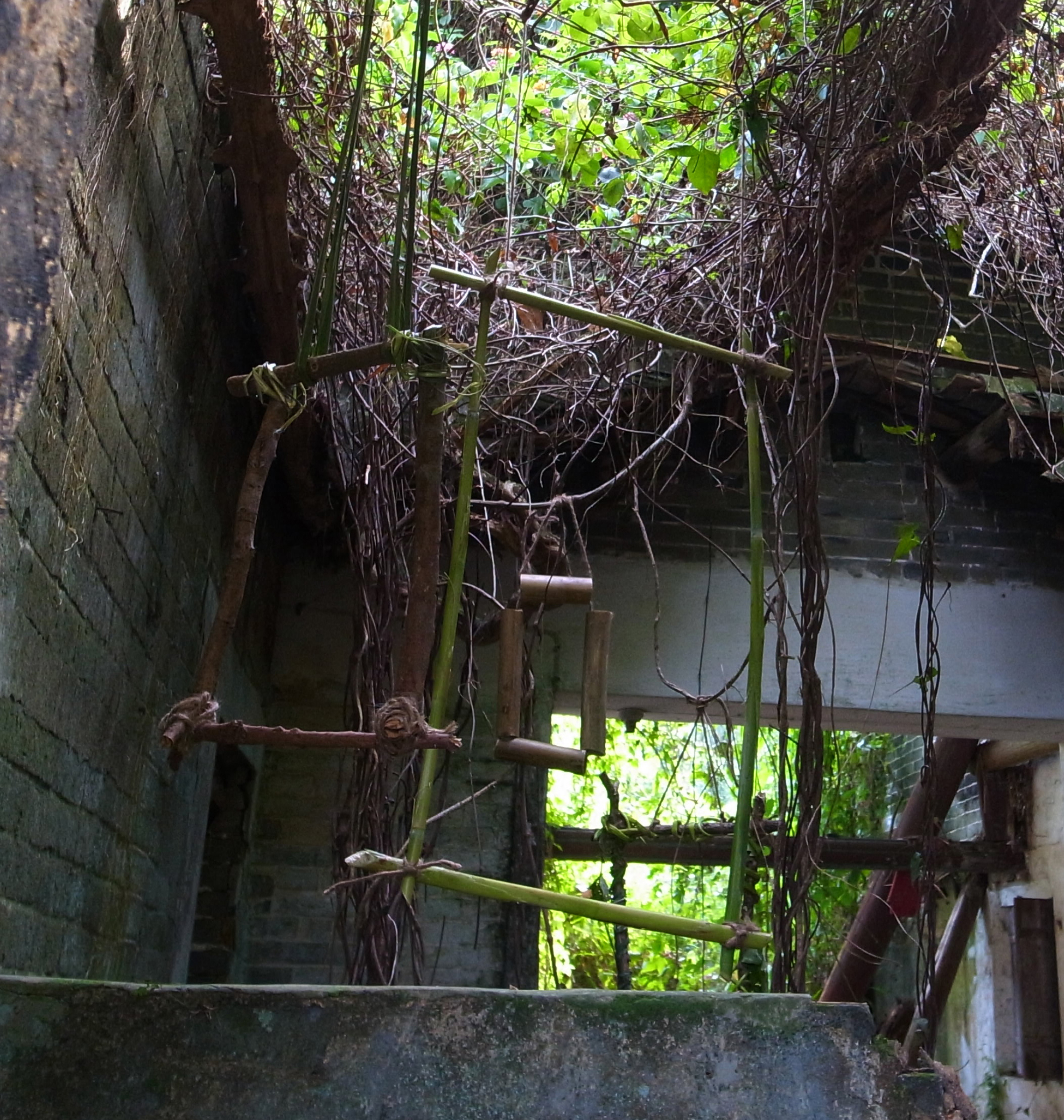
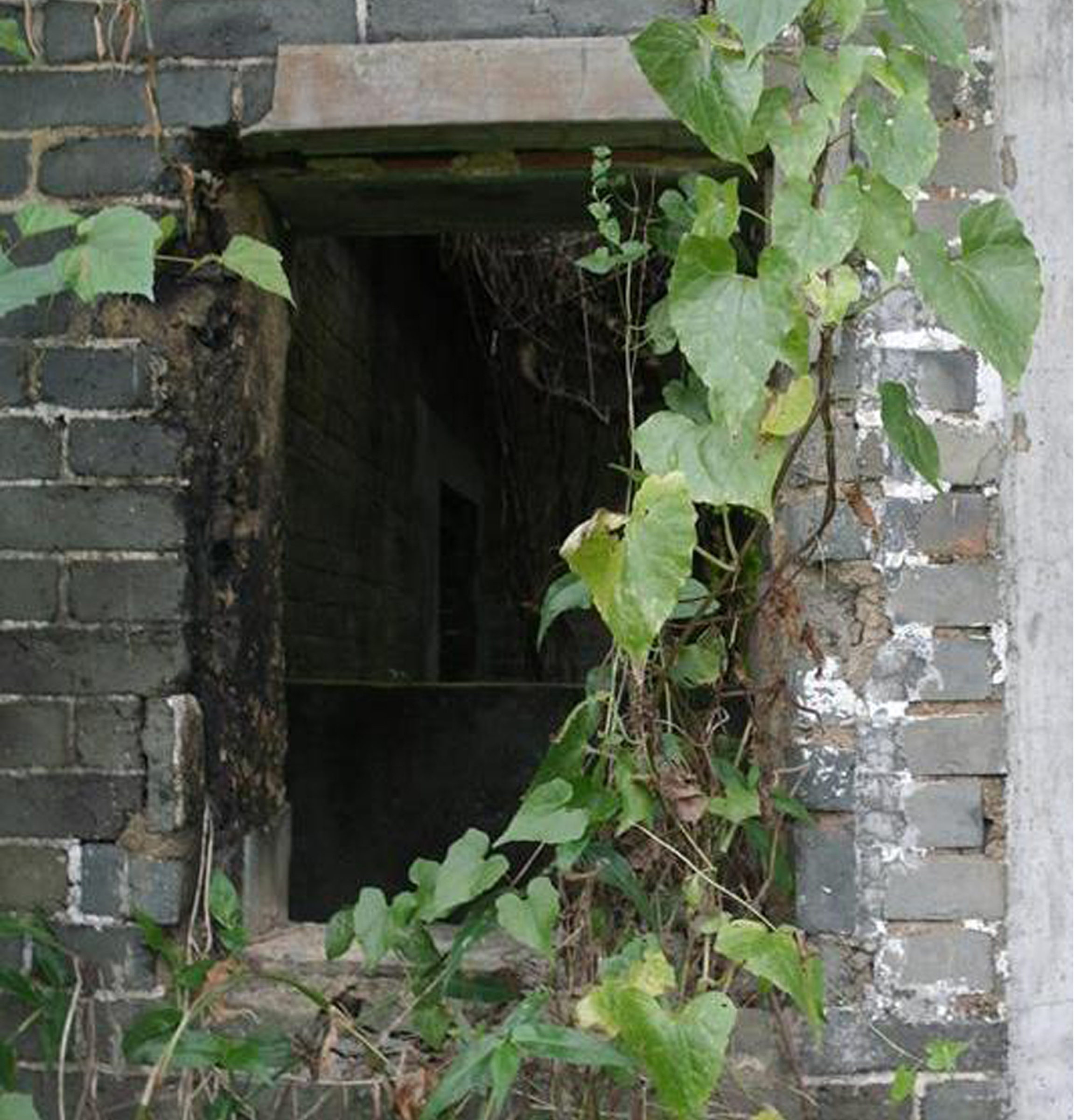
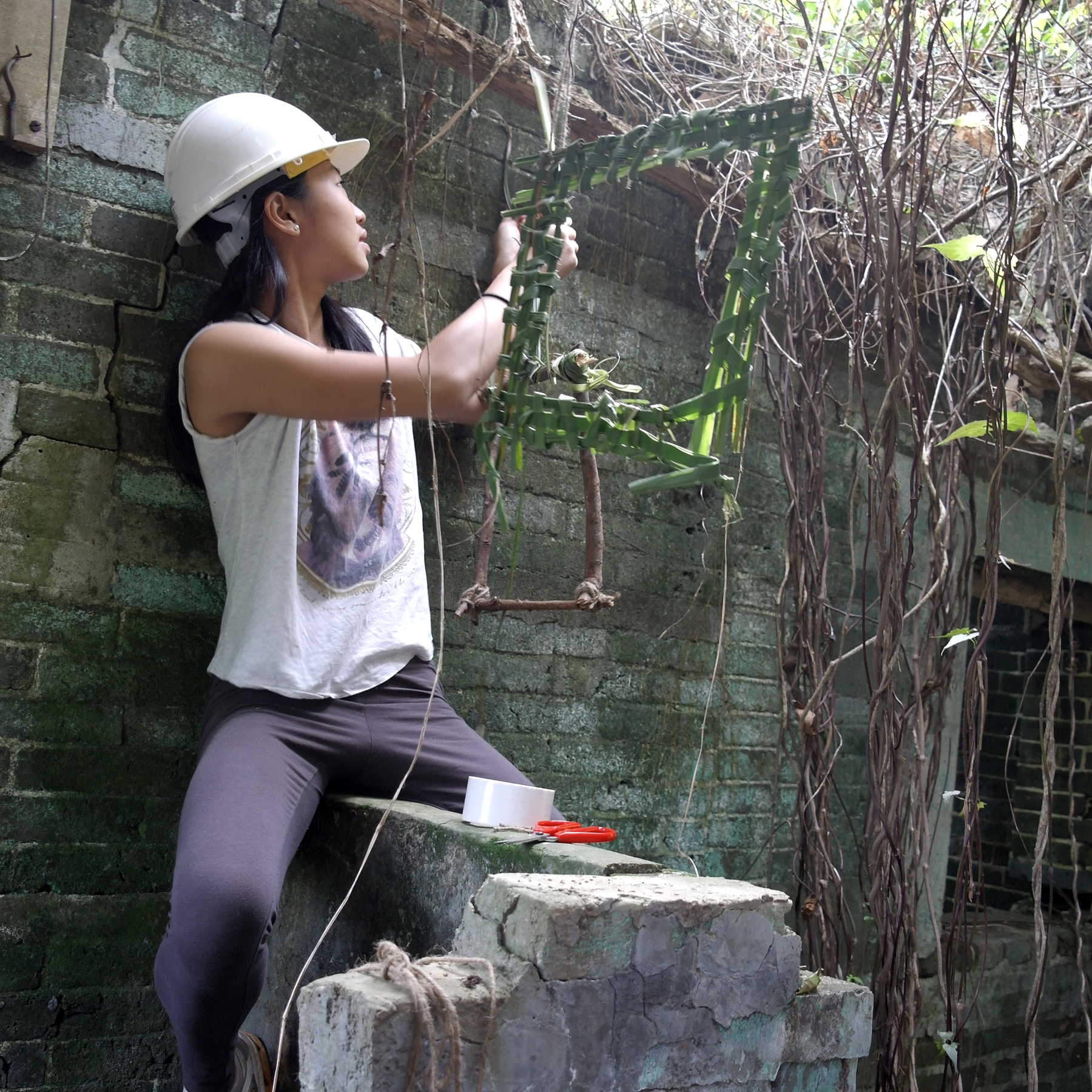
A frame defines boundaries, within and without. It could imply a tunnel you climb into, or a window you look out of. A frame allows material flows to pass through, inducing turbulence at its edges. This is with the exception of the passage of light, which necessarily travels in straight lines; or for that matter, the passage of time, which stretches the sensation of sight into the fourth dimension.
A rigid frame gives structure to amorphous being; it gives shape to the undefinable. It could be seen two-dimensionally as a cropping device for landscape painting; but a frame could also be conceived three-dimensionally as defining spatial volume.
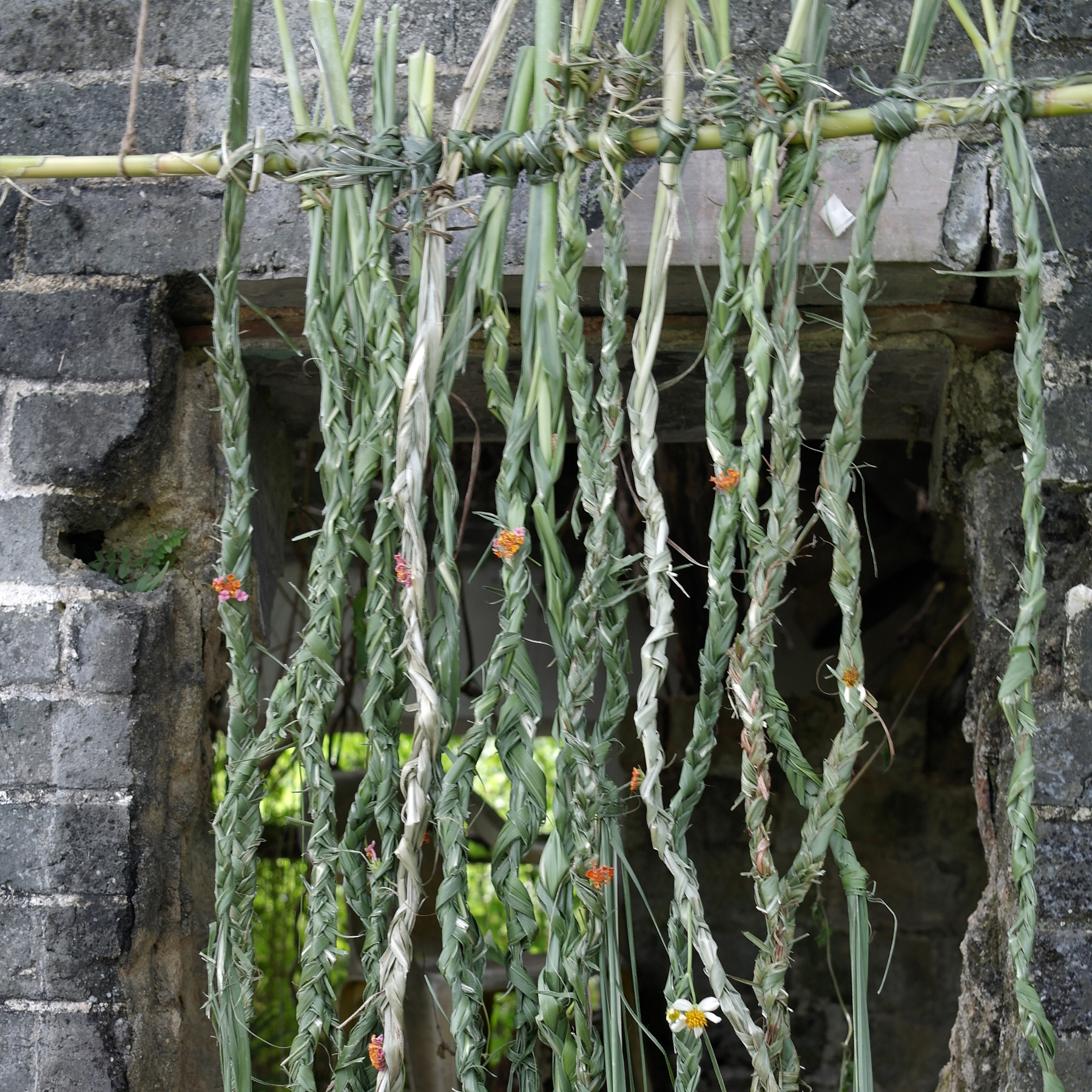
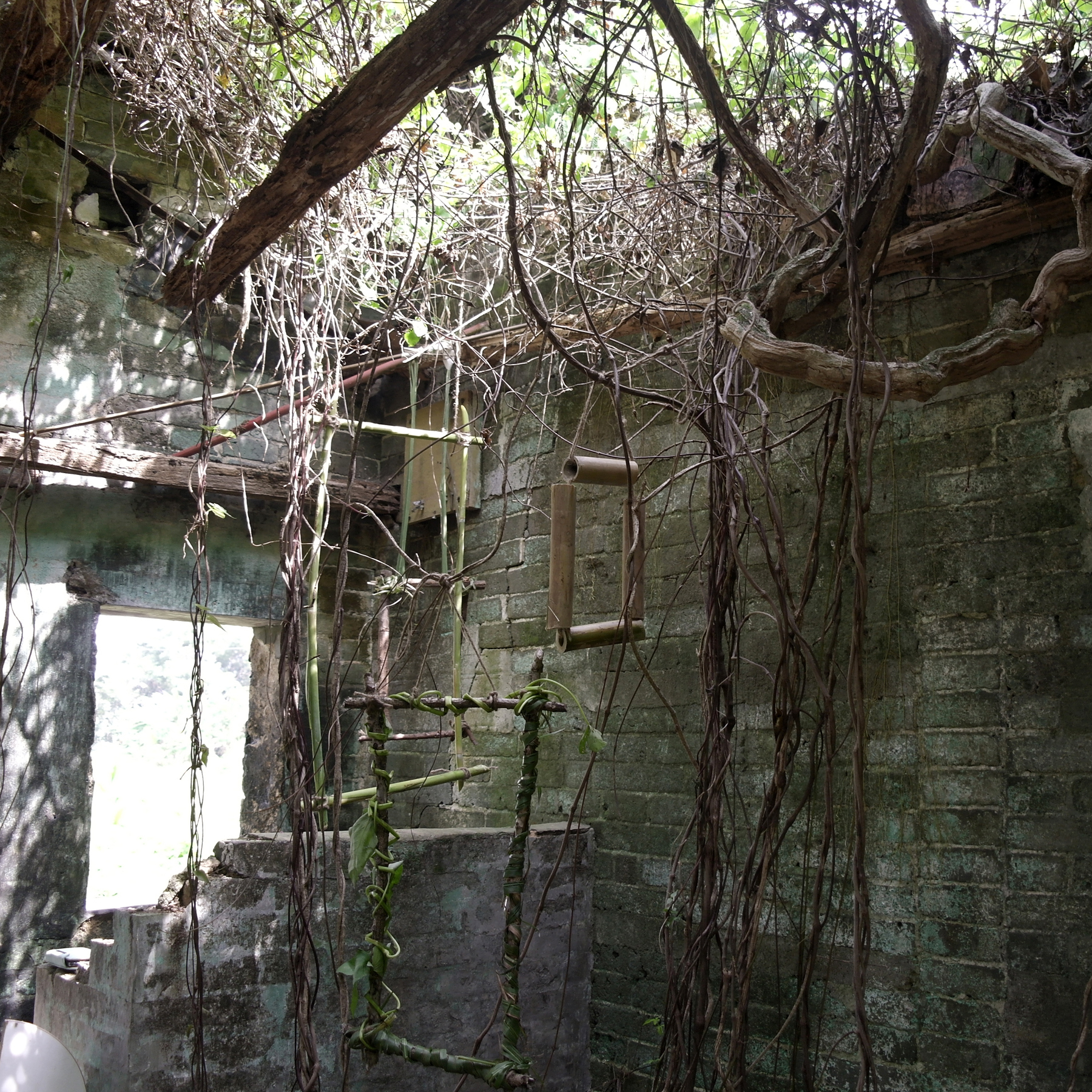
Through the framing of bodies into the landscape, this work addresses the limits of bodies placed within an organic conception of a series of points. They allow for the conceptual passage through time, the framing of memories, and the healing the heart through the most simple and direct bodily sensations.
The Abandoned House
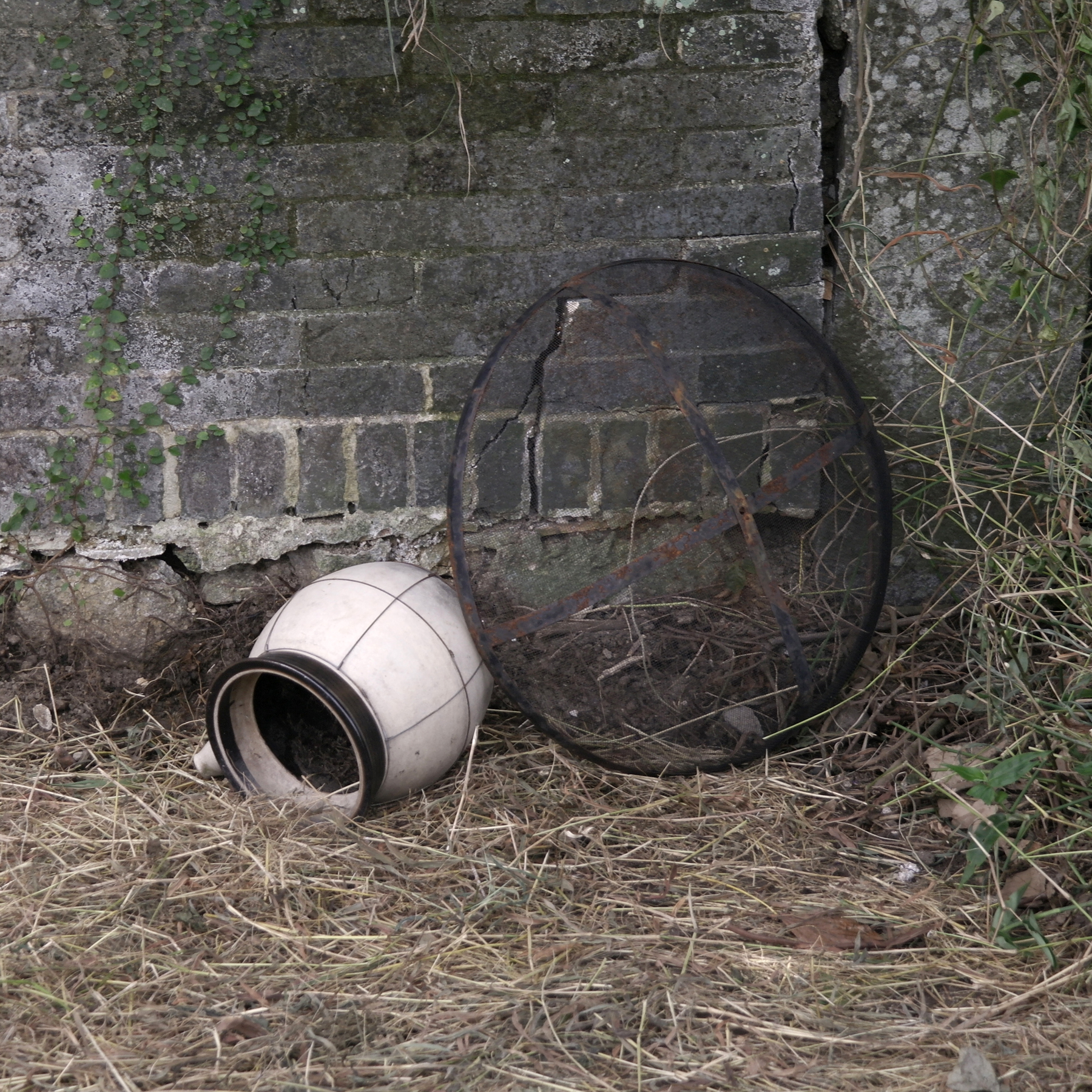
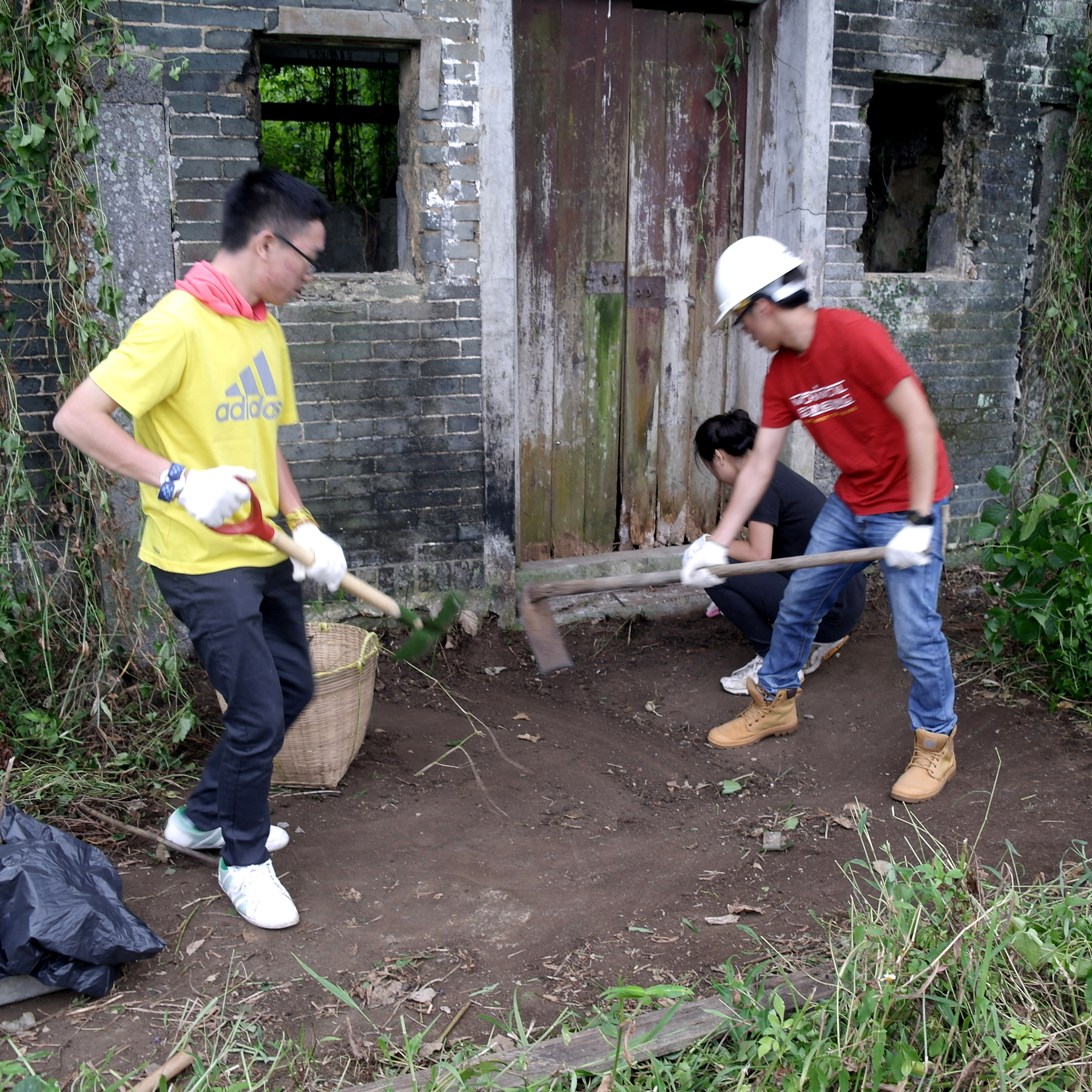
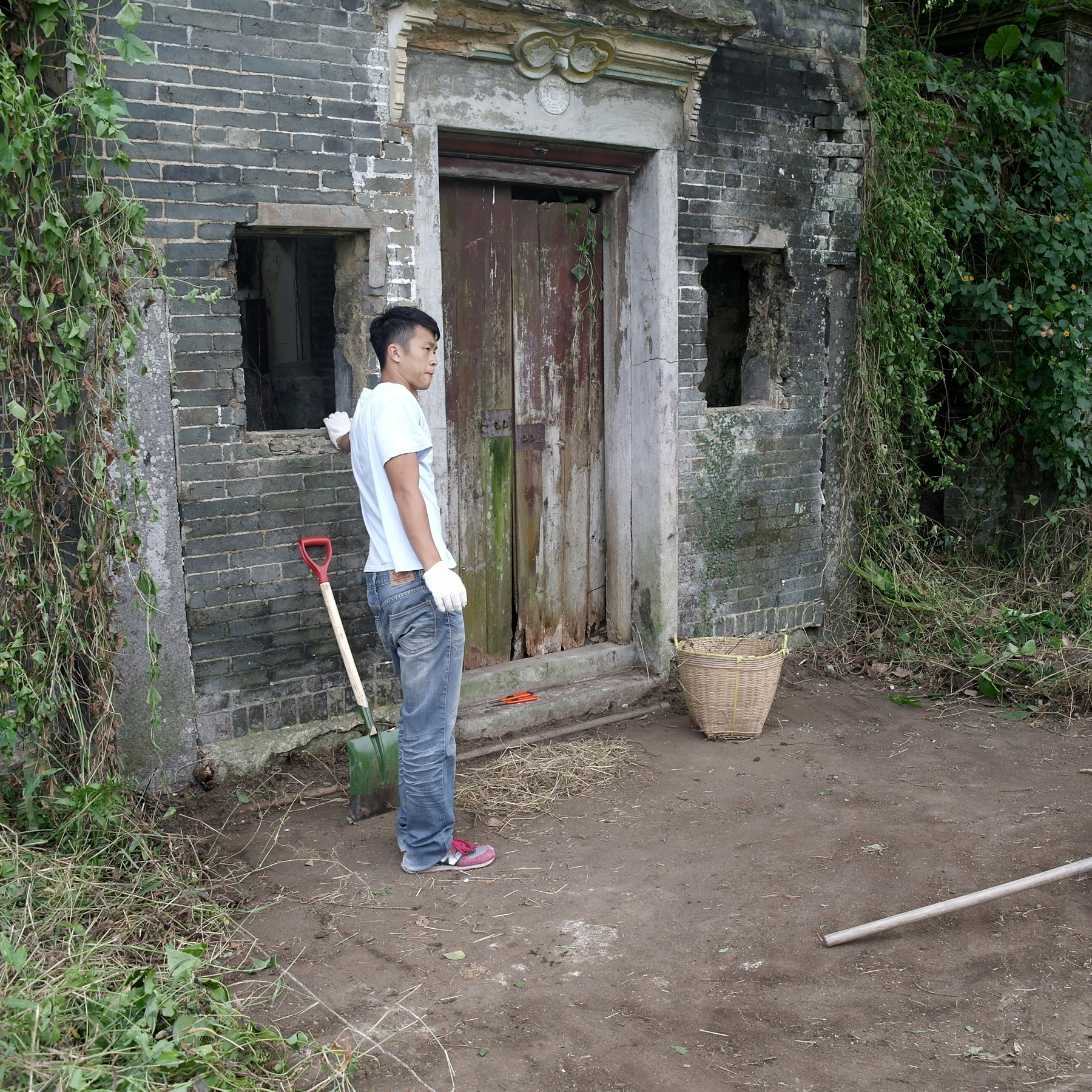
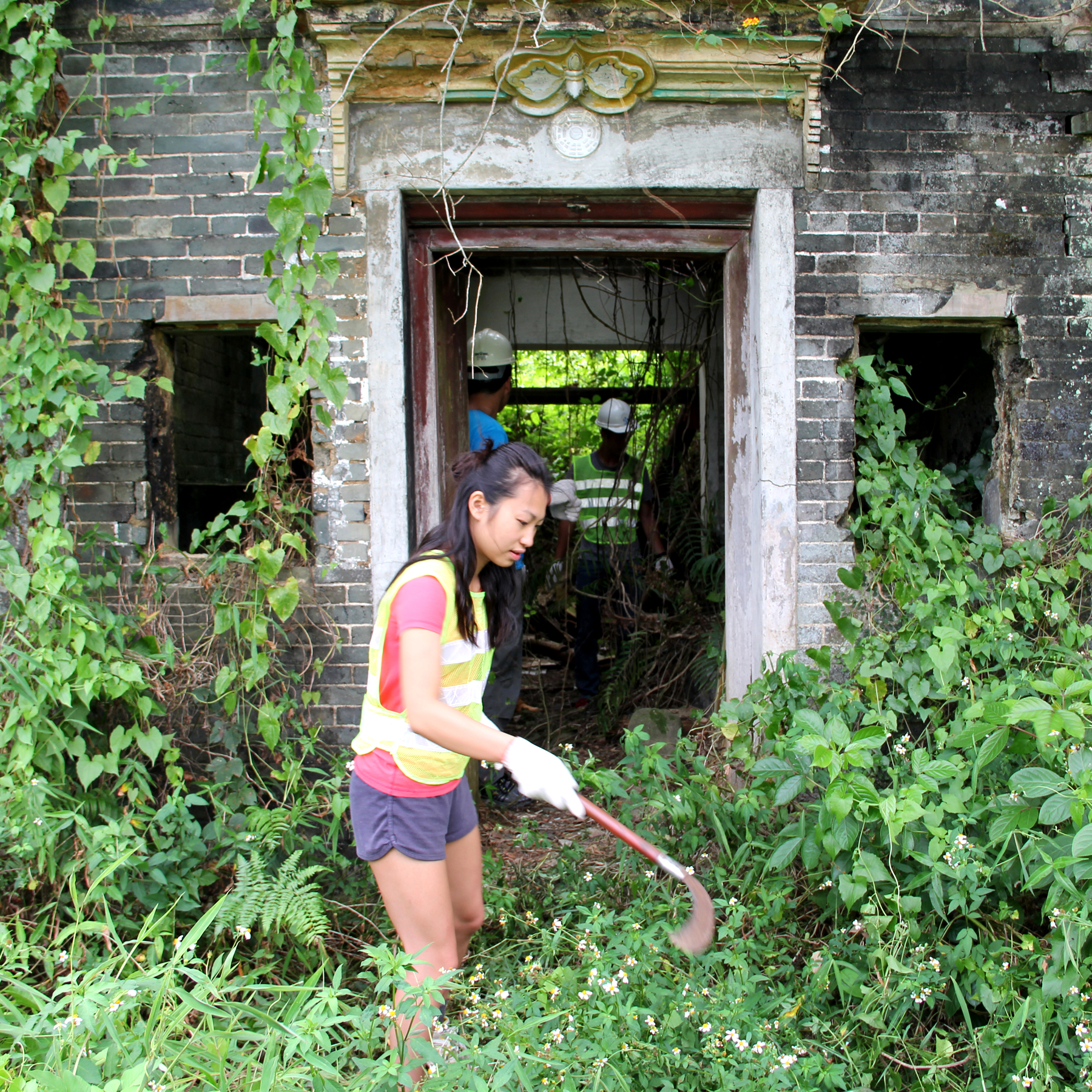
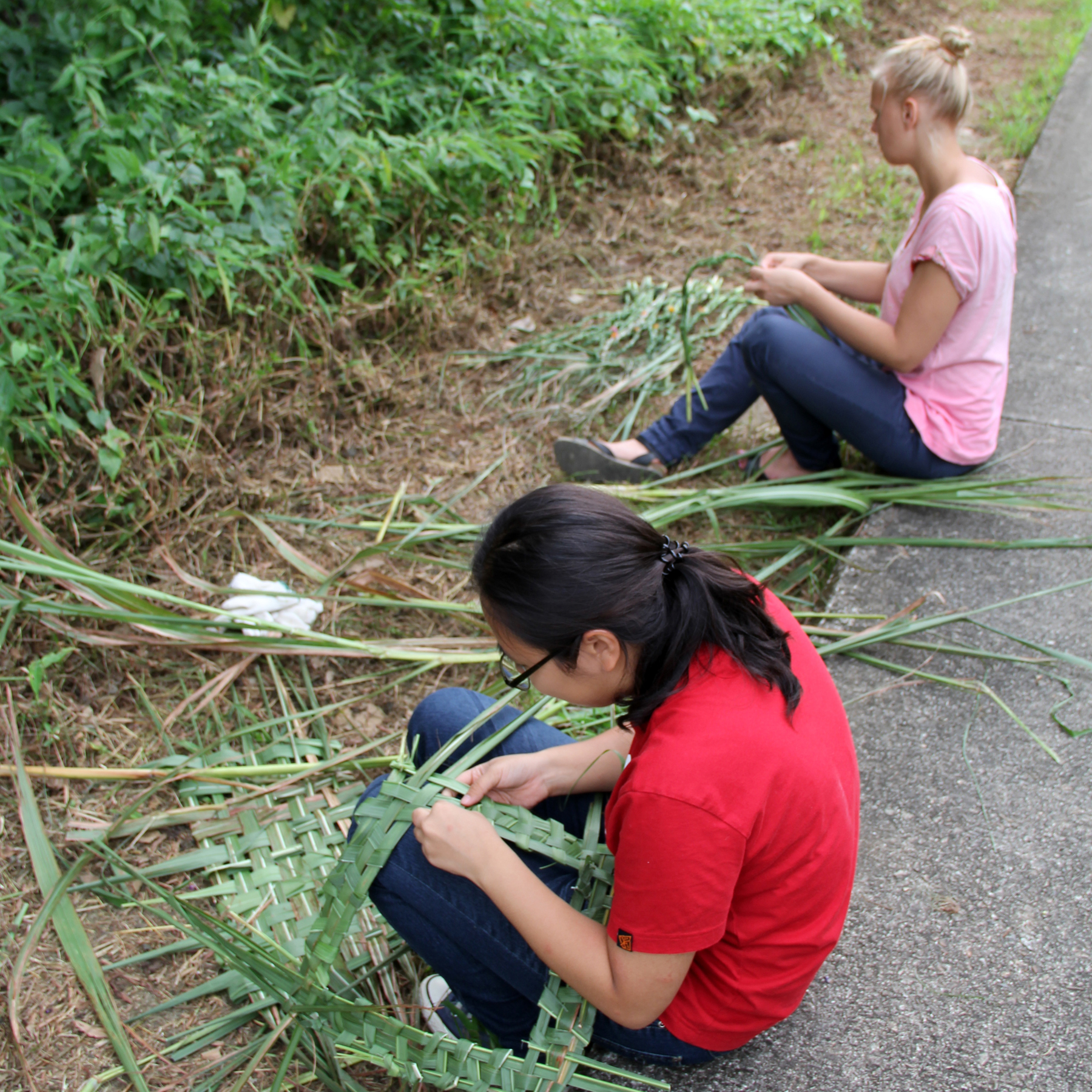
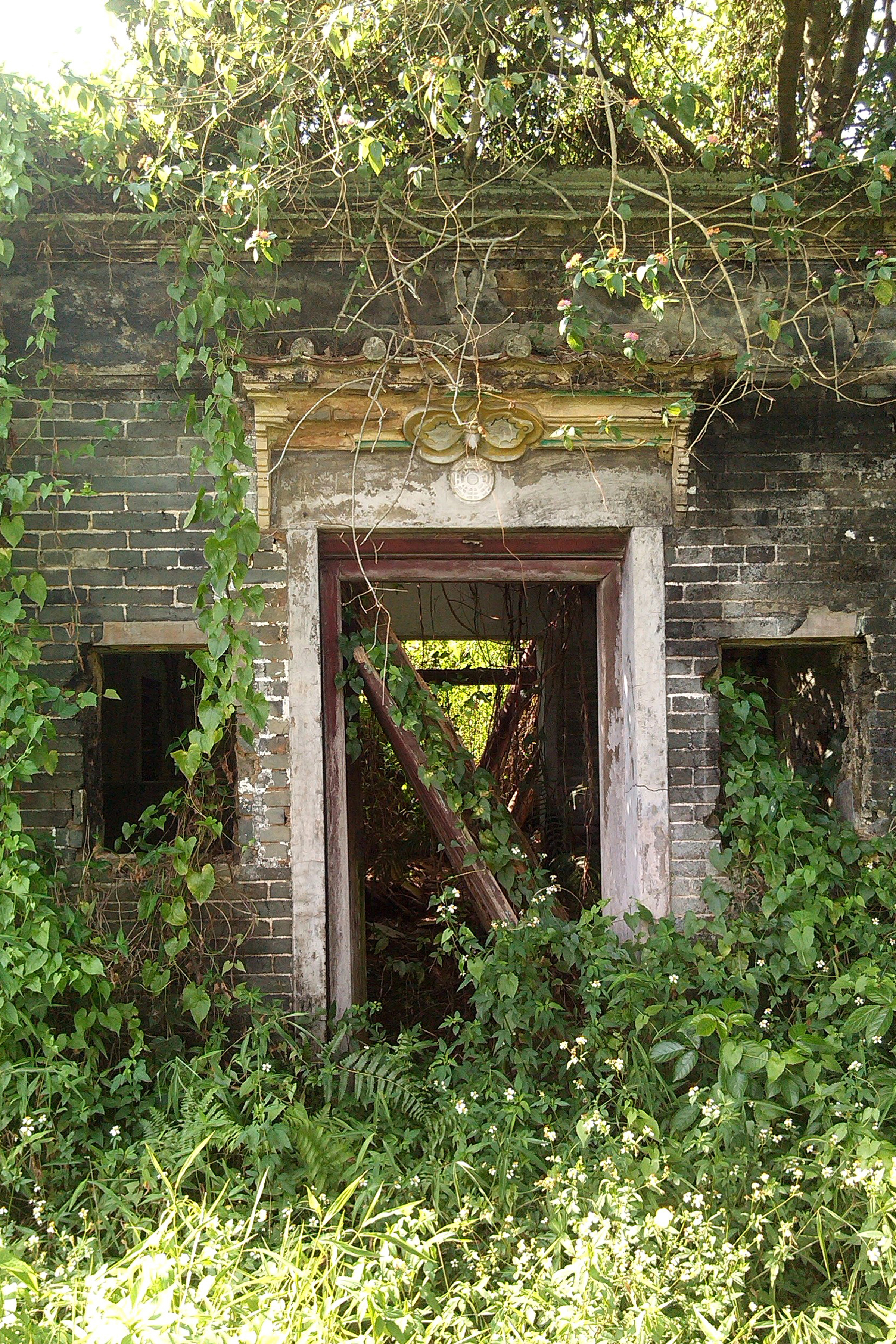
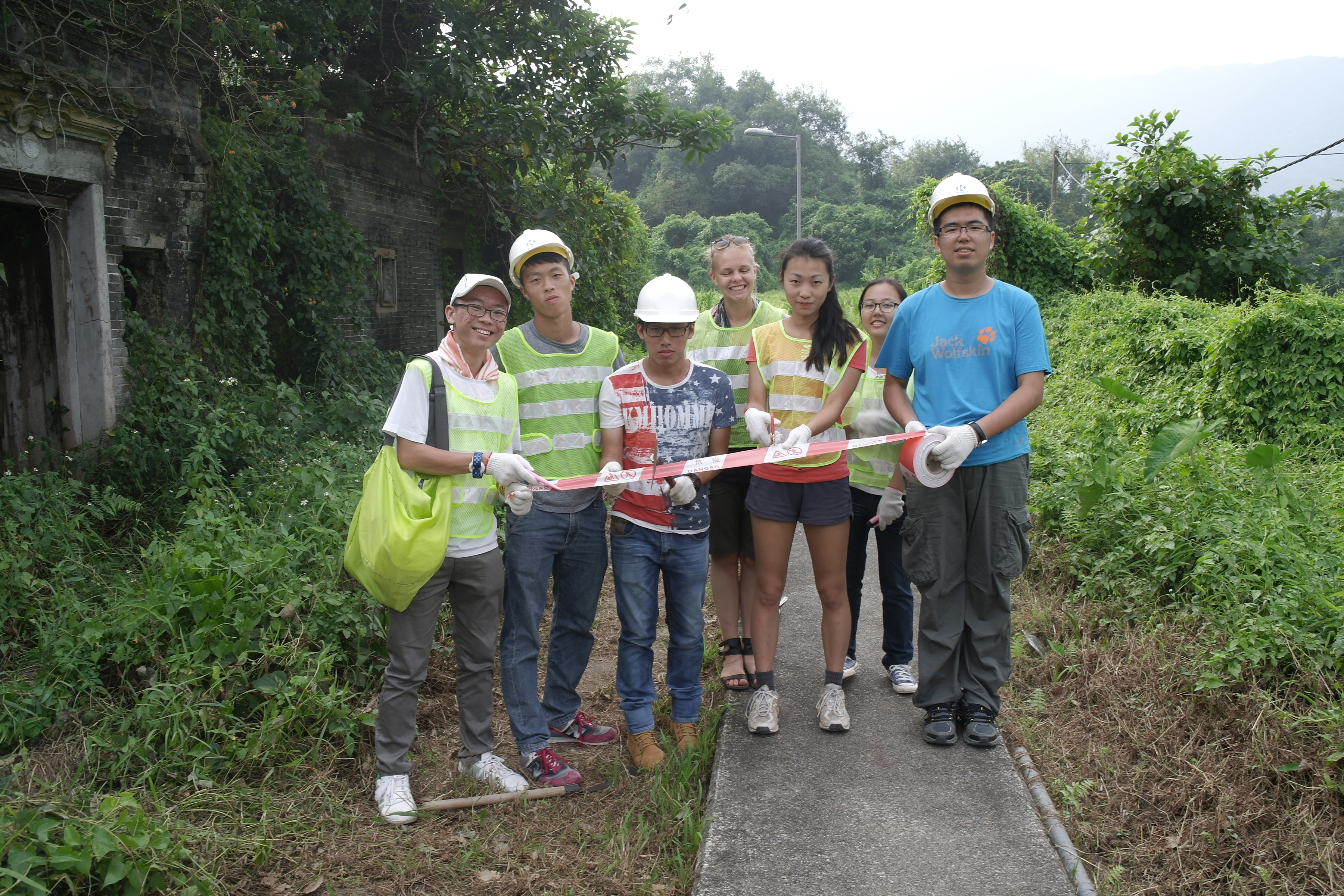
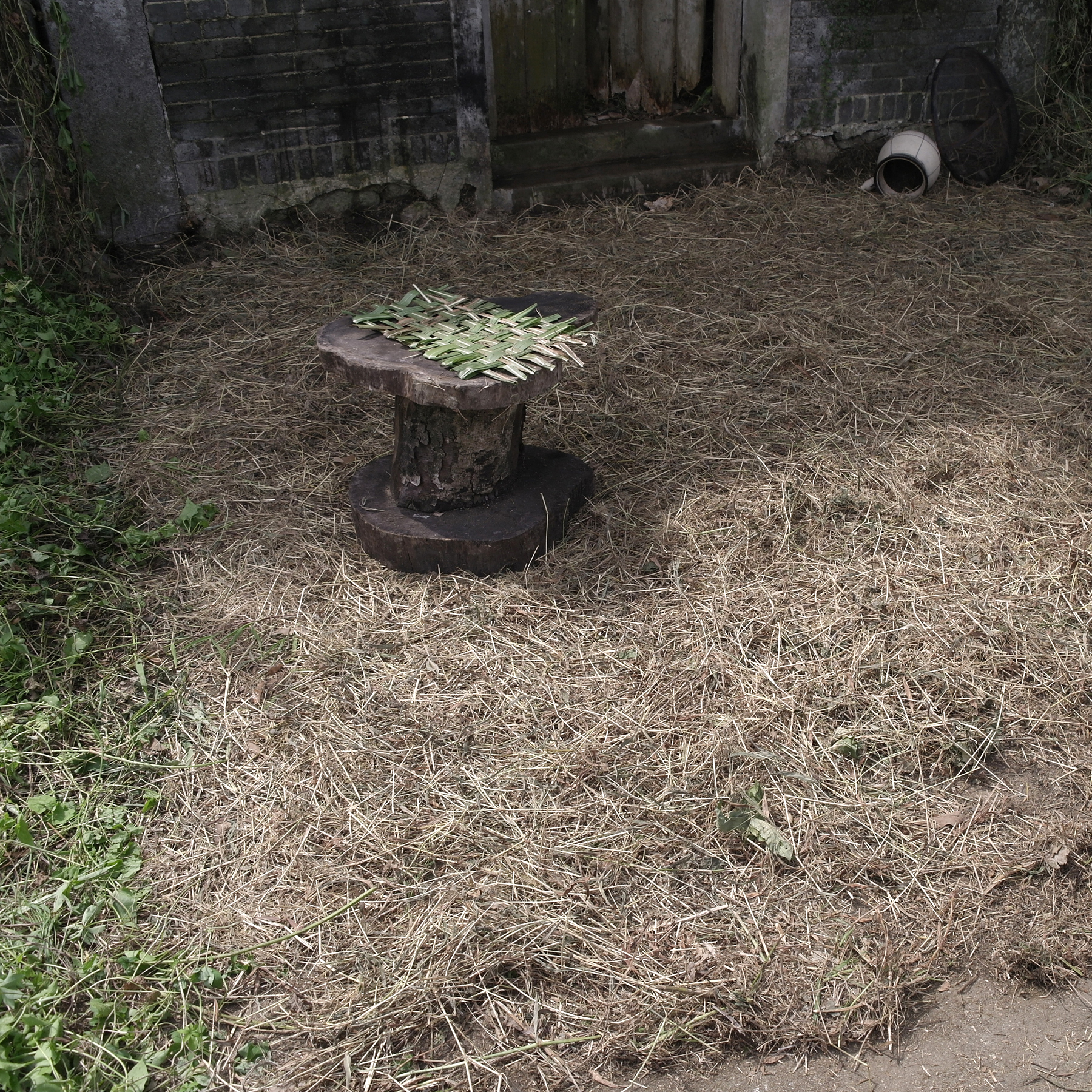
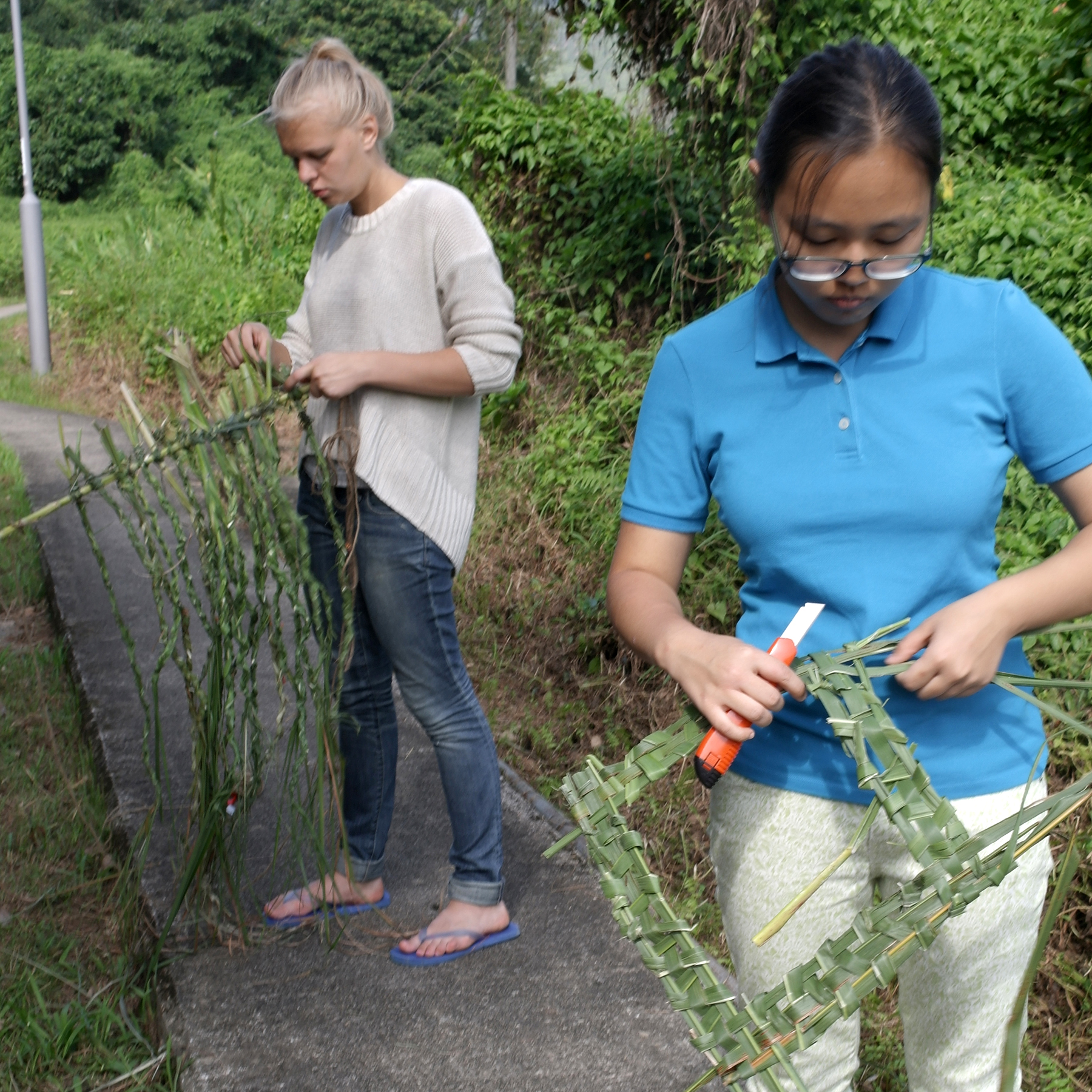
“The Abandoned House” communicates with human from the perspective of nature and conveys a sense of sadness and loneliness. Firstly nature observed that human abandoned the relationship with nature by paying very little attention to the resources on earth. For instance the local families were too busy with their job in the city so they didn’t spend much time looking after their gardens back at home. This can be supported by the fact that earth has existed for 3.6 billion years and is transcendent. This means that the endless space of nature is involved in the Abandoned House and so nature has always been observing humans on earth. In response, villagers tried to make use of natural resources such as cotton and bamboo and their impact of disforestation for daily objects, for instance doors and bowls. This highlights human creation with natural material such as cotton and explores the aesthetic and linguistic character of grass. In conclusion, nature argues that human has once stayed with nature harmoniously but now they abandon their farming village. This raises the concern of losing the tangible and intangible cultural landscape of the rural village and on a larger scale how do we conceive environmental ethics and human constructions.

