|
CCHU 9023
SHAPING
THE LANDSCAPE A Quest for Harmony between
Nature and the City |



|
Reflection
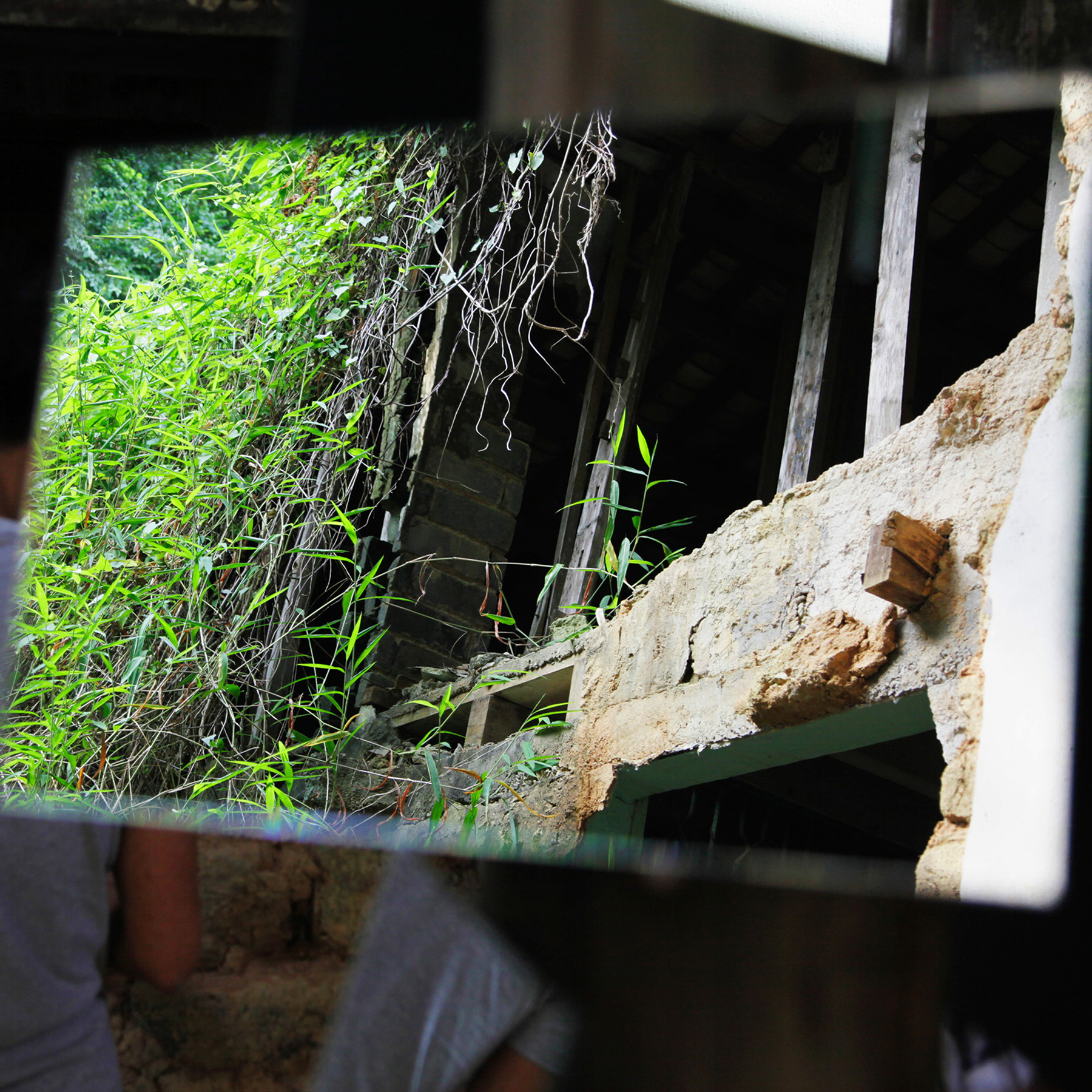
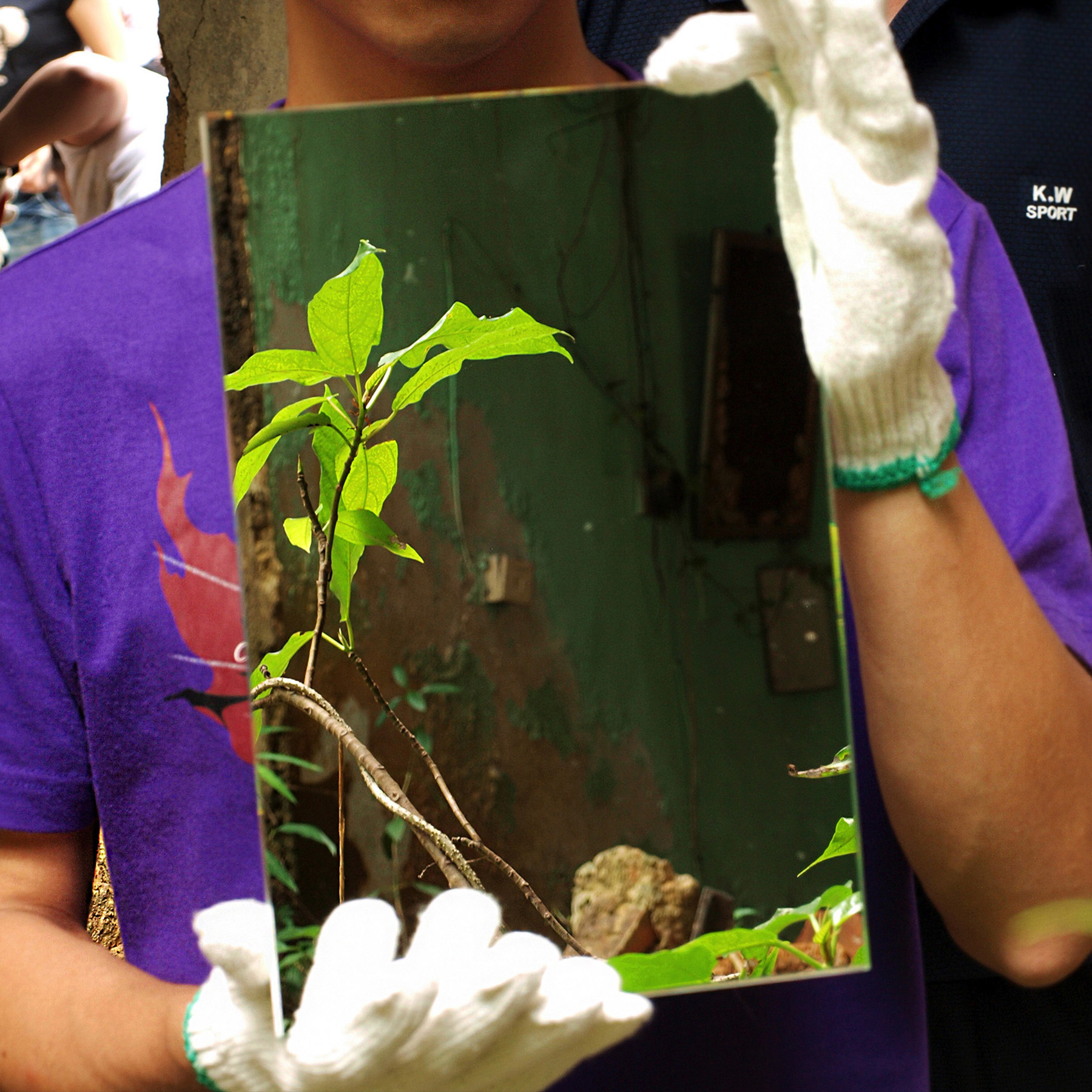
In nature, material itself does not have colour, it “obtains” colour by reflecting different wavelengths of light. We want to capture the reflection of light and shadow of nature and extend them by using reflective installation. Thus the cultural character of the site is recognized and advocated in a meaningful way as well.
Although regarded as invisible and colourless medium, reflective material can be shaped into different sizes and forms as required. By design reflective material installation, we want to identify the implicit geographical and cultural character of the site, such as topography, season, climate, history, etc.
This topic discusses light and shadow, reality and unreality, solid and void, material and immaterial and put emphasis on individual experiences in four-dimensional space. Three-dimensional space, time, and the observer’s experience are the three main elements constituting the reflective installation. It also bears a task of presenting perceptual and cognitive events that are normally kept in people’s mental space.
The Capture
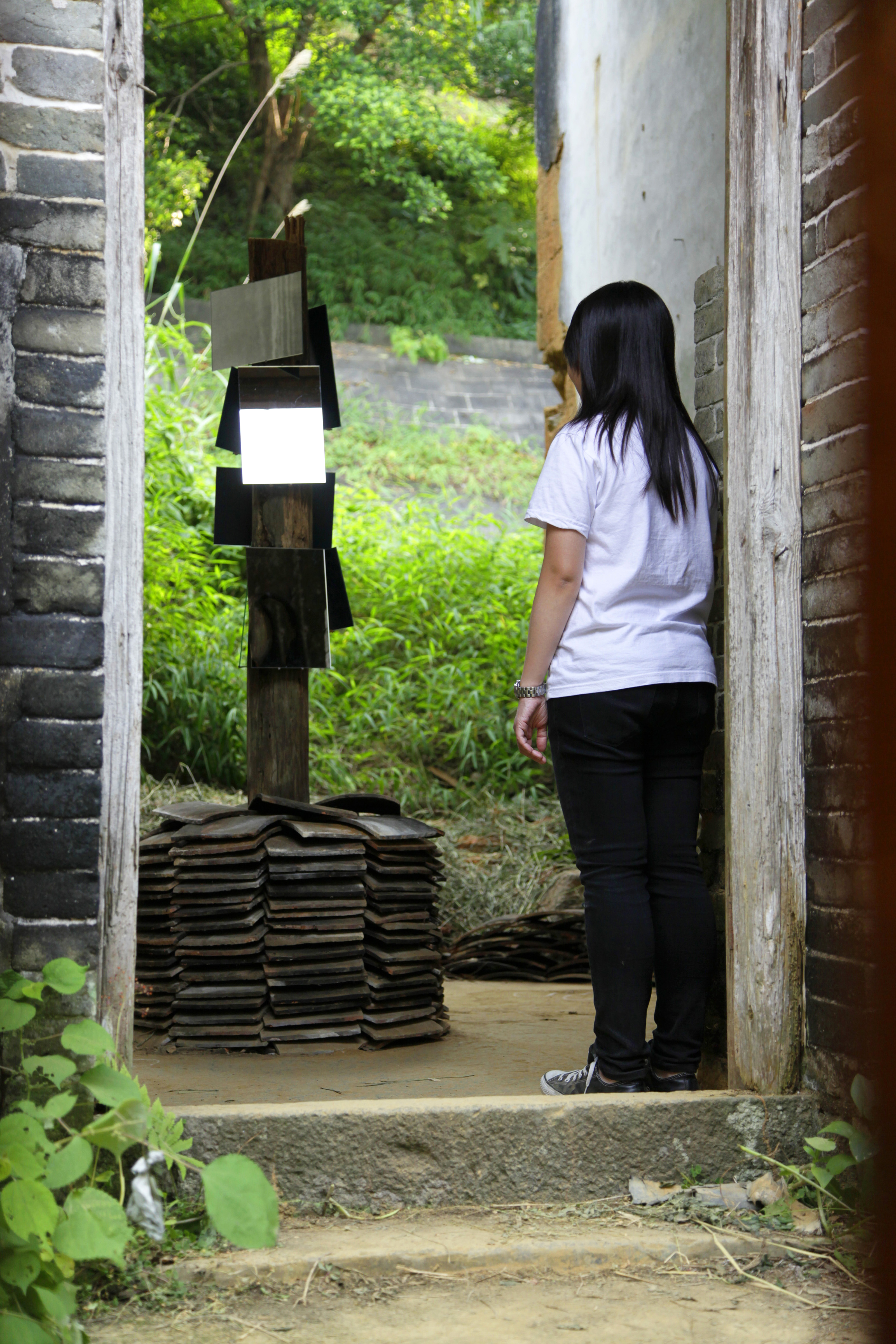
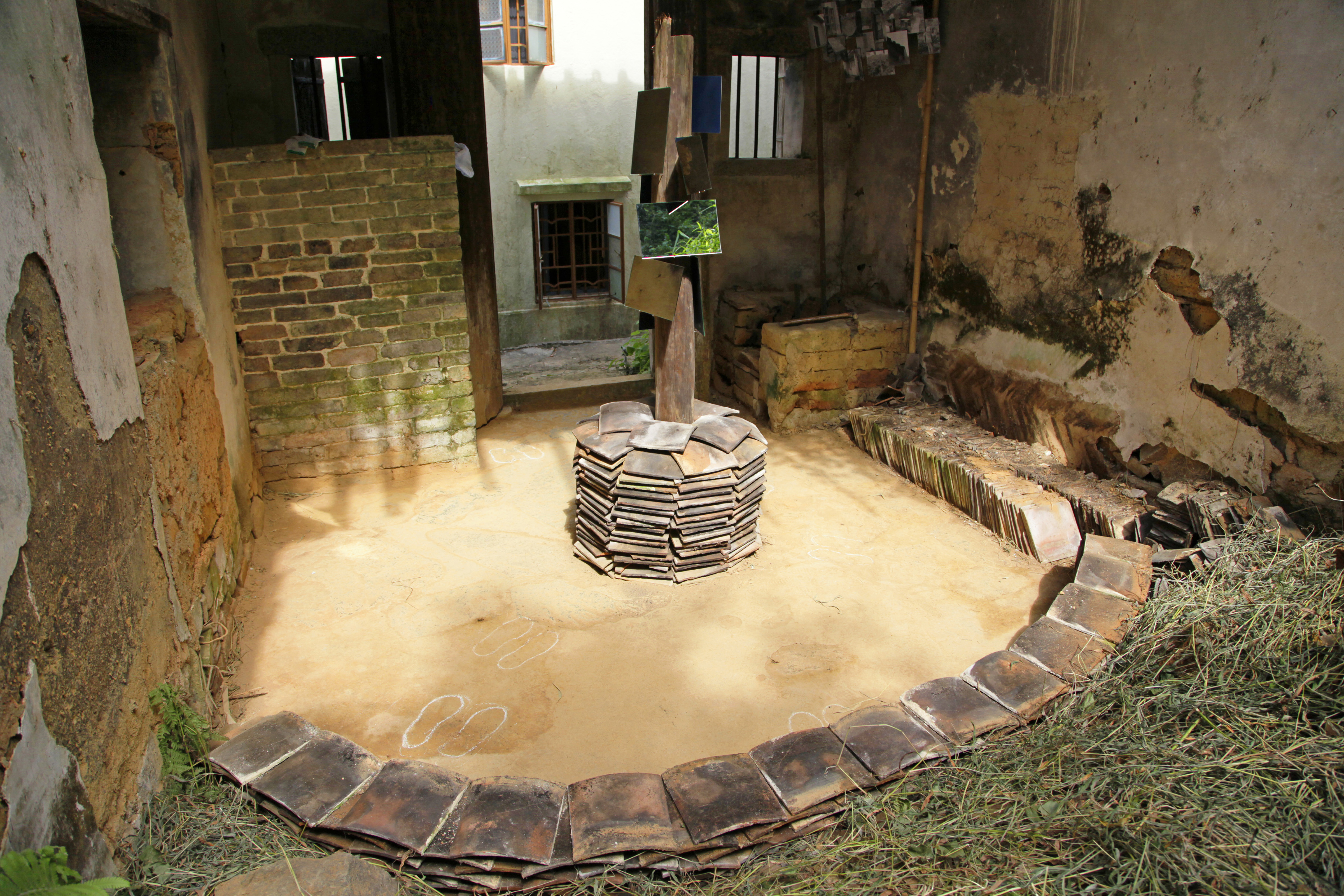
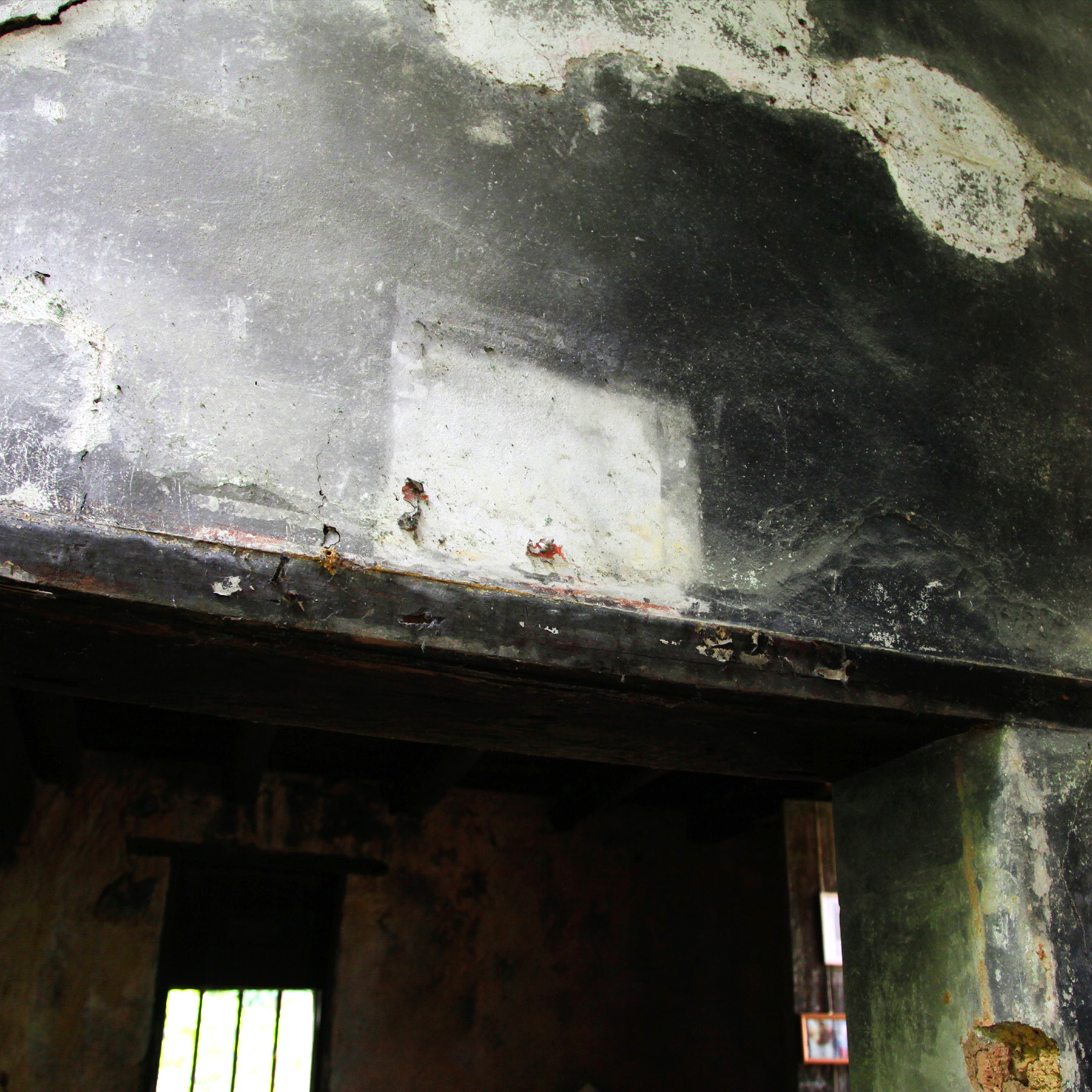
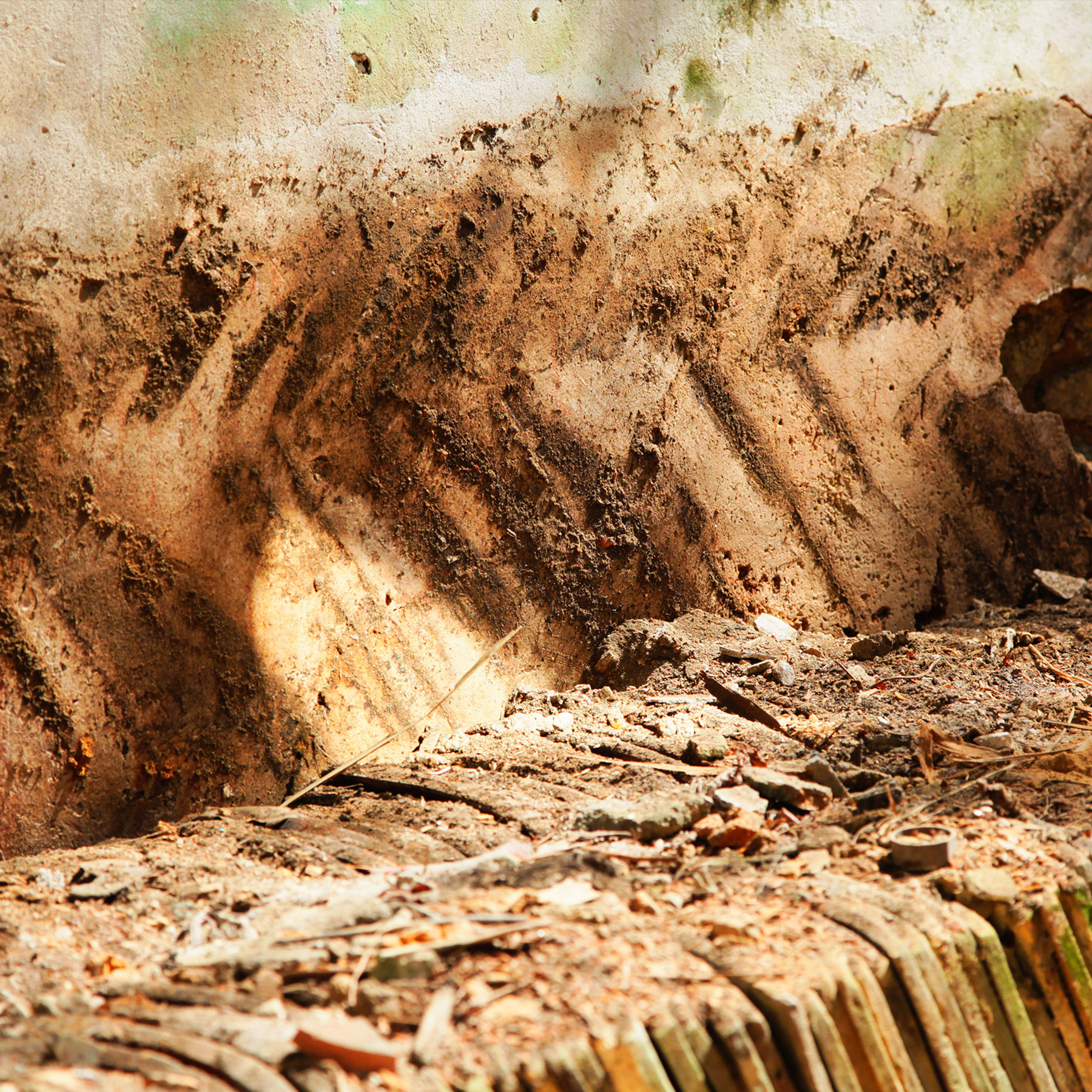
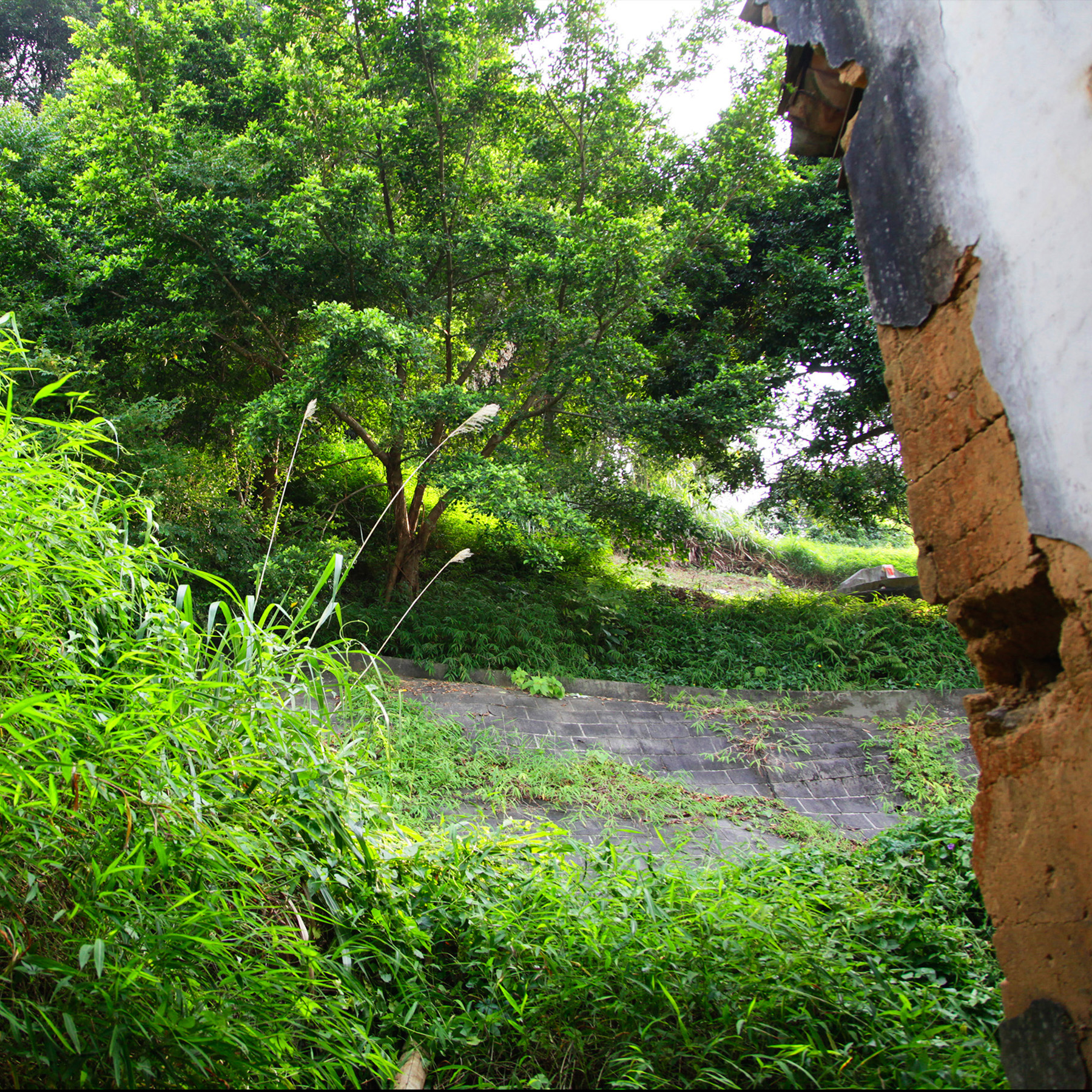
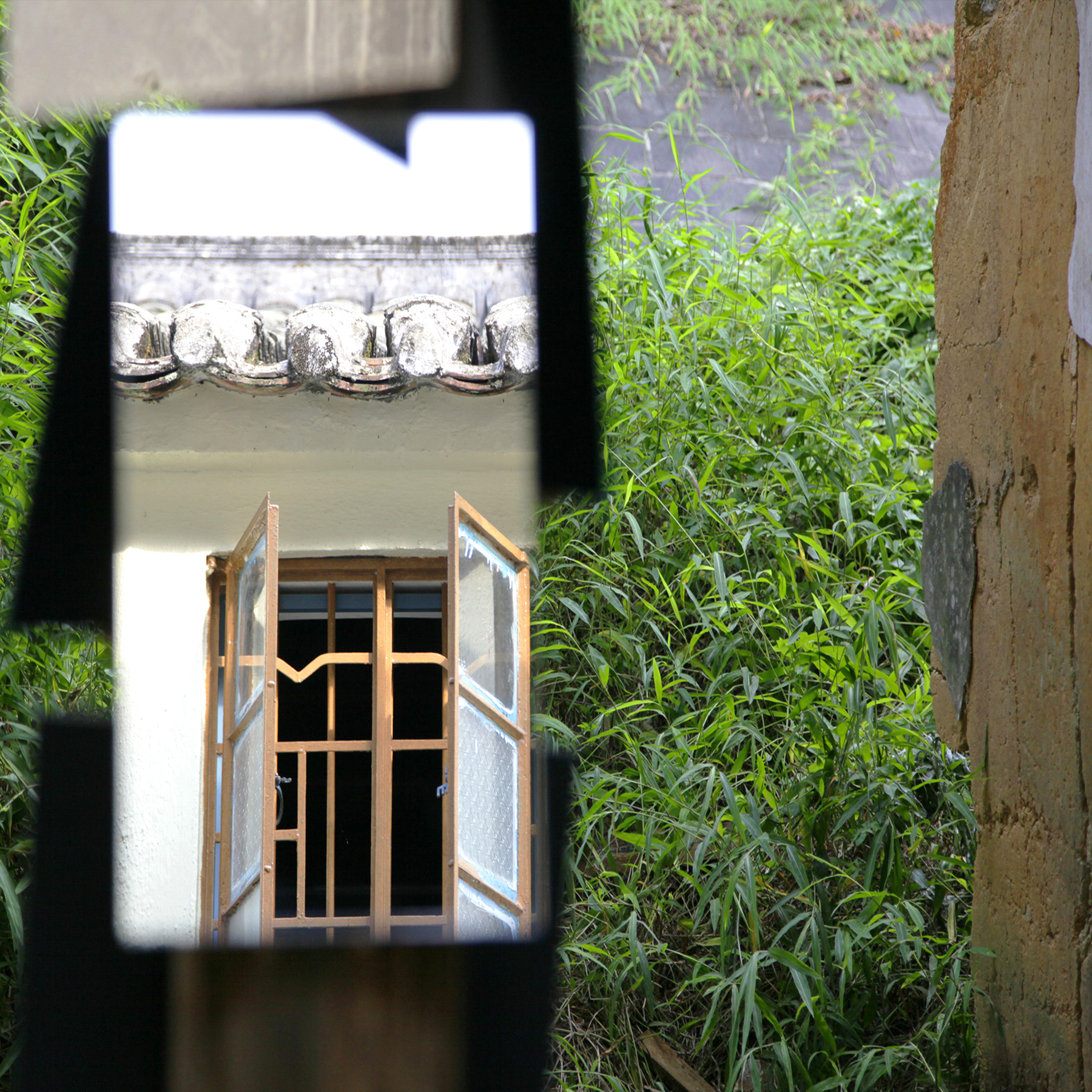
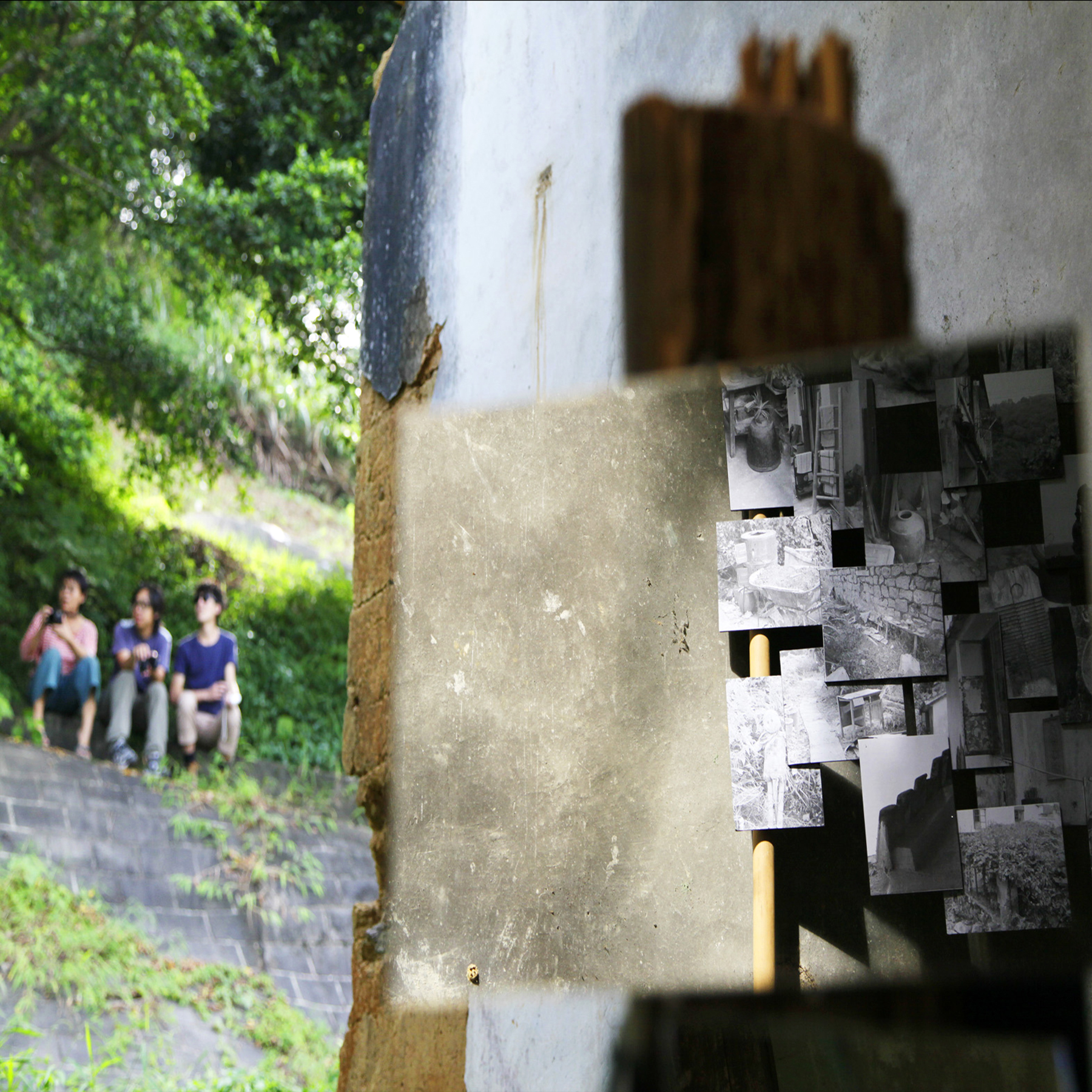
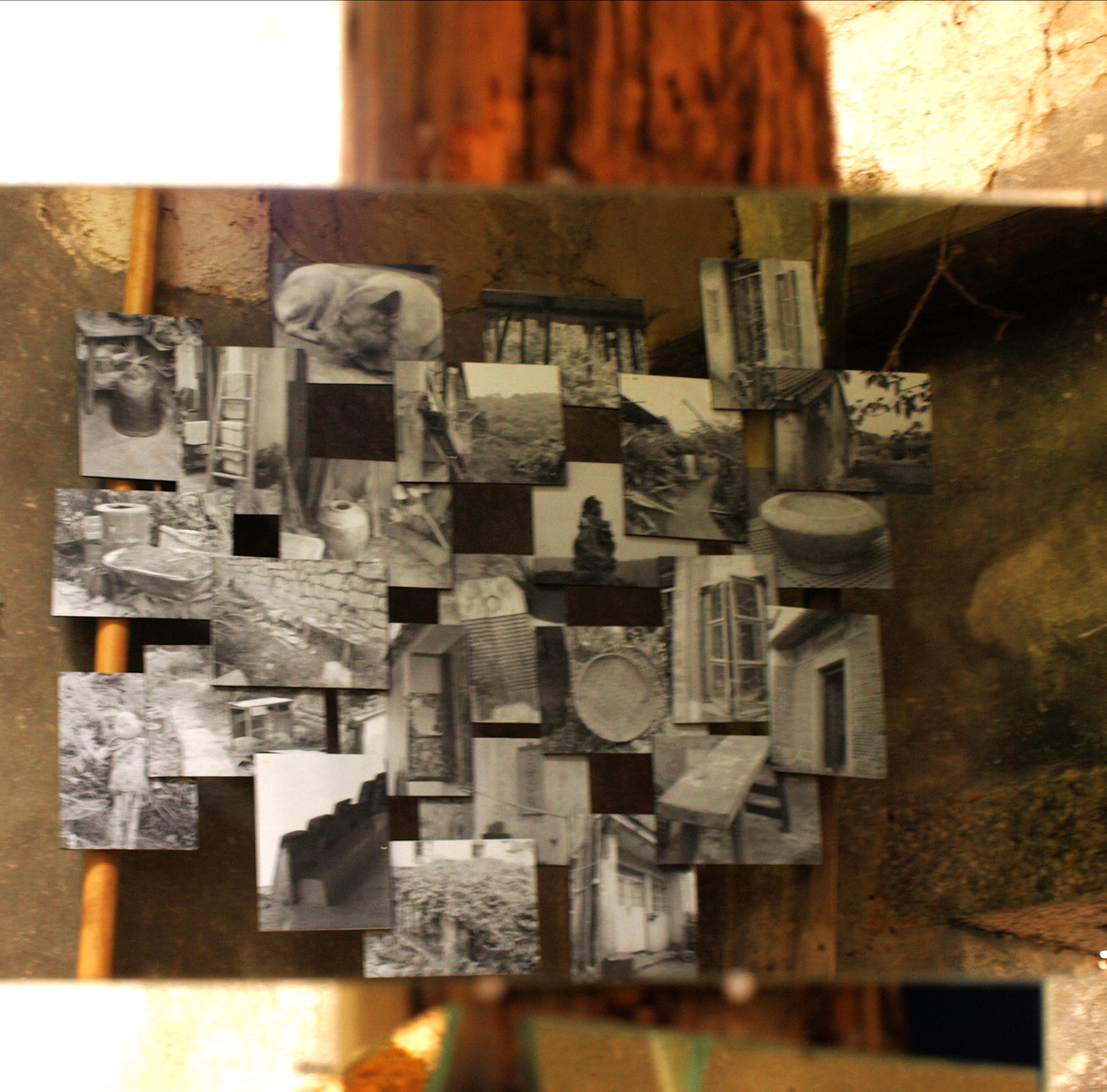
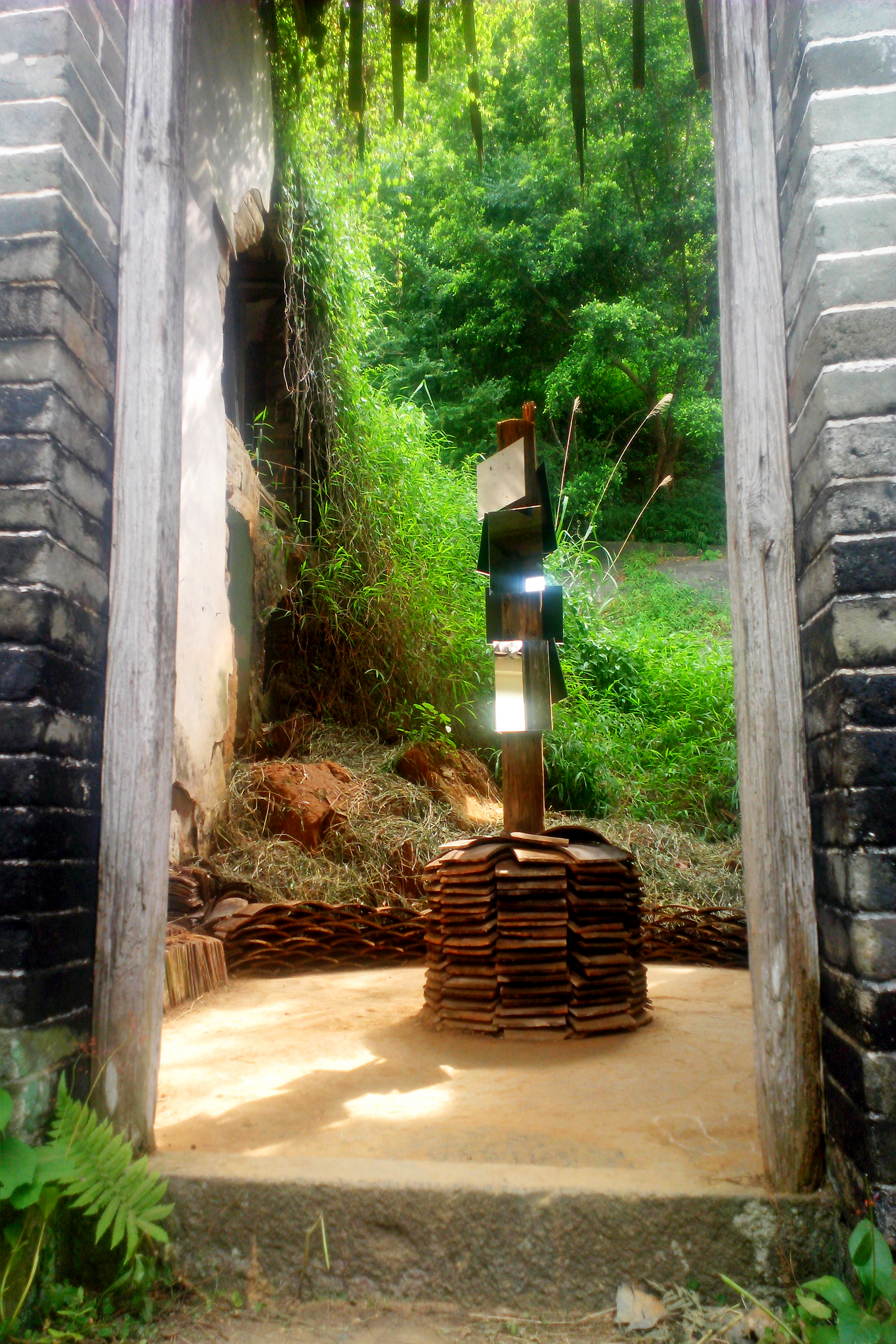
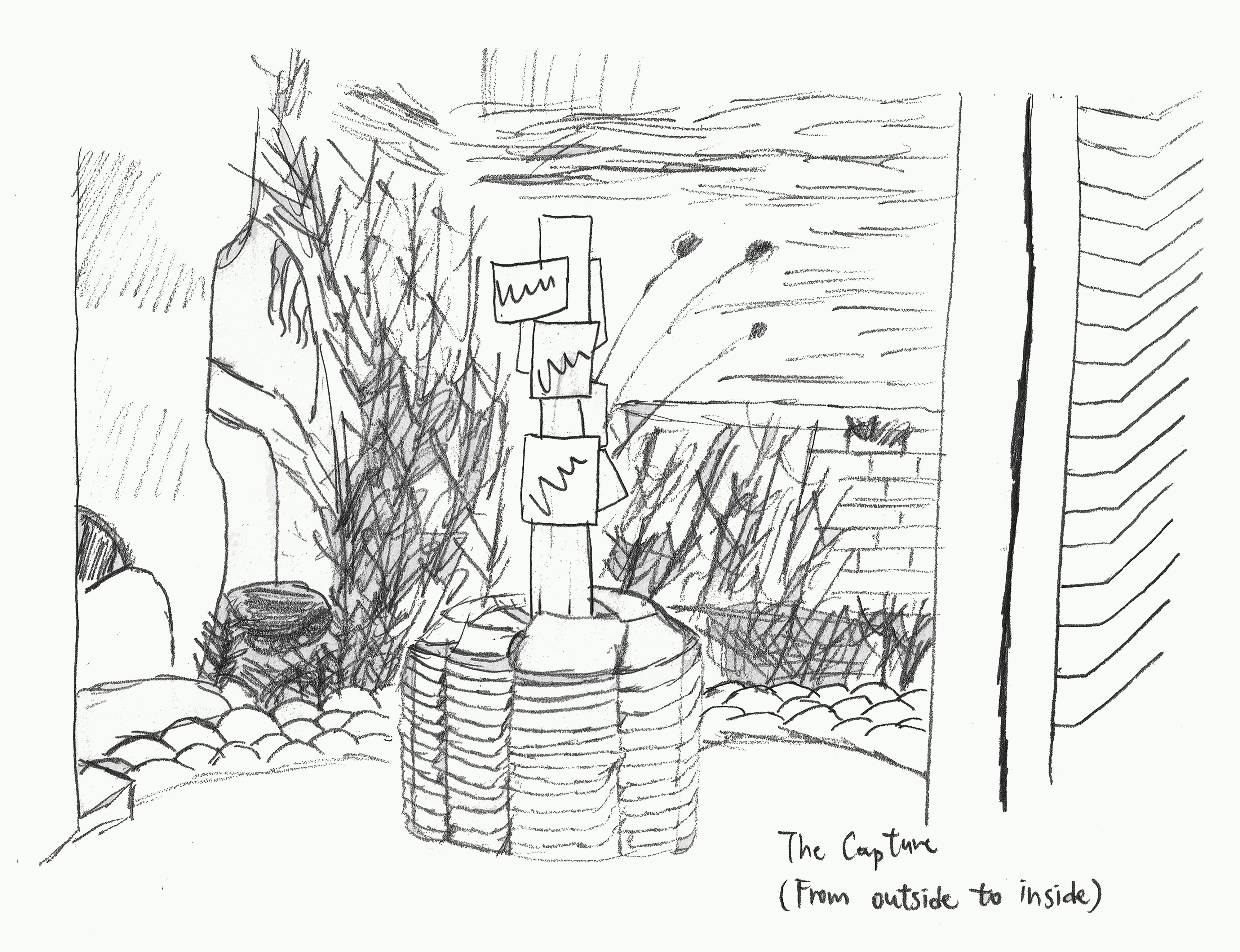
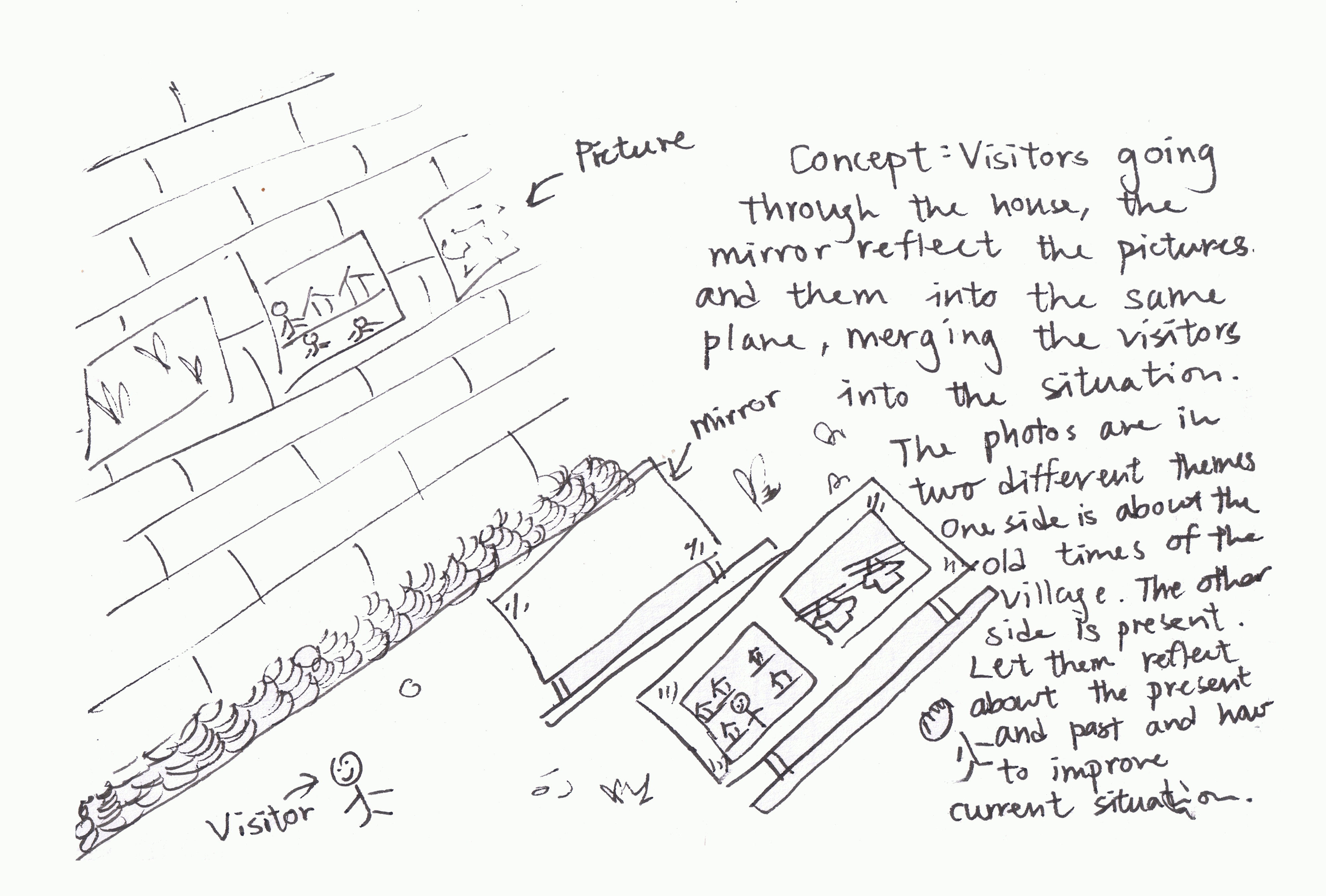
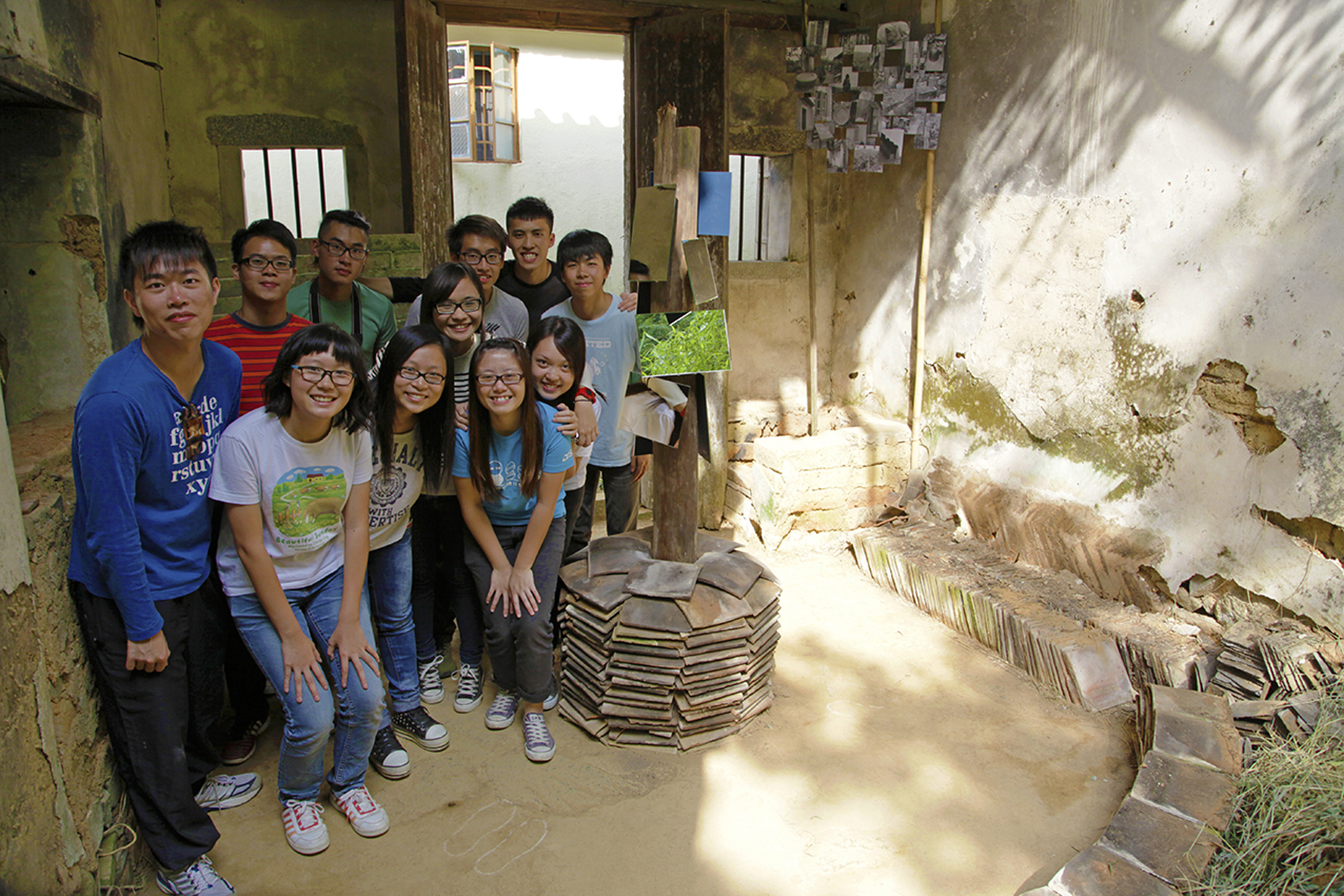
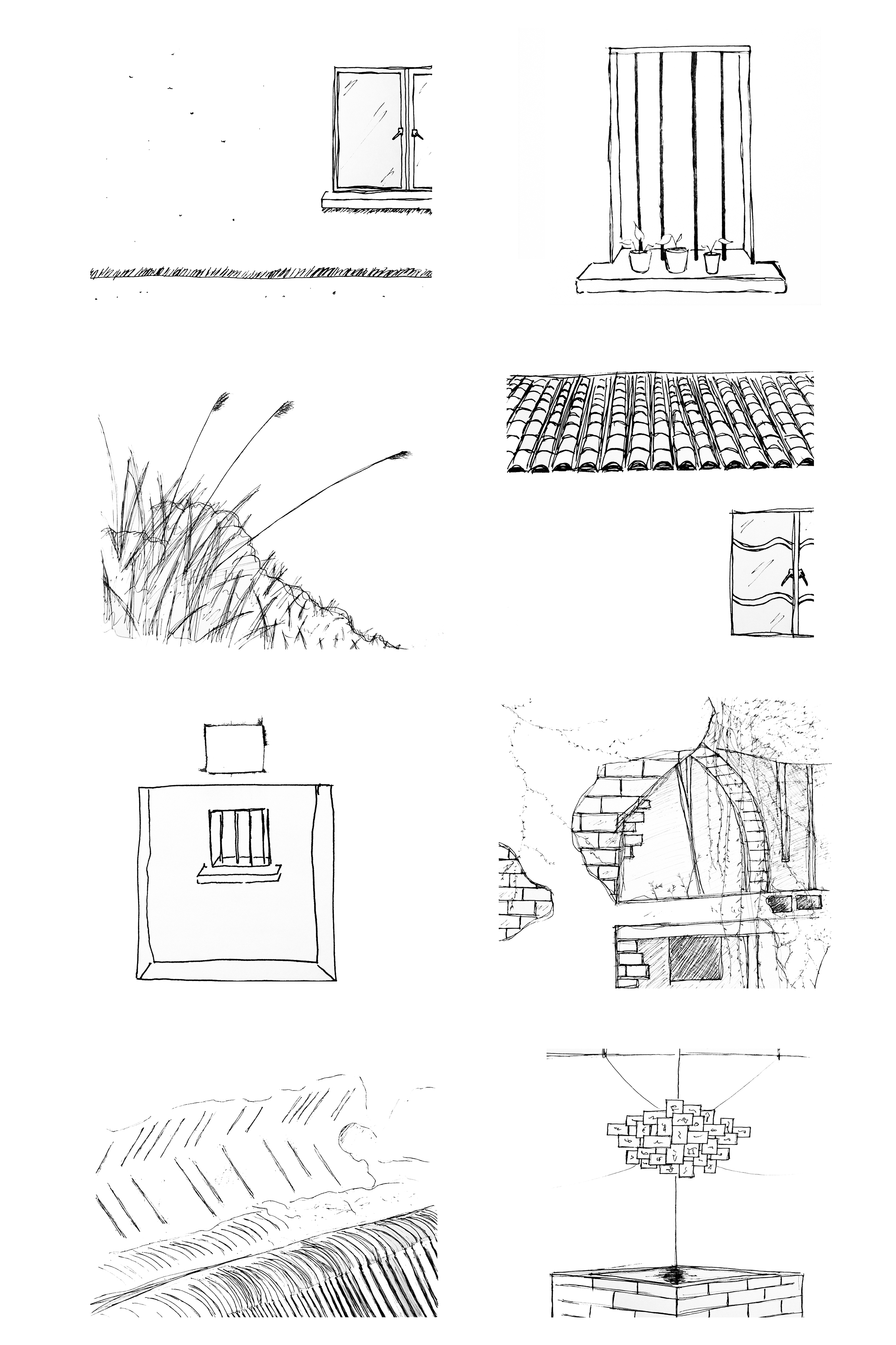
“The Capture” is so named as we aim to make use of the art piece to “capture” trivial everyday life of the rural village. To construct the art piece, existing materials in a rundown house were used. A wooden column has been erected over a base made of roof tiles. Eight mirrors have been installed on the column at various angles so that people can observe the images reflected on the mirrors from different fields of view. With the principles of reflection, each mirror plays the role of storyteller. One of the illustrations is that the mirror directed towards the photos of the village reflects the image of the bygone days of the village. The meaning behind this art piece is to provide a chance for us to reflect upon ourselves. Physically, we can see our reflected images in the mirror. Philosophically, we attempt to use the mirrors to inspire people to think about their attitude towards life through reflection.

