Connectivity and Building Infill between Urban Framing
|
Rethinking experiences in a building as snapshots taken as life evidence Connectivity and Building Infill between Urban Framing Description Mobile devices have become overly important for everyone’s life in a city because those devices store thousands of photos inside documenting one’s daily life. Regardless of the number of photos a building/space being captured in photographs in one single day, the viewing/framing for the photos are incredibly similar. This is the way collective memory is built and recorded as an urban life within a city. With the change in ways people perceive, experience and remember a space, the spatial creation of nodes (where people take photographs at) and the forgotten spaces (circulation and connection spaces usually) may have taken another form and arrangement. The way people establishing their memory within/upon a city as the driving force of spatial design. The way a person perceive a space has changed as one spend more time on taking selfie within a space or with a piece of architecture exceeded the time being spent on navigating and exploring a space and atmosphere using their eyes, nose and skin. A space is being understood and shared in form of photographs which has not been thought of during the design stage of a building, landscape or interior. In order to search for a more comprehensive spatial design method, photography is being introduced as a new design parameter. What should be photo and what are merely links exist and experienced in reality will be looked into.
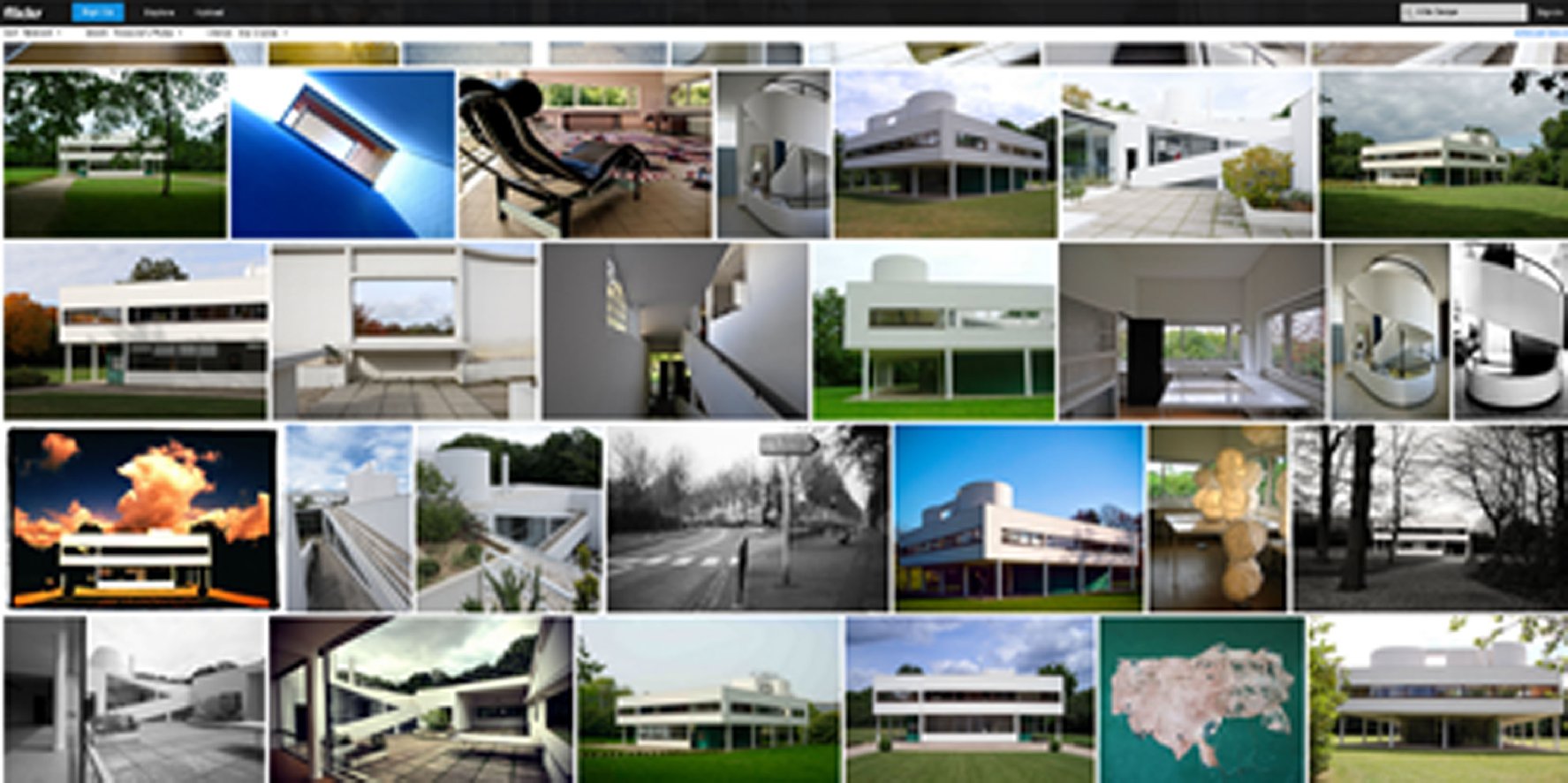
Thesis Statement Nowadays, one criterion to evaluate the successfulness of an art piece, installation, exhibition, event or building is through looking into the number of hatch tag (#) it is able to acquire. Attracting people to take photos of/with is crucial as it is being seen as a way to digitalize and document our experience and memory. Looking into iconic or monumental architecture around the world comparing photos taken by photographers in publications by the architects or the architectural firms and photos taken by users, tourists or visitors around or inside the building envelop, we can see that the way an architect perceive their designs and the way a “layman” perceive a building is sometimes the same and sometimes different. Buildings and spatial experiences are being framed in a particular distance and angle to constitute part of a city’s memory. “What is written about a person or an event is frankly an interpretation, as are handmade vista statements, like paintings and drawings. Photographed images do not seem to be statements about the world so much as pieces of it, miniatures of reality that anyone can make or acquire.” – Susan Sontag, “On Photography” Architecture itself being a piece of history is designed as a complex outcome due to tonnes of design considerations, for example functionality, accessibility, connectivity, branding, site constraints and etc. The interrelation between different design components is way too complex to be documented through lenses sometimes. Methodology By studying iconic renowned architecture in the world, comparing photos uploaded to different social media taken by normal people and discrepancy with the architects’ perception, analysing viewing angle, perspectives, distance, lighting and etc. generates spatial design that can be captured and become memory of the city. Connectivity is being re-examined to be part of the memory or just an intending “missing link” in memory of the city for composing the sequence of nodes with functions and potential where “editorial” photos can be taken. Digital/mathematical method of analysing views, frames and connectivity will be adapted. With the aid of computer and physical models, drawings and photographs, I am designing for spaces, geometry or form within which are pleasant through lenses and human sensation alike.
Annotated Bibliography These books and journals help understanding the position of photography in the modern days as a kind of memory.
Photography and modern architecture has been explored in these books, thus, I can learn from them to see the real application of it with the trend that everyone is documenting their life and seeing themselves as a photographer.
|