Photography defining Urban Connectivity and Dis-connectivity
|
People understand our city through the lenses of their camera phones. The relationship of photograph-taking and the city has become an event itself rather than capturing an event. The way people perceive our city has changed as photographic devices has mutated from an invention out of necessity to an essential part of an urban life. What kind of spatial quality and experience should architects design with this new social behaviour and nature of photography? WHAT? 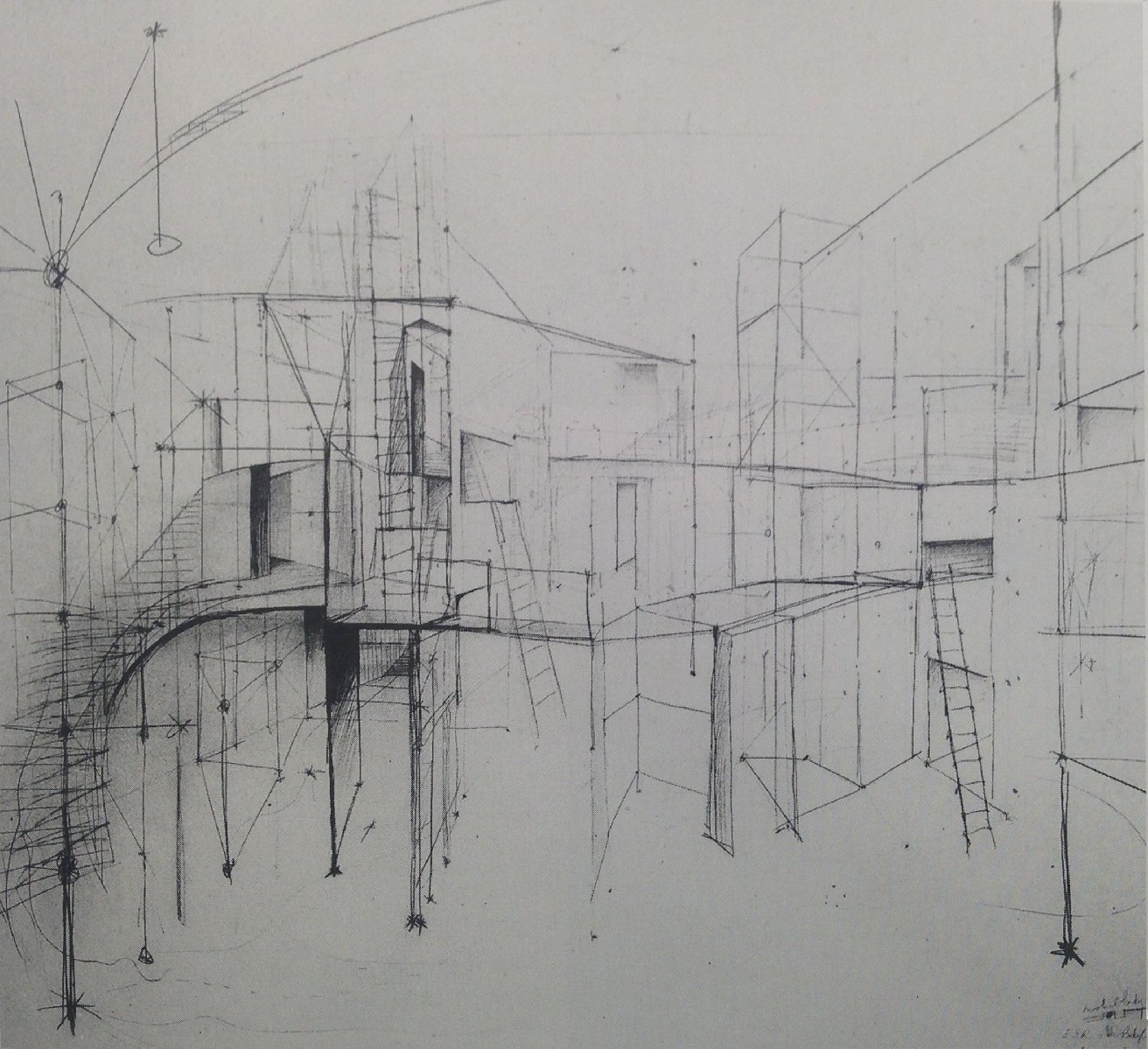 Mobile labyrinth E.S.R. New Babylon, 1995-1996 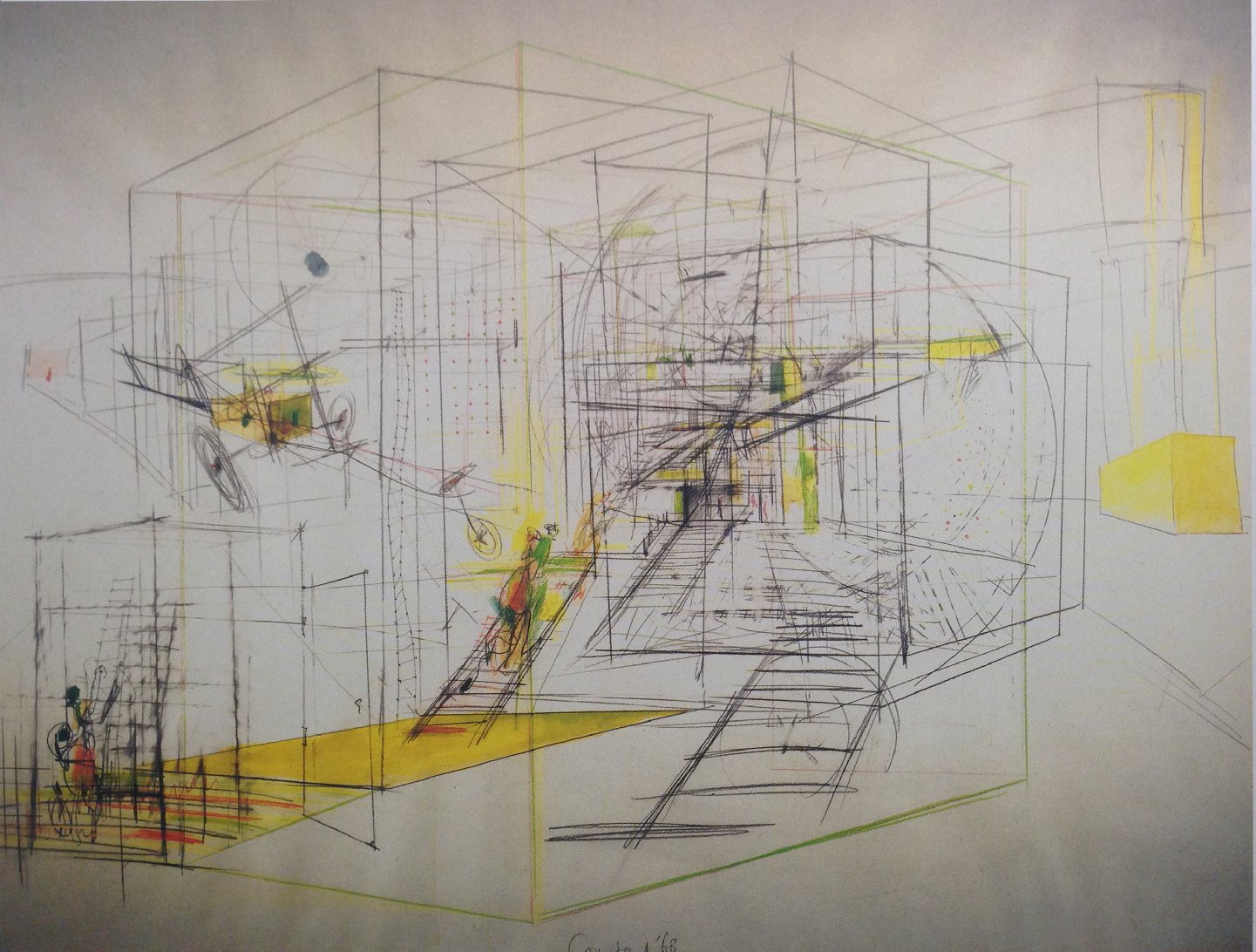 Sketch for a mobile labyrinth, 1968 Looking into iconic architecture comparing photos taken by architectural photographers in publications by the architects versus photos taken by layman is the first step to understand people’s perception, i.e. disconnecting different components. Architecture itself being a piece of history is captured in photographs to become miniatures of reality. In people’s memory, experience of space has been split into sentimental reality (captured) and imaginary past. WHY?  Instagram photot by Dan Cole, a Seattle-area photographer who is using his iPhone to take architectural photographs 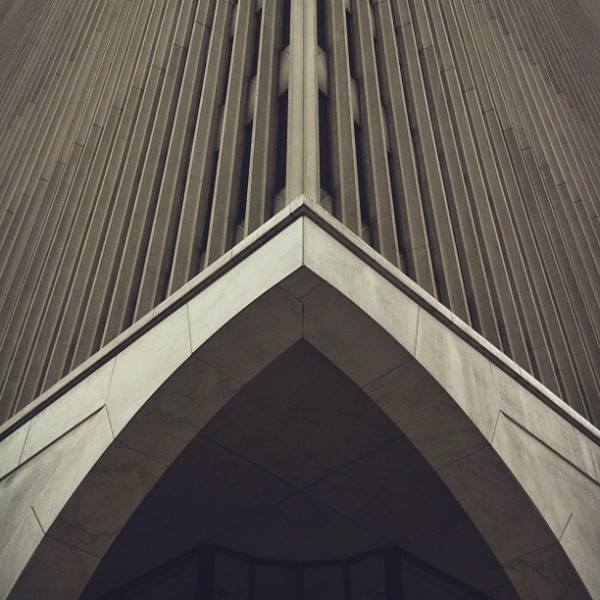 Instagram photot by Dan Cole, a Seattle-area photographer who is using his iPhone to take architectural photographs  Instagram photot by Dan Cole, a Seattle-area photographer who is using his iPhone to take architectural photographs The primary objective of this thesis is to experiment a design method adding contemporary photography a design parameter. What should be captured and what are missing links exist and experienced only in reality will be looked into. “What is written about a person or an event is frankly an interpretation, as are handmade vista statements, like paintings and drawings. Photographed images do not seem to be statements about the world so much as pieces of it, miniatures of reality that anyone can make or acquire.” – Susan Sontag, “On Photography” Before photography, architecture is being represented as images in form of paintings which is comparatively more subjective. Since the invention of photography in the late 1830s, architecture has been one of the main subjects being captured. It has also become a popular medium for architectural representation as it captures larger possible number of subjects. Technological advancement and improvement in global economy has changed the role of photography from merely the provision of evidence of an event/programme to a new way of participation. Mobile devices have become overly important for everyone’s life in a city. Architecture is being understood and shared in form of photographs. HOW? 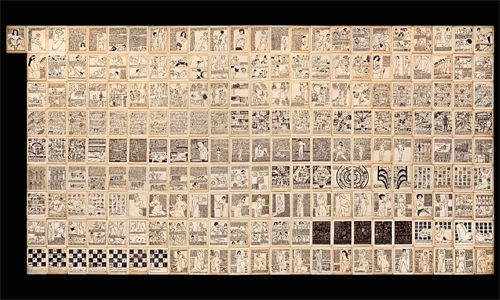 Isidore Isou : hypergraphie polylogue, 1964-1988 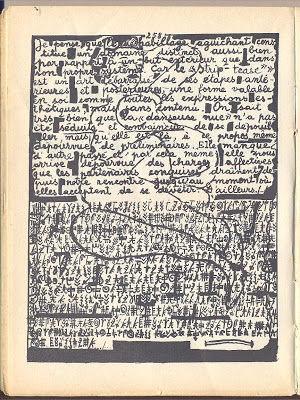 Isidore Isou : hypergraphie polylogue, 1964-1988 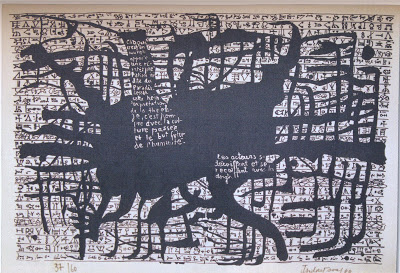 Isidore Isou : hypergraphie polylogue, 1964-1988 By studying iconic renowned architecture in the world, comparing photos uploaded to different social media taken by normal people and discrepancy with the architects’ perception, analysing viewing angle, perspectives, distance, lighting and etc. generates spatial design that can be captured and become memory of the city. Connectivity is being re-examined to be part of the memory or just an intending “missing link” in memory of the city for composing the sequence of nodes with functions and potential where “editorial” photos can be taken. Digital/mathematical method of analysing views, frames and connectivity will be adapted. With the aid of computer and physical models, drawings and photographs, I am designing a prototype replacing an existing building and incorporating with the study of photography. |