Decay, Erasure and Rebirth
|
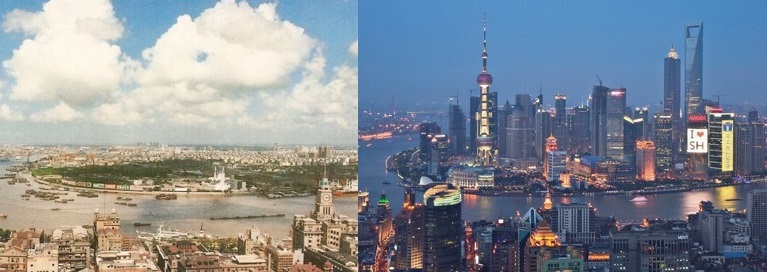
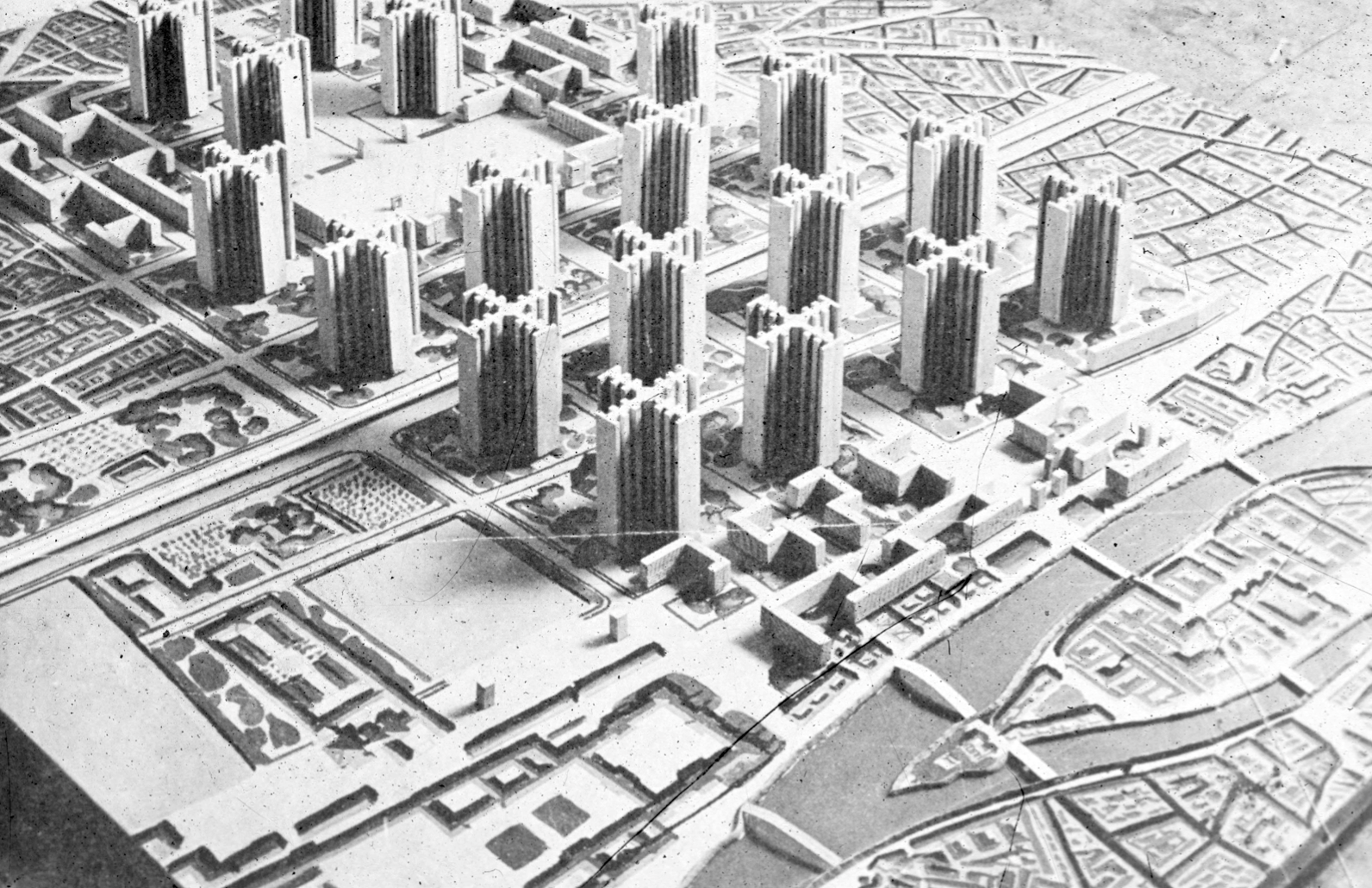
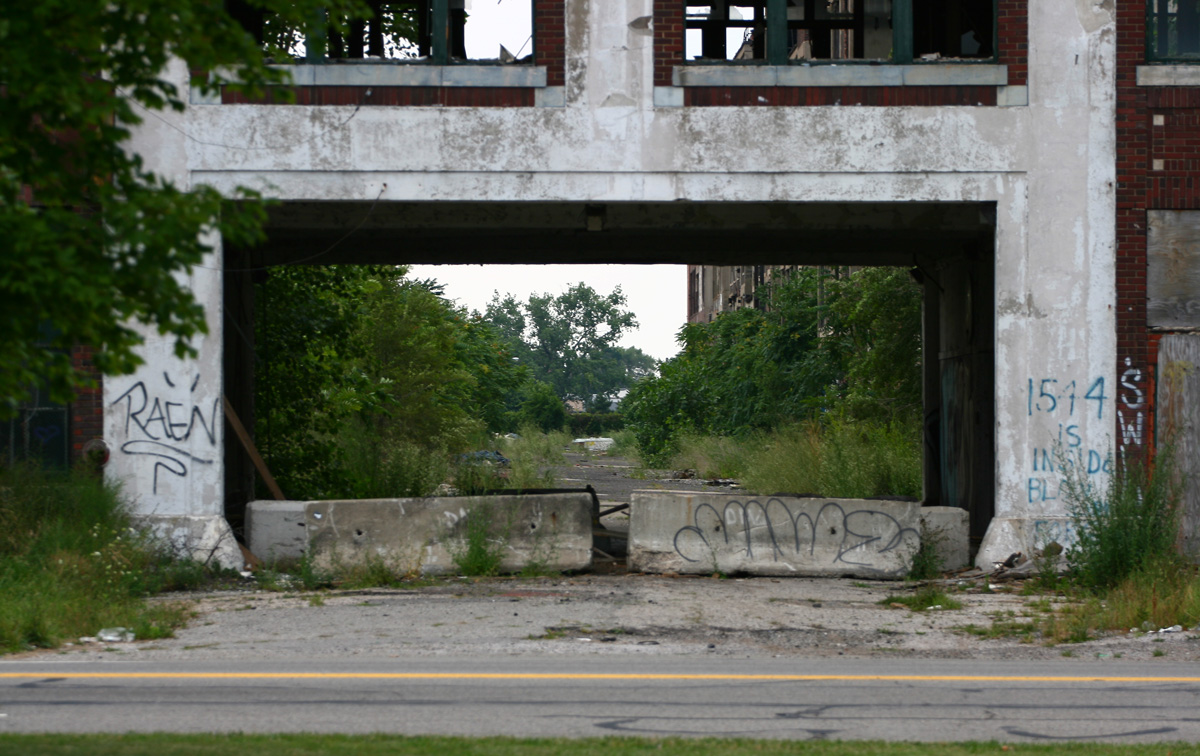
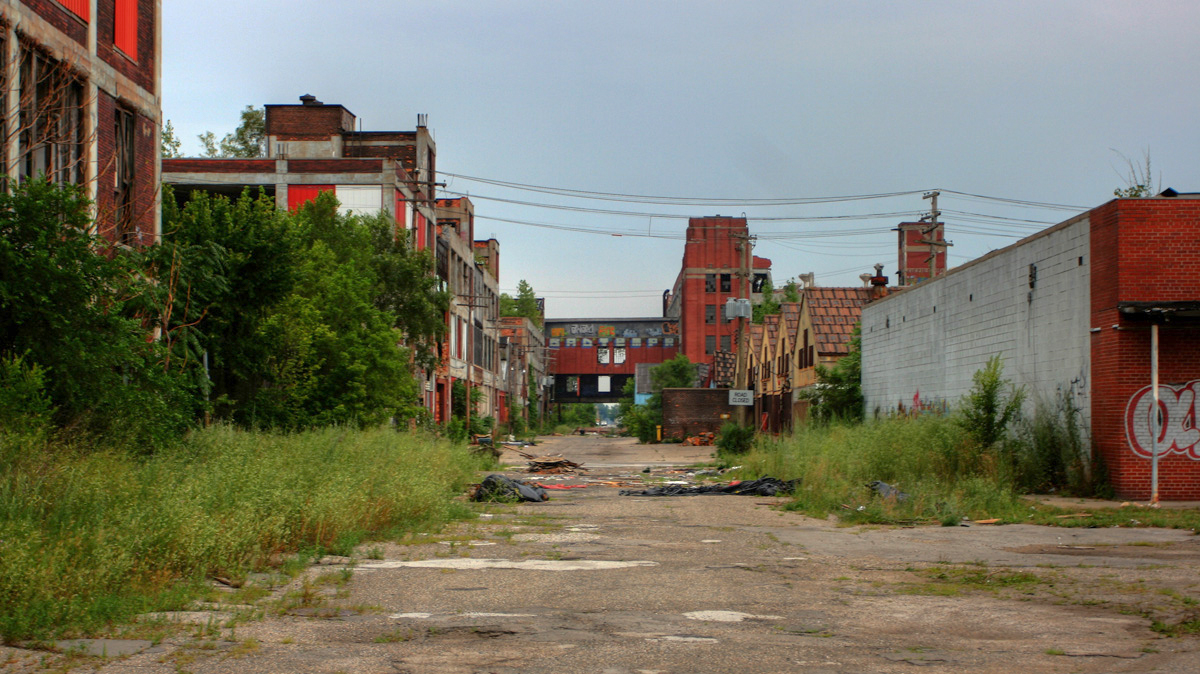
WHY? We are in an era of instant city and rapid urbanization. With diverse actors rigorously participating in the urban formation process, there is an inevitable temporality of contemporary urbanism despite the desire for permanence.1 Habitats emerge, grow and prosper before reaching their peaks and become cities. They are then challenged by environmental hazards, scarcity of resources, overpopulation, change of economy regime, become dysfunctional and obsolete before suffering from various degrees of urban decay.2 The Modernist’s answer to development or habitat improvement involves obliterating a decaying city that is deemed inadequate for new functions, with a radically incompatible scheme. In contrast to such notion of tabula rasa, Metabolist’s perspective on erasure, adaptability and growth was born out of the fragility of urbanity such as natural disasters and war.3 The centuries-old tradition of the Ise Shrine reconstruction4, where temporality is a device for instilling cultural continuity, resonates with the Japanese’ “awareness of the transient beauty of nature”.5,6 Cities and buildings are like containers. They function as medium at different scales to allow multiple actors to negotiate and interact. Contemporary discourse on endurance versus impermanence, planning versus emergence and change versus continuity has brought up discussions regarding the roles of erasure, editing, replacement and construct in the process of development and regeneration. The thesis aims at understanding the implications and mechanism of such interplay and what kind of mentality and strategy should be adopted in today’s frenetic design culture of urban development and re-generation. WHAT? Cities such as Detroit, Humberstone in Chile and the world heritage site of Timbuktu of Mali all had splendid history but are short of revitalising solutions after years of decline. These cities are still under the process of de-habitation due to inability and various difficulties in revitalization and developing resilience. If a comprehensive change is unattainable despite continuous effort, maybe it is sensible to search for alternative solutions in view of impact minimization and preparing for future re-habitation. Ohno Hidetoshi’s proposal of “Tokyo 2050: Fibercity” is based on the imminent threat of urban shrinkage due to aging, population decrease and unavoidable natural disasters in Japanese context.7 However, urban re-generation proposals as such focus predominantly on a static condition that will only happen in a distant future. The volatile nature of cities might render such prescriptive re-generation process obsolete mid-way through, hence calling for an alternative transformation, falling into constant modification of revitalisation plans instead of the city itself. The project will be located in places that have decayed, are in decline or predicted to suffer from downturn soon. It would be a medium that evaluates and reacts to urgencies and suitability of the place’s re-generation process through simulating and visualizing the phenomena of growth, decline, erasure and rebirth of a city or structure. In other words, it is not a proposal that celebrates static utopian vision but would interrogate the potential brought by material and functional decay, retract, erasure, emptiness8 and how a habitat can react through acceptance, mediation, intervention, adaptation, emergence9 and transformation to achieve longevity and excellence. HOW? Great cities such as New York, Beijing, Berlin, Rome and Tokyo have all overcame various challenges and phases of decline. Some were more heavily affected by economical setback; some bore more scars of physical destruction caused by war or natural disasters; some were more challenged by scarcity of natural resources. However they have all recovered and fared well over a longer timeline and have become first-tier cities home to over half of global population. Depending on various contextual aspects such as history, culture, economy, infrastructure, population, environment, etc. the project should be divided into recurring phases of evaluation and execution. It takes shape as an interactive model able to process data and information as follow: 1) Evaluating the conditions of chosen site (a city, a structure, or a space of smaller scale): reason, potential hazards, extent of decay and whether a re-generation process is immediately suitable; 2) If further decay is expected and unavoidable, project possible scenarios based on knowledge and data obtained from (1), identify ways to minimize impact and prepare the site for future re-settling; 3) If immediate re-generation is attainable, identify the scale, time and extent of measures required; 4) Map and operate the measures identified in (2) and (3) through a time-line to identify possible scenarios, critical moments and further measures required; 5) Compare the outcome against initial condition of site to evaluate the proposals of (2) and (3), verifying their viability and search for better options if needed. Bibliography 1. Tom Verebes, ed., Masterplanning the Adaptive City: Computational Urbanism in the Twenty-First Century. (New York: Routledge, 2014), 235 2. “Urban Decay”, Wikipedia, last modified 23 September 2014, http://en.wikipedia.org/wiki/Urban_decay 3. Verebes, T., ed., Masterplanning the Adaptive City, 55 4. Arata Isozaki, Japan-ness in Architecture, trans. Sabu Kohso (Cambridge: MIT Press, 2006), 145 5. Verebes, T., ed., Masterplanning the Adaptive City, 55 6. Blain Brownell, , ed., Matter in the Floating World: Conversations with Leading Japanese Architects and Designers. (New York: Princeton Architectural Press, 2011), 13 7. Ohno Hidetoshi, “Fibercity/Tokyo2050”, The Japan Architect 63, (2006) 8. Kenya Hara, Shiro [White], trans Jooyeon Rhee (Tokyo: Chuokoron-Shinsha, 2008), 45 9. Brownell, B., Matter in the Floating World, 201 |