|
ARTIFACT
Time-Based Urban Evolution Model for Erase, Substitute, Conserve, Alternate, Create
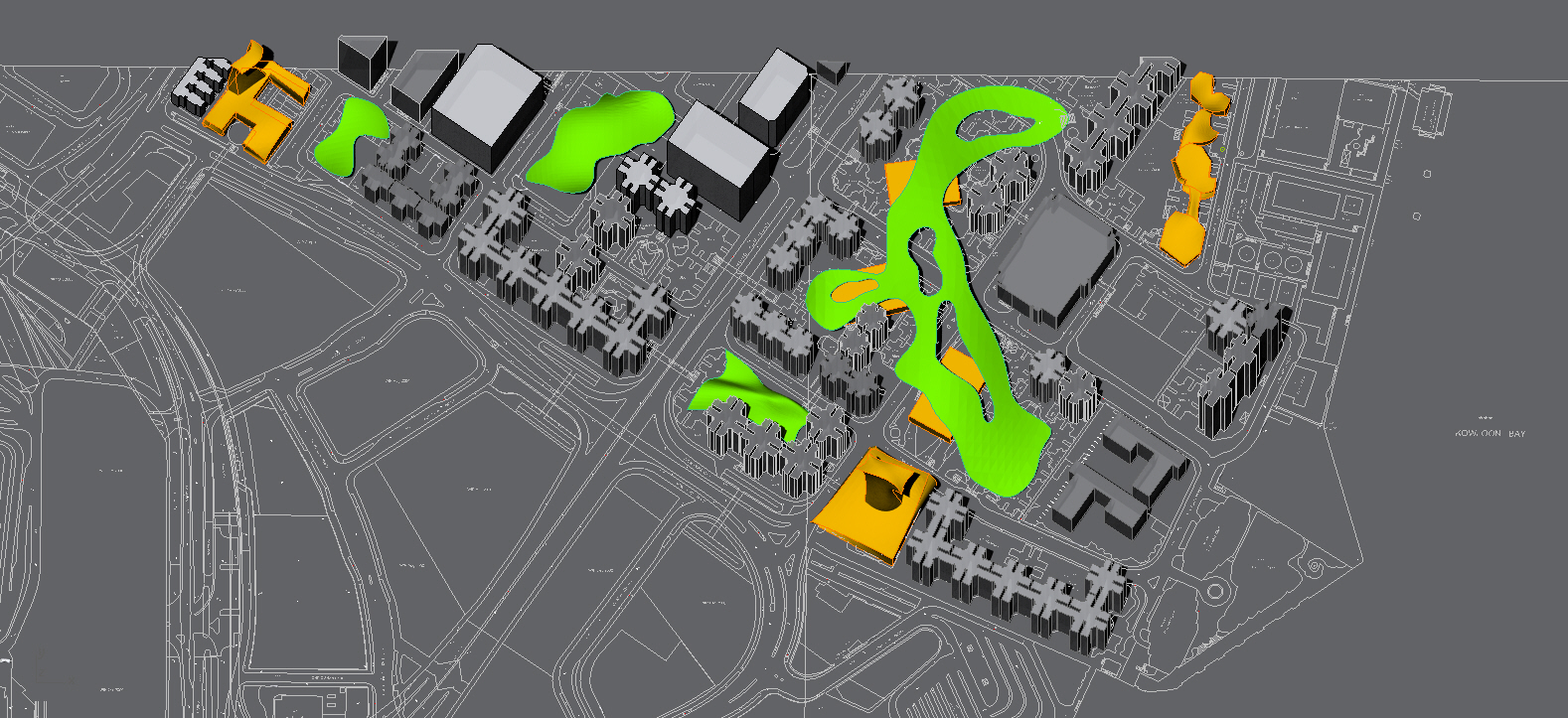
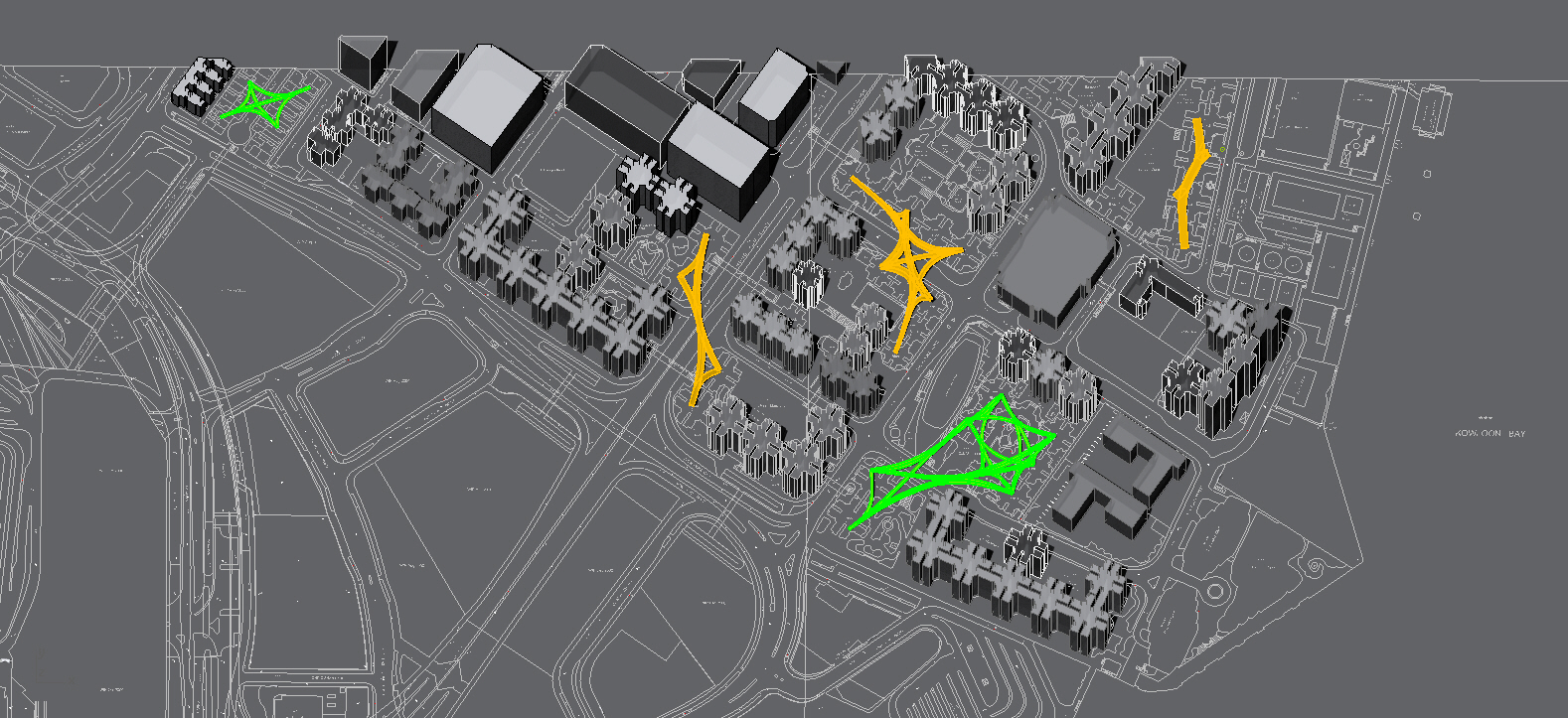
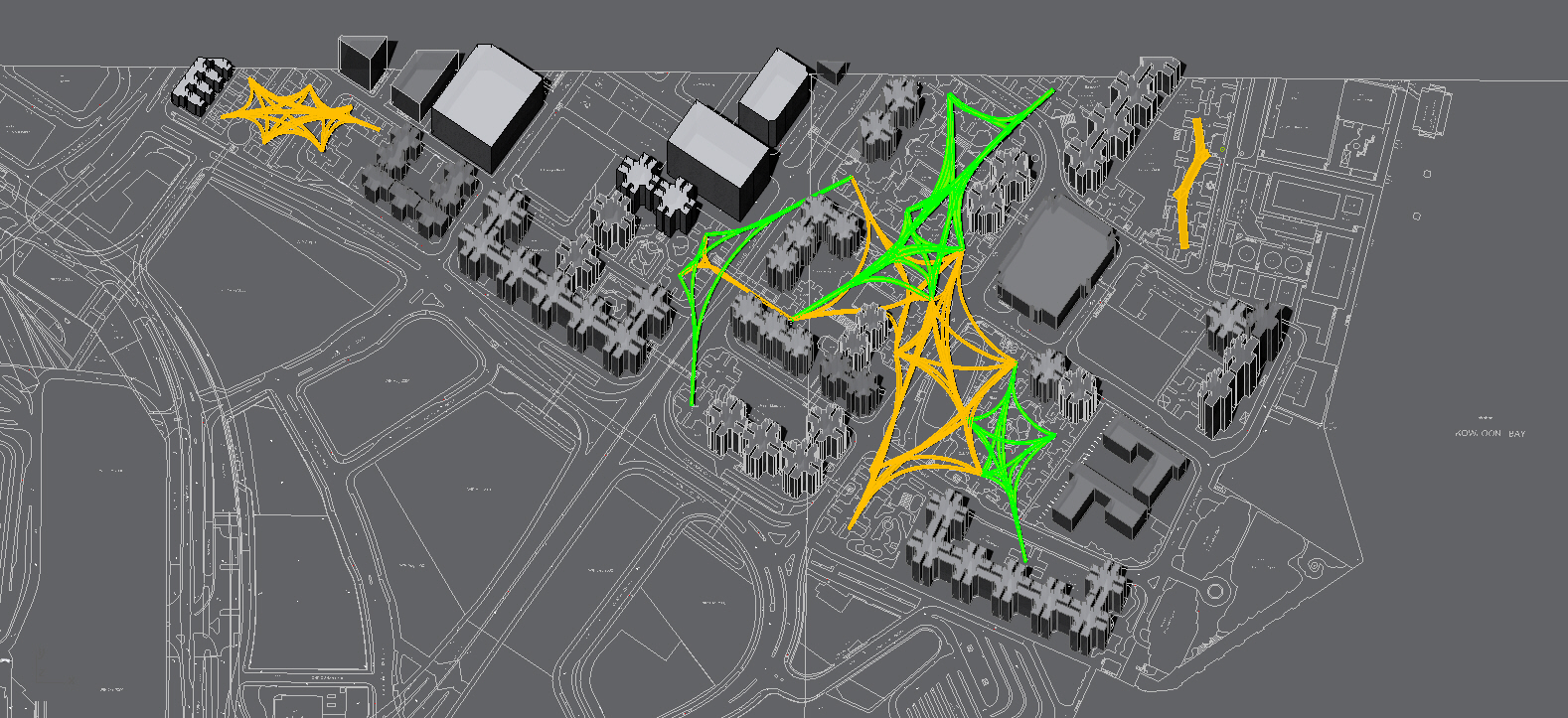
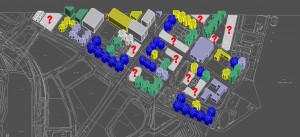
An interface to process data obtained through city surveys that will help project trajectories of current urban fabric over time. Acting as the digital media toolbox for developing and testing prototype models and strategies for urban organisation, it will also help visualize and contrast intervened scenarios against initial predictions.
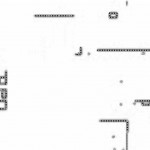 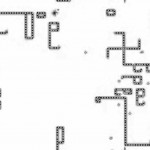
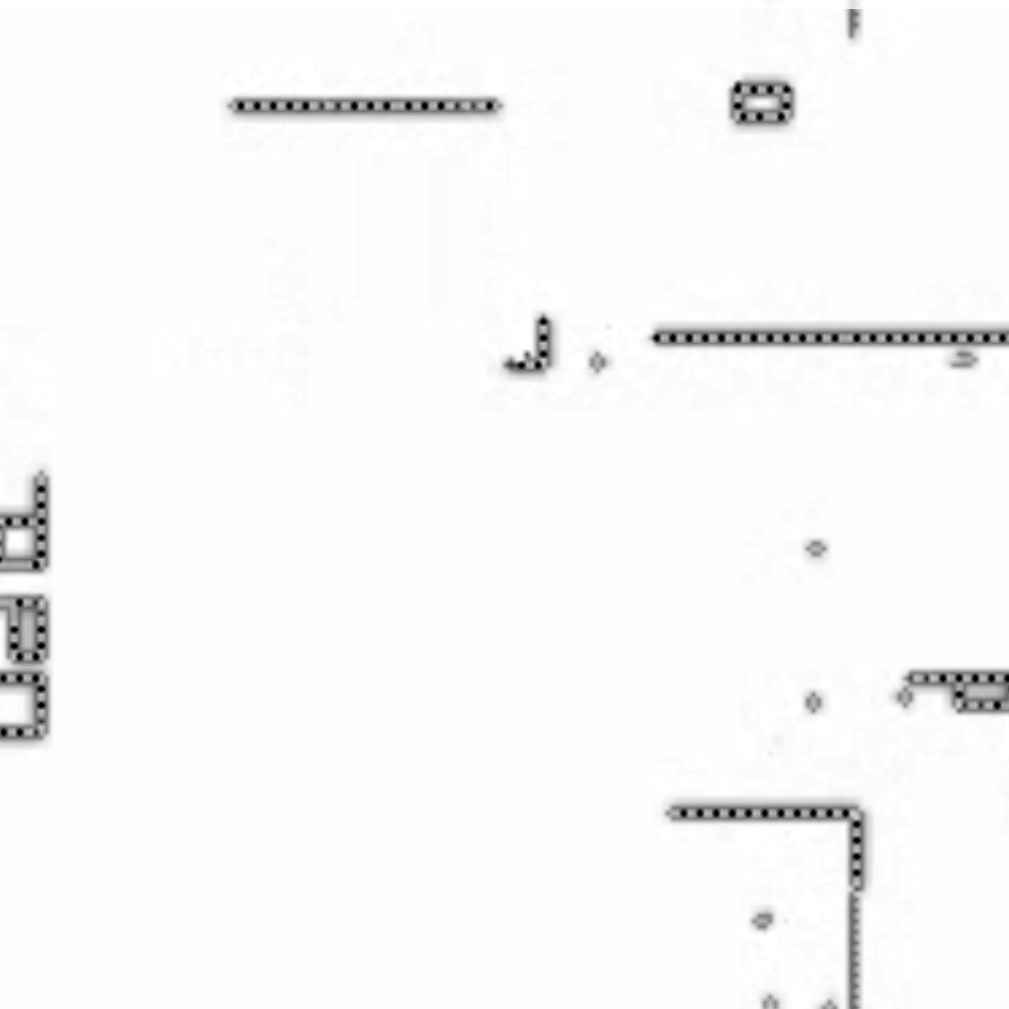
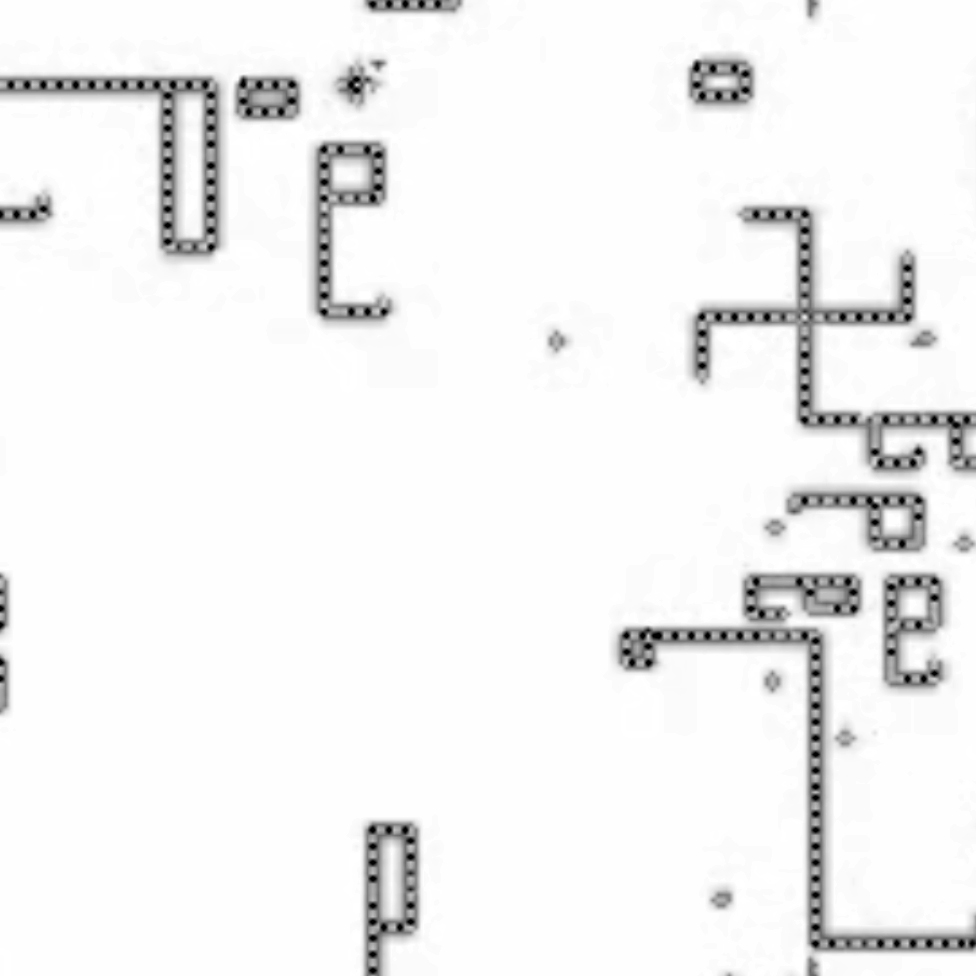
Fig.1 – Automated Cellular Model

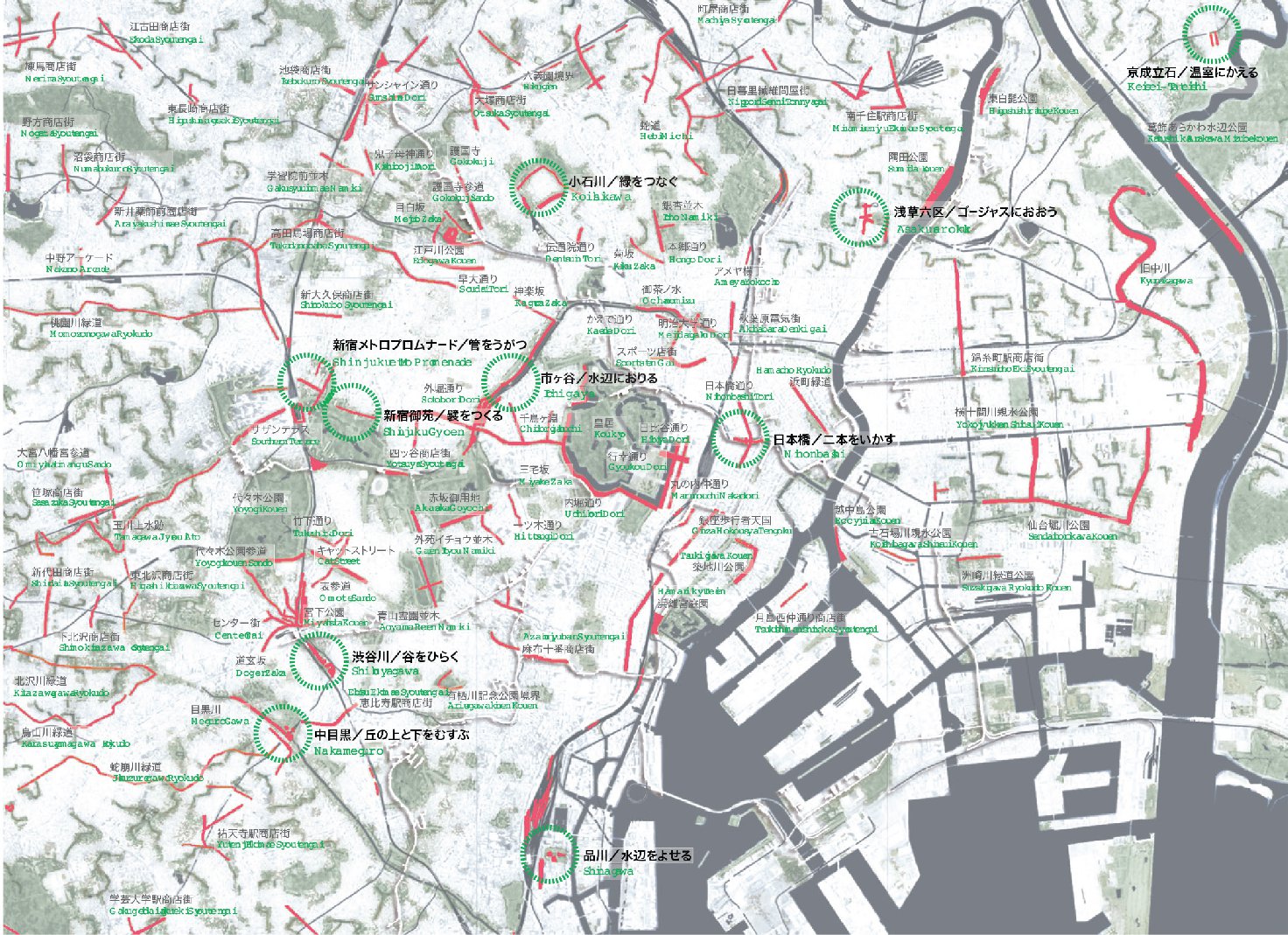
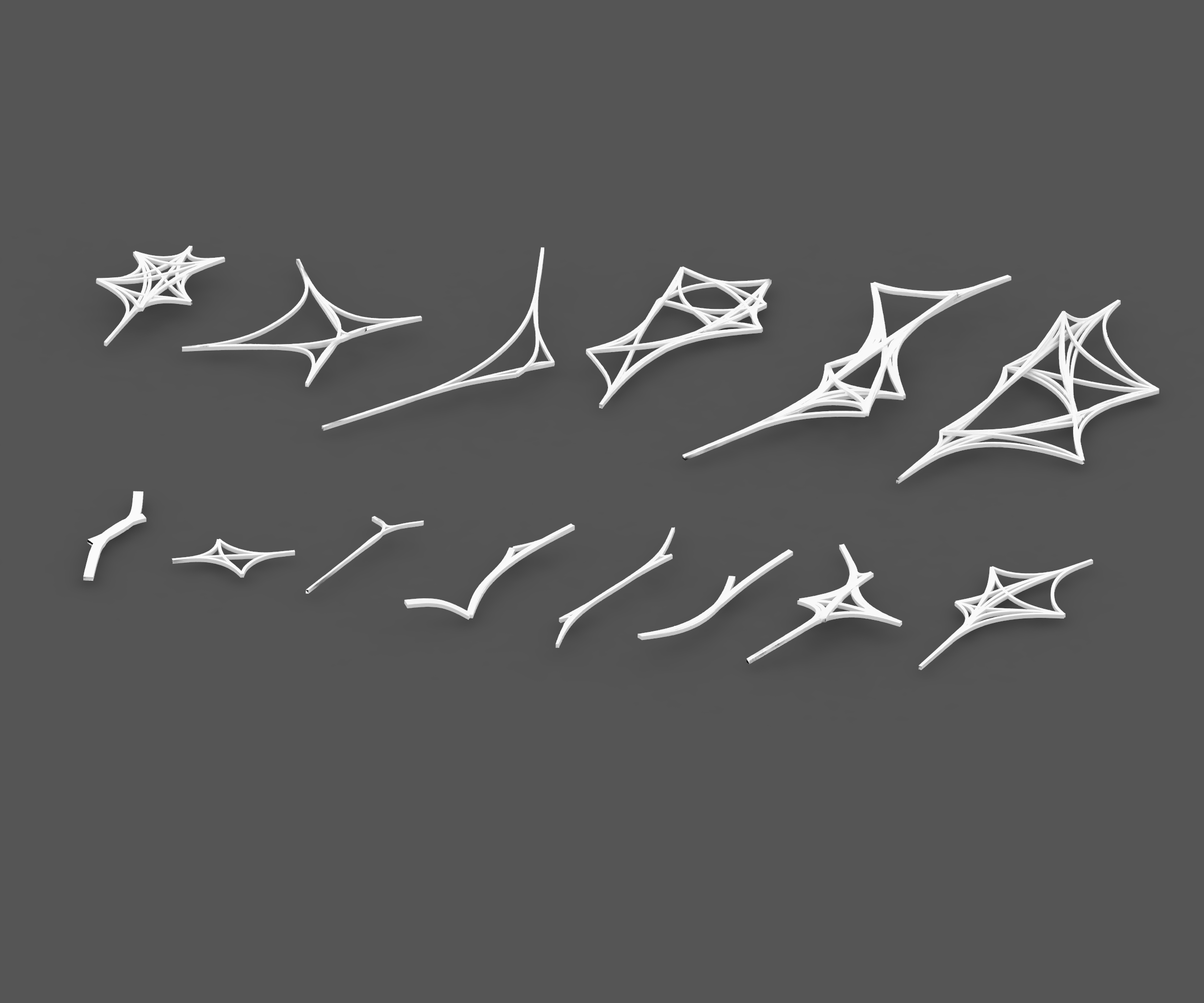
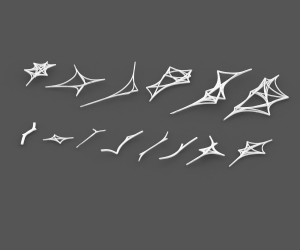
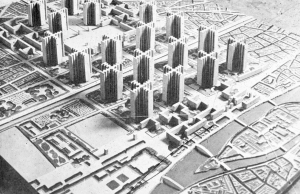
Fig.2 – Fiber City/Tokyo 2050, Ohno Hidetoshi
WHAT?
A Dynamic Mechanism for Shrinking Cities
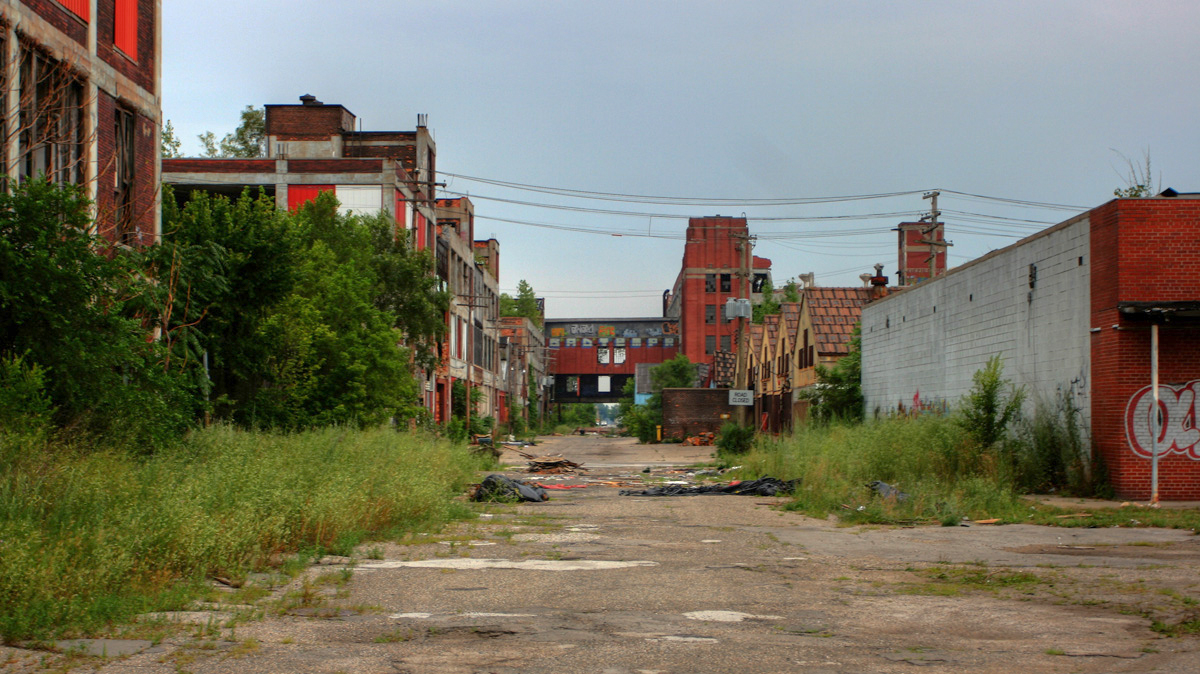
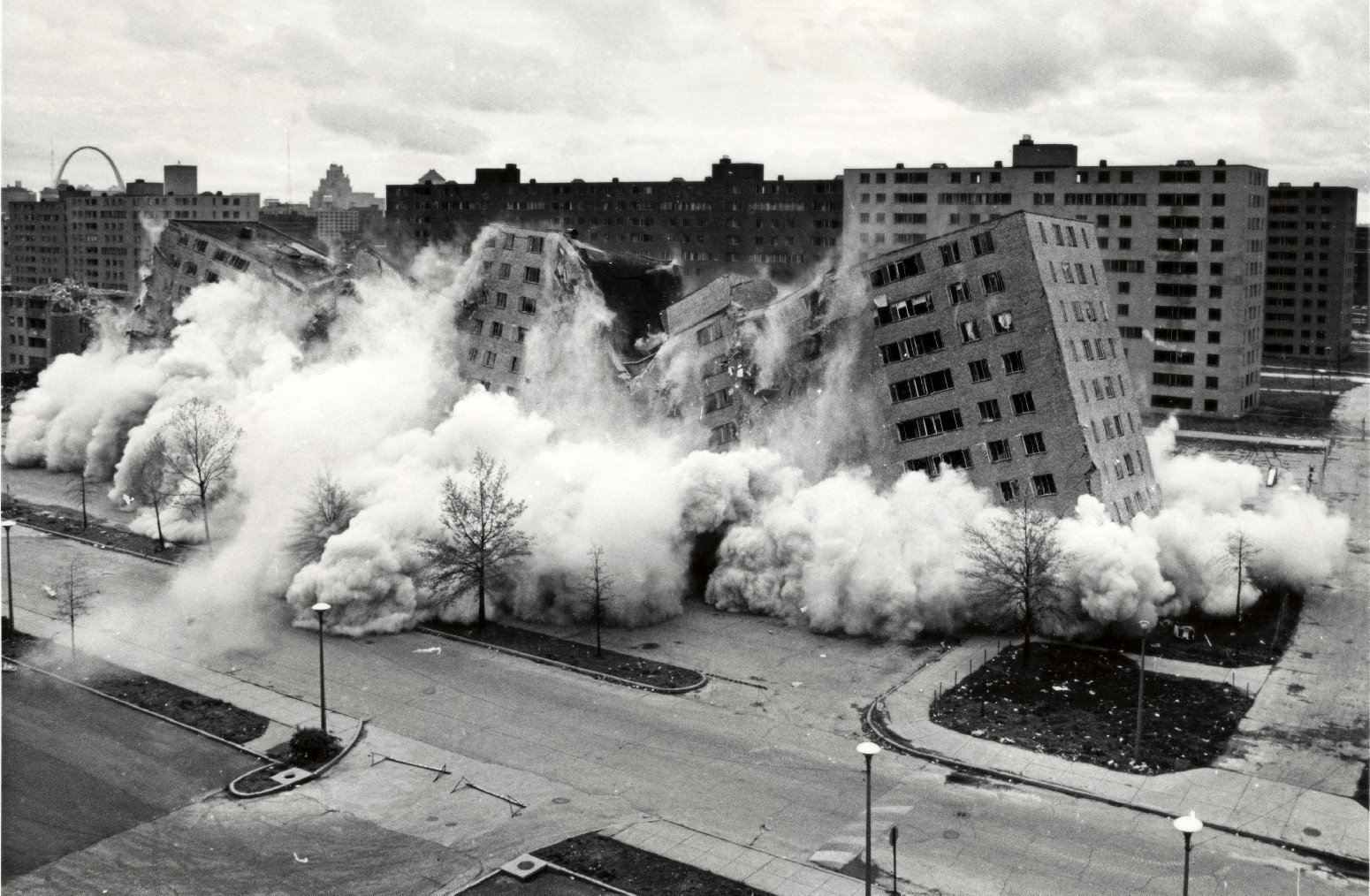
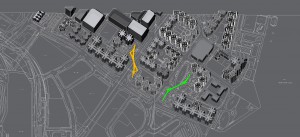
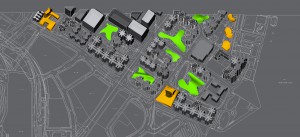
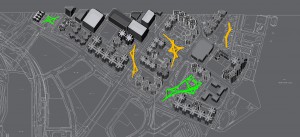
The project will be a time-based dynamic urban transformation for sites in Hong Kong or China that will face pressing demographic change. A series of surgical interventions will be made to counteract expected obsolescence and decay in the existing urban fabric. Repercussions in urban conditions will be projected as a series of scenarios along a time-line, demonstrating a flexible mechansim to negotiate with the constantly changing yet conflicting needs in cities from past, present to future. The precedent of cellular automation model (fig.1) has displayed an intelligence in simulating growth and erasure phenomena and the implications in dynamic organizational patterning. Ohno Hidetoshi’s proposal Fiber City/Tokyo 2050 (fig.2) has also envisioned urban planning strategies focused on editting, instead of erasing existing context to adapt to imminent change in demographic and economical conditions.
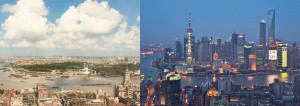
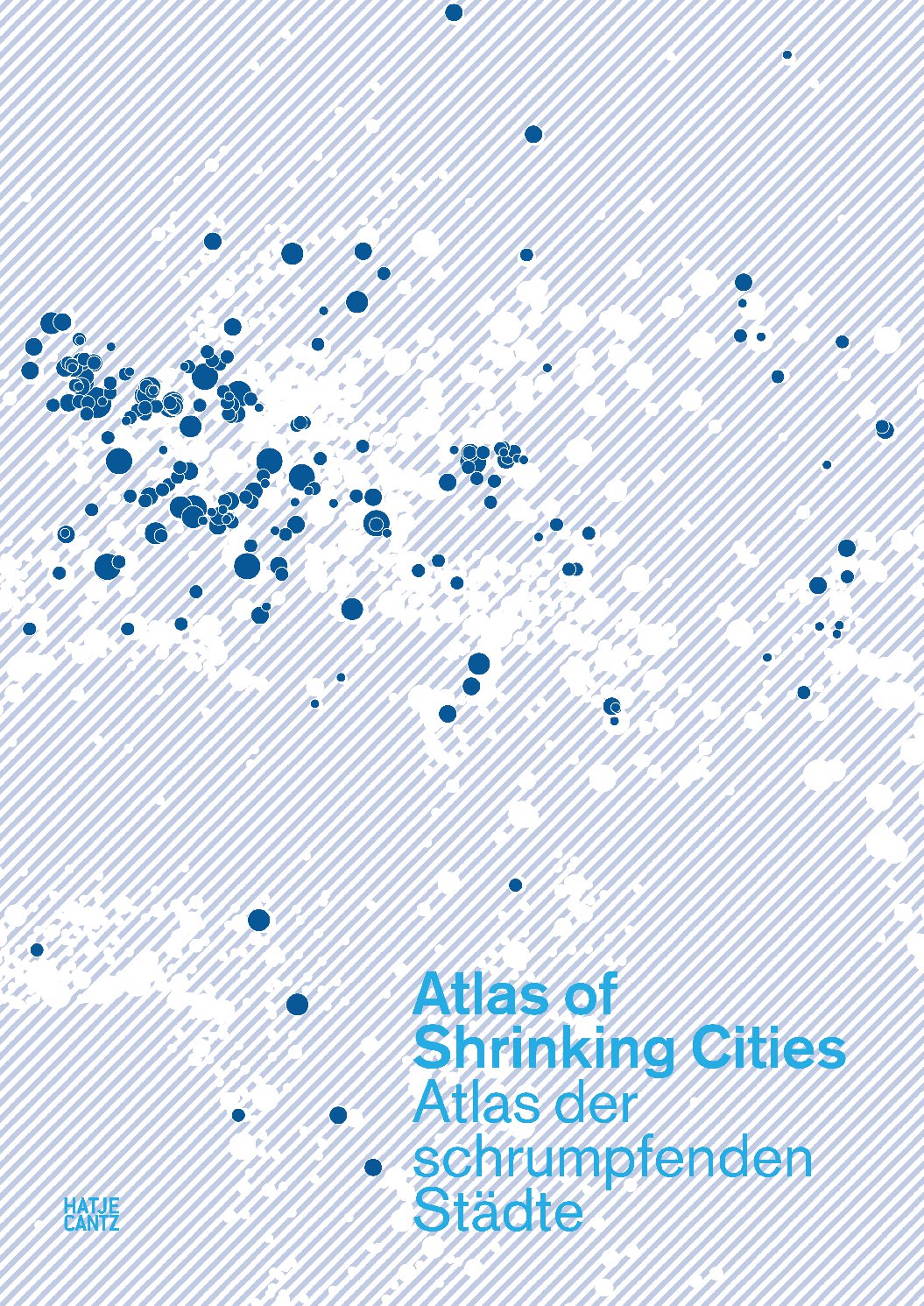
.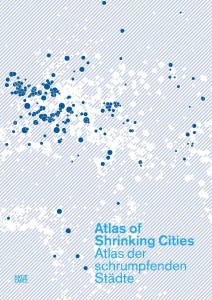 Philipp Oswalt, 2006, Atlas of Shrinking Cities, Ostfildern Philipp Oswalt, 2006, Atlas of Shrinking Cities, Ostfildern
WHY?
Rapid Growth vs. Decay & Erasure
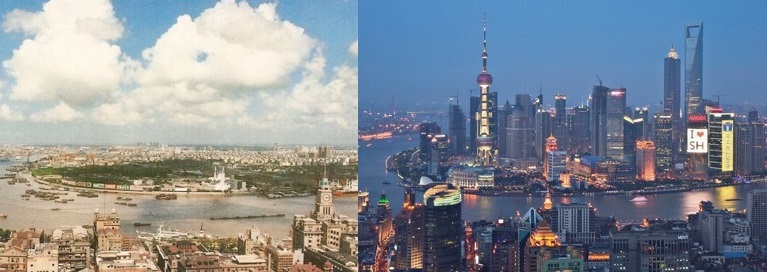
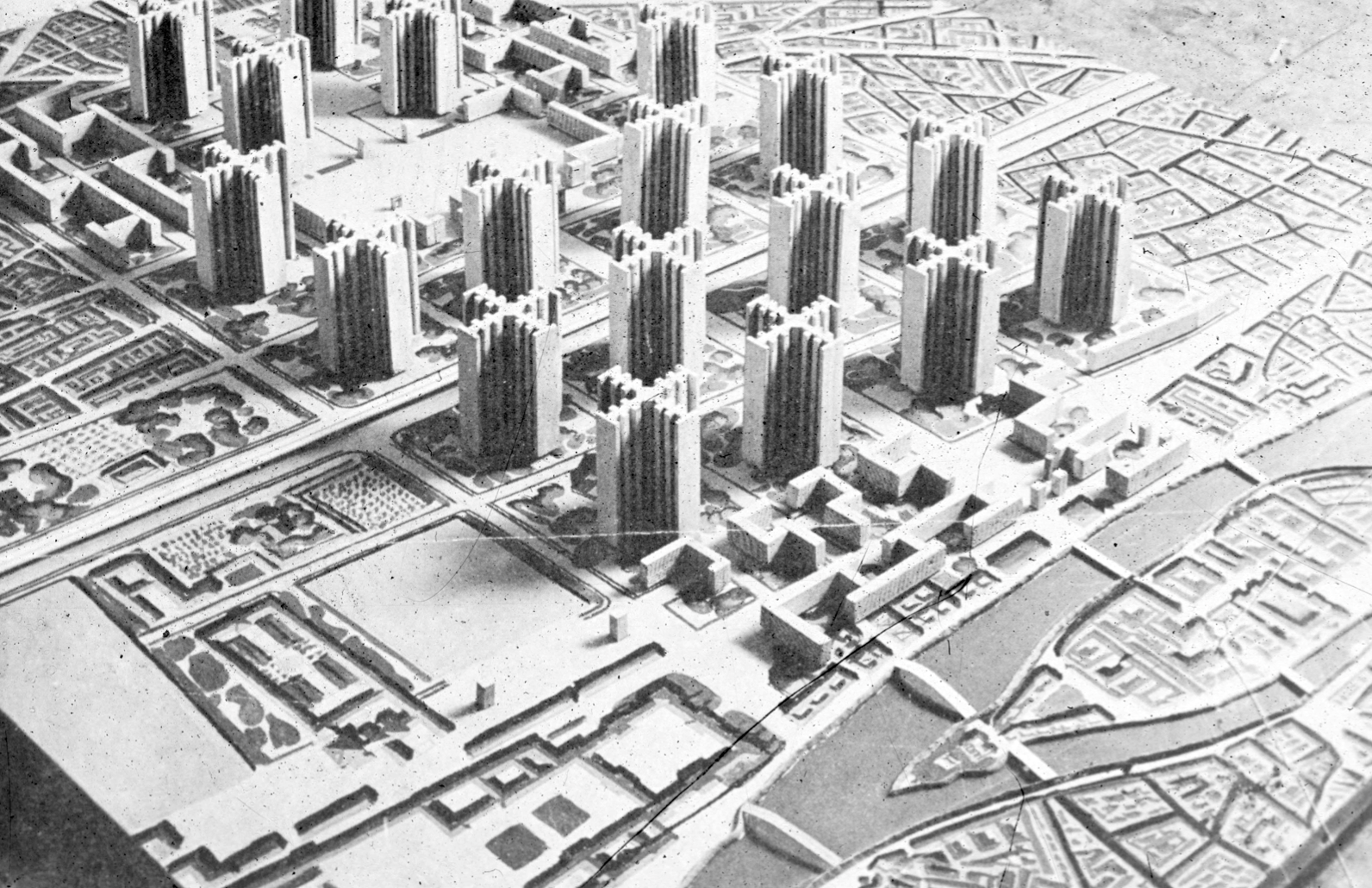
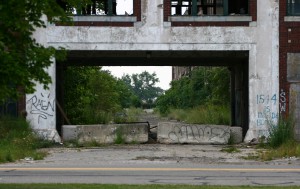
We are in an era of instant cities and rapid urbanization. According to UN, 75 percent of global population will live in cities by 2050. However, over 350 large cities have also suffered from shrinkage and decay in the past five decades. In today’s frenetic development culture, vast changes in economy, politics, geography and demography can easily render a city obsolete. Efficient transformation and adaptation is always required. Modernist’s tabula rasa approach has damaged historical continuity of places and critized for homogeneity it brings. Then, in an age of constant change, how should cities evolve with flexibility and adaptivity?
“In order to know and to treat the abnormal we must know something of the normal course of evolution” – Patrick Geddes
HOW?
Urban Surveys and Surgeries
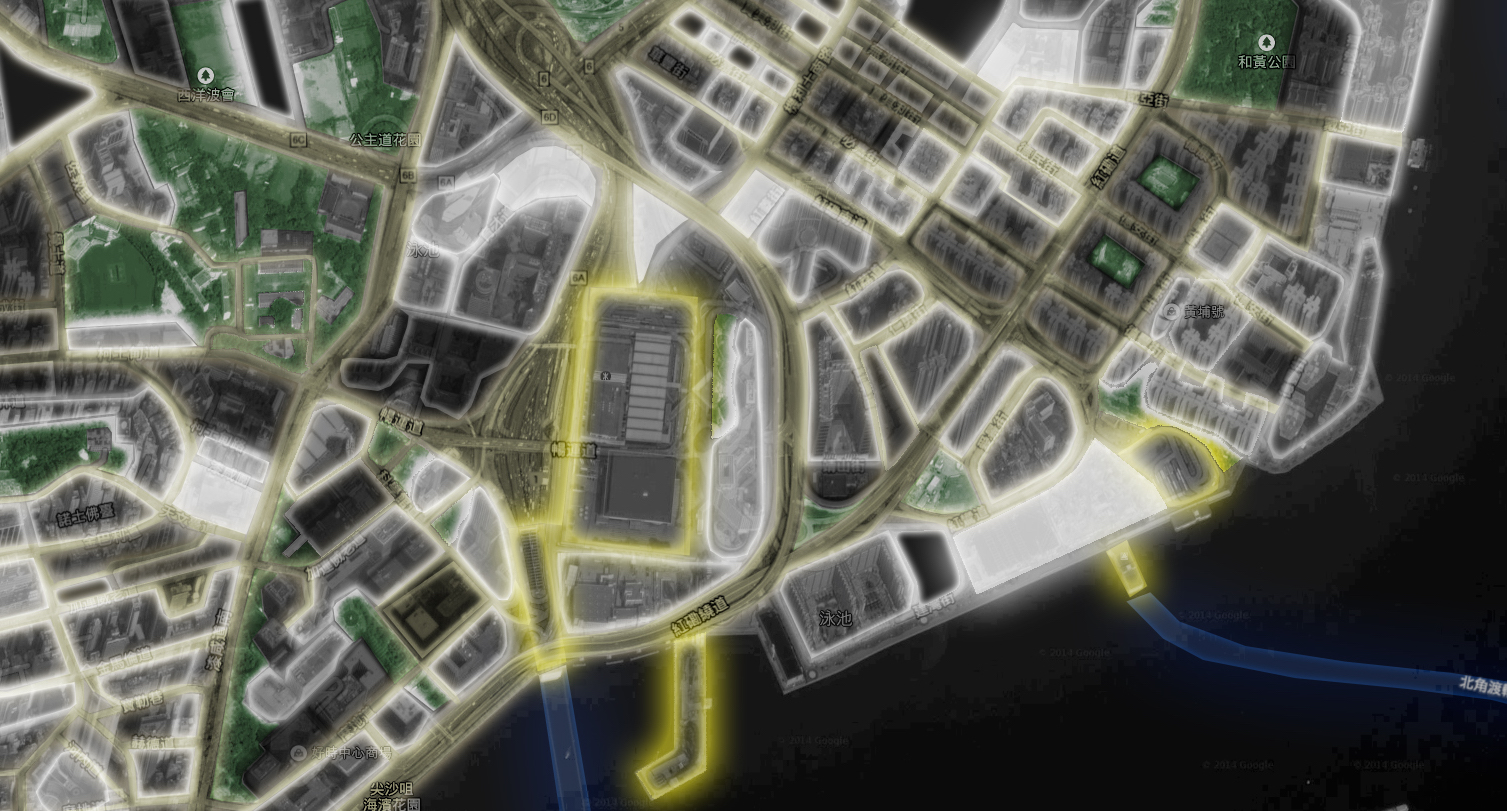
Various information and parameters such as building age, material, function, occupancy pattern, cultural importance, demography, etc. will be surveyed as a study of current site condition. Cross referencing precedent studies of other shrinking cities, projections will be made on current organization pattern to determine urgencies and needs for demolition, conservation, alternation and possible new constructs. Prototypes of organizational systems and massing arrangements will then be generated in view of the emergent needs to strategically intervene at critical time and place. These interventions will then grow and coexist with the existing structures for constant adaptation and evolution, thus reducing unnecessary erasure and construction in the future.
BIBLIOGRAPHY
1. Blain Brownwell, 2011, Matter in the Floating World, Princeton
2. Ohno Hidetoshi, 2006 “Fibercity/Tokyo2050”, The Japan Architect 63
3. Noah Hysler-Rubin, 2011, Patrick Geddes and Town Planning: A Critical View, Routledge
4. Tom Verebes, 2014, Masterplanning the Adaptive City, Routledge
5. Philipp Oswalt, 2006, Atlas of Shrinking Cities, Ostfildern
|