Media Forest
|
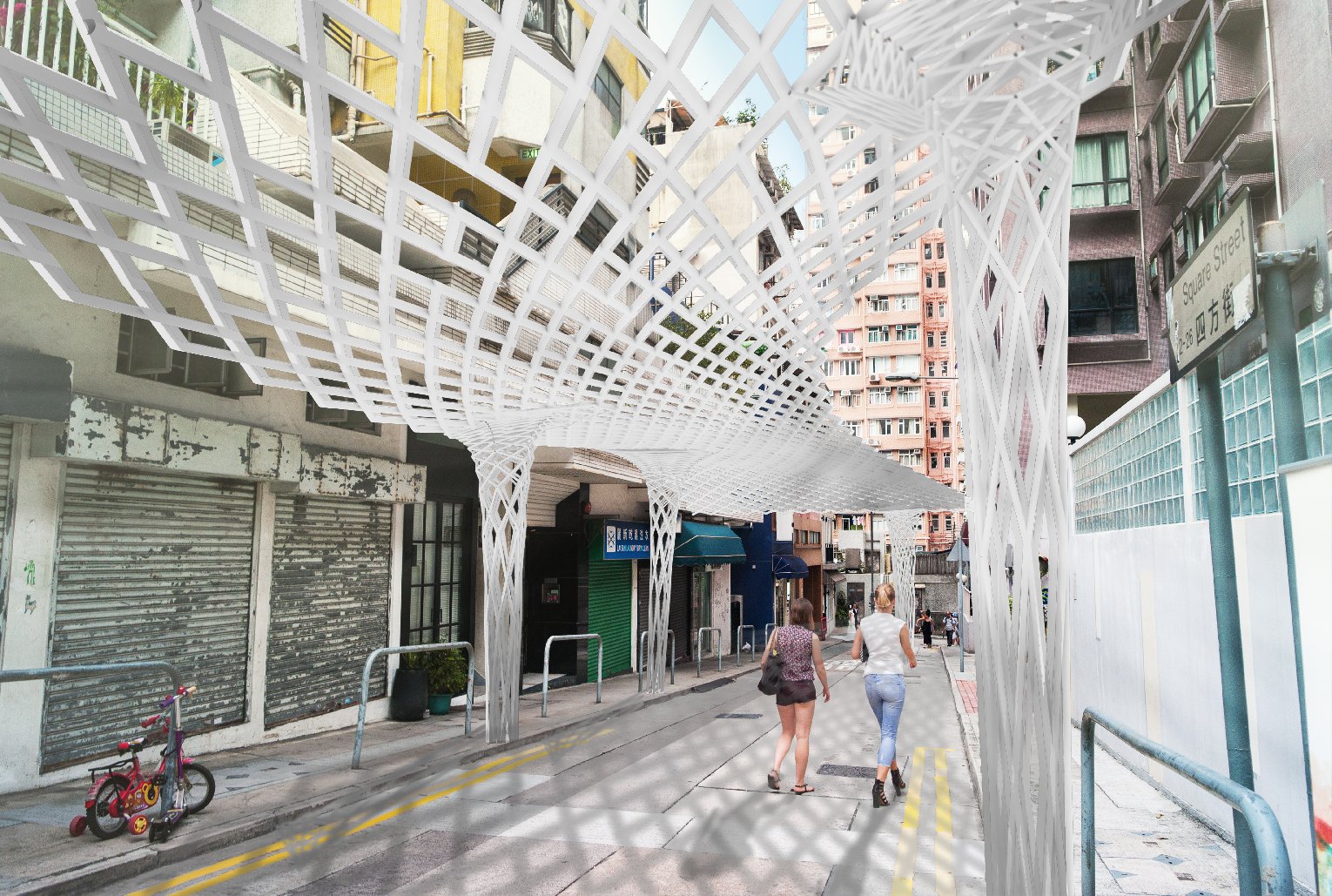
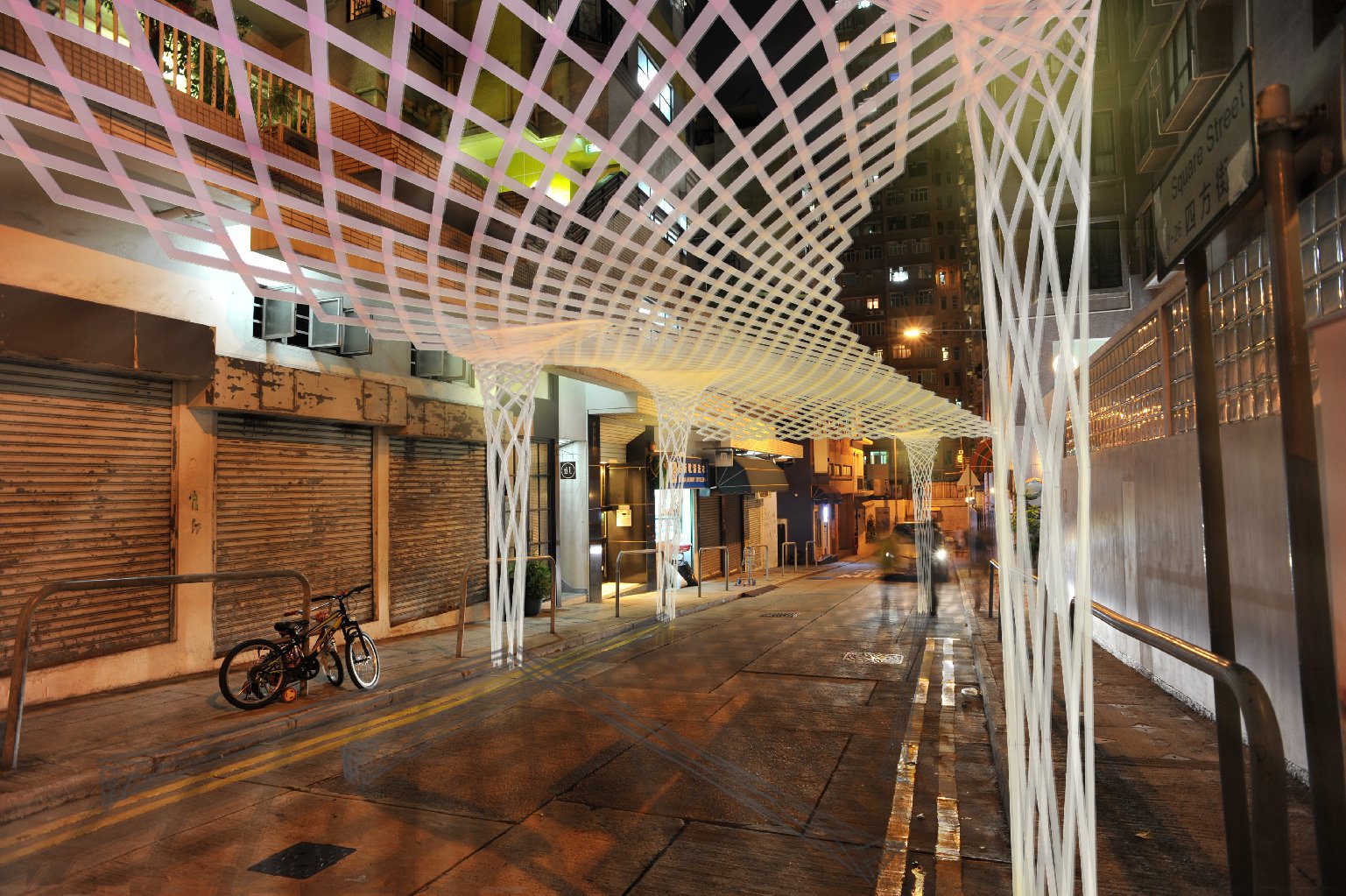
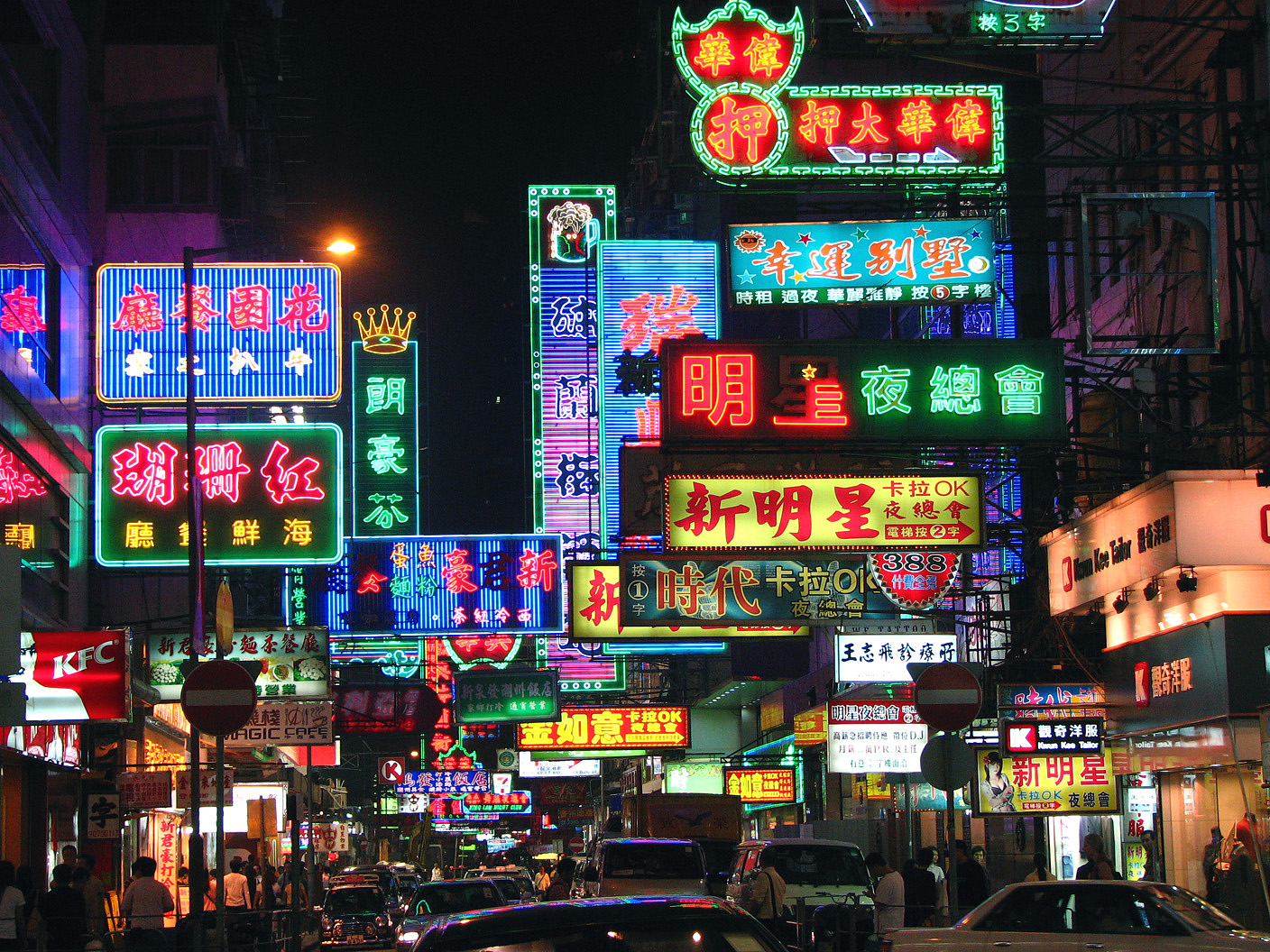
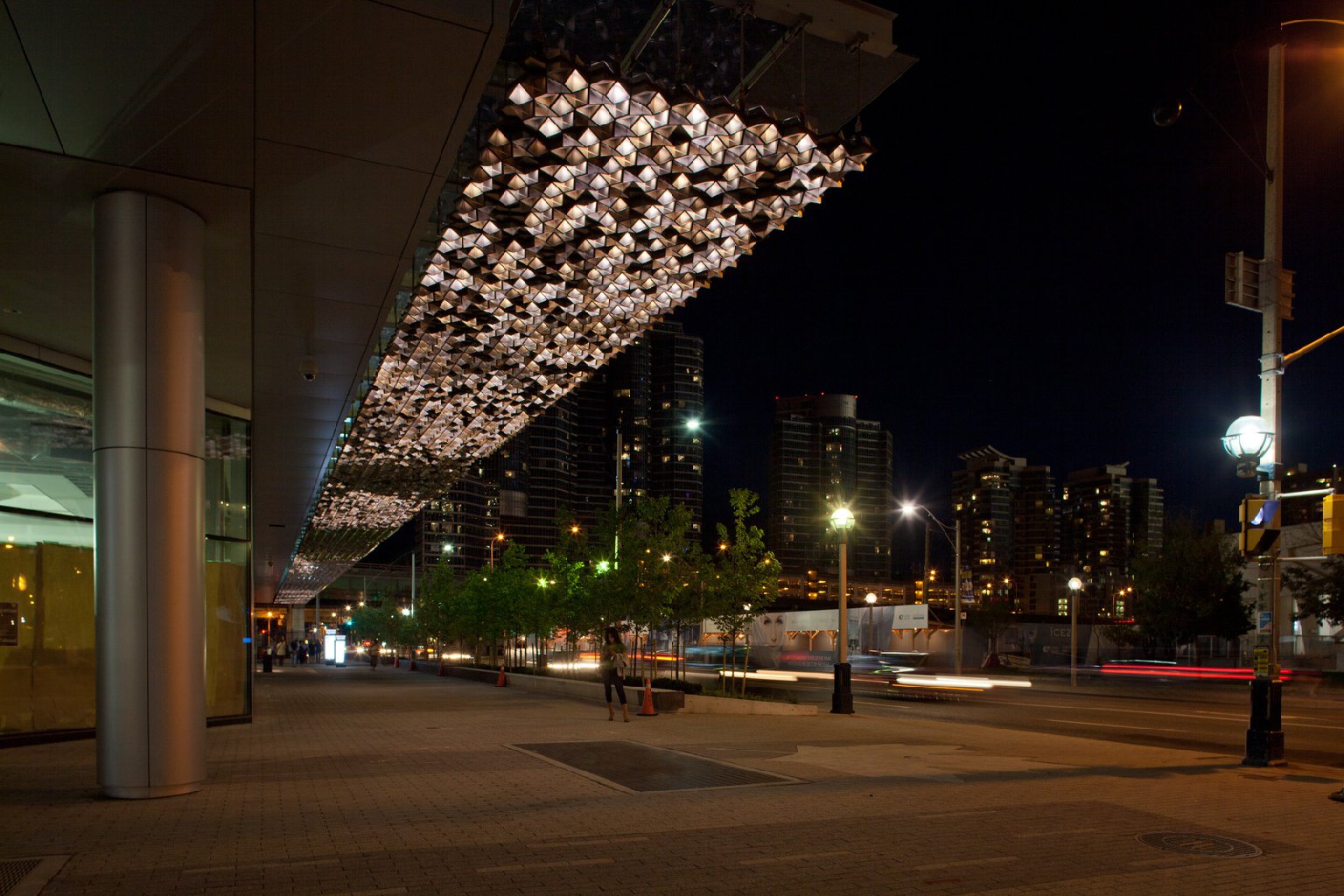
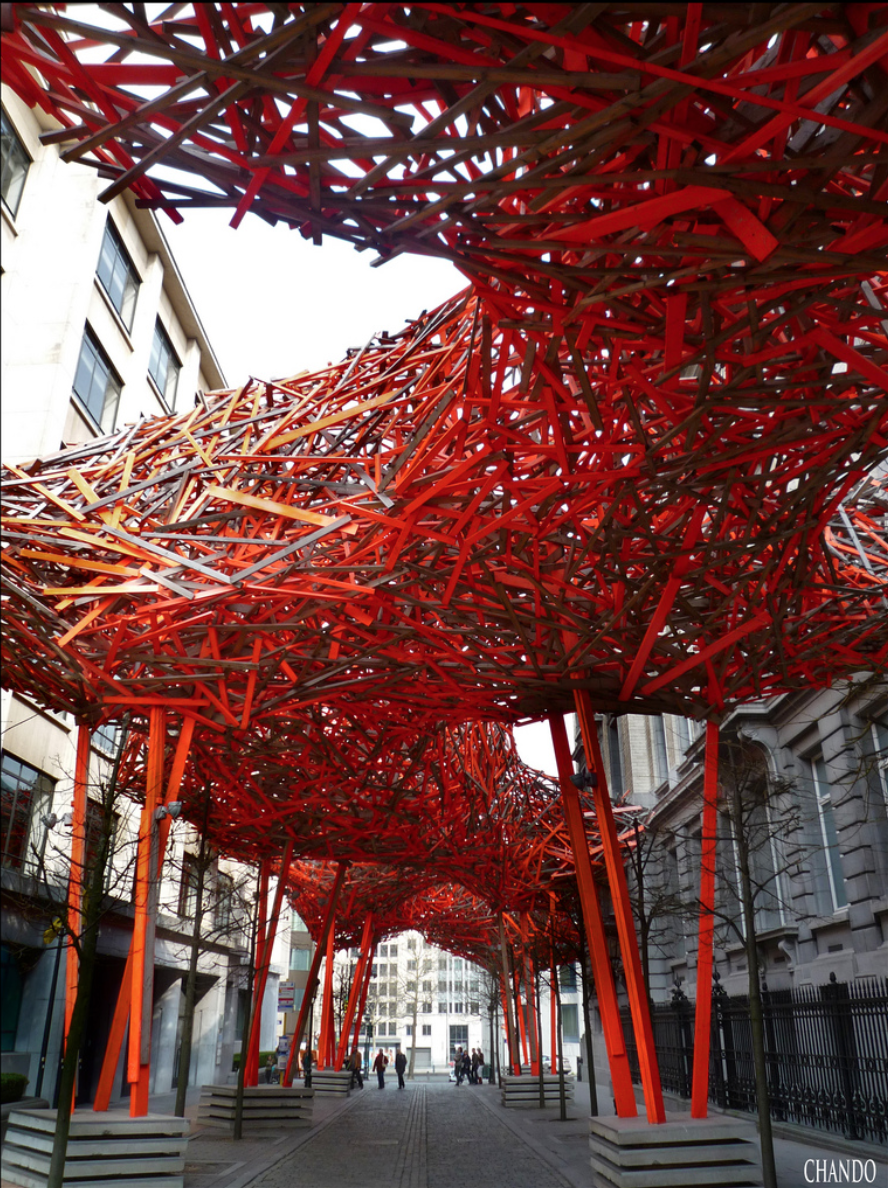
Media Forest- day and night The Media Forest explores an autonomous medium of canopy that develops a new type of streetscape for the pencil tower phenomenon in Hong Kong. This canopy grows dense and sparse at moments as a medium which reacts to its surrounding urban context, giving protection to pedestrians and provide an alternative representation of communication signs. The thesis aims to seek a better streetscape, a new kind of WHAT?
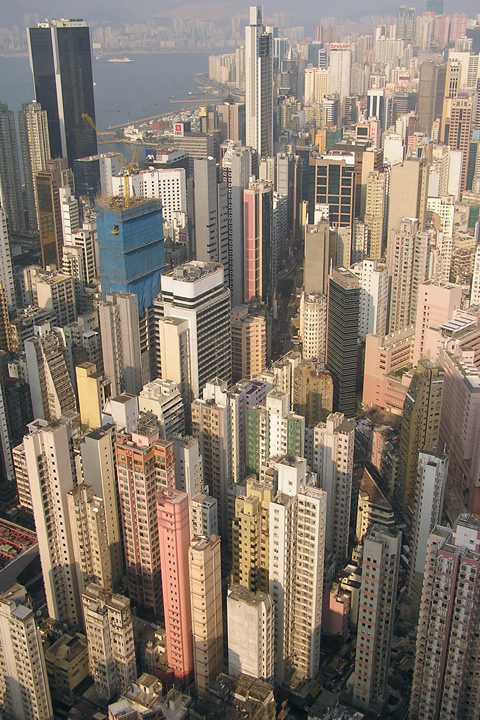
With the rise of the pencil tower phenomenon, a unique quality of space between buildings immerged. Such scale and spatial quality creates a different kind of nature that can only be seen in the urban context of Hong Kong. What if this space in between the pencil towers is further explored to create a new type of nature? How can a media forest reacts with this ambiguous space within such a unique context of narrow streetscapes? This project will develop a new type of streetscape that not only composite the communication qualities in signs but also rethinks the streetscapes of Hong Kong within the pencil tower phenomenon. Through the exploration of a medium of canopy- the Media Forest, this canopy grows as a medium, a structure that grows dense and sparse at different moments; not only does it gives protection to pedestrians from the environment but also create a unique urban concept and give a new perception to the signage and streetscape of Hong Kong. The interiorization of streetscape can be seen around the world through shopping malls, however, a medium of canopy partially interiorize the streets, giving its specificity within the pencil tower streetscape of Hong Kong. A new typology of streets creates a new kind of nature that produces different experiences when it ties within the urban context of Hong Kong. The outcome would be used as a prototype in streets for the reinvention of streetscape with the aid of the technological advancement nowadays. WHY?
Even since the age of industrial revolution, architecture has been greatly improvised by inventions of different technologies of all aspects. Through this process, architecture produced subnatural nature simultaneously. In Hong Kong, narrow streets of urban context are overwhelmed by different scales of communicating signs, some cantilevering outwards to the street; some occupying the façade of our built environment. These signs are subnature that are produced by the buildings. Buildings produces nature, it is to rethink these signs as new kinds of nature within the urban context. These communicating signs are the by- product of sign making since the 1950s, this phenomenon is gradually fading replaced by mediation facades that grow on buildings. The streetscape of Hong Kong are greatly dominated by these signs forming a particular type of nature produced by architecture. HOW?
Site Research- Sites within the areas that are dominated by pencil towers will be studies, such as Sheung Wan and Mong Kok. A Street within the area will be chosen to carry out the design experiment. BIBLIOGRAPHY Robert Venturi, Steven Izenour, Denise Scott Brown, Learning from Las Vegas, The MIT Press, 1977 David Gissen, Subnature- Archtecture’s Other Environments, Princeton Architectural Press, 2009 David Gissen, Lisa Tilder, Beth Blostein, Design Ecologies- Essays on the nature of Design, Princeton Architectural Press, 2009 Toyo Ito, Architecture Words- Tarzans In the Media Forest, Architectural Association London,2011 |