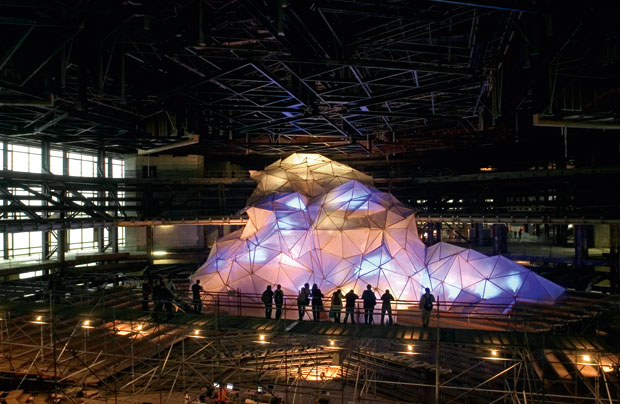
Farewell Ceremony for Place: An Unusual Demolition Process Responding to Collective Memory
|
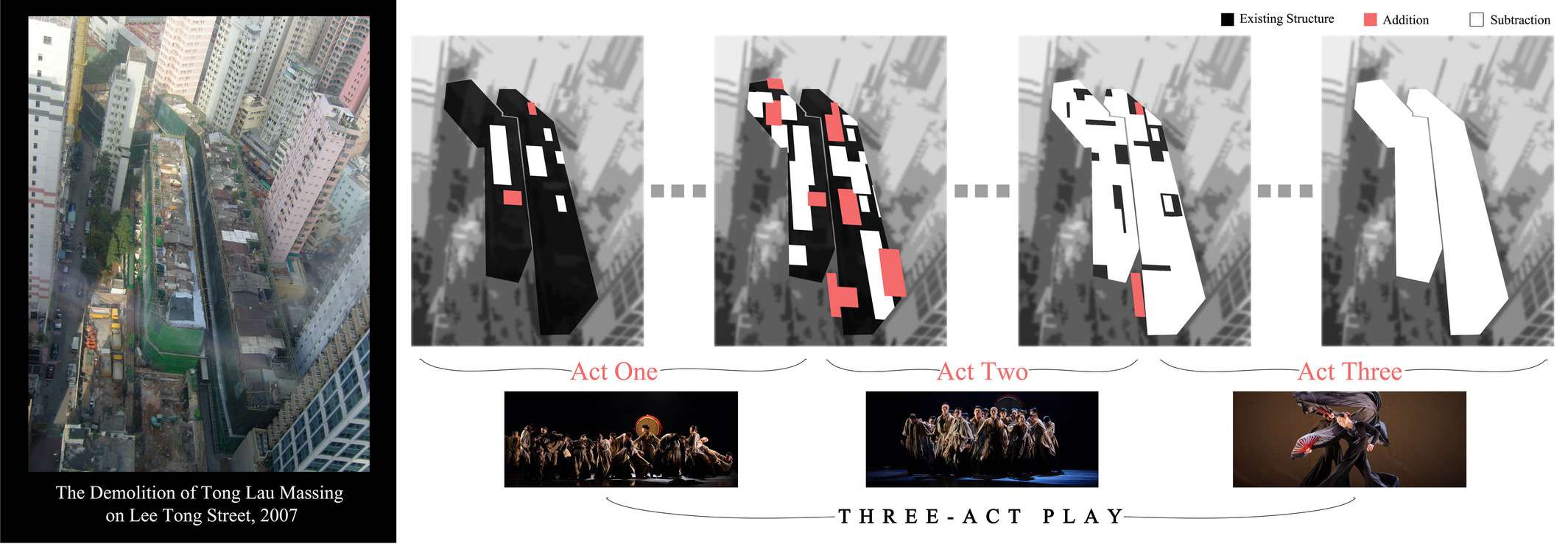
Monologue Very soon. Very soon BUILDING will be demolished. The Container of Memory will be gone. The past Memory will deteriorate, and nothing will remain. Pains, and Hurts. The demolition hurts the BUILDINGS, as well as my heart. Can these hurts be slower? So that I may adapt the pains? Can the demolition be slower? So that I can get use to my days without Container. If possible, hold a funeral, how can there be no funeral? For me, for all residents, and our neighborhoods, everyone in the district, a ceremony for all fellows living together for so many years, to memorize. Then I will be satisfied. After that, I may start my new living in a new place. Farewell, BUILDING. Rest in peace, my old Memory. . Statement The thesis studies how the demolition of old building can be a last memorial event responding to inhabitants’ lost of the memory container. Keeping old structure is always not an option. In Hong Kong, low density urban districts are constantly wiped out for new development. Communities break apart without a chance for collective reflections or remembrance. Memory refers to the former inhabitants’ personal simulacra of the old days spending in the building. His/ Her memory of the past has strongly tied with the building fabric. The demolition process is similar to a ceremony or theatrical play, with several phases, that former inhabitants and neighborhoods will join and perform in an usual way, to complete the memorial process. The process recalls the simulacra of participants through space and object stimulations by the reformation of existing structure. The structural reformation involves both addition and subtraction, but mainly subtraction, gradually resulting an empty site. The memory container vanishes, and hopefully that memory can stay in people’s mind for a long period.
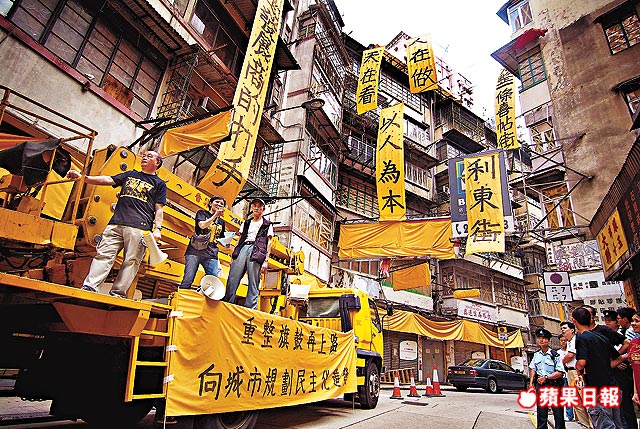
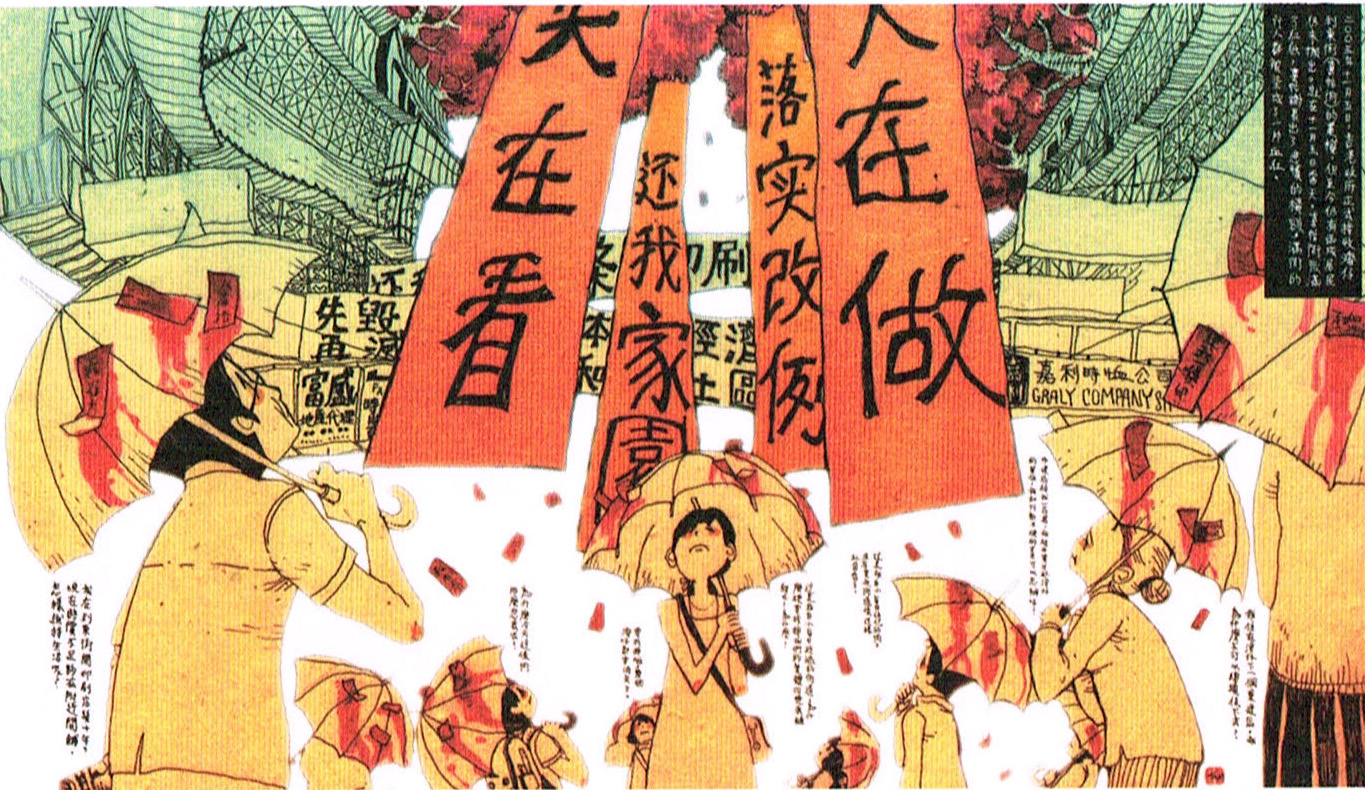
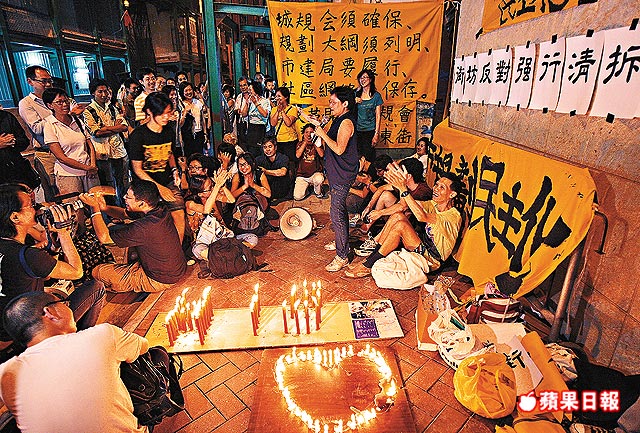
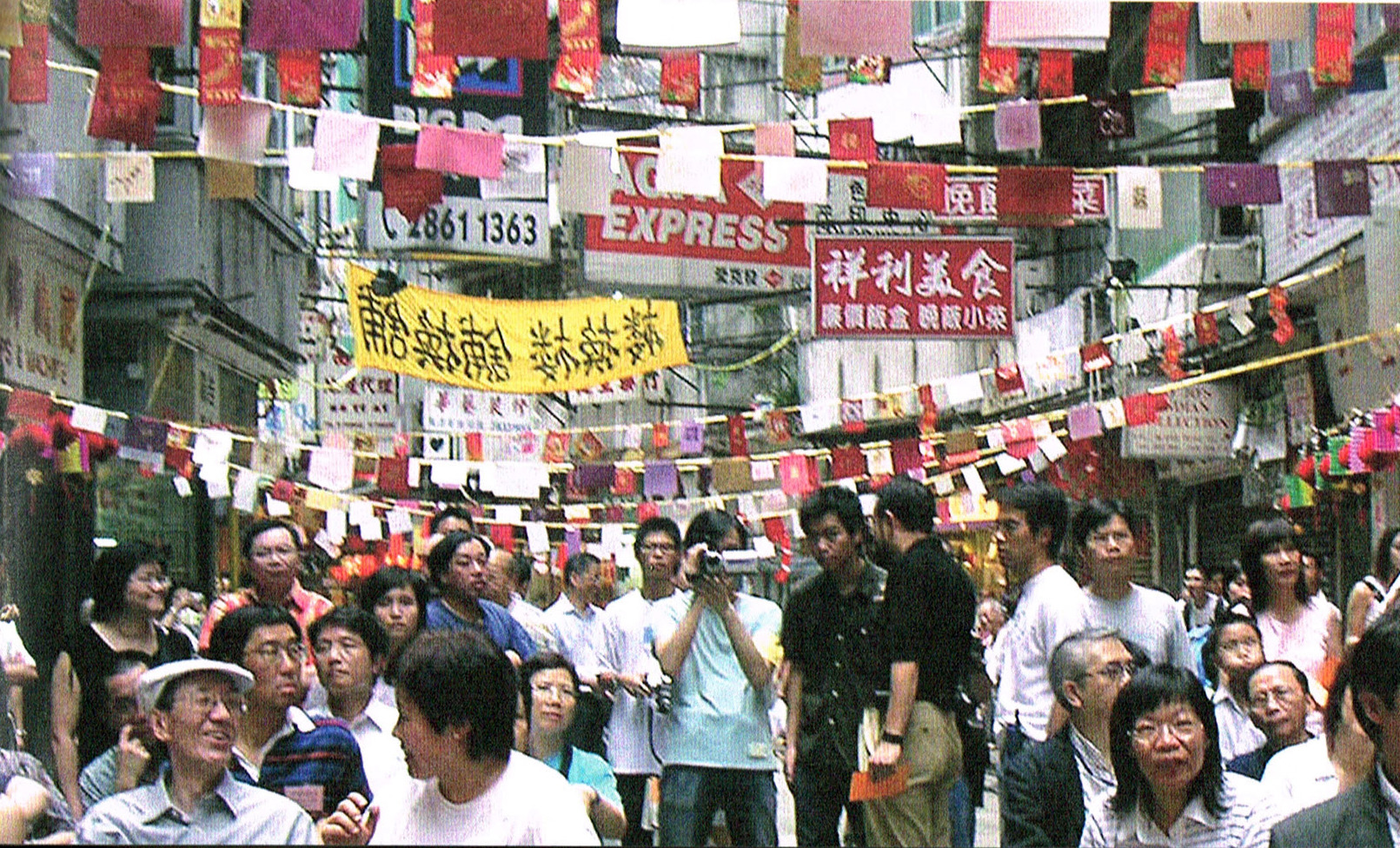
. The Case Chosen for Study The regaining and demolition of Lee Tung Street (Wedding Card Street, Wan Chai) from 2004 to 2010 is one of the early issues that brings up today’s strong public concern to the regardless cleansing of heritage and community by the Urban Renewal Authority. The “Yellow Flag Revolution”, co-founded by angry Lee Lung residents and shop owners has shown how much the place meant to them. The way they dressed themselves, decorated the street with banners, and used the street for meetings is surprisingly similar to the setting of theatrical play or ceremony. Under the fact that the street must be completely torn down for redevelopment, the thesis will explore an alternative and ceremonial demolition of the Tong Lau massing in the year of 2007. Local community issue, larger political issue and practical issues (such as structure, ease of use, leasing) of this complex case will be responded in the study. The key values of Lee Tung community will be concluded and will be the major drives of design experiment.
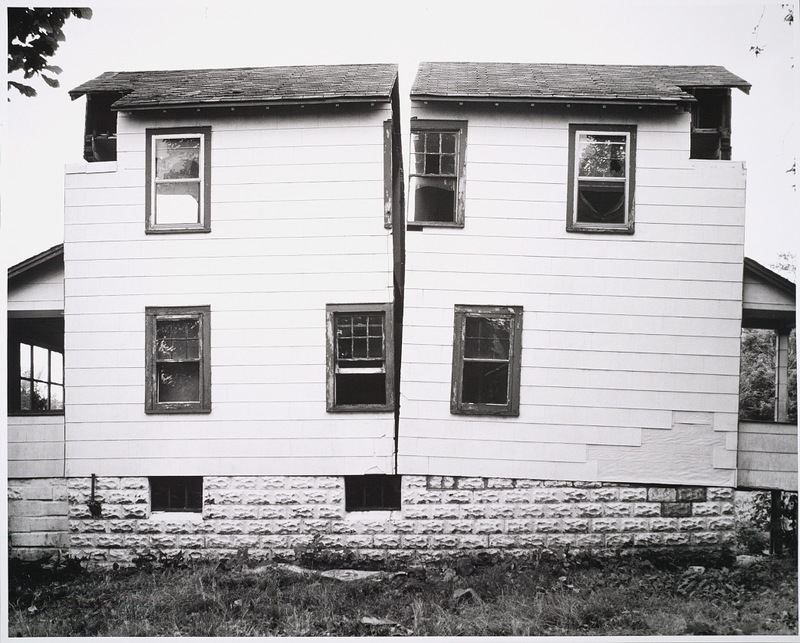
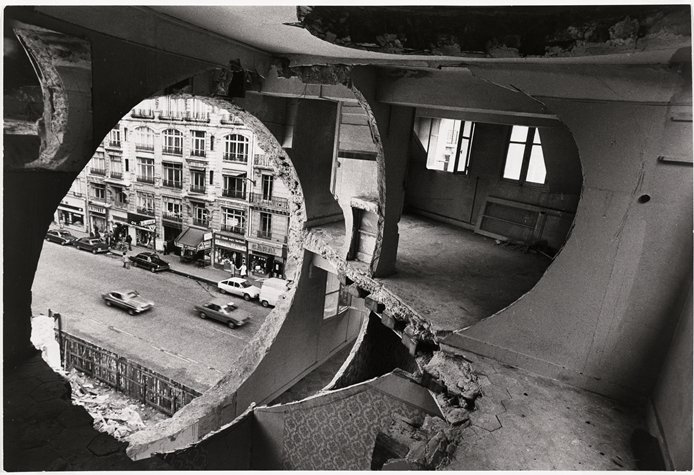
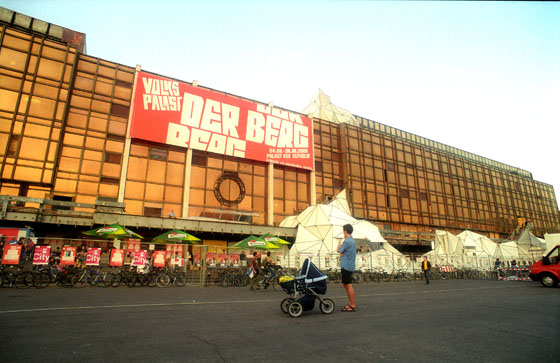
. Theoretical Research To form a stronger argument, preliminary research will look into multiple directions: memory related text, theatrical related text, different “-isms” for building structure reformation, and precedent studies. Memory text include Aldo Rossi’s argument of preservation of old buildings as the preservation of memory; philosopher Jean Baudrillard’s theory on Simulacra and Simulation; and Architectural theorist C. Norberg-Schulz’s theory relating space and human life. Theatrical text include Stanton B. Garner’s practice of staging the city as a theatrical encounter; Joanne Tompkins’s practice of site-specific theatre; M. Tufnell & C. Crickmay’s practice of the inter-relation of body movement and spatial context. “-isms” study includes Deconstructivism, Minimalism and Symbolism. Precedent studies include artworks of Gordon Matta-Clark, who cut evacuated buildings as a way to communicate his ideas; intervention works of RaumlaborBerlin group that is expertise in engaging communities; the intervention project in the controversial Berlin Palace of Republic that had to balance both communal and political interest.
. Technical Research Technical research will study demolition works of old buildings, constructions for temporary additions, and regaining of property ownership. . Outline of Research/ Design Methods <1.0 WHAT> 1.1 Formulating the idea 1.2 Research – architecture discourse and precedents 1.3 Research – site & community analysis, identification of key memories 1.4 Tectonic for existing structure
<2.0 HOW> 2.1 Architecture experiment: method of memory stimulation 2.2 Architecture experiment: site tests, programme tests, material tests 2.3 Architecture experiment: refinement 2.4 Architecture projection, post rational analysis
<3.0 WHY> 3.1 Conclusion for thesis and hypothesis 3.2 New questions initiated . Bibliography Architecture and Memory Aldo Rossi (1966). The Architecture of the City. 1982 American ed. MIT Press. F. C. Bartlett (1932). Remembering: A Study in Experimental and Social Psychology, 1995 Cambridge University Press. Jean Baudrillard (1981). “The Precession of Simulacra,” in Simulacra and Simulation. 1994 English Trans., University of Michigan Press. Christopher Norberg-Schulz (1986). Architecture: Meaning and Place Electa/Rizzoli, NY. Kenneth Frampton (1987). ”Ten Points on an Architecture of Regionalism: A Provisional Polemic,” in Center 3: New Regionalism Mark Crinson (2005). Urban Memory: History and Amnesia in the Modern City, Routledge. Architecture and Performance Arts Garner Jr., S.B. (2002). Urban Landscapes, Theatrical Encounters: Staging the City, Ch.5 in E. Fuchs and U. Chaudhuri, eds. Land/Scape/Theater. The University of Michigan Press, pp.94-118. Makeham, P. (2005). Performing the City. Theatre Research International Vol.30 no.2, pp.150-160. Govan, E., Nicholson, H., Normington, K. (2007). Making Performance Space/Creating Environments, Ch.8 in Making a Performance: Devising Histories and Contemporary Practices. Routledge, USA. Miranda Tufnell & Chris Crickmay (1990). Body, Space, Image : Notes Towards Improvisation and Performance. Virago Press, London. Bruce J. Miller (2000). The Actor as Storyteller : an Introduction to Acting. Mayfield Publishing Co., USA. Joanne Tompkins (2012). “The ‘Place’ and Practice of Site-Specific Theatre” in Anna Birch and Joanne Tompkins eds., Performing Site-specific Theatre : Politics, Place, Practice. Palgrave Macmillan, NY. Expressions & Practices Gordon Matta-Clark (1977). Interview in Gloria Moure ed., Gordon Matta-Clark: Works and Collected Writings. 2006 Polı́grafa. Raumlaborberlin (2008). Acting in Public, Jovis Verlag, Berlin. |