The Architecture of Utopia
|
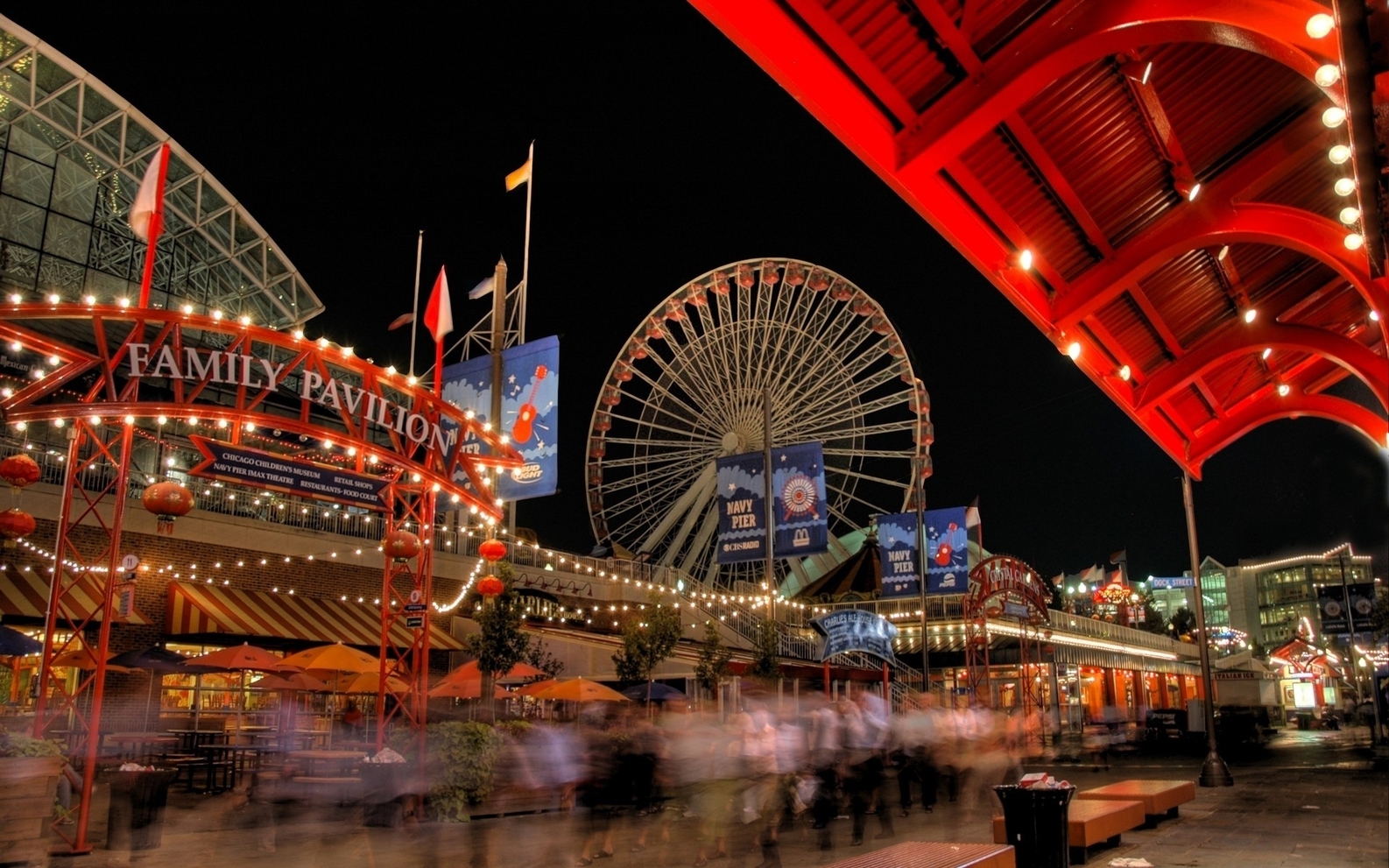
After the World War II, Hong Kong people have experienced the Japanese occupation of Hong Kong. People are seeking for entertainments to forget the notion of pain. Therefore, Lai Chi Kok Amusement Park was built at 1949 to create the fantasy of pleasure in combining new technology, feeling of danger, spectacle and reverie architecture. On the other hand, Hong Kong Disneyland was opened at 2005 due to Hong Kong suffered from the 1998 Asian financial crisis. Amusement Park became a guises that everyone psychologically pursuit for. At the present times, continuous of political turbulence brings anxiety in Hong Kong, people protest in central were divided into two opposing extremes. The idea of my thesis is to rebuild image of utopia and neutralize the negative attitude by introducing fantasy architecture of amusement park.
My thesis is to investigate the role of architecture of pleasure in amusement park as spectacle in Hong Kong. By studying the form, structure and programme of amusement parks to create an architectural psychological pleasescape in the context of CBD of Hong Kong which is known as a world classed financial city. The meaning of architectural psychological pleasescape is explored through the ride, structure, visibility, modernity and concept of merriment in visual, cultural and experiential means. Ultimately, towers, streets and roads of Hong Kong become part of the park, where pleasure turn into daily commodity.
References Michael Sorkin, Variations on a Theme Park : The New American City and the End of Public Space (1992) Anthony Vidler, Architecture between spectacle and use (2005) |