MODULE C : HOW IS A SITE CONNECTED TO CAMPUS, CITY, REGION, AND CLIMATE?
Students expanded their perspective from site-specific observations to larger landscape systems. The
module introduced broader issues such as campus metabolism, stakeholders and beneficiaries, climate challenges,
bioregional relationships, and Hong Kong’s urban–rural–natural transitions. This perspective is further extended
to the scale of the Greater Bay Area (GBA), encouraging students to consider cross-scale relationships between
local sites, regional systems, and wider environmental networks. As these complex systems gradually emerge, the
final project brief is introduced through the campus site, positioning it as a complex landscape system shaped by
ecological, social, climatic, and infrastructural forces.
Exploration 5
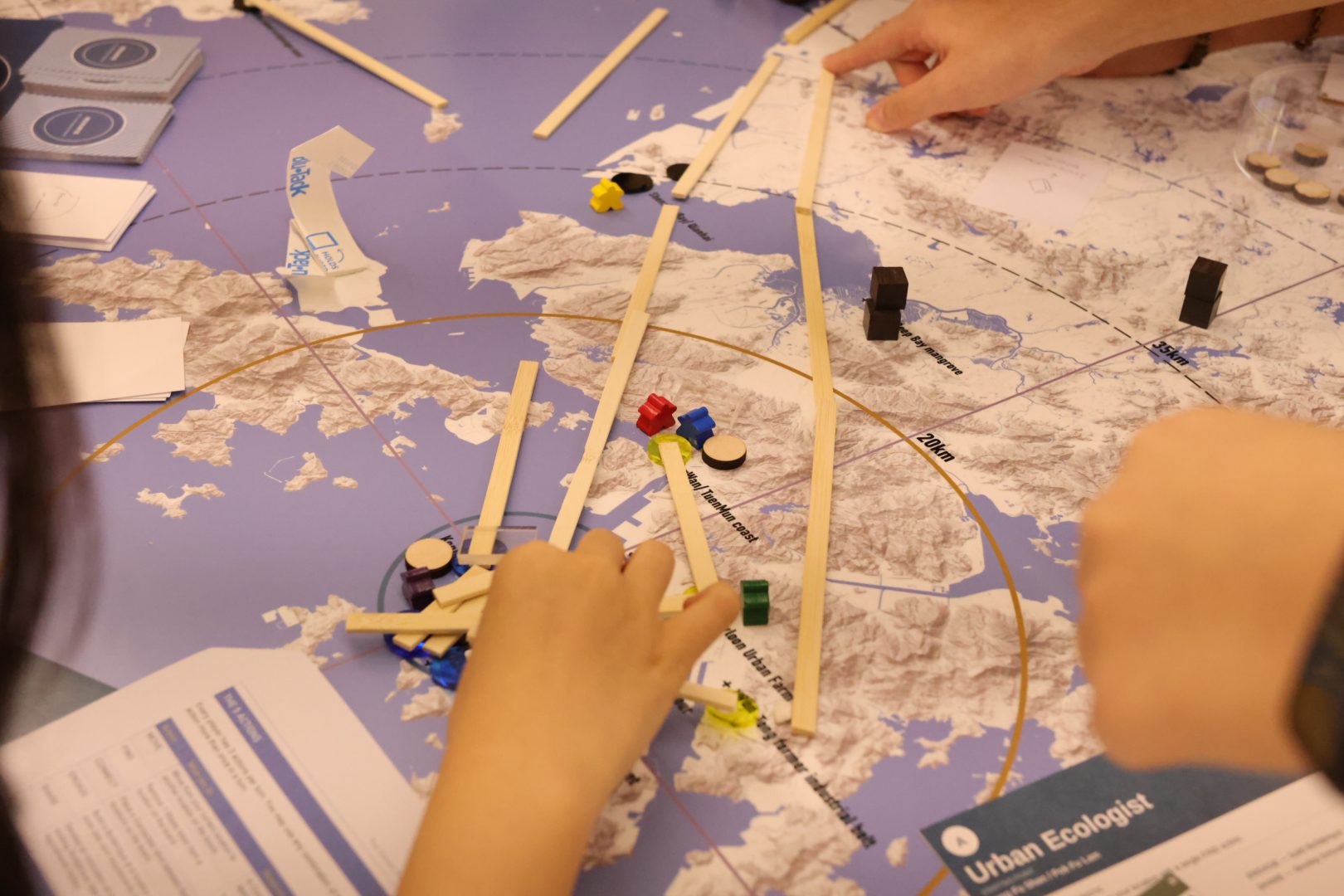
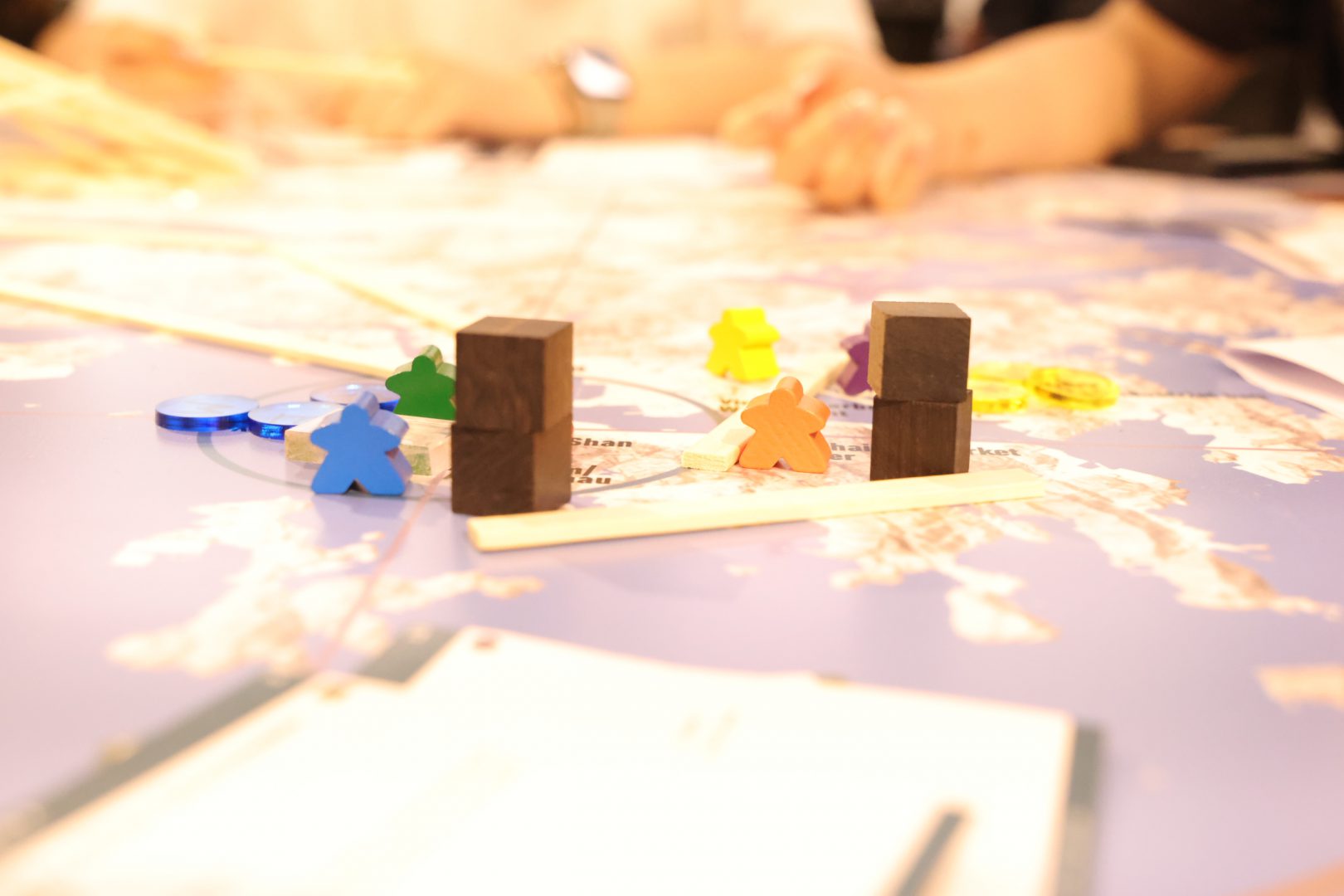
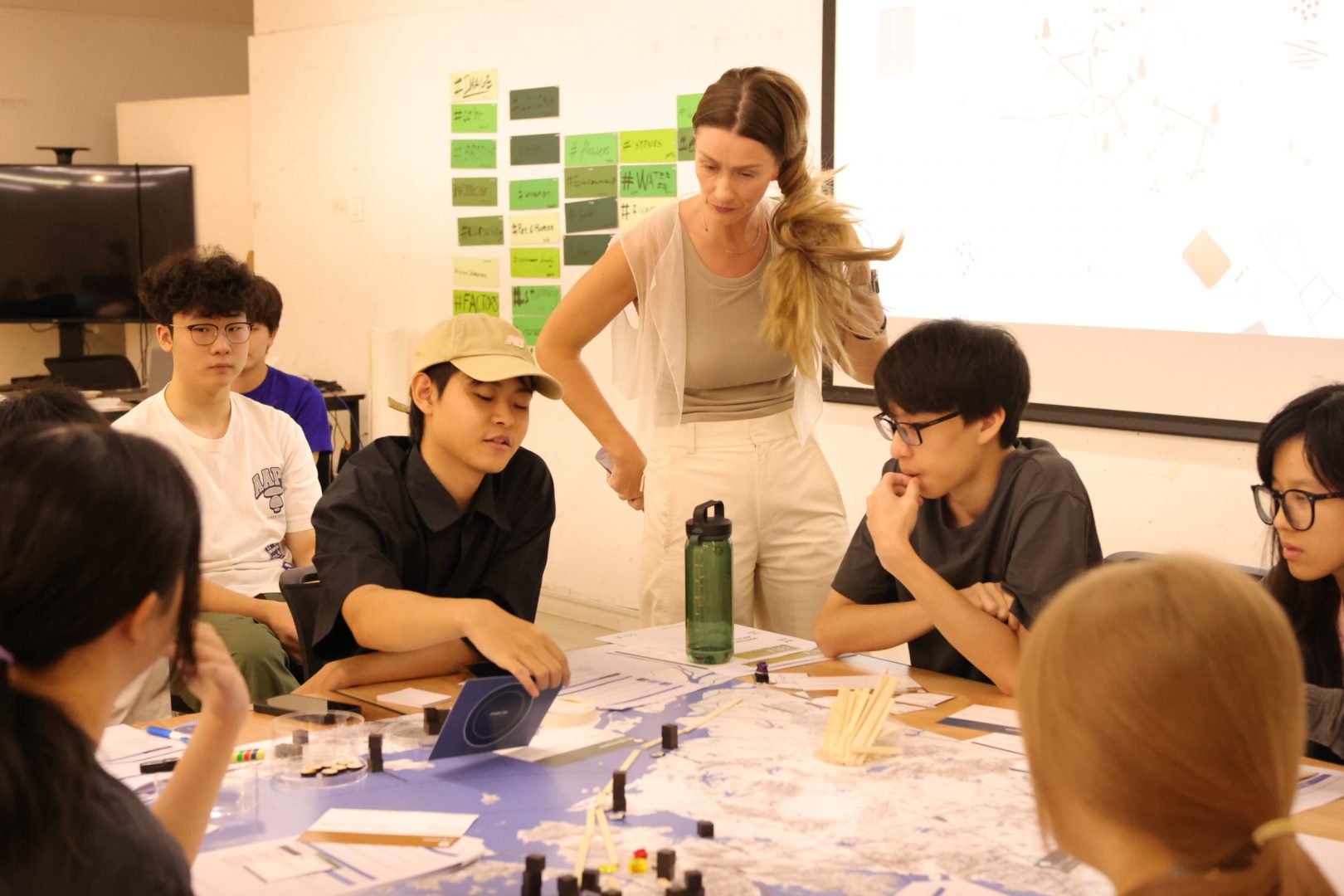
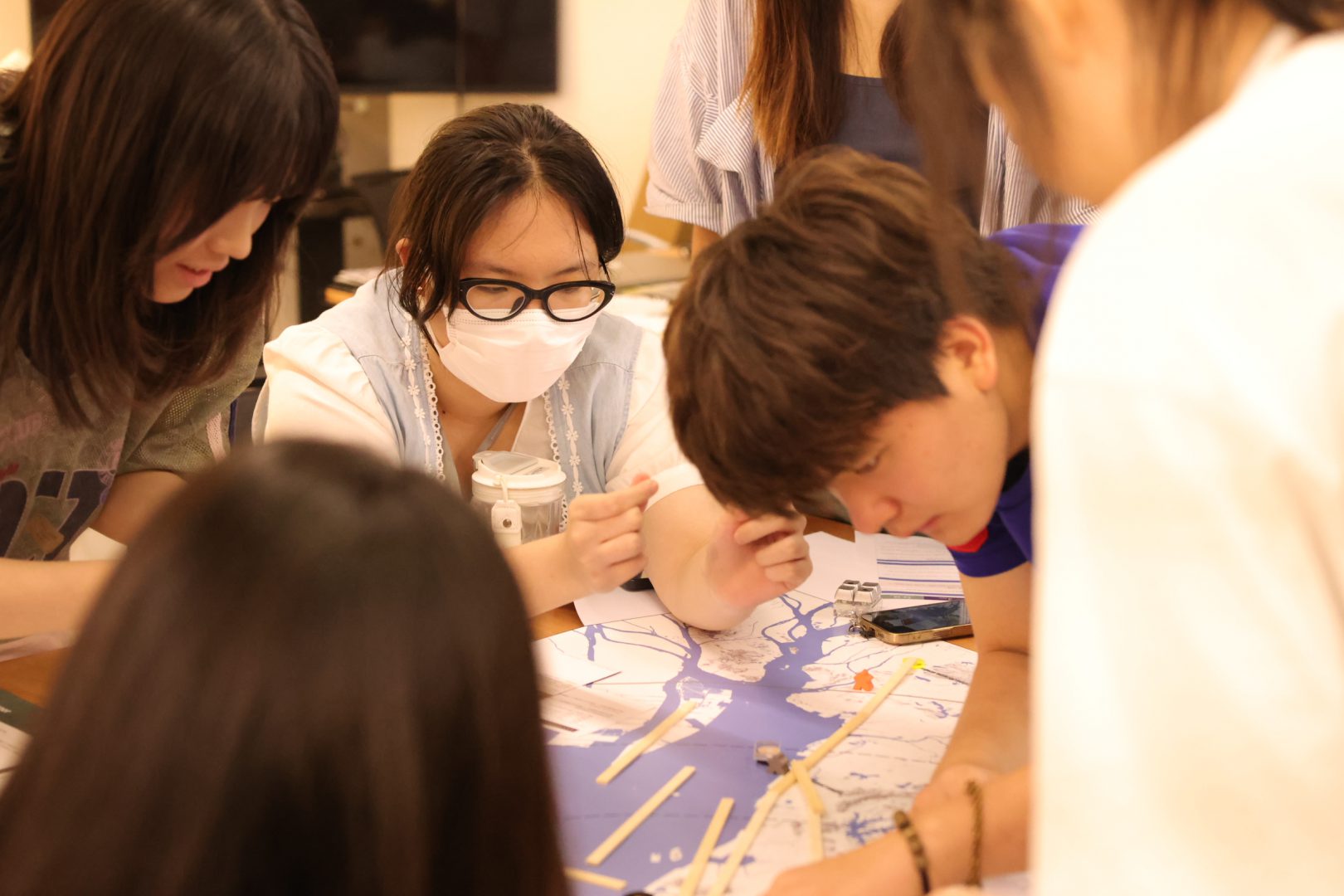
A Bioregional Design Game Workshop
with Adriana Caplova
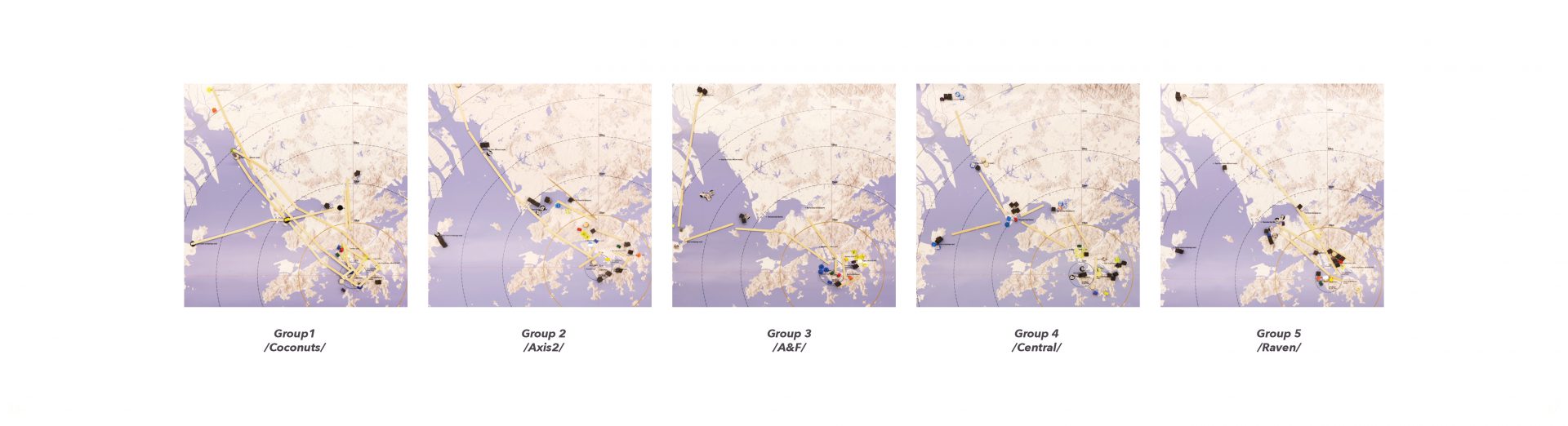
This workshop introduced bioregional mapping as a tool for landscape design using systems thinking and a holistic perspective to understand how HKU campus connects to Hong Kong city and the GBA coastal region. Before the game began, students were introduced to four key systems concepts: Stocks, Flows, Energy and Stakeholders

Workshop 3
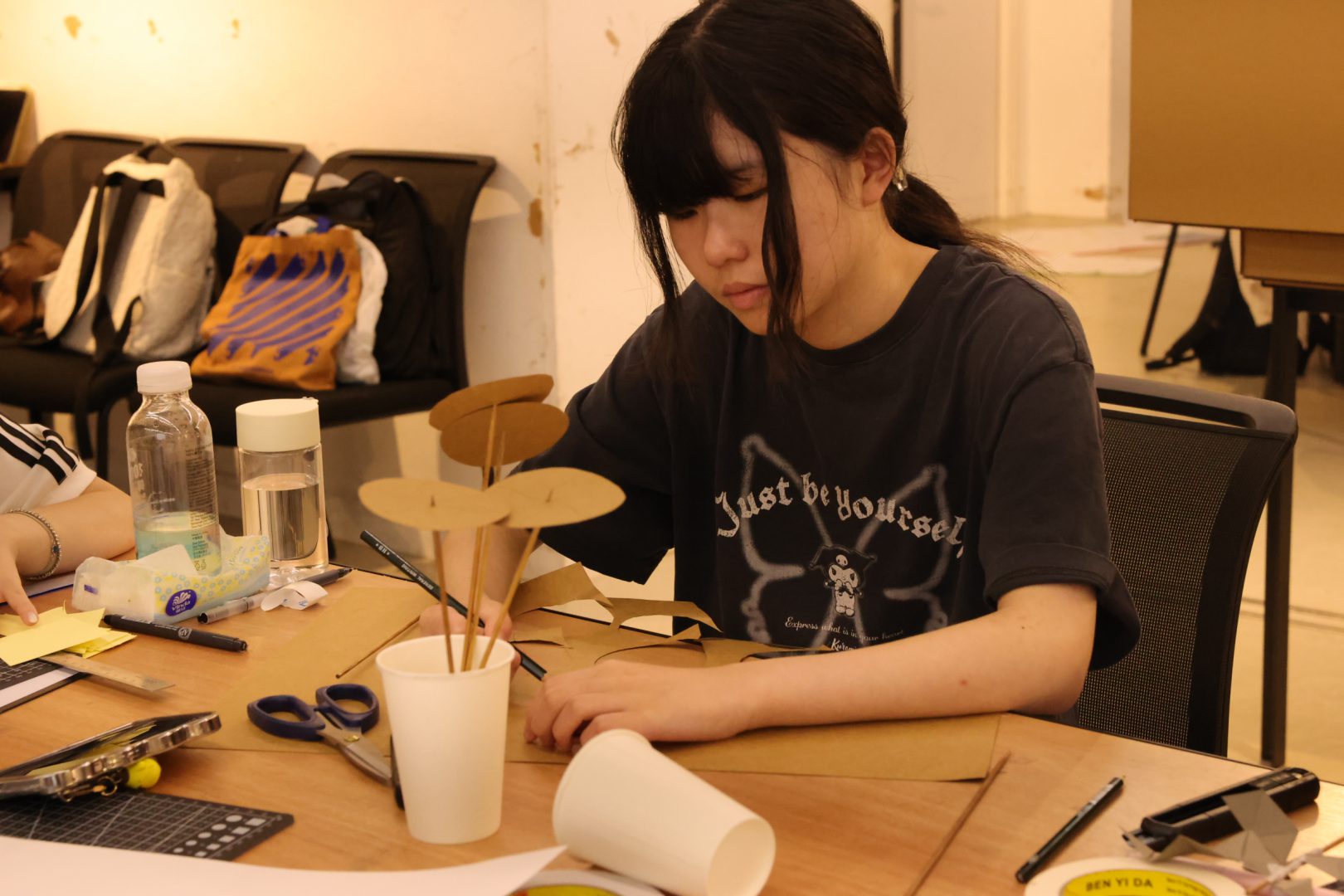
Model Making : Translating Systems into Form with
Dr. Jiali Li
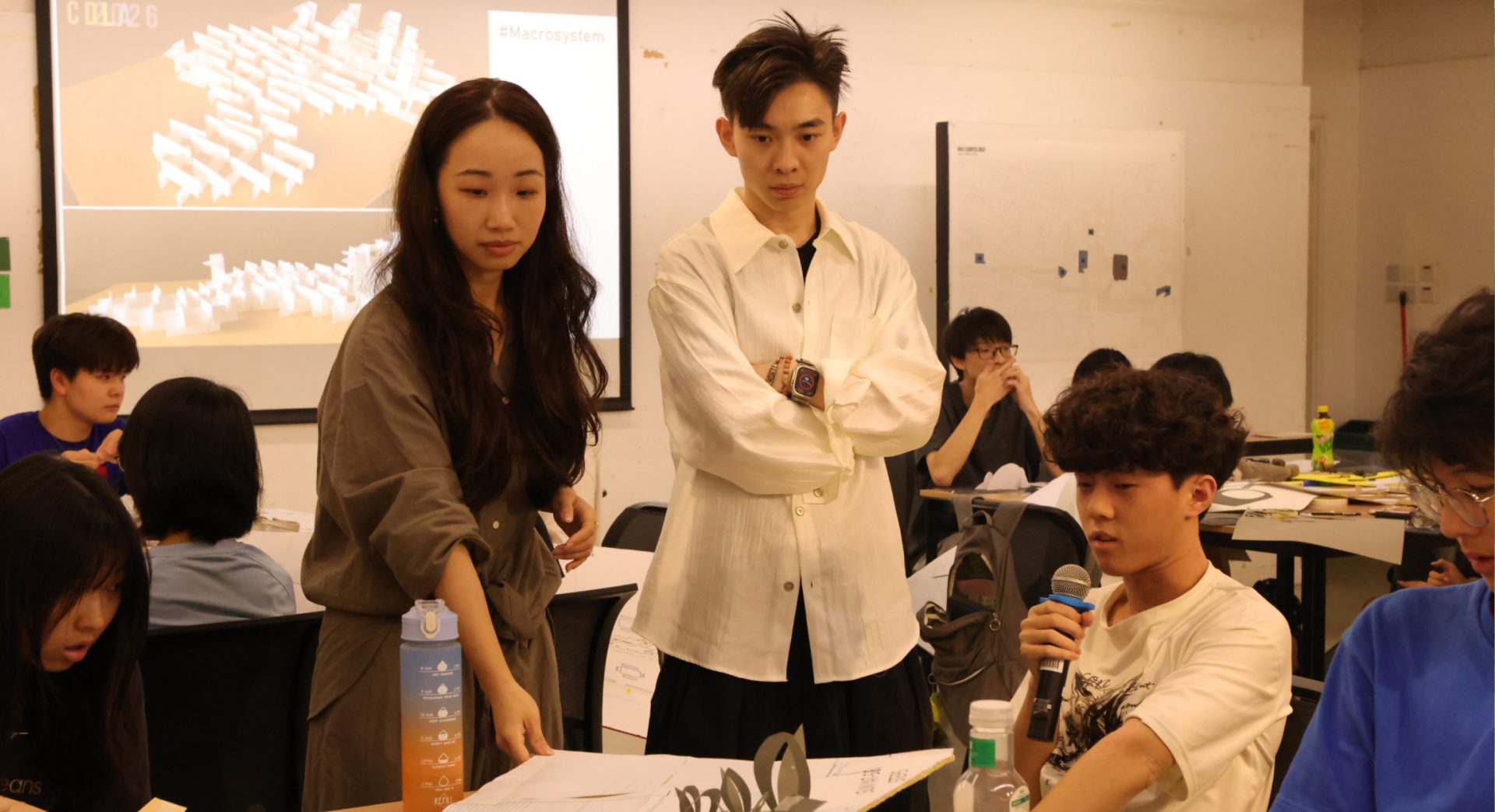
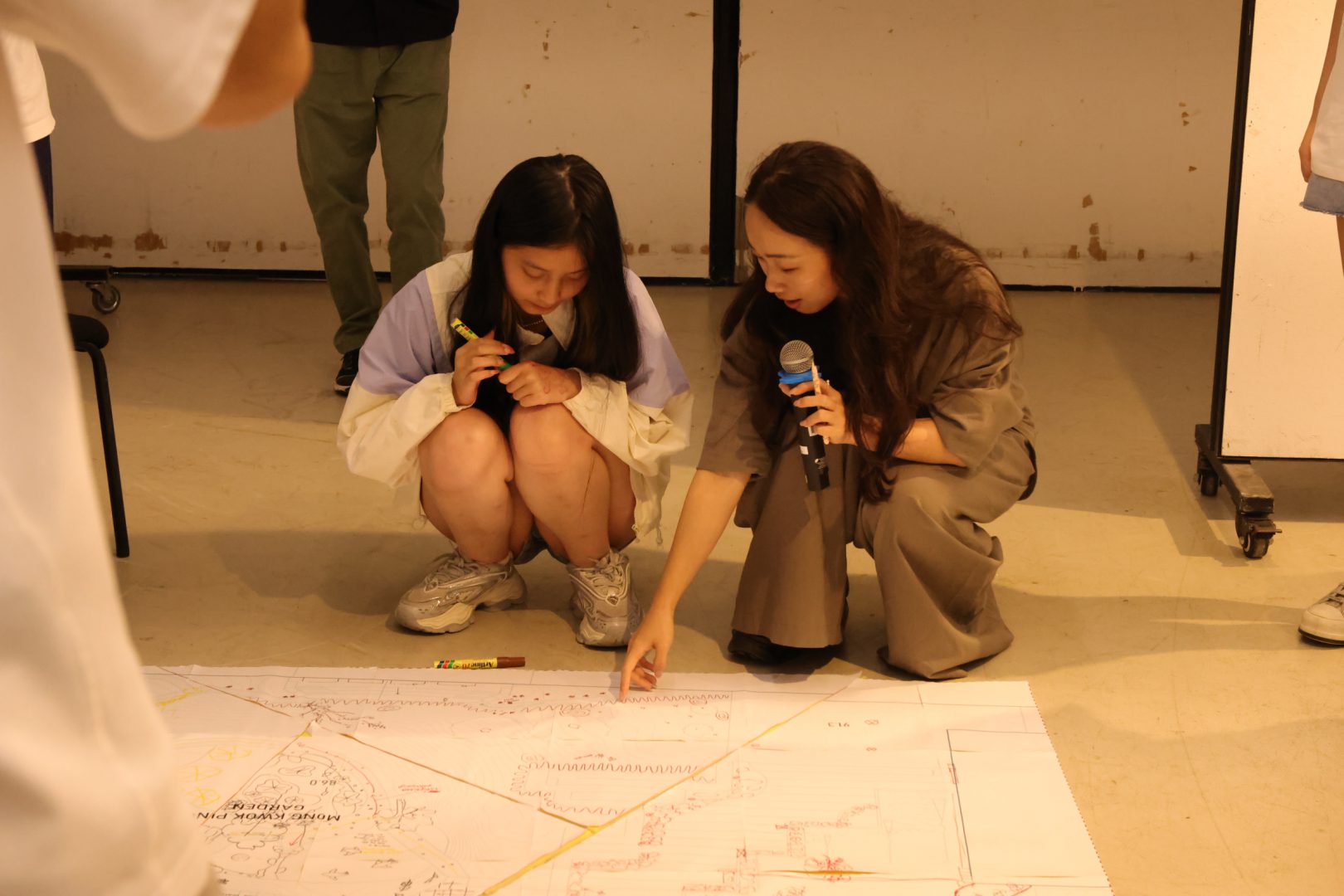
In this workshop, students learned how landscape designers translate site systems into physical form. Using a prepared site plan, each group will receive one full site plan divided into seven fragments. Students were responsible for designing one fragment of the site.