MODULE B : HOW DO LANDSCAPE ELEMENTS BECOME RELATIONSHIPS?
Module B
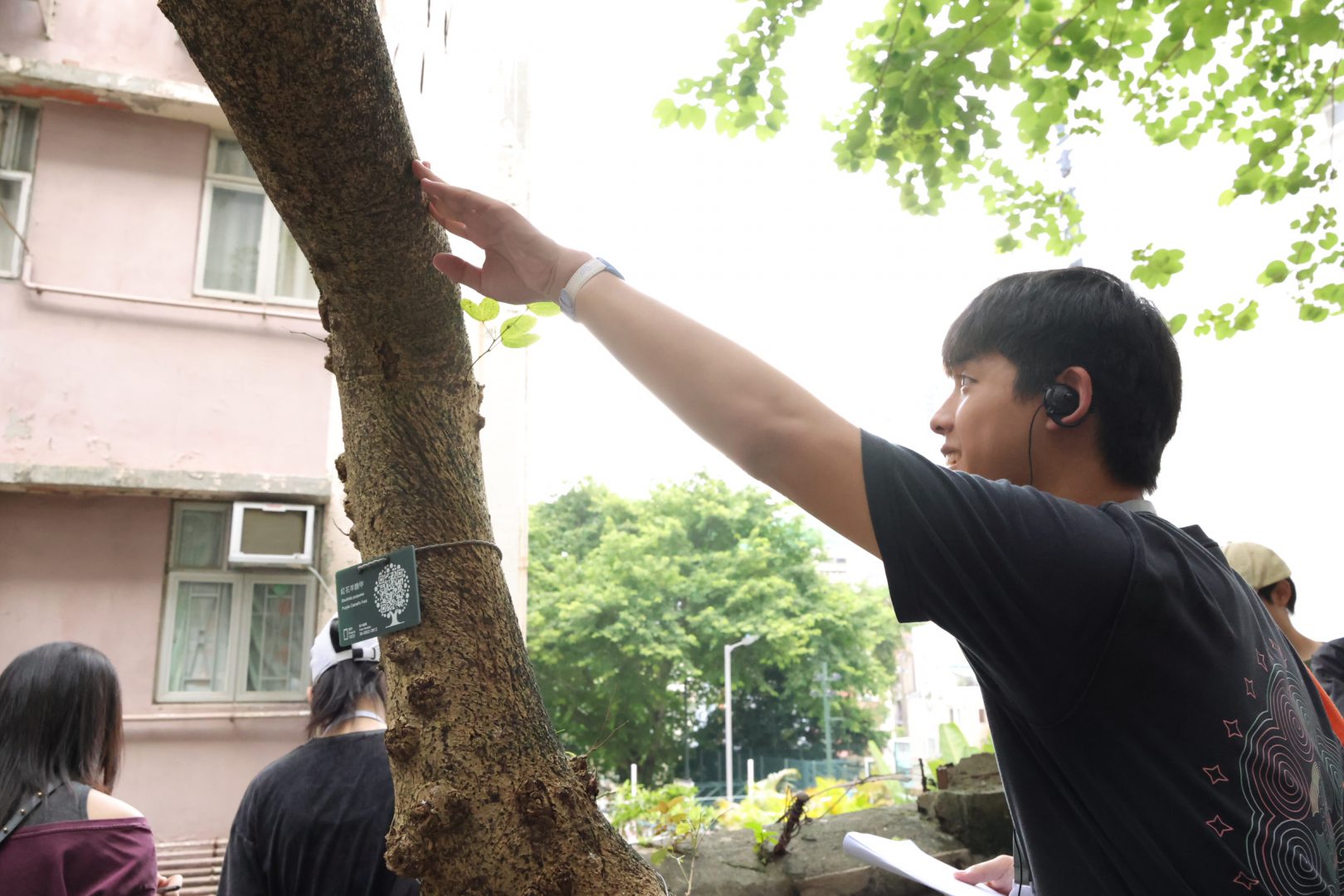
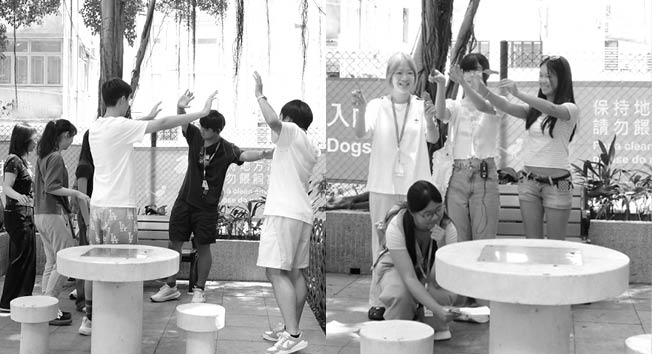
During the second module students examined how plants, human movement, urban blocks, and non-human perspectives interacted under changing climatic conditions. Through mapping, urban walking, narrative exercises, and a public space intervention led by a local practitioner, they learned to see landscape as a network of interactions rather than isolated objects.
Exploration 2
Tropical World
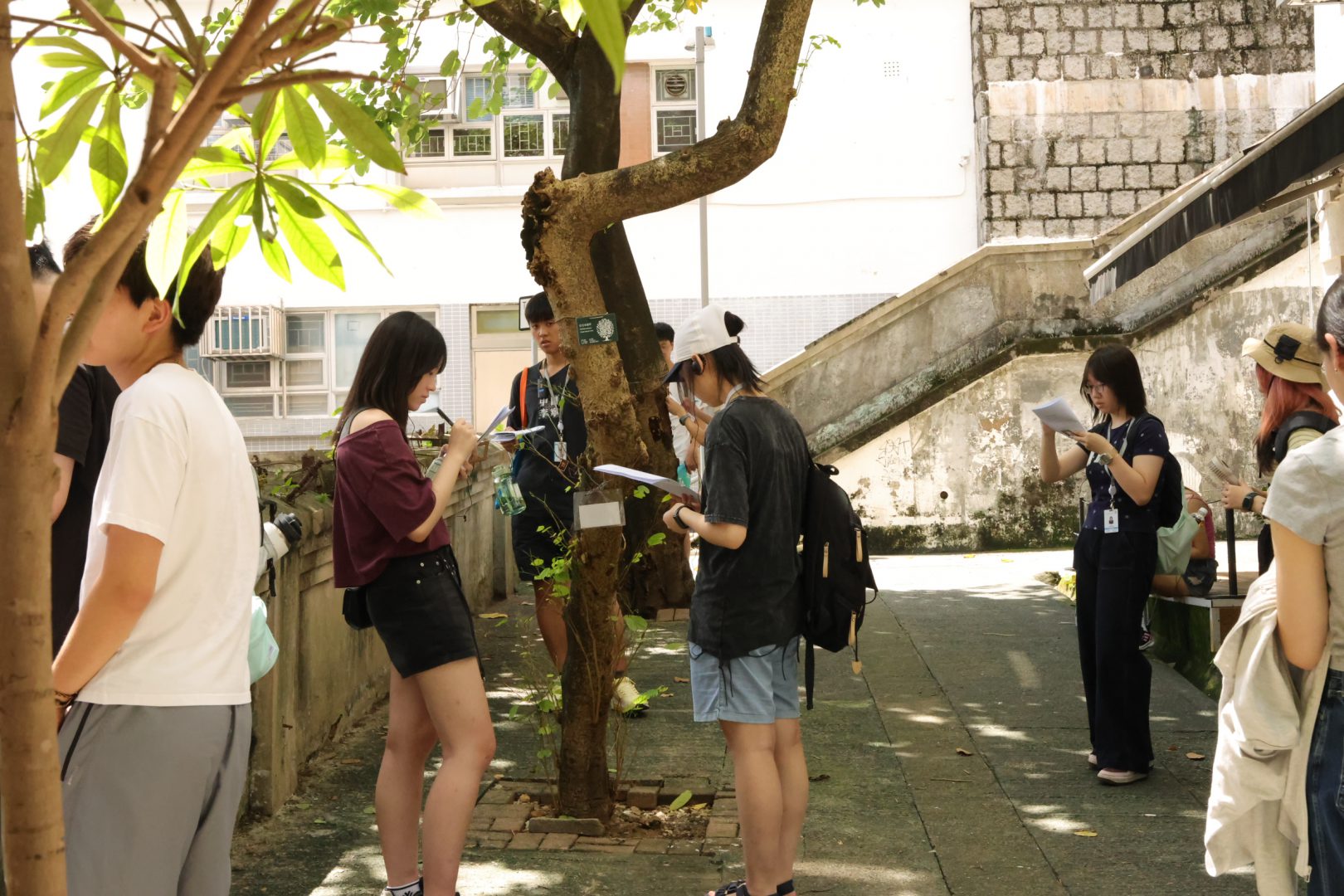
Revealed the relationships between the existing plants in public spaces of the HKU campus with the rest of the World. The activity delved into the scientific names of diverse Hong Kong flora. As a common group, participants discussed and generated a physical flow map getting familiar with concepts of endemic and exotic species.
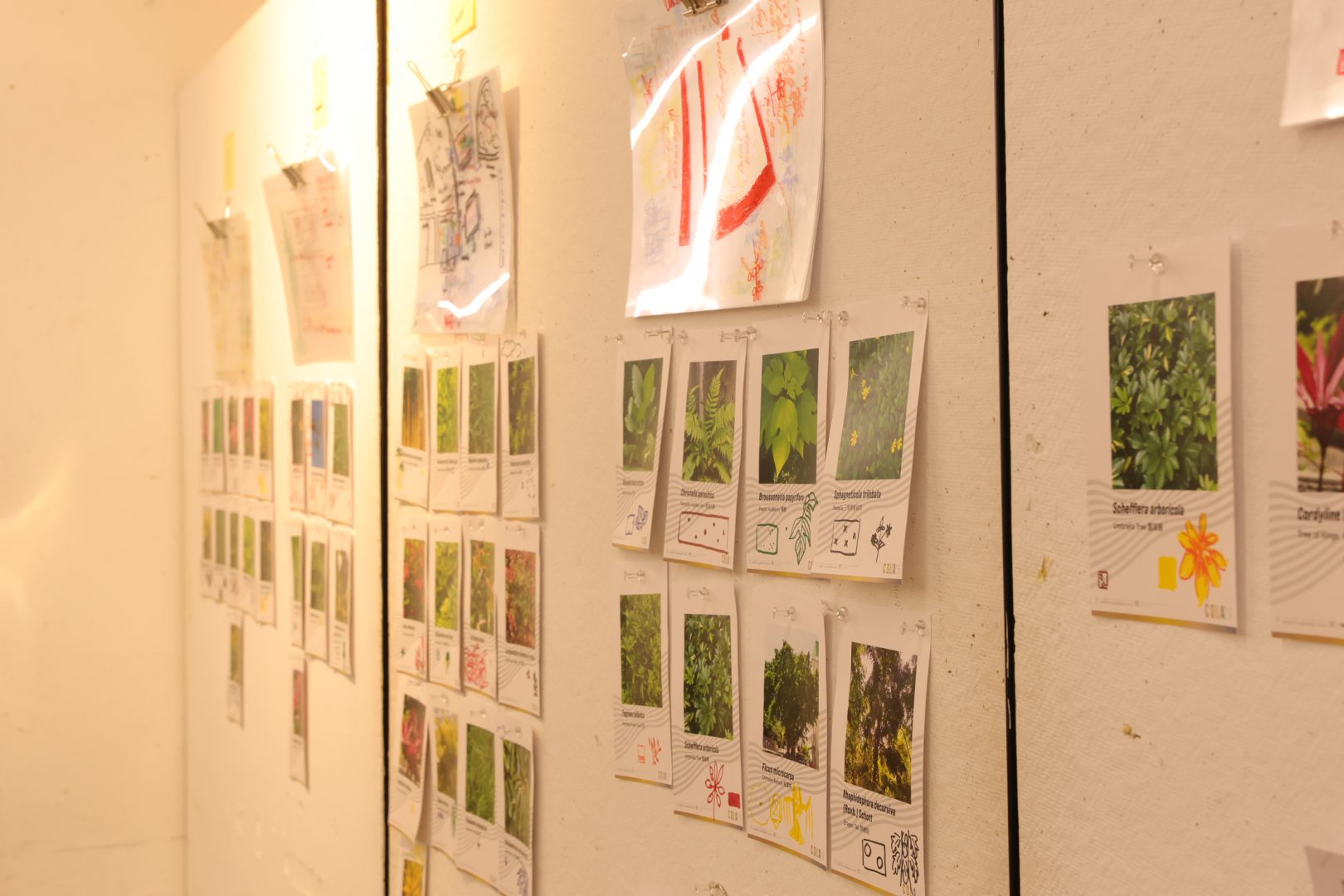
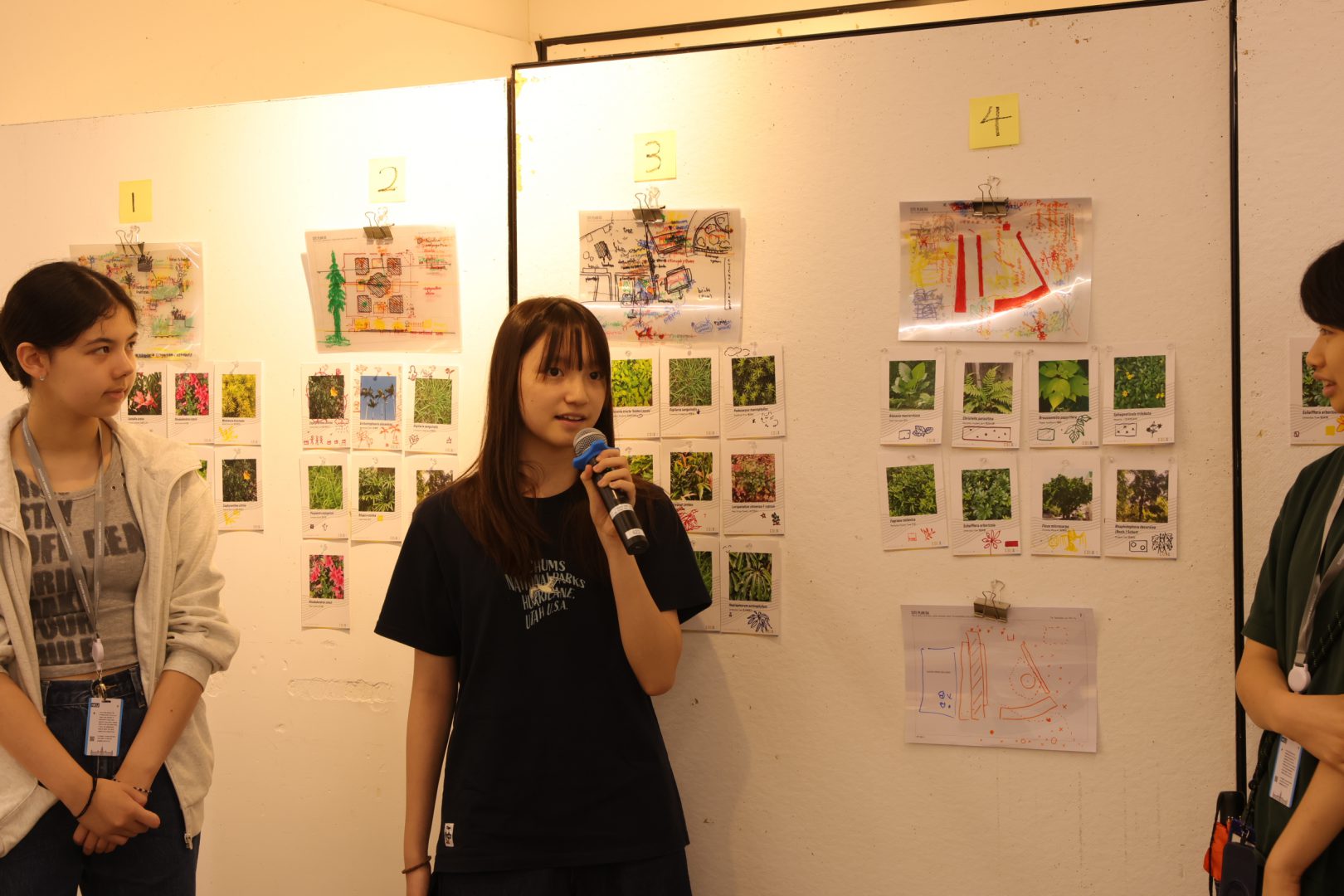
Workshop 1 – 2 & Exploration 4
Adobe Photoshop Workshop

Exploration 3
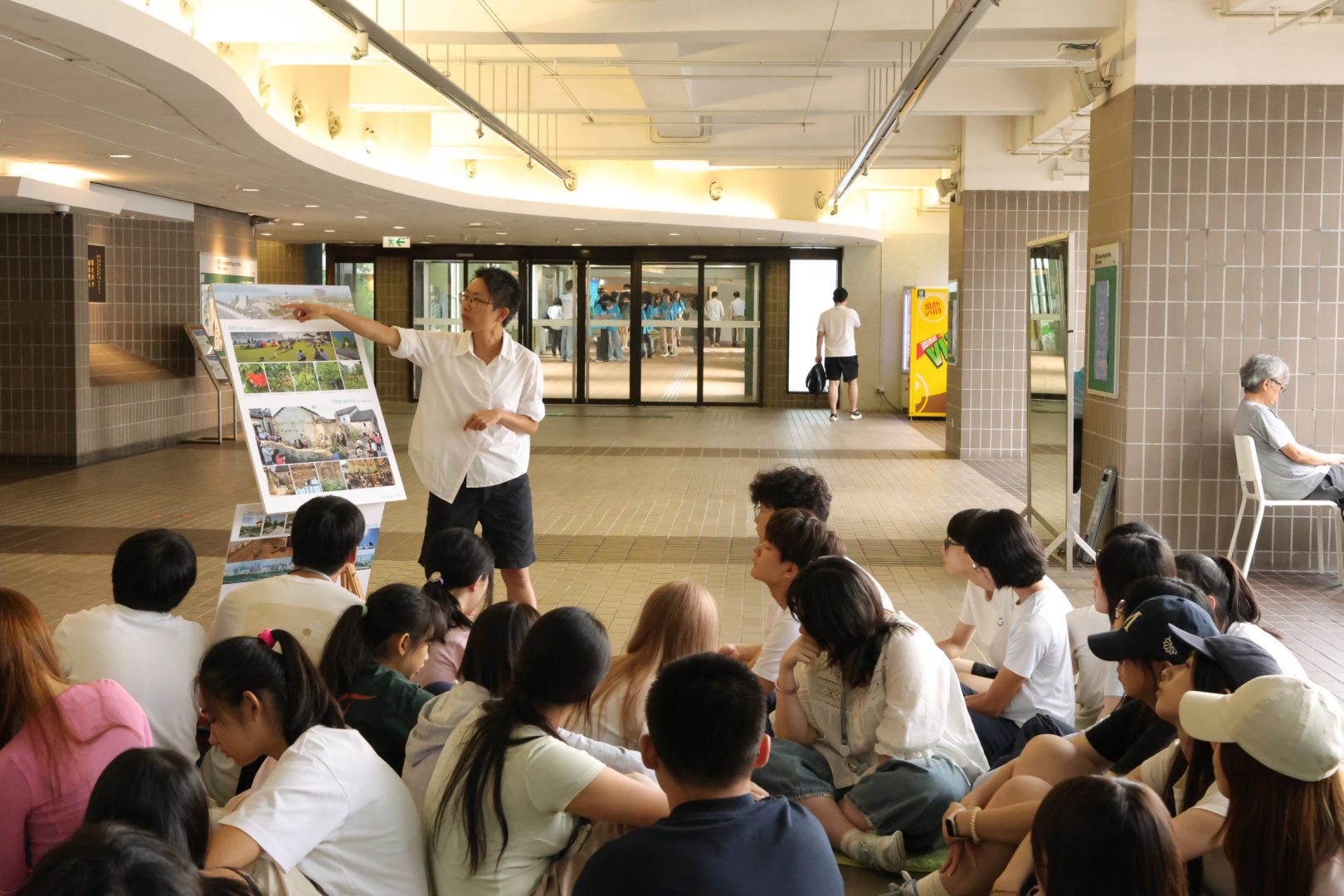
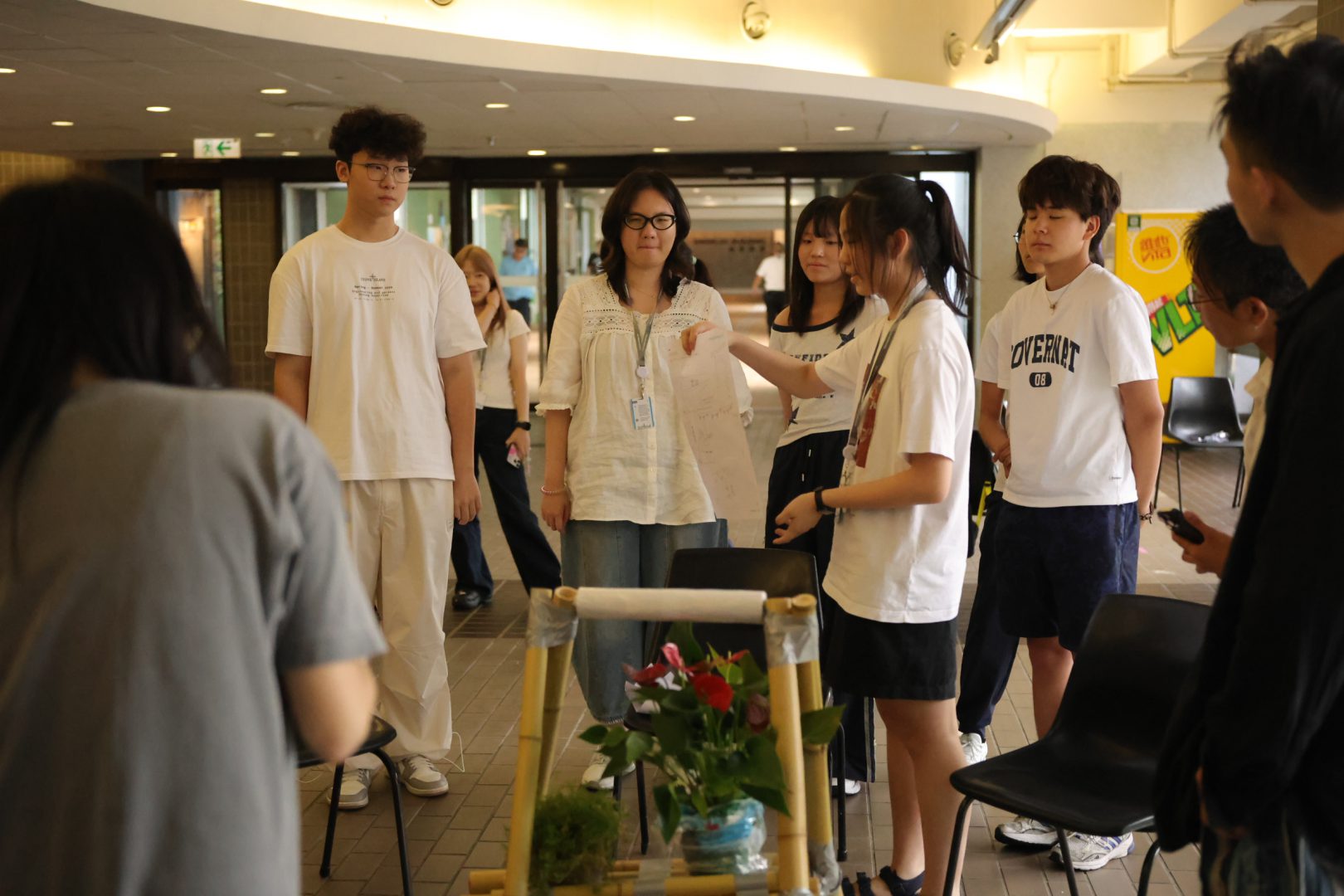
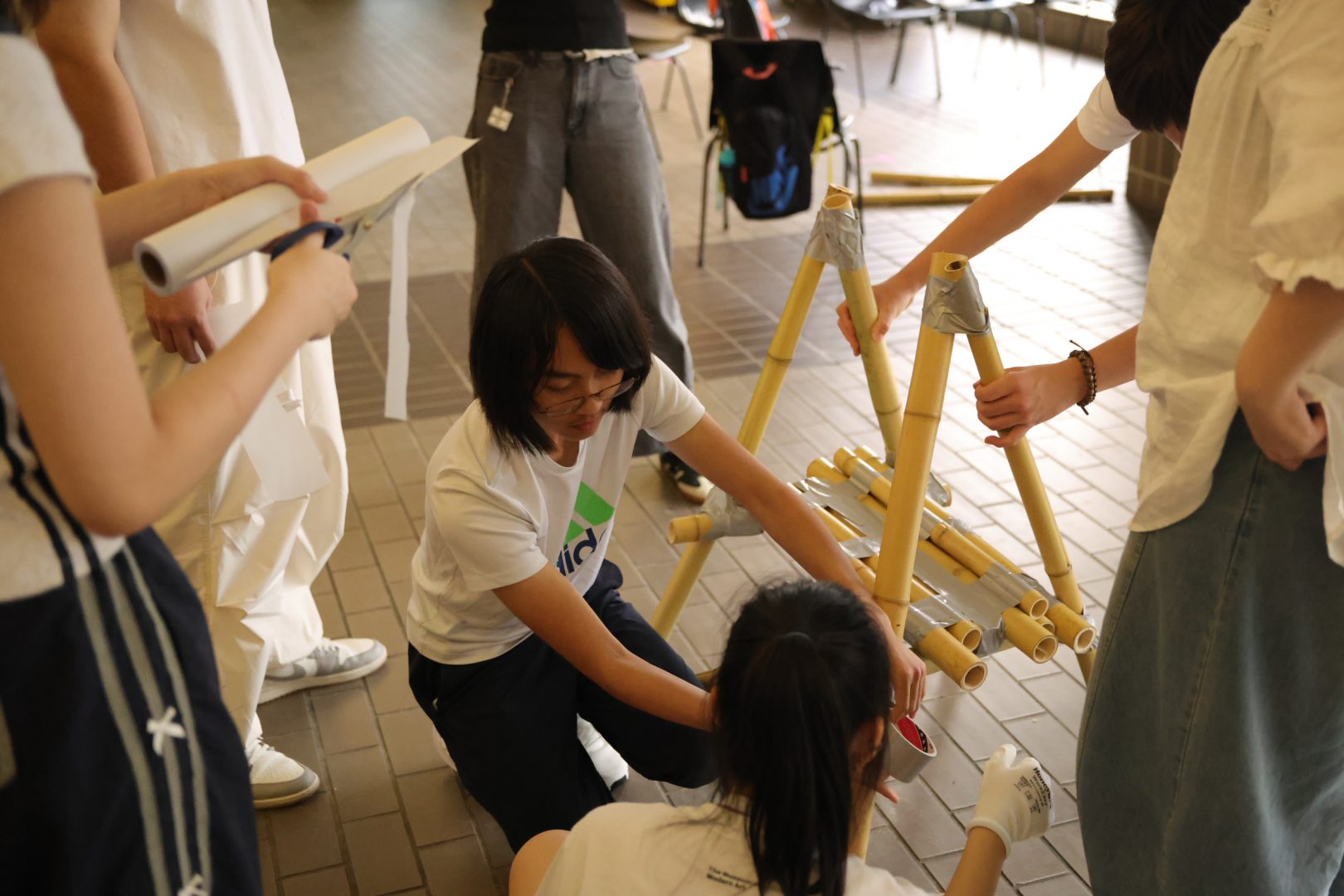
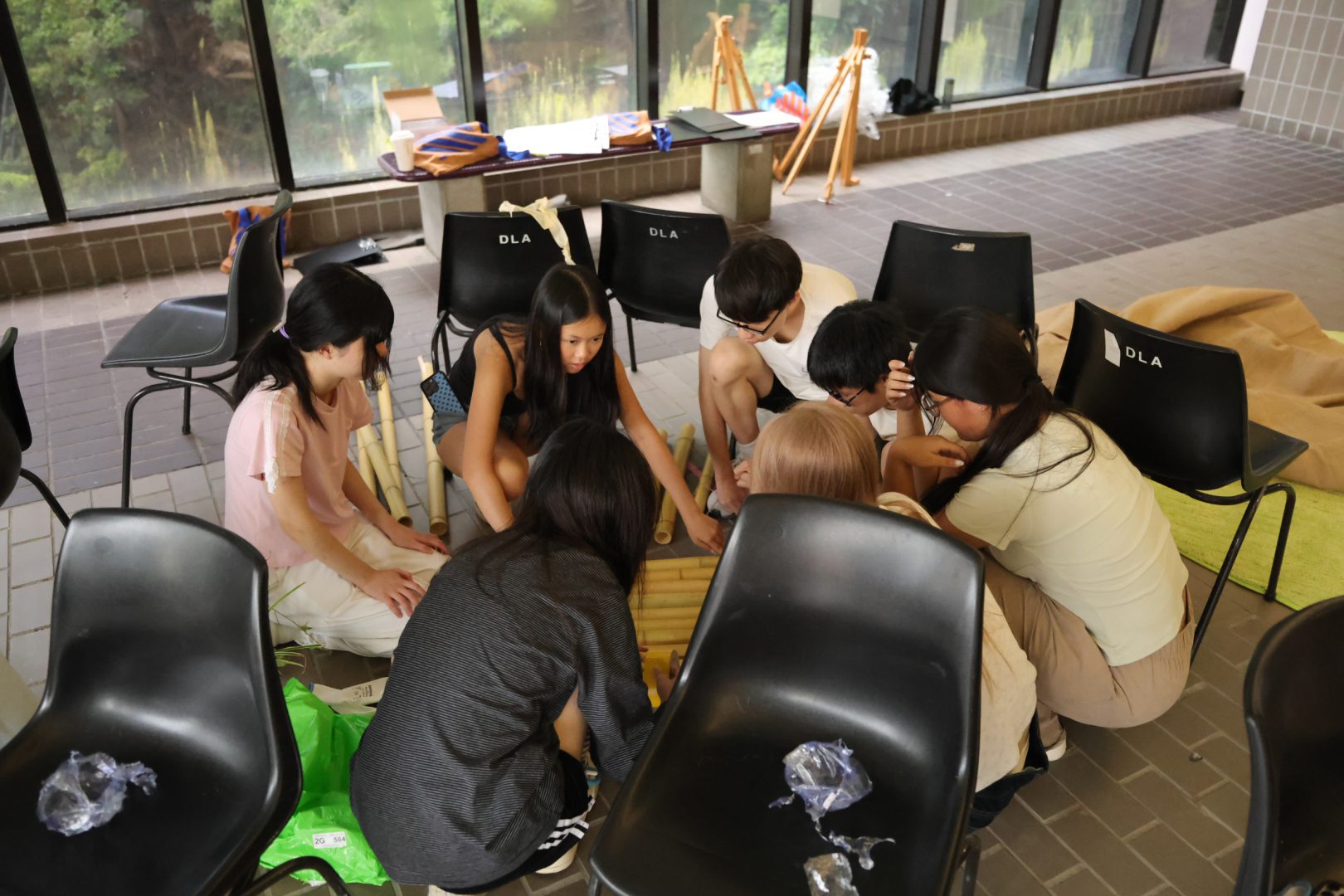
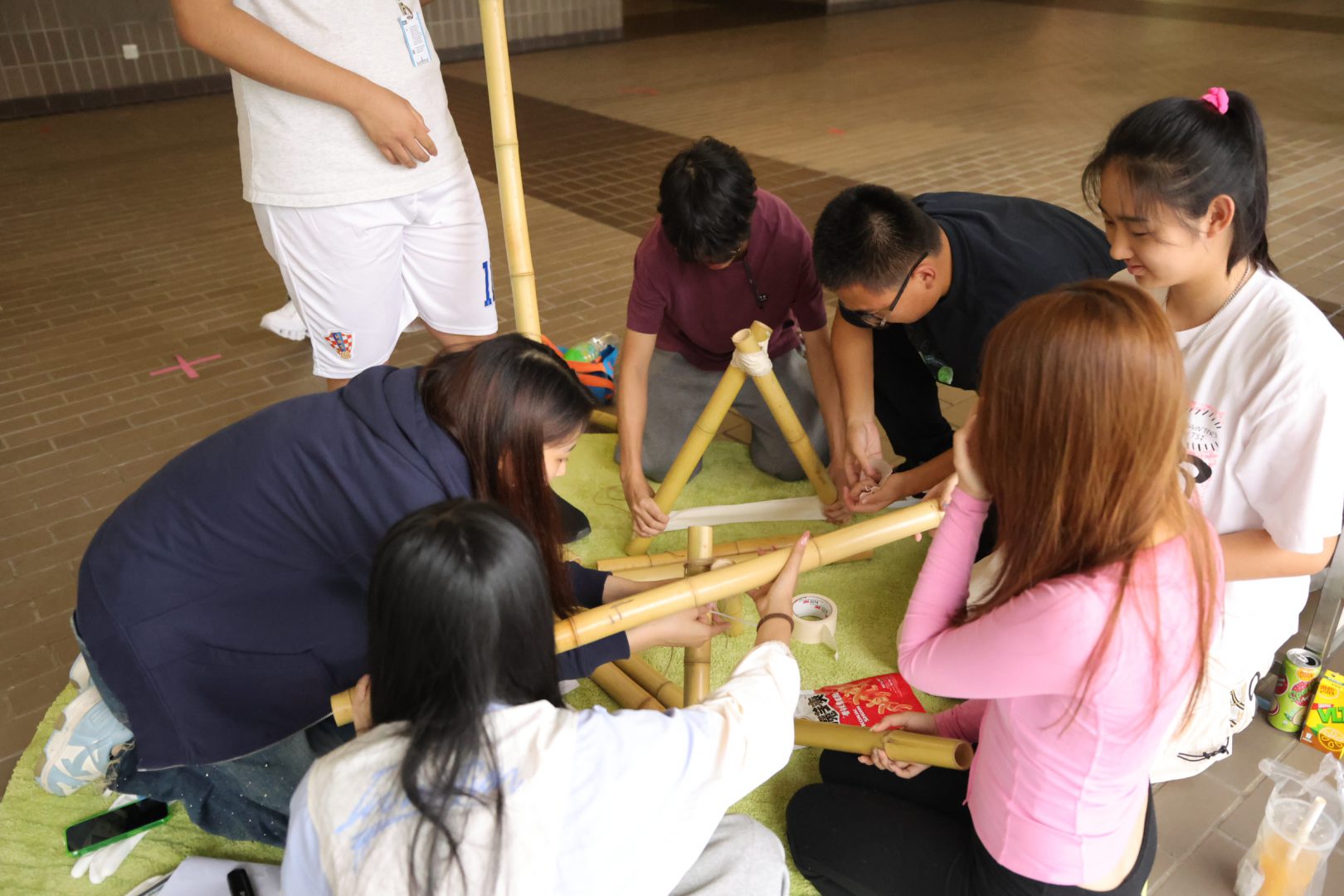
Spatial Intervention with Kate Lau
Students learned to derive site strengths and weaknesses which will inform an open space design.
“Be imaginative and think from multiple perspectives, the urban, the nature, and the users.”
Exploration 4
Bodily Landscape with Clee Wang Zhuo
Bodily landscape is a workshop conducted through a semi-structured walk that engages with bodily senses and
movements to explore the multiple human and more-than-human elements of an urban landscape, their intricate
and intimate interactions and co-evolvements, and how this relationality can help us make sense of the planetary
hyperobject of climate change.