MODULE D : HOW DO ECOLOGICAL, SOCIAL, CULTURAL AND MATERIAL SYSTEMS MEETS?

Module D
In this module, students engaged with professional and ecological contexts to further develop their design proposals. They visited Arup, a renowned global practice, to present, discuss, and refine their concepts with designers. They also visited WWF-Hong Kong and Mai Po to learn about local conservation, wetland ecosystems, and nature-based solutions. By connecting ecological, social, cultural, and material relationships across scales, this phase helped students translate their research into detailed landscape intervention strategies for their final projects.
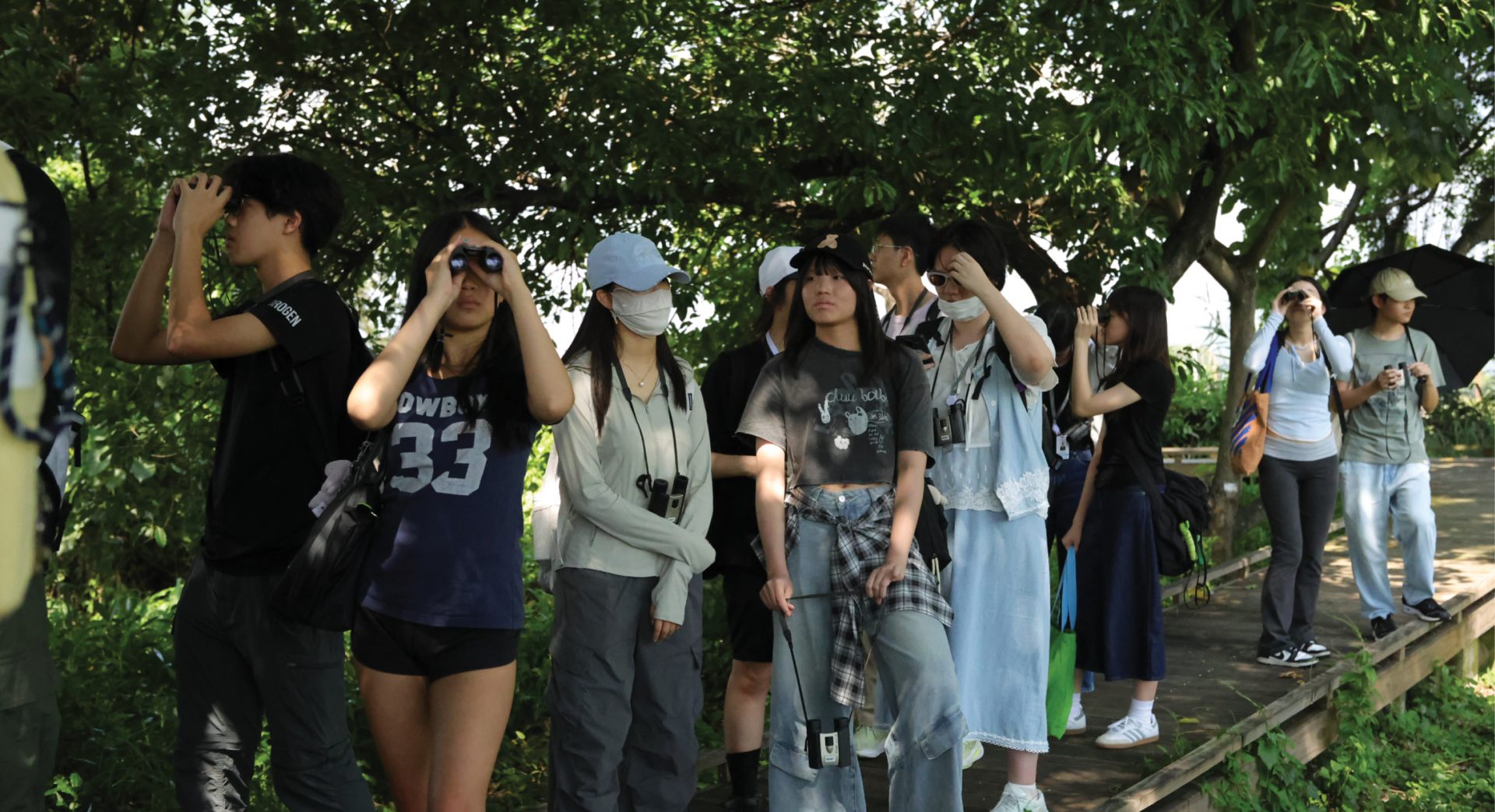
Site Visit 1
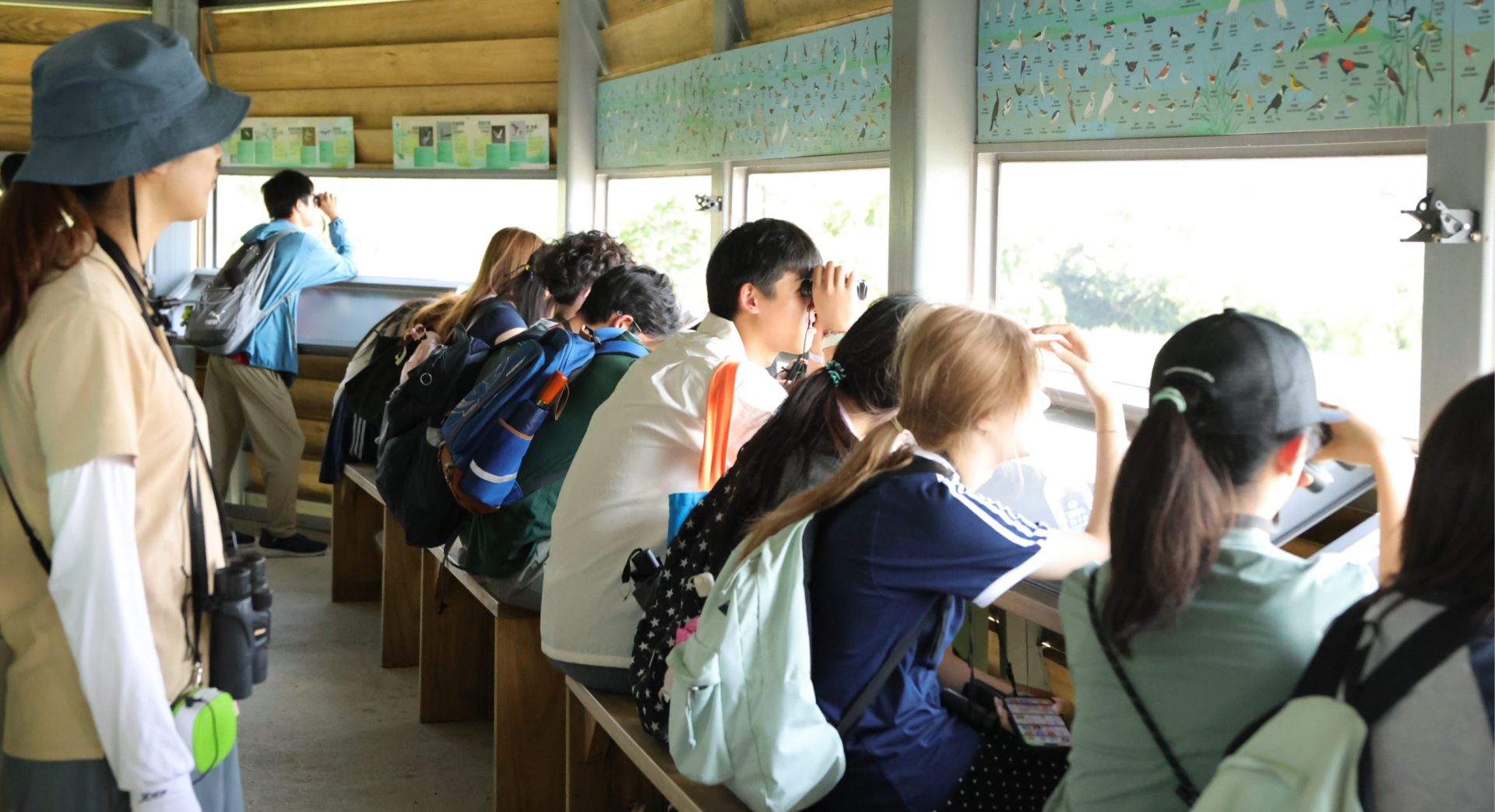
WWF HK, Mai Po
This visit introduced Mai Po as a complex wetland system, focusing on its biodiversity, wetland habitats, species, and WWF-Hong Kong’s conservation, monitoring, and management work. It also framed Mai Po as an example of a nature-based solution (NbS), helping students understand how wetlands address broader environmental and societal challenges, and how humans, non-human species, and landscape elements interact across ecological and social scales.



Talk 1
The Nature Conservancy
As a Chartered Environmentalist and professional sustainability practitioner,
Dr. Scott Lim leads nature-based solution initiatives addressing climate challenges across Hong Kong and the Greater Bay Area in his role as Project Manager at The Nature Conservancy Hong Kong.
Dr. Scott Lim shares insights from his research on the relationship between landscape, nature, and conservation with CDLA students.

Site visit 2
Conservation with TNC,
Pak Nai, Yuen Long
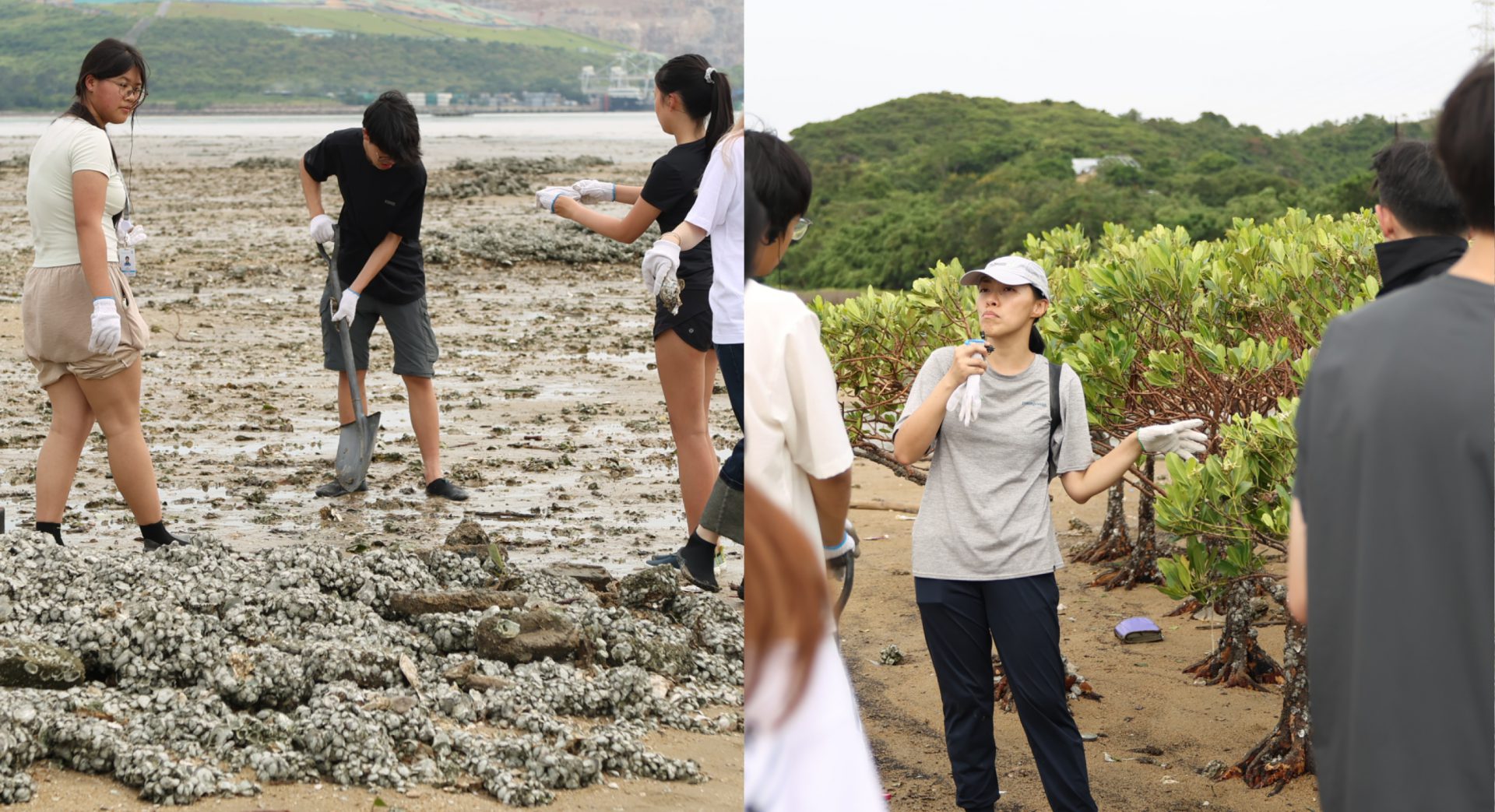
In collaboration with TNC, students contributed to restoring critical habitats along the Northern Coast. The Nature Conservancy Hong Kong underscored the importance of preserving and regenerating biodiversity.

Workshop 4
Arup | Hong Kong
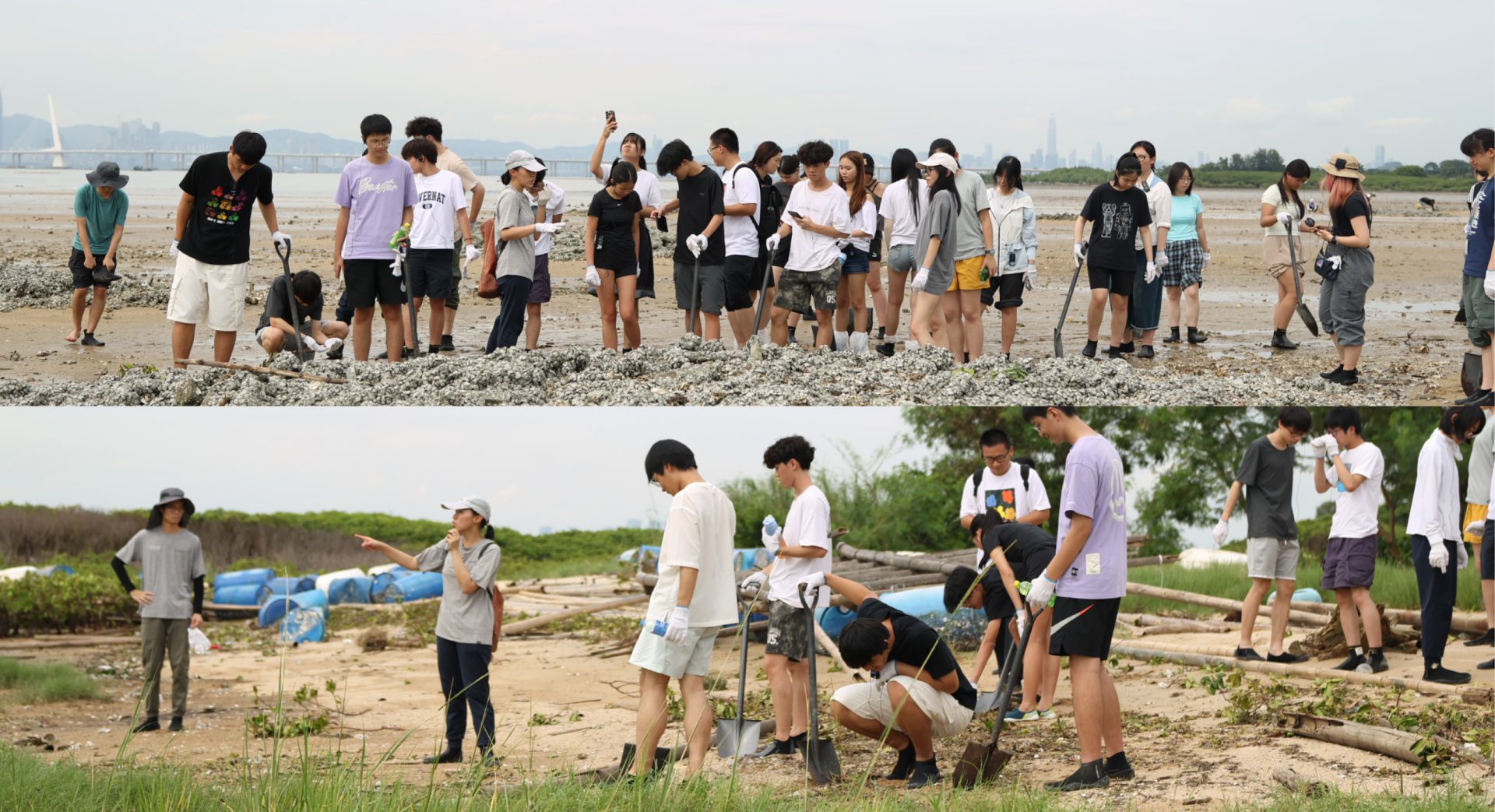
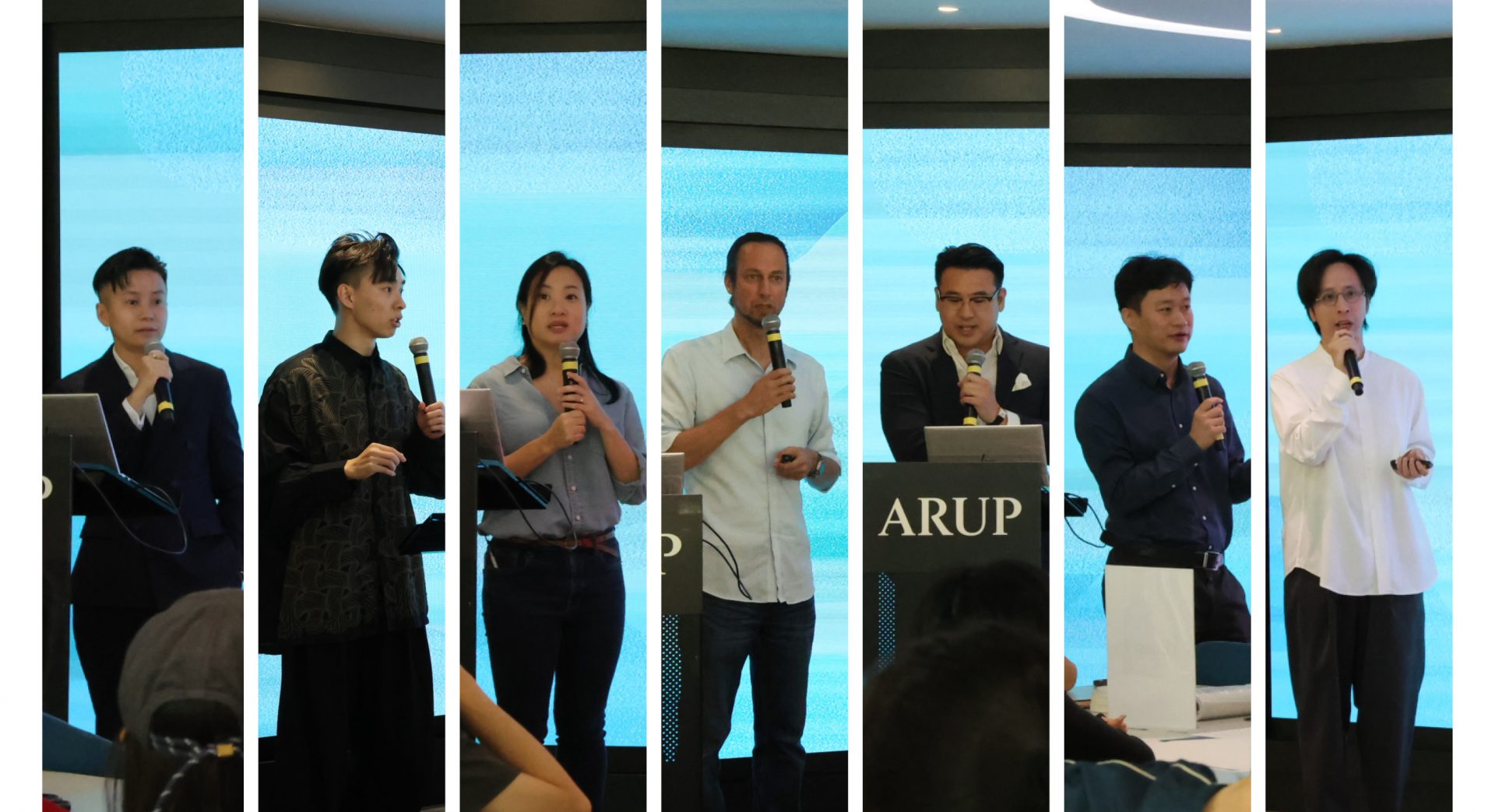
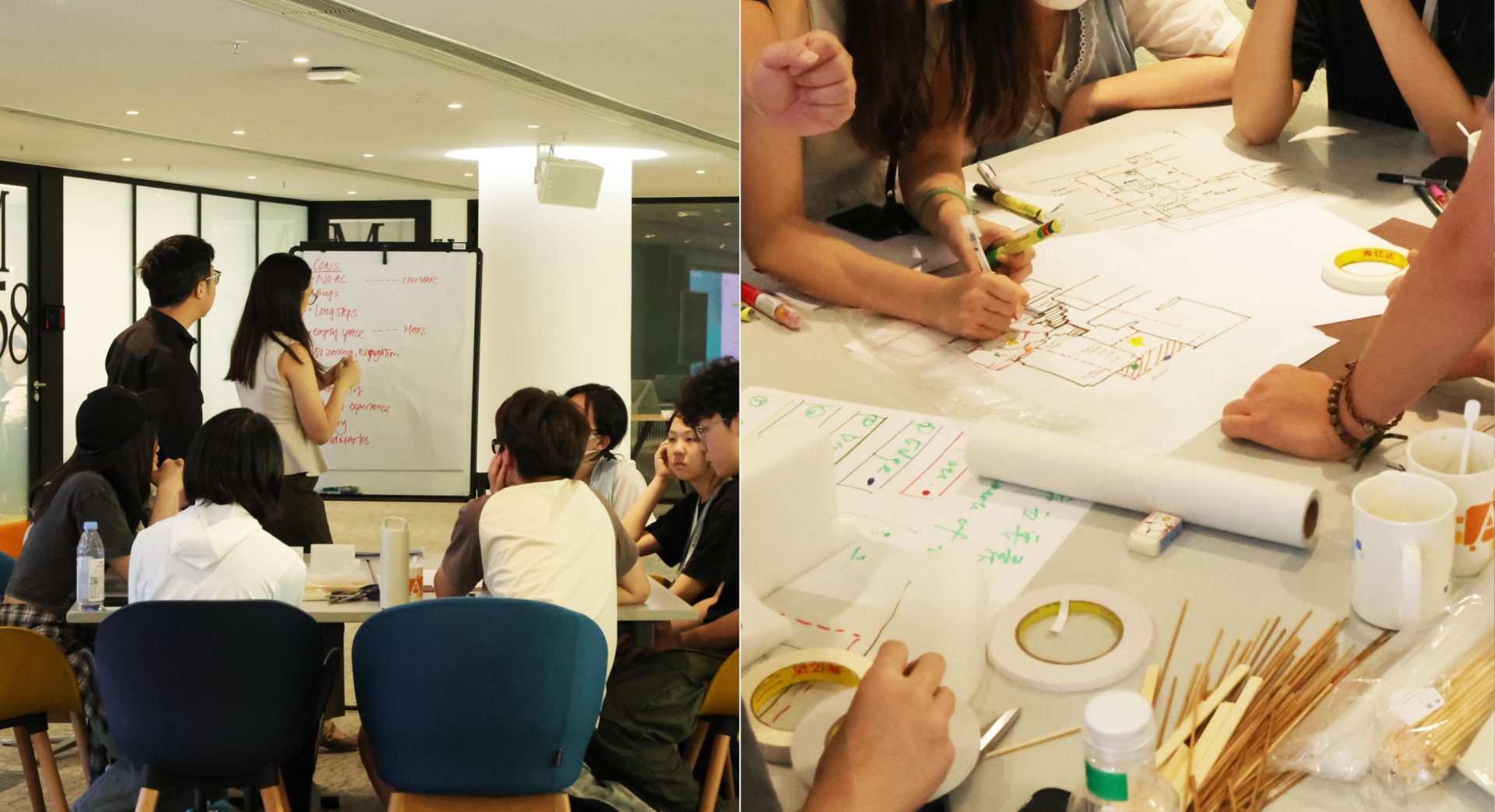
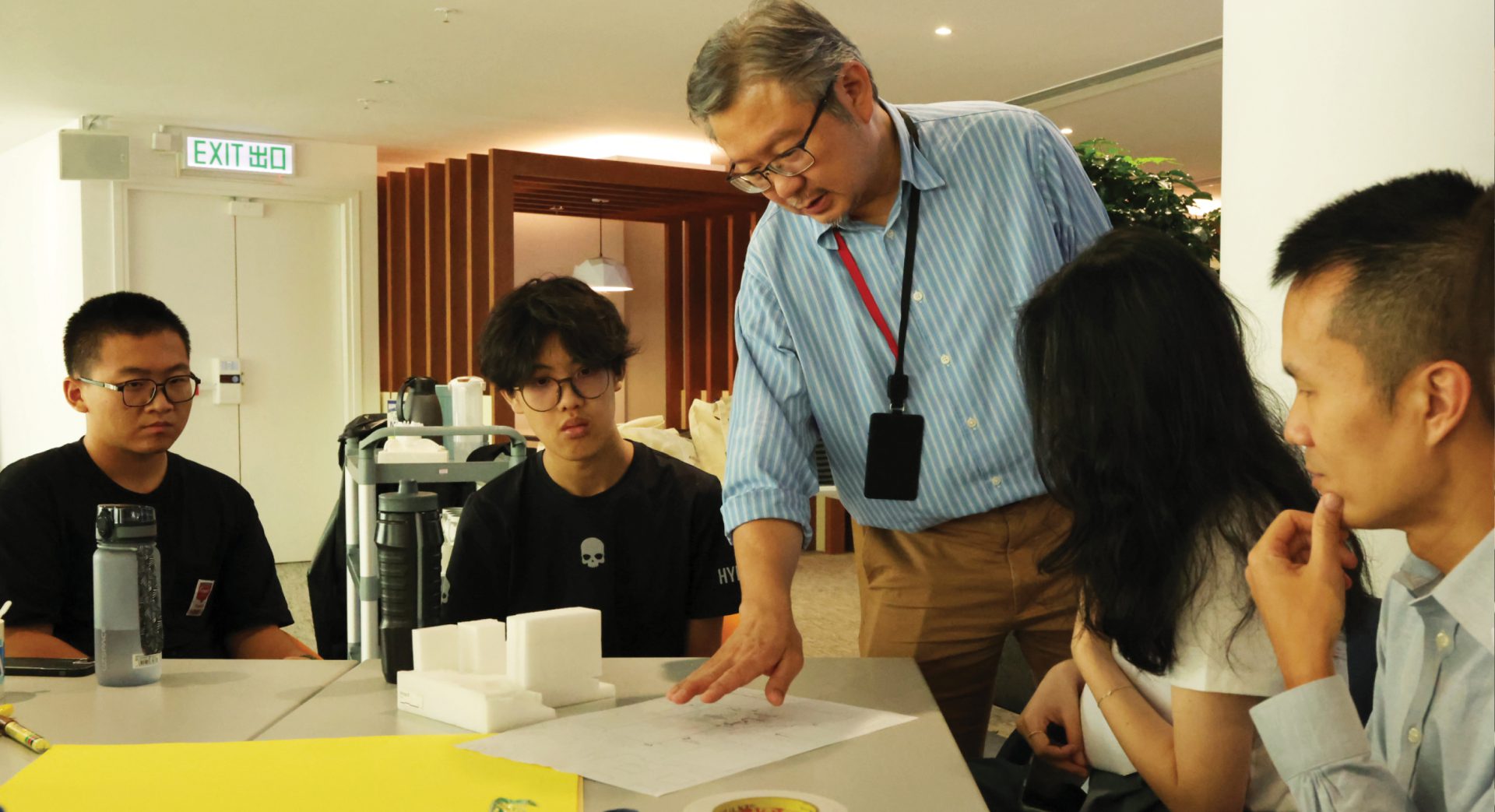
Students visited Arup, a renowned global practice, for a sharing session on their multidisciplinary design approach and professional work.
In a creative studio environment, students presented, discussed, and refined their design concepts together with designers, further developing their ideas and study models through collaborative exchange.

Site Visit 3
After Nature,
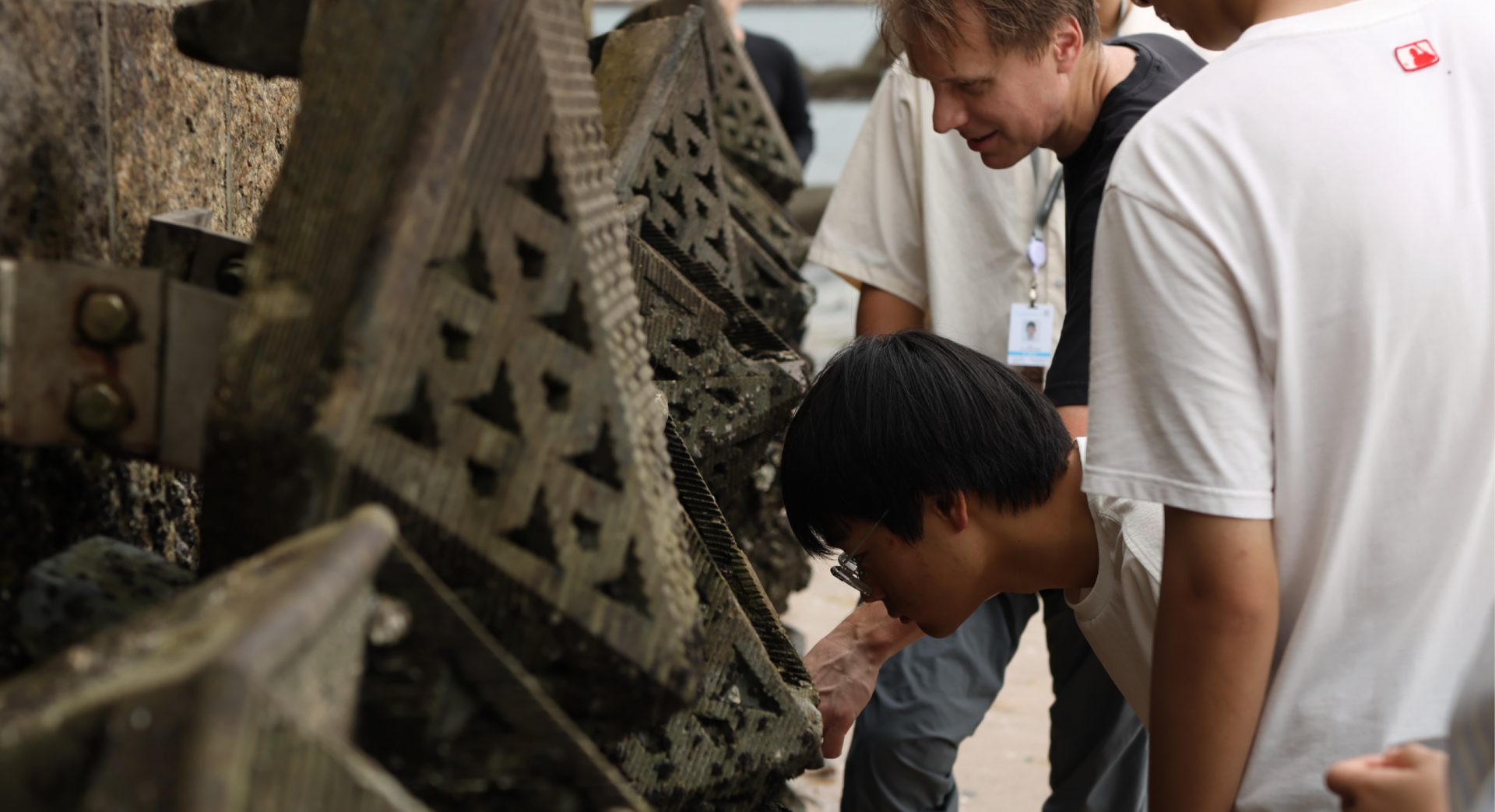
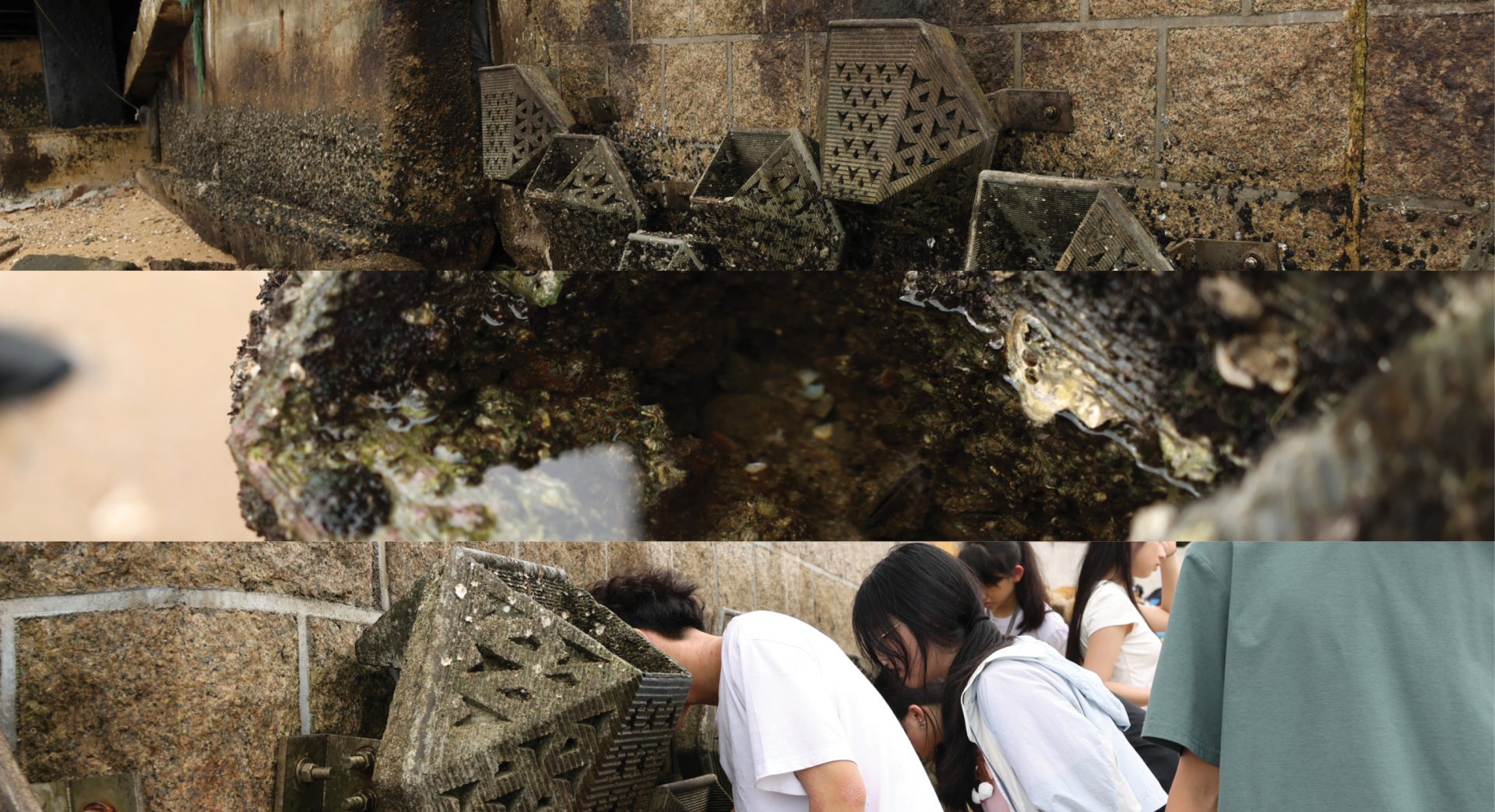
Lei Yue Mun
After Nature explained their interventions in the intertidal areas where infrastructure and reclamation take over the
territory.